
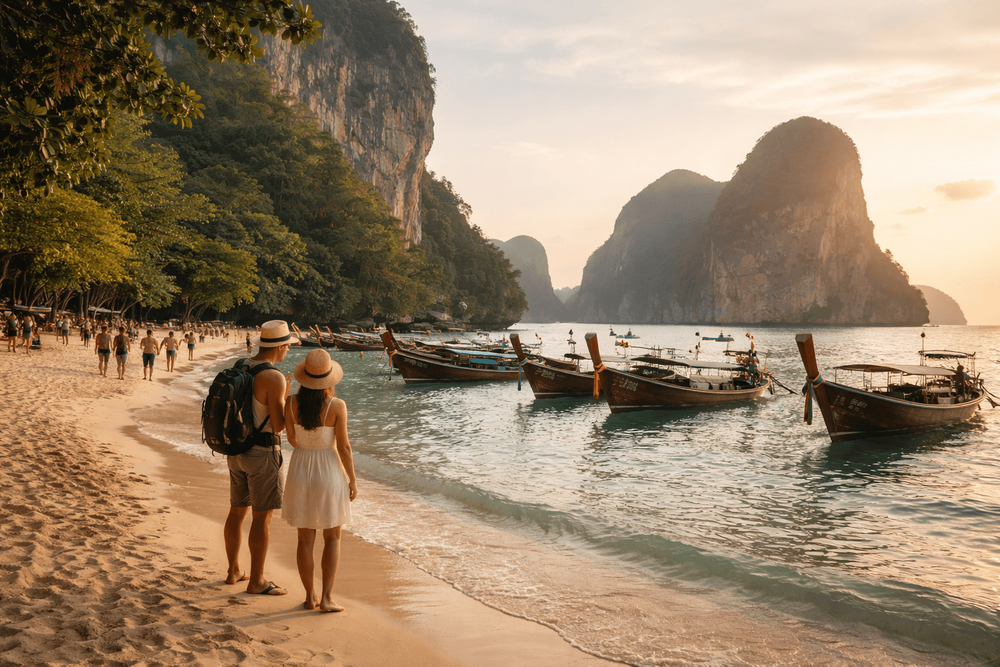
Best Time to Visit Thailand
Plan your Thailand trip by season and region—Bangkok, Chiang Mai, Phuket, Krabi, and Koh Samui—with weather tips, festivals, and insider timing advice.
We step off the Chao Phraya Express at Phra Athit Road and the river breeze actually feels cool for once. The wok-sizzle from a pad thai cart on Rambuttri, incense from a spirit house, the thump-thump from a Khao San Road bar starting to wake up—it’s one of those December evenings when Bangkok is kind. Ask ten travelers the best time to visit Thailand and you’ll get twelve answers, but here’s the truth we’ve learned after too many bowls of boat noodles: timing your trip is about matching the season to your style, not chasing someone else’s perfect month.
Best Time to Visit Thailand: The Seasons, at a Glance
Thailand runs on three seasons across most of the country, with a quirk on the Gulf side that can flip your beach plans.
Cool and dry (roughly November–February)
- Weather: Blue skies, lower humidity, breezy nights. Bangkok is walkable without melting; northern mountains can be crisp in the mornings.
- Best for: City wandering, temple days, trekking in Chiang Mai and Pai, Andaman beaches (Phuket, Krabi, Koh Lanta) at their sparkling best.
- Vibe: Peak season. Fewer thunderstorms, more farang crowds. Book ferries and rooms early around Christmas–New Year and Chinese New Year.
Hot season (March–May)
- Weather: Sticky, scorching afternoons. Bangkok’s asphalt radiates heat like a wok; 7‑Eleven AC becomes a holy place.
- Best for: Islands if you live in the sea, pool days, sunrise/sunset sightseeing. Andaman stays good; Gulf can be decent.
- Watch-outs: Northern Thailand’s “burning season” (late Feb–Apr) can bring haze and poor air quality. Treks and viewpoints feel less magical.
Rainy/green season (roughly May/June–October)
- Weather: Expect a daily shower or thunderstorm—often dramatic, often over in 30–90 minutes. Lush landscapes, fat waterfalls, fewer people.
- Best for: Flexible beach trips, city breaks (duck into a mall or a massage when the skies open), lower prices.
- Regional split: Andaman (Phuket/Krabi) is rainier June–Oct; the Gulf (Koh Samui/Koh Phangan/Koh Tao) gets its heaviest rain later, roughly Oct–Dec.
We plan with that last line in mind: if the Andaman looks wet, we pivot to the Gulf, and vice versa. Sanuk—fun—follows the sun you can find.
Best months to visit by region
Bangkok
- Sweet spot: November–February. Warm days, breezy nights. We’ll hop the river to Wat Arun Ratchawararam Ratchawaramahawihan at golden hour and climb the Golden Mount without arriving as a puddle.
- Also good: June, September. Quick showers, thinner crowds, good deals; bring a light rain jacket and use the BTS/MRT when clouds threaten.
- Avoid if you hate heat: April. Songkran is a nationwide water fight—glorious chaos—but if you don’t like getting soaked, maybe skip those dates.
- Tip: For micro‑timing around the backpacker heartland, see our guide to the Best Time to Visit Khao San Road: Months, Weather & When to Go.
Chiang Mai and the North (Pai, Chiang Rai, Mae Hong Son)
- Best: November–February. Cool mornings, clear views, excellent trekking. Loy Krathong/Yi Peng (usually Nov) lights the sky with lanterns—pure magic, big crowds.
- Shoulder: Late October and March. Warmer but workable.
- Caution: Burning season late Feb–April can mean smoky air and limited visibility. If you’re sensitive, choose another region those months.
Phuket, Krabi, Koh Lanta (Andaman Coast)
- Best: December–March. Calm seas, postcard water, perfect long‑tail days to Railay and the Phi Phi islets.
- Shoulder (good value): November and April/May. Some chop or heat but mostly fine; dive boats less packed.
- Wettest: June–October. Beaches can be rough; some island shacks shutter. Still great for sunsets, budget stays, and dramatic skies—just watch red flags when swimming.
Koh Samui, Koh Phangan, Koh Tao (Gulf of Thailand)
- Best: January–April. Sunny, clear water, reliable ferries. Great hedge if the Andaman is soggy.
- Shoulder: May–June and December (improving later in the month). Showers but plenty of beach time.
- Wettest: October–November (sometimes spilling into early December). Heavy NE monsoon squalls are common; plan pool days and massages.
Eastern Seaboard (Koh Chang, Koh Mak, Koh Kood)
- Best: November–April. Quiet and green; lovely waterfalls early in the season.
- Wettest: May–October. Many places close; ferries can be irregular in the depths of the monsoon.
Isaan (Northeast: Ubon, Udon, Khon Kaen, Loei)
- Best: November–February for cool mornings and festivals. Fields glow emerald after the rains. Great for authentic markets and temple fairs.
- Hot: March–May can be toasty but uncrowded; roadside som tam and grilled chicken save lives.
Rainy season realities: why green can be gold
Rain in Thailand isn’t a movie scene that ruins your day; it’s a reset. The heat breaks, the street shines, and a vendor pushes a tray of moo ping under a plastic tarp as if this is all part of the show—because it is.
What to expect:
- Timing: In many places (Bangkok, Chiang Mai), storms hit late afternoon or evening. Plan temples and markets in the morning; keep a café, mall, or massage break as your rain plan.
- Intensity: Sudden, theatrical. Bangkok drains quickly, but heavier systems in Sept–Oct can flood some sois—wear sandals that don’t mind a bath.
- Perks: Lower prices, easy room upgrades, friendlier bargaining, greener jungles, fatter waterfalls, better photos with moody skies. Fewer farang selfie sticks at the Grand Palace.
- Beach swaps: If Andaman forecasts look glum, hop to the Gulf. On Koh Samui in July, we’ve had week‑long runs of sun while Phuket grumbled under clouds.
What still works brilliantly:
- Cities: Museums, cafés, street food under awnings, river ferries between bursts (fares from a handful of baht—cheap and breezy).
- Food missions: Noodle shophouses are basically storm shelters with soup.
- Nature: Khlong boat rides in Bangkok, jungle walks in Khao Sok (lush and otherworldly), waterfalls everywhere.
Gear to make it painless:
- Lightweight rain jacket or packable poncho, quick‑dry clothes, and sandals that grip. We keep a tiny umbrella from 7‑Eleven (about the price of two iced lattes) clipped to our daypack. For seasonal packing specifics, see What to Pack for Thailand by Season: Hot, Rainy, and Cool-Weather Essentials.
Peak season tradeoffs: worth it, if you plan
November to February is the sweet spot across much of the country—and everyone knows it. Here’s how we play it.
- Crowds: Grand Palace queues by 8:30 a.m., longtail captains quoting “special friend” prices in Railay, and beach swings occupied by Instagram pilgrimages. Start early; take the 7:00 a.m. Chao Phraya Express to outpace tour buses.
- Prices: Expect higher room rates (often 20–50% up from low season) and popular ferries and domestic flights to sell out around Christmas/New Year and Chinese New Year.
- Weather wins: Blue‑sky days string together like mango on sticky rice. If you only have one shot at Thailand’s beaches, this is it.
- Festivals worth booking early:
- Loy Krathong/Yi Peng (Nov full moon) in Chiang Mai—the sky becomes a living constellation.
- New Year’s Eve (Dec 31) fireworks over Bangkok’s river.
- Chinese New Year (Jan/Feb) in Yaowarat (Chinatown) with dragons and firecrackers.
- Phuket Vegetarian Festival (late Sep/Oct) if you like your processions intense.
- Songkran (Apr 13–15 nationwide): water fights from Silom to Khao San. Book way ahead or plan to get soaked.
If we’re locking things in peak months, we book ferries and longtails a day or two ahead and accept that a cold Chang on a busier beach is still a cold Chang.
How to choose the best time based on your style
Beach hopper on a budget
- Andaman: Late November or April/May for lower prices with mostly good seas.
- Gulf: May–June can be a value pocket before the NE monsoon season.
- Tip: Accept a couple of shower days for a better room with a pool. We’ll time beach runs early morning and late afternoon to dodge heat.
Culture and temples
- November–February wins for Bangkok, Ayutthaya, Sukhothai, and Chiang Mai. You’ll cover more ground when the air’s crisp.
- Pack: Modest, breathable temple wear—shoulders and knees covered. If you’re temple‑hopping, bookmark What to Pack for Thailand Temple Visits and Cultural Sites.
Party and nightlife
- Bangkok is year‑round, but December–February nights are extra electric along Khao San and Phra Athit when you can sip a beer without sweating through your shirt.
- Full Moon Party (Koh Phangan): Any month, but seas are friendliest Jan–Aug. In Oct–Nov, allow buffer days in case of ferry delays.
Diving and snorkeling
- Similan/Surin (Andaman): Generally mid‑Oct to mid‑May season; best viz Dec–Mar.
- Koh Tao (Gulf): Often great May–Sept; calmer seas when Andaman gets rough.
Families
- December–January is a slam dunk: reliable weather, easy logistics. Book early and choose beaches with gentle surf (Koh Lanta, parts of Krabi, Bophut on Samui).
Food‑first city break
- Bangkok year‑round. We like June or September for shorter queues and cooler post‑rain evenings. Hot season is fine if you day‑nap like a lizard.
Trekking and nature
- North: December–January for crisp mornings and starry nights. Avoid late Feb–April if smoke bothers you.
- Khao Sok and southern jungles: Rainy season is peak green—leeches are part of the story; embrace the squelch.
If you’re piecing together routes, our big‑picture planner helps: Trip to Thailand: A Complete Travel Guide.
Month‑by‑month cheat sheet
- January: Prime everywhere except occasional Gulf squalls lingering early month. Bangkok bliss, Andaman glassy, Chiang Mai sweater mornings.
- February: Still stellar. North cool, seas calm; Chinese New Year energy in Bangkok’s Yaowarat. Book early.
- March: Hot dial turns up. Andaman still good, Chiang Mai heating; watch for early haze.
- April: Hottest month. Great for island life if you love water. Songkran soaks cities mid‑month—book or dodge accordingly.
- May: Shoulder magic. Heat lingers, first rains arrive. Andaman begins to wobble; Gulf often lovely; Bangkok has deals.
- June: Green season rhythm. Afternoon storms, lush landscapes, bargain rooms. Samui shines.
- July: Similar to June. Family trips peak; book ferries. Andaman showers; Gulf dependable.
- August: Like July with more Europeans on holiday. Good Gulf bet; Andaman mixed but beautiful between squalls.
- September: Wettest in many places; flexible travelers win. Cheap, green, dramatic skies.
- October: Transition. Early month can be rainy; late month clears—North cools down; Loi Krathong prep begins.
- November: Star month for most—cooler air, festivals, Andaman reopening. Gulf can still be stormy early.
- December: Peak sparkle. Bangkok breezes, Chiang Mai crisp, Andaman perfection; Gulf improves as the month goes on.
Know before you go: practical bits we swear by
- Book smarter, not just earlier: For December–January on any island, reserve ferries and key intercity flights in advance. In shoulder and green seasons, we often wing it day‑to‑day.
- Move by water: In Bangkok, the Chao Phraya Express boat beats traffic and costs pocket change. Hop off at Tha Tien for Wat or Phra Athit for Khao San and Rambuttri.
- Dress cool, dress kind: Lightweight, breathable layers win. Temples require covered shoulders/knees; carry a light scarf. See What to Pack for Thailand by Season: Hot, Rainy, and Cool-Weather Essentials for a dialed kit.
- Heat hacks: Freeze a water bottle overnight; alternate outdoors with AC breaks (malls, cafés, museums). Electrolyte packets from any 7‑Eleven save afternoons.
- Scam radar: If a tuk‑tuk offers a city tour for 20 baht, it’s a gem shop detour waiting to happen. Smile, wai, walk away.
- Festivals fill fast: Loy Krathong in the North and New Year on the Andaman require early bookings—set alerts and pounce.
So…when’s the best time to visit Thailand?
If we had to pick one window for a first‑timer wanting a bit of everything—Bangkok nights on Phra Athit, temple mornings without sweat rivers, and silky Andaman water—we’d say late November to mid‑February. If you’re allergic to crowds or chasing value, target late May to June on the Gulf or late October shoulder weeks up North. And if it rains? We’ll duck under an awning on Soi Rambuttri, order another bowl of tom yum, and wait out the storm—Thailand rewards patience with a rainbow more often than not.
When you’re ready to plan your days around the sun and showers, we’ll meet you at the pier with a fresh coconut and a seat on the shady side of the boat.
Related Hotels & Places
Rambuttri
Markets
Khao San’s calmer cousin: a tree‑shaded lane of VW van cocktail bars, open‑air foot massages, pad thai grills, and easygoing live bands. Best from sunset to 11pm; beers 80–120 THB, cocktails 150–220 THB. One block from the chaos, all the charm.
Khao San Road
Attractions
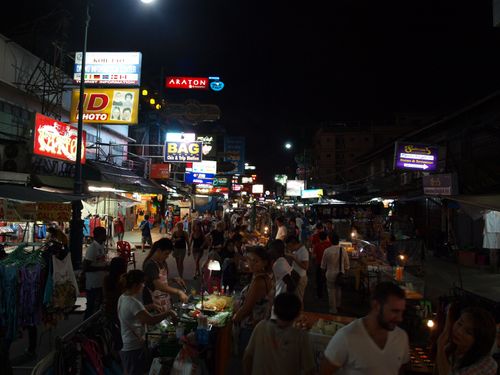
Bangkok’s backpacker carnival: curbside bars, live bands and DJs from 3pm–2am (midnight Sun). Street eats are cheap — pad thai 70–100 THB, mango sticky rice 60–100 THB. Come for wild people-watching; duck into Rambuttri for a calmer beer.
Wat Arun Ratchawararam Ratchawaramahawihan
Temples
Wat
Temples