
Best Time to Visit Khao San Road: Months, Weather & When to Go
The best time to visit Khao San Road? November–February for cool, dry nights; Songkran for chaos; rainy season for deals. Month-by-month tips inside.
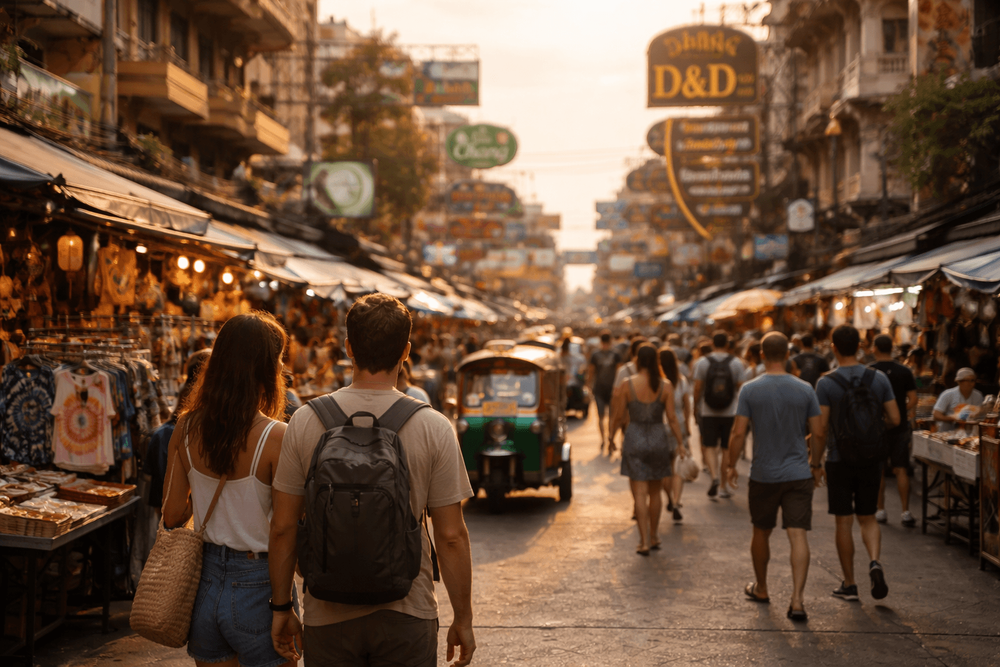
We step out onto Khao San and the city hits us in waves: wok smoke curling from a pad thai cart, a tuk-tuk coughing past, the thump-thump from a bar two doors down, and that unmistakable Bangkok cocktail of heat and possibility. If you’re wondering the best time to visit Khao San Road, here’s when the street really sings—and when it sweats.
Best Time to Visit Khao San Road: Quick Answer
November to February is the sweet spot—cooler, drier, and buzzing. For deals and fewer crowds, try May–June or September. For the wildest party, come mid-April for Songkran.
Khao San Road by Season and Month — Weather, Crowds & Vibe
Bangkok doesn’t really do “winter,” but the seasons shift just enough to change the feel of Khao San dramatically. We’ll keep it honest: it’s always warm, it’s often loud, and that’s half the sanuk (fun).
Cool(ish) & Dry: November–February
- November: Rains taper off. Evenings can feel almost breezy as we wander Soi Rambuttri under fairy lights. The vibe is celebratory without being shoulder-to-shoulder. Great month if you want energy without chaos.
- December: Peak season. The air is drier, and every bar seems to hum after dark. Expect packed terraces, clinking Chang bottles, and live bands spilling onto the pavement. Rooms around Khao San fill up early—book ahead.
- January: The most comfortable nights. We can actually walk to Phra Athit Road without arriving drenched in sweat. Crowds remain high, but prices hold fairly steady. Perfect for mixing temple days with late nights.
- February: Still dry, edging warmer. Fewer holiday crowds than December/January, which means a touch more space at the street food tables and along the khlongs.
What it feels like: A fan whirring at our elbow, lemongrass in the air, and a steady thump from bars that manage to be rowdy without tipping into madness. If you’re choosing a single window, this is typically the best time to visit Khao San Road.
Hot Season: March–May
- March: Heat cranks up. We make strategic sprints: AC blast at 7‑Eleven, quick mango sticky rice, then shade. Nights stay lively; afternoons go sleepy.
- April: Scorching—and spectacular. Mid-month is Songkran (Thai New Year), when the street turns into an ecstatic water fight. The vibe is pure carnival: whistles, water guns, and the occasional ice-cold bucket to the back. It’s chaotic, wet, and unforgettable.
- May: Still hot, but clouds start building. Afternoon showers begin to crash-land around rush hour. Crowds thin, and bargains emerge.
What it feels like: Skin shimmering with heat by noon, the city smelling of frying garlic and sweet rot from a durian cart, and relief arriving as the sun drops behind the shophouses. If you like intensity—on your plate and in the air—this is your season.
Rainy Season: June–October
- June: Manageable showers, often short bursts. We keep a poncho in our daypack and carry on.
- July: Humid and lush. Street life doesn’t stop; it just ducks under awnings when the sky opens.
- August: Similar to July, with prices generally softer than the cool season.
- September: Heaviest rains, with proper downpours that can turn Soi Rambuttri into a glossy mirror. Not a washout—just plan around storms.
- October: Rains ease late in the month. A good-value shoulder window as the city pivots to peak.
What it feels like: Petrichor rising off hot concrete, thunder rolling up the river, and then the street—steaming, alive again—thirty minutes later. We sip an iced cha yen (Thai tea) and wait it out like locals.
If you want the least-crowded Khao San with lower prices, the rainy season is your playground. Just embrace the elements.
Major Events & Festivals That Change the Experience
- Songkran (Thai New Year, usually April 13–15): Khao San is one of Bangkok’s splash zones. Stages, DJs, foam, and water guns everywhere. Expect closures or checkpoints on the street, big crowds, and police presence. Wear quick-dry clothes, protect your phone in a waterproof pouch, and don’t expect to stay dry—no one does.
- New Year’s Eve (Dec 31): The Old Town hums with parties and fireworks along the Chao Phraya. Khao San bars crank the volume; streets are packed and festive until late. Arrive early if you want a table.
- Loy Krathong (usually November): The river glows with floating lotus candles. We like to stroll to Santi Chai Prakan Park near Phra Athit and float a krathong, then wander back for late-night noodles. It’s romantic Bangkok at its best.
Other moments: Chinese New Year (Jan/Feb) lights up Yaowarat (Chinatown), a short taxi ride away, and October’s Vegetarian Festival brings interesting street eats. They’re not Khao San‑centric, but they’re easy side trips if you’re staying nearby.
Nightlife, Crowds & Street Atmosphere by Time of Year
- Cool & Dry (Nov–Feb): Consistently packed from dusk till late. Live bands belt out Oasis covers, bucket cocktails line the tables, and the odd farang shows off newfound Muay Thai moves after two Leos. Side streets like Soi Rambuttri hit a more laid‑back groove if you need a breather.
- Hot (Mar–May): Nights stay buzzy; days are languid. The dance floors fill later as people wait for the heat to fade. During Songkran, expect daytime ragers and a street that feels like a wet dance festival.
- Rainy (Jun–Oct): Crowd sizes swing with the clouds. A downpour clears the street; twenty minutes later the bass is back and the grills are hissing. Great for those who like energy without elbows in ribs.
Curious about closing times? They can shift with local rules and nights of the week. Check the latest here: When Does Khao San Road Close? Nightly Hours, Exceptions & Tips. For a deeper read on what the street feels like after sunset, start with Khao San Road After Dark: What to Expect at Night.
Prices, Deals & Hotel Availability — When to Book
- Peak months (Dec–Jan and New Year week): Rooms near Khao San sell out fast. If you’re picky about location or want a quiet room at the back (trust us), book several weeks—often months—ahead.
- Songkran (mid-April): High demand even though it’s hot. Book early if you want to be right on Khao San or Soi Rambuttri, or risk hiking in from further afield.
- Shoulder season (May–June, late Oct–Nov): Our favorite for value. Still plenty of action, with better odds on walk‑in rates.
- Rainy season (Jun–Oct): Cheapest overall, especially in September. Day-to-day weather might shuffle your plans, but your baht stretches further.
Insider tip: For lighter sleepers, staying close—but not on—the main drag is gold. The difference between a window rattling to bass at 3 AM and a blissful conk‑out can be half a block toward Phra Athit Road or tucked behind Wat Chana Songkhram Ratchaworamahawihan. If you’re deciding which micro‑area suits you, this helps: Where to Stay Near Khao San Road: Complete Area Guide (2026).
Since Khao San isn’t on the BTS/MRT, factor in taxi/Grab or river boat access when you choose a base. Being a five‑minute walk from Phra Arthit Pier makes temple‑hopping sanuk and painless.
What to Pack and Practical Tips (By Season)
General must‑haves all year:
- Light, breathable clothes; quick‑dry fabrics win
- Comfortable sandals or sneakers that can handle puddles
- Sunscreen, hat, and a refillable water bottle
- Mosquito repellent for dusk along the khlong
- Small bills for street food; patience for crowds; a sense of humor
Cool & Dry (Nov–Feb):
- A light layer for late-night tuk-tuk rides (you might actually feel a breeze)
- Closed shoes if you’re planning long temple days
Hot (Mar–May):
- Electrolyte packets; you’ll sweat like you’re training for Muay Thai
- A compact fan or cooling towel for midday slogs
- For Songkran: waterproof phone pouch, dry bag, and clothes you don’t mind soaking
Rainy (Jun–Oct):
- Cheap poncho (7‑Eleven sells them for coins) and/or a small umbrella
- Quick‑dry shorts and a spare T‑shirt in a zip bag
- Flip‑flops for sudden ankle‑deep splashes; grippy soles for slick tiles
Street smarts:
- Tuk‑tuks are fun but agree on a price first; taxis should run the meter
- Hydrate, pace yourself, and duck into AC when you need a reset
- Keep an eye on your phone around crowds. It’s mostly chill, but sanuk attracts pickpockets
Sample Itineraries: 24 Hours on Khao San Road (Dry Season vs Wet Season)
Dry Season 24-Hour Hit (Nov–Feb)
Morning
- 7:30 AM: Grab a sesame bun and iced coffee near Banglamphu Market. Cool air, soft light on old shophouses—perfect for a slow wander.
- 8:30 AM: Walk to Wat Bowonniwet for a quiet hour. Monks pad past; incense curls; the day hasn’t turned up the heat yet.
Late Morning
- 10:00 AM: Ride the Chao Phraya Express from Phra Arthit Pier to Tha Tien. Hop over to Wat Arun or circle the Grand Palace area. Dry season boat rides feel like a river breeze massage.
Lunch
- 12:30 PM: Back near Khao San, find boat noodles on a side soi or a crispy pork rice plate with that perfect sticky‑sweet sauce.
Afternoon
- 2:30 PM: Siesta in a cafe on Phra Athit Road. Ceiling fan, iced cha yen, and a book—watch the world shuffle by.
- 4:30 PM: Golden hour at Phra Sumen Fort and Santi Chai Prakan Park. Street musicians, couples on benches, kids chasing pigeons.
Evening
- 6:30 PM: Street food crawl. If you’re mapping a feast, keep this handy: What to Eat on Khao San Road: 20 Must-Try Foods & Where to Find Them.
- 8:30 PM–Late: Bar‑hop along Khao San, then slide to Soi Rambuttri for a mellow closer. On peak nights, it’s wall‑to‑wall energy without the steam-bath vibe of April.
Wet Season 24-Hour Play (Jun–Oct)
Morning
- 8:00 AM: Sleep in; the rain often comes later. Thai omelet over rice and a strong kopi in a streetside shop.
- 9:30 AM: Museum morning—National Museum or a temple loop while the sky holds. Carry a poncho in your pocket.
Lunch
- 12:00 PM: When the first fat drops hit the pavement, duck under an awning for tom yum noodles. The rain hisses; the broth wakes you up.
Afternoon
- 2:00 PM: If the clouds open, this is cafe time. We people‑watch from a Rambuttri verandah, rain drumming tin roofs.
- 4:00 PM: When the storm passes, the city sparkles. Walk the alleys behind Khao San; fresh, earthy air; vendors resetting grills.
Evening
- 6:00 PM: Night market snacks—grilled pork skewers, mango sticky rice. Streets are less packed, easier to snag a table.
- 8:30 PM–Late: Bars fill in waves between showers. Sets feel more intimate, the mood looser. If lightning flashes over the river, we wander to Phra Athit for a moody skyline moment.
For more street‑specific ideas year‑round, browse Things to Do on Khao San Road: Complete Guide (2026).
Quick Decision Checklist
- Best weather + classic buzz: November–February
- Biggest party (bring a dry bag): Songkran, mid‑April
- Lowest prices: June–October (especially September)
- Fewer crowds but active nights: May–June, late October, early November
- Nightlife focus: Cool season weekends, or Songkran if you can handle the chaos
- Temple days + river rides without melting: January
- Family‑friendlier vibe: Early evenings in November–February; base closer to Phra Athit for calmer nights
- Photographers: Post‑rain reflections (Sep–Oct) or golden light in December
Know Before You Go
- Khao San isn’t on the BTS/MRT; the easiest public link is the Chao Phraya Express Boat via Phra Arthit Pier. Otherwise, taxi/Grab or a tuk‑tuk short hop from Ratchadamnoen.
- Opening and closing rhythms shift with local rules and weekends. If your night hinges on last orders, see: When Does Khao San Road Close? Nightly Hours, Exceptions & Tips.
- New here and want the lay of the land? Start with the area overview: Khao San Road.
We’ll keep coming back for that first blast of spice in the air, the live guitar covers we secretly love, and the way Khao San refuses to be anything but itself—rain or shine If you can, aim for November to February; if you can’t, come anyway. Bangkok rewards the bold, and Khao San always has a story waiting on the next soi corner.
Related Hotels & Places
More Khao San Road Guides
- Best Time to Visit Wat Pho, Grand Palace, and Golden Mount from Khao San Road: Crowd Levels, Heat, and Photo Windows
- What to Eat on Khao San Road: 20 Must-Try Foods & Where to Find Them
- How to Get to Khao San Road: From Airports, BTS/MRT, Boat & Taxi
- Bangkok Street Food Near Khao San Road: Best Morning, Lunch, and Late-Night Eats by Time of Day