
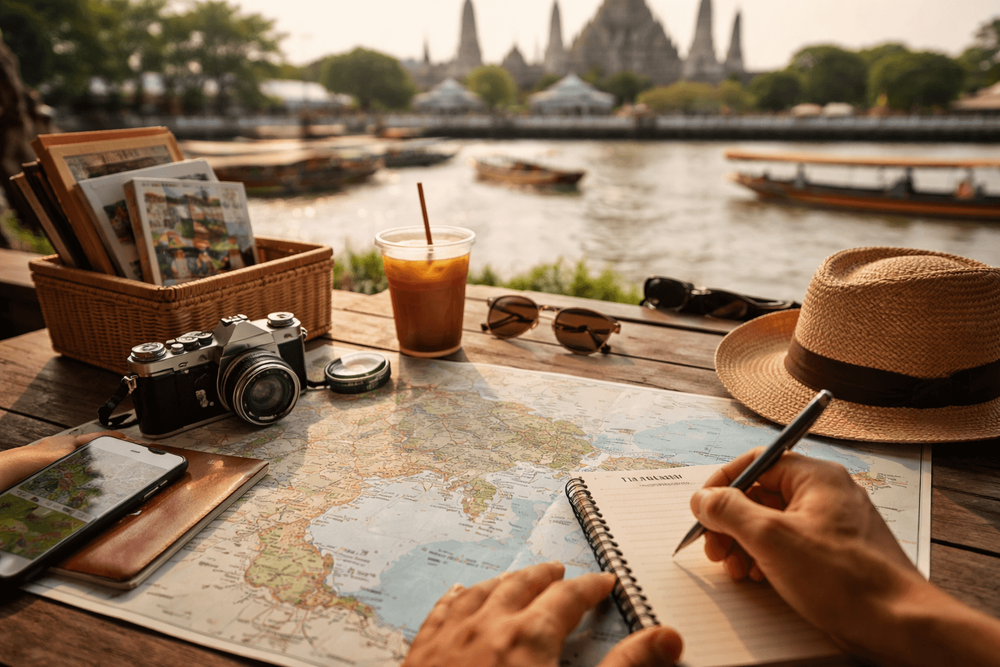
Thailand Trip Planner: How to Plan Your Thailand Itinerary, Cities, and Transport
Season, routes, cities, trains, ferries, budgets—here’s how we plan a Thailand trip that flows, with insider tips on Bangkok, Chiang Mai, Phuket, and beyond.
We’re face-deep in a bowl of ถังถังหม่าล่าทังحلال สาขาปัตตานี -瑭瑭麻辣汤 on Phra Athit Road, the steam fogging our glasses while a tuk-tuk coughs past and a river breeze sneaks in from the Chao Phraya. This is where a good Thailand trip planner really earns its keep—when the city hums, choices multiply, and you need a plan that lets you follow your nose without missing the good stuff.
Thailand Trip Planner: Core Essentials
Best time to visit
- Cool and dry (best overall): November–February. Mild heat, clear skies, peak crowds and prices. Great for the North (Chiang Mai, Pai) and Bangkok.
- Hot season: March–May. Bangkok turns into a wok—plan early sightseeing, afternoons by a pool, and AC salvation at 7‑Eleven. Songkran water fights splash mid‑April.
- Rainy/green season: roughly May–October. Downpours tend to come in heavy bursts; mornings can be bright. Fewer crowds, lusher landscapes, lower prices. The Andaman Coast (Phuket/Krabi) sees rougher seas Aug–Oct; the Gulf (Koh Samui/Koh Phangan/Koh Tao) often has better weather in July–Aug.
Festival watch:
- Songkran (Thai New Year): mid‑April, joyful chaos. Pack a dry bag.
- Loi Krathong/Yi Peng: usually Nov, lanterns, floating offerings, photogenic magic—book early in Chiang Mai.
Visa basics and entry
- Many nationalities get visa‑exempt entry for around 30 days; some can apply for an e‑visa or Visa on Arrival. Rules change—always check your embassy or an official Thai government source before you fly.
- Passport: We aim for at least six months’ validity and one empty page.
- Onward ticket: Sometimes checked. Have a proof of onward travel.
- Health: No routine vaccine checks at the border for most travelers; carry travel insurance and any prescriptions in original packaging.
Budget ranges (per person, per day)
- Shoestring: 1,000–1,500 THB (hostel dorm, street food, buses).
- Mid‑range sweet spot: 2,000–4,000 THB (nice guesthouse/hotel, a mix of street eats and sit‑down dinners, some flights).
- Comfort: 5,000+ THB (boutique stays, cocktails with skyline, private tours, frequent flights).
Typical costs:
- Street food plate (pad kra pao, pad thai): 50–90 THB
- Iced coffee: 40–80 THB
- Beer (big bottle at a shop): 60–90 THB; bar draft: 100–180 THB
- Hostel dorm: 250–600 THB; good guesthouse room: 800–1,500 THB; mid‑range hotel: 1,800–3,500 THB
- Domestic flight booked early: 1,000–3,000 THB
How long to stay
- 7 days: Pick 2 bases (Bangkok + one region).
- 10–12 days: Classic triangle (Bangkok, North, beach).
- 2 weeks: Two regions at a relaxed pace or three with a night train/flight.
- 3–4 weeks: North + South with side trips (Ayutthaya, Pai, islands).
For broader timing tips and where to go next, we keep this handy: Thailand Vacation Guide: Where to Go, When to Visit, and How to Plan Your Trip.
Popular Thailand Itinerary Ideas
First‑timer classic (10–14 days)
- Bangkok (3–4 nights): Old Town wander—Wat Phra Chetuphon Wimon Mangkhalaram Rajwaramahawihan at opening bell, river-hop on the Chao Phraya Express, golden sunset at the Golden Mount. Evenings on Soi Rambuttri when Khao San Road gets too thumpy.
- Chiang Mai (3–4 nights): Temples tucked in the moat-bound Old City, night markets, a cooking class, maybe a day trip to Doi Suthep or sticky waterfalls. Overnight train saves a hotel night and adds romance; a flight saves time.
- Beach time (4–6 nights): Andaman (Phuket/Krabi/Koh Lanta) Nov–Apr for clear seas and longtail hops; Gulf (Koh Samui/Koh Phangan/Koh Tao) is friendlier in summer months.
Beach seeker (7–12 days)
- West coast route (Nov–Apr): Fly to Phuket, transfer to Kata/Karon/Kamala, then ferry to Koh Phi Phi or Koh Lanta, finish around Railay for limestone cliffs and blue-hour paddles.
- Gulf route (year‑round contender): Fly to Koh Samui, ferry to Koh Phangan (skip the Full Moon chaos if that’s not your vibe), finish with snorkeling on Koh Tao.
City explorer (8–10 days)
- Bangkok deep dive (4–5 nights): BTS/MRT by day, Chinatown’s neon-and-noodles at night, Thonburi’s khlongs by longtail. Day trip to Ayutthaya for crumbling brick and banyan roots.
- Chiang Mai (3–4 nights): Coffee crawl in Nimman, temple oohs and ahhs in the Old City, street food at Chang Phuak Gate.
Culture‑first North (10–14 days)
- Sukhothai (1–2 nights): Cycle among ruins at golden hour.
- Chiang Mai (3–4 nights): Lanna history, craft villages.
- Chiang Rai (2–3 nights): White Temple spectacle, Black House moods, mountain loops.
- Pai (2–3 nights): Misty mornings, canyon sunsets, hot springs. Go slow; the road’s curvy.
Repeat‑visitor curveballs (12–16 days)
- Isaan loop: Ubon Ratchathani candle festival timing? Udon Thani for lakes, Khon Kaen food scene. Underrated, deeply Thai, barely any farang crowds.
- Trat islands: Koh Chang’s jungly spine, sleepier Koh Kood for gin-clear water.
- Deep South (when conditions allow): Trang’s quieter islands and powdery beaches.
If you’re sketching routes and weighing options, our big-picture overview helps fill the gaps: Thailand Trip: Ultimate Travel Guide for Planning Your Visit.
Regional Highlights to Compare
Bangkok
We’ll ride the BTS till our feet stop complaining, then dive into an alley where a wok snaps garlic into the night. The capital is temple spires, rooftop breezes, and noodle carts at 2 AM. Pros: world‑class food, easy transport, culture everywhere. Cons: heat, traffic, noise (embrace the sanuk). Base near a BTS/MRT line for sanity.
Don’t miss: Wat Pho at opening, a river ferry blast to Tha Tien, sunset at Wat Arun Ratchawararam Ratchawaramahawihan, and a late bowl of boat noodles off Phra Athit. Budget an afternoon at a pool or in gleefully arctic AC.
Chiang Mai
Moat-lined charm, mountain air, and Sundays that smell like grilled pork skewers. Temples tucked behind frangipani trees, night markets, gentle pace. Pros: cheaper than the islands, rich culture. Cons: smoky season hits late Feb–Apr; plan accordingly.
Pai
Up in Mae Hong Son’s hills, Pai is hammocks, hot springs, and scooter rambles. Pros: laid-back, sunset canyon views. Cons: 762 curves from Chiang Mai—bring motion meds.
Phuket
A whole island of choices: buzzy Patong, chilled Kamala, photogenic Old Town, boat trips to Phang Nga Bay. Pros: flights galore, beaches for every mood. Cons: big, busy, prices jump in peak.
Krabi (Ao Nang/Railay/Koh Lanta)
Limestone drama meets island-hopping ease. Railay’s karsts, Phi Phi’s day trips, laid‑back Lanta for families and couples. Pros: varied, great Nov–Apr seas. Cons: monsoon chop Aug–Oct.
Koh Samui, Koh Phangan, Koh Tao (Gulf)
Samui mixes resorts and waterfalls; Phangan swings from zen yoga to wild parties; Tao keeps the snorkel and dive scene humming. Pros: good summer weather windows. Cons: Full Moon crowds spike prices and ferries.
Sukhothai and Ayutthaya
Ancient capitals with brickwork that glows at sunrise. Cycle quietly through history, then reward yourself with khao soi.
Practical Logistics: Transport, SIM, Cash, Bookings
Getting between cities
- Domestic flights: Fast and often cheap. Bangkok has two airports—Suvarnabhumi (BKK) and Don Mueang (DMK). Expect 1,000–3,000 THB for advance fares on main routes (Bangkok–Chiang Mai, Bangkok–Krabi/Phuket). Book earlier for Nov–Feb.
- Trains: Scenic and social. Bangkok–Chiang Mai night train with air‑con sleepers (around 800–1,200 THB in 2nd class) is a classic. Day trains south to Surat Thani connect to ferries for the Gulf islands. Book popular sleepers 1–2 weeks out.
- Buses/minivans: Cost‑effective, dense network. VIP buses have bigger seats and onboard AC. Overnight routes save on a room. Keep valuables with you.
- Ferries: Gulf (Samui/Phangan/Tao) and Andaman (Phi Phi/Lanta) are well served. Choppier seas in monsoon shoulder months—pack seasickness meds.
Local transport
- BTS/MRT in Bangkok: clean, reliable, 6:00–midnight-ish. Fares typically 17–60 THB. Airport Rail Link connects BKK to downtown.
- Chao Phraya Express boat: The orange flag boat is a steal (about 15–20 THB). Breeze + skyline = yes.
- Metered taxis: Start at 35 THB; insist on the meter. If they refuse, hop out with a smile and a sawadee.
- Grab/Bolt: Handy in big cities, usually fair pricing.
- Tuk‑tuks: Negotiate upfront. Fun for short hops around the Old City; expect 60–200 THB depending on distance and your bargaining grin.
- Motorbike taxis: Orange vests on many corners. Quick in traffic, not for the faint‑hearted. Helmets always.
SIM cards and connectivity
- Tourist SIMs from AIS/True/DTAC are easy at the airport and 7‑Eleven. Expect 8–15 days of data for roughly 150–600 THB depending on speed/GB. eSIMs work great on newer phones—activate on Wi‑Fi before you leave your hotel.
Money matters
- ATMs often charge a 220–250 THB fee per withdrawal. Pull larger amounts less often, or bring a card that refunds ATM fees.
- Cash is king at markets; cards work fine at many hotels, malls, and nicer restaurants. Exchange booths in city centers can beat airport rates.
- Tipping isn’t mandatory; rounding up small change is appreciated. For great service at sit‑down places, 5–10% goes a long way.
Booking tips
- Peak season (Nov–Feb) and holiday periods (Christmas/New Year, Chinese New Year, Yi Peng) sell out—lock in flights and key stays early.
- Trains: Book sleepers early at stations or via official channels. Popular routes sell out days in advance.
- Ferries: In high season and around Full Moon in Koh Phangan, buy tickets a day or two ahead.
- For multi‑stop ideas (and when packages might beat piecemeal bookings), see: Thailand Vacation Packages: Best Ways to Book Multi-Stop Trips and Island Stays.
Insider Advice: Smarter Choices, Fewer Headaches
Pacing and route planning
- Don’t sprint. Two nights per stop means only one full day on the ground—use three when you can. Overnight trains or evening flights help, but don’t stack two travel days back‑to‑back.
- Pair regions with the season. Andaman for winter; Gulf for summer. If you’re locked into August, consider Samui/Phangan/Tao instead of Phuket/Krabi.
- Build “buffer days” after long‑hauls—Bangkok deserves them, and jet lag is real.
Where to stay (without naming names)
- Bangkok: Near a BTS/MRT station for cross‑town escapes; riverside for breezes; around Soi Rambuttri if you want Khao San energy without sleeping on top of a subwoofer.
- Chiang Mai: Old City for temples on foot; Nimman for cafes and co‑working.
- Islands: Stay walking distance to the beach you actually love; ferries and taxis can add up.
- Pai: In town for convenience or just outside for quiet and mountain views.
Food moves
- Street stalls with short menus and long lines win. Watch the wok—high heat and fast hands usually mean excellence.
- Spice scale: “Pet nit noi” gets you a little spicy; “mai pet” means not spicy, but Thai “not spicy” might still prickle your scalp. Embrace it with an iced tea.
- Allergies and dietary needs: Learn key phrases, show them on your phone, and stick to fresh‑cooked spots where you can see ingredients.
For packing the right light layers, temple clothes, and a sanity‑saving dry bag, we use this: Backpacker Packing List for Thailand.
Safety and scams
- Taxis: Meter on or move on. Avoid the “fixed price” ambush outside major sights.
- Grand Palace scam: If someone says it’s closed today, smile and keep walking—it rarely is.
- Tuk‑tuk “gem shop” tours: Unless you love overpriced trinkets, skip.
- Motorbikes: If you’ve never ridden, Thailand’s not the place to learn in traffic. If you do, wear a helmet and take photos of the bike at pickup.
- Water and heat: Electrolytes are your friend. Every 7‑Eleven has them, humming under fluorescent lights like a safe harbor.
Temples and etiquette
- Shoulders and knees covered at major wats (especially the Grand Palace). Sarongs for rent at many entrances.
- Shoes off when you see a pile by the door. Feet are considered unclean—don’t point them at Buddha images or people.
- The wai (palms together) is a lovely hello. As visitors, we return it when appropriate, with a gentle smile.
Money and value
- Price drift happens near big sights. Walk one block over and the pad thai often drops 30 THB and gains a handful of smoky wok hei.
- Happy hours on rooftop bars help dodge the markup. Or snag a riverside beer from a mom‑and‑pop and watch boats ferry monks and market-goers alike.
Connectivity and backups
- Screenshots of bookings, offline maps, and key addresses in Thai help when the signal dips on a ferry or in a concrete soi maze.
Building Your Thailand Trip Planner in Real Life
Start with season and length. Pick two regions that match the month you’re traveling. Anchor the route with Bangkok on either end for the flights and the fun. Drop in a night train where it adds flavor, a beach where it softens the edges, and a market where the mango sticky rice smells like a dare.
If you want a broader blueprint before you fine‑tune, bookmark this one too: Thailand Trip: Ultimate Travel Guide for Planning Your Visit.

When you land, we’ll be the ones ducking into a soi off Phra Athit for late boat noodles before climbing the Golden Mount for that amber Bangkok glow. Come find us—there’s a spare stool and a cold drink waiting.
Related Hotels & Places

ถังถังหม่าล่าทังحلال สาขาปัตตานี -瑭瑭麻辣汤
Restaurants
Halal DIY malatang in Pattani: pick meats, tofu and veg by the gram (from 39 THB/100g), simmered in aromatic Sichuan broth with adjustable heat. Simple, steamy, and popular for late lunch or dinner on Samakkhi Rd (Sai Kho).
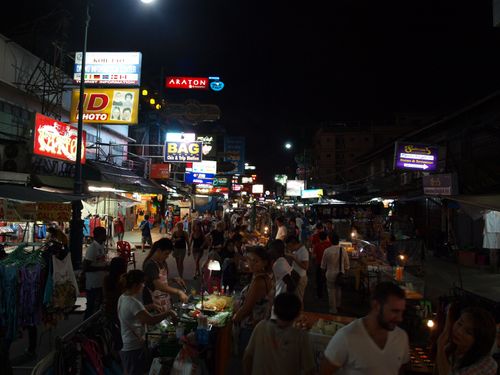
Khao San Road
Attractions
Bangkok’s backpacker carnival: curbside bars, live bands and DJs from 3pm–2am (midnight Sun). Street eats are cheap — pad thai 70–100 THB, mango sticky rice 60–100 THB. Come for wild people-watching; duck into Rambuttri for a calmer beer.
Wat Phra Chetuphon Wimon Mangkhalaram Rajwaramahawihan
Temples
Wat Arun Ratchawararam Ratchawaramahawihan
Temples