
Things to Do in Thailand: A Complete Travel Guide
From temples and street eats to islands and mountains—our insider guide to the best things to do in Thailand, with tips on seasons, transport, and budget.
We’re standing under a tangle of power lines on Phra Athit Road, sweat gathering at the base of our necks, watching a wok flare as basil and chilies hit hot oil. A tuk-tuk coughs by, a monk slips past in saffron, and the Chao Phraya Princess cruise office ferries thrum downriver. If you’re wondering about things to do in Thailand, this is where we start: on the street, where the country’s sound, spice, and sanuk (fun) feel immediate.
From Bangkok’s temple spires and night markets to the islands’ karst cliffs and the North’s cool mountains, Thailand rewards curiosity. We’ll steer clear of the worst tourist traps, keep it local when we can, and sprinkle in the practical bits—prices in baht, how to get around, and when the monsoon likes to crash the party.
Best Things to Do in Thailand
Temple-hop with respect (and a sense of wonder)
Bangkok’s old city—Rattanakosin—packs a week’s worth of temples into a few square kilometers. We duck into Wat Pho for the reclining Buddha and the scent of incense curling above gilded chedis (expect 200–300 THB entry). Cross the river by local ferry to Wat Arun at sunset when the prang glows pink, then wander lanes toward Thonburi’s quieter wats. In Chiang Mai, we climb the naga-flanked staircase at Wat Phra That Doi Suthep for mountain views and bells that tinkle in the breeze. Day-trip to Ayutthaya’s brick stupas by third-class train (20–60 THB) for the country’s former capital in cinematic ruin; if you’ve got more time, Sukhothai Historical Park sprawls airy and bicycle-friendly.
Dress with temples in mind—shoulders and knees covered, shoes off before you step inside, and leave the tank tops and beach shorts for later. A light scarf in your daypack saves the day. For more temple-specific gear, we keep a short list handy here: What to Pack for Thailand by Season: Hot, Rainy, and Cool-Weather Essentials.
Eat your way through street food and night markets
We follow our noses. Yaowarat Chinatown Heritage Center’s Yaowarat Road is a nightly parade of steam and neon—peppery boat noodles, grilled squid brushed with nam jim seafood, and mango sticky rice that tastes like sunshine. Around Kope Hya Tai Kee, Soi Rambuttri still hides proper pad kra pao and banana roti without the selfie-stick tax. Chiang Mai Night Bazaar fills with northern sausages (sai ua) and turmeric-stained khao soi; grab a stool, fan yourself with the menu, and embrace the sweat.
- Typical prices: 40–80 THB for noodles or rice, 10–20 THB per satay skewer, 50–100 THB for mango sticky rice.
- Tips: Join the longest line, watch food cooked to order, and chase spice with iced chrysanthemum tea. If your stomach gets cautious, duck into a 7-Eleven—the AC blast is a religious experience—and grab water or charcoal tablets.
Night markets are half the fun. We browse handicrafts up north, then rummage for vintage tees at Bangkok’s train-style markets. Jodd Fairs (Rama 9) scratches the snack-and-shop itch late into the night.
Island-hop and chase clear water
On the Andaman side, Krabi’s Railay cliffs look like movie backdrops; longtail boats rattle over jade water to beaches where hermit crabs doodle the sand. Phuket is the hub—with quieter corners in the south and jungle-fringed coves to the north—while Koh Lanta delivers hammock hours and family-friendly calm. Further south, Trang’s islands (Koh Mook, Koh Kradan, Koh Ngai) feel delightfully unhurried; time your swim through Emerald Cave for mid-tide sunbeams and fewer farang.
Across the Gulf, the trio of Koh Samui, Koh Phangan, and Koh Tao balances coconut groves with snorkel coves. Samui brings comfort and spa days; Phangan has mellow yoga bays and a monthly blowout if that’s your scene; Koh Tao turns divers into lifers. Shared longtail trips run 500–1,000 THB per person depending on stops; private boats cost more but bend to your whims.
- Ferry tickets: 300–800 THB depending on distance and operator.
- Remember the reef: No touching coral, skip the fins if you’re a newbie, and reef-safe sunscreen only.
Head north for mountains, coffee, and cool mornings
Chiang Mai’s old city is a grid of moat and monasteries; we caffeinate in leafy cafes and time our temple strolls for early morning or golden hour. Rent a motorbike (200–350 THB/day; license and helmet, always) and roll toward Doi Inthanon’s summit or the limestone peaks near Chiang Dao. The Mae Hong Son Loop bends through valleys perfumed with pine and campfire smoke. Up in Pai, bamboo bridges lead to rice fields and late-afternoon dips at Tha Pai hot springs.
Ethical elephant visits are possible—no riding, no bullhooks, limited numbers, and plenty of space. Quality sanctuaries don’t feel like petting zoos; expect 2,000–3,500 THB for half- to full-day programs. Multi-day treks with homestays (1,200–2,500 THB/day) are best with guides who prioritize community benefit and low impact.
Get hands-on with culture and wellness
- Learn to throw a wai (palms together, slight bow) and watch a masked khon dance if you find one on a temple stage.
- Catch Muay Thai under bright lights—Rajadamnern in Bangkok crackles with energy; locals yell into the bell as the scent of liniment hangs in the air.
- Take a cooking class (1,000–1,800 THB) and you’ll be pounding curry paste with a mortar by lunch.
- Book a traditional Thai massage after a day of temples. In local shops, 250–400 THB/hour is common; beach pavilions run 300–500 THB. Expect elbow-in-the-shoulder bliss and a satisfying stretch that turns you into a contented noodle.
Festivals worth planning for: Songkran (Thai New Year, April) turns cities into water fights—wrap your phone, wear a grin. Loy Krathong/ Yi Peng (usually November) lights rivers and skies with floats and lanterns; it’s magic, but go with an organizer who manages waste responsibly.
Ride the river and slip into the khlongs
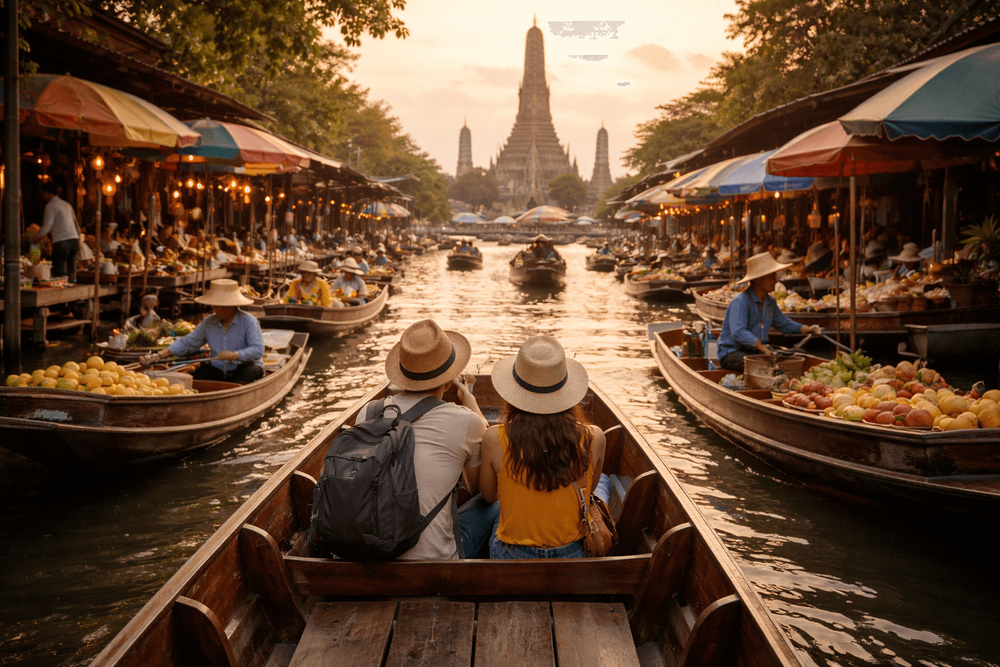
Bangkok’s best cheap tour is public transit on water. The Chao Phraya Express Boat connects the Grand Palace area to Sathorn pier for 16–32 THB—temples, markets, and ferries fanning out on both banks. We hop off at Tha Tien for Wat Pho, then cruise down to ICONSIAM if the AC calls. Smaller khlong boats in Thonburi thread through wooden stilt houses and pocket wats; go early when the light is soft and the water traffic sparse.
Make time for history and waterfalls
Kanchanaburi’s River Kwai bridges a heavy chapter of WWII. The railway museum, cemeteries, and a quiet moment by the tracks invite reflection; nearby, Erawan National Park’s seven-tiered waterfall is a jade stairway worth the hike (national park fees typically 200–300 THB for adults). Ayutthaya’s head of Buddha in Banyan roots is iconic, but the joy is in bicycling between temples and snack stands, ringing your bell at lazy soi dogs.
Add adrenaline where you crave it
- Rock climbing at Railay: beginner half-days start around 1,500–2,500 THB, with views that make your calves sing.
- Diving on Koh Tao: open-water courses hover 8,500–11,000 THB, with visibility that spoils you for life.
- Zip-lines in lush northern forests: expect 1,800–2,800 THB and more whoops than words.
How to Choose the Right Thailand Experiences
Different trips land differently. Mix and match:
- Backpacker on a budget (10–14 days): Bangkok street eats and temples (2–3 days), overnight train to Chiang Mai for markets and a trek (3–4 days), bus to Pai (2 days), fly south for Koh Lanta or Koh Phangan chill (4–5 days). Dorm beds 250–500 THB; street food all the way.
- Culture and cuisine lover (7–10 days): Bangkok’s Rattanakosin mornings, Chinatown nights; day-trip to Ayutthaya; Chiang Mai cooking class and temple art; one night on the river in Kanchanaburi. Midrange stays 1,200–2,500 THB, splurge on one chef’s tasting menu.
- Beach-first escape (5–9 days): Fly into Phuket or Samui, base in a quieter beach town, add one island-hop day, one massage day, and one hike or kayak. Aim for Nov–Apr on the Andaman; Jan–Aug on the Gulf.
- Family trip (8–12 days): Bangkok canal ride and kid-friendly museums, overnight at a riverside spot; then down to Koh Lanta or Samui for gentle water and easy logistics.
- Adventure seeker (10–12 days): Railay climbs, Krabi kayaks, night snorkel for bioluminescence if conditions allow; up north for mountain biking and a waterfall chase.
- Luxury without the markup (7–10 days): Boutique in Bangkok’s riverside lanes, private longtail to hidden beaches, spa day, and a quiet island like Koh Yao Noi. We love skyline views without the price tag—skip the touristy queues and find rooftop bars attached to midrange hotels on Sukhumvit sois.
If Bangkok is your anchor, we’ve got deeper picks here: Things to Do in Bangkok and our bigger-picture overview: Bangkok Things to Do: Top Attractions, Itineraries & Where to Stay.
When to Go: Weather Cheat Sheet
Thailand’s climate splits by coast and season.
- Cool and dry (best for most): Nov–Feb. Blue skies up north, smooth seas on the Andaman.
- Hot season: Mar–May. Bangkok simmers; schedule AC breaks, rooftop sunsets, and iced Thai tea.
- Rainy season: Generally May–Oct, with afternoon downpours and lush everything. Andaman (Phuket, Krabi) sees rougher seas Jun–Oct. The Gulf (Samui/Phangan/Tao) often shines mid-year but catches heavier rain Oct–Dec. Rain rarely cancels the day—plan mornings active, afternoons flexible.
Getting Around Thailand
- Flights: Domestic hops are fast and often 800–2,000 THB if booked early. Bangkok has two airports—Suvarnabhumi (BKK) and Don Mueang (DMK).
- Trains: Night trains are peak travel romance. Book a lower berth if you can; it’s cooler and wider. Bangkok–Chiang Mai runs 10–13 hours; fares vary by class.
- Buses and minivans: Inexpensive and everywhere. Wear a layer—the AC can be Arctic.
- Ferries and speedboats: Link mainland to islands; seas can be bumpy in monsoon—check forecasts.
- Urban transit: In Bangkok, the BTS Skytrain and MRT subway save sanity; fares 17–59 THB. The Chao Phraya Express Boat gets you to temples for the price of a snack.
- Taxis and ride-hailing: Insist on the meter or use Grab. Tuk-tuks are sanuk but agree on price first.
- Motorbikes: Only if you’re licensed and experienced; always wear a helmet. Police checks are common.
Money, Costs, and Etiquette
- Currency: Thai baht (THB). ATMs tack on a 200–250 THB fee; withdraw more at once or use cards where possible.
- Tipping: Not required, but rounding up or 20–50 THB for great service makes smiles.
- Dress and behavior: Shoulders/knees covered for temples; remove shoes at thresholds; don’t touch anyone’s head; don’t point your feet at monks, Buddhas, or people.
- Scams happen: The 20-THB tuk-tuk “temple tour” that ends at a gem shop? Smile, say mai ao khrap/ka (no thanks), and walk away. If a taxi won’t use the meter, take the next one or Grab.
- Health: Tap water isn’t for drinking; bottled or refill stations only. Sunscreen, mosquito repellent, and hand sanitizer earn their space.
If you’re building a bigger plan, we pulled together the building blocks here: Trip to Thailand: A Complete Travel Guide. For guided days that go deeper without the hassle, see Tours in Thailand: Best Ways to Explore Cities, Islands, Temples, and Adventure Trips.
Sample 10-Day Itinerary Ideas
Classic Buzz + Beach
- Day 1–3: Bangkok. Rattanakosin temples by river boat, Chinatown eats, Golden Mount at sunset, and a late wander down Soi Rambuttri.
- Day 4: Ayutthaya by train; evening train or flight north.
- Day 5–7: Chiang Mai. Cooking class, Doi Suthep sunrise, one-day trek or elephant sanctuary.
- Day 8–10: Fly to Krabi or Phuket. Longtail to Railay, a lazy beach day, and a mangrove kayak.
Gulf Island Slowdown
- Day 1–2: Bangkok highlights and night market snacks.
- Day 3–7: Koh Samui or Koh Phangan base with one boat-hop day.
- Day 8–10: Koh Tao for diving or snorkeling, cliff viewpoints, and pad thai at a beach shack that will ruin you for life.
Northern Loop
- Day 1–3: Chiang Mai old city, temples, cafes, night market.
- Day 4–6: Pai valley—waterfalls, hot springs, canyon sunset.
- Day 7–8: Mae Hong Son and Ban Rak Thai tea hills.
- Day 9–10: Back to Chiang Mai for massage and last-bowl-of-khao-soi syndrome.
Arrival and First-Night Tips
- Airports: From Suvarnabhumi (BKK), the Airport Rail Link whisks you to the city in ~30 minutes. Don Mueang (DMK) serves many domestic and regional flights.
- SIM cards: Easiest at the airport or 7-Eleven; eSIMs are widely available too.
- Cash flow: Keep a stash of 20s/50s for street food and ferries; bigger notes get side-eye at small stalls.
- First night: If you’re near Khao San, stretch your legs along Phra Athit and the river park, then slide into a neighborhood shophouse for your first curry. We’ll toast with a lime soda and pretend we’re immune to jet lag.
Packing Smart for Thailand
Think breathable layers, temple-appropriate cover-ups, sandals with grip, a light rain shell, and quick-dry everything. Power is 220V; most sockets take flat or round pins. Our packing deep-dives will save you from the “I wore jeans in April” mistake: What to Pack for Thailand: Backpacker Essentials, Nice-to-Haves, and What to Skip.

We’ll be the ones at the pier bargaining for a longtail, pockets full of coins for the boat fare, scouting the stall with the loudest sizzle. Find your rhythm here—tucked in a khlong, cruising a cliff-ringed bay, or pressed against a night-market grill—and we’ll meet you on Soi Rambuttri for mango sticky rice when you’re done comparing notes on your favorite things to do in Thailand.
Related Hotels & Places
Sukhothai Historical Park
Attractions
Sunrise by bicycle through 13th‑century ruins. Hit Wat Mahathat, island‑set Wat Sa Si, and the giant Buddha at Wat Si Chum. Gates 6:30am–7:30pm; bikes rent 30–50 THB (+small park fee). Go early or at golden hour; weekends draw Thai families and photographers.
Yaowarat Chinatown Heritage Center
Attractions
Inside Wat Traimit by Chinatown Gate, this tidy museum charts Yaowarat’s Chinese roots with bilingual displays, period photos and short films. Open Tue–Sun 8:30am–4:30pm; closed Mon. Pair it with the Golden Buddha upstairs.
Kope Hya Tai Kee
Cafes
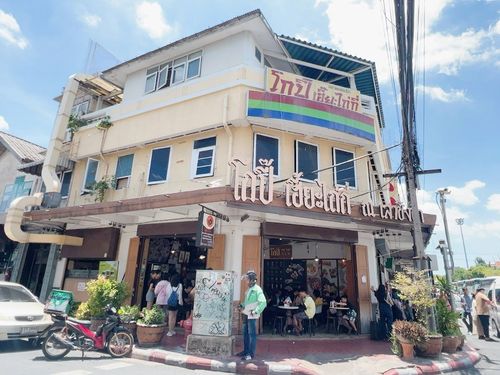
Historic Thai cafe by the Giant Swing.
Rambuttri
Markets
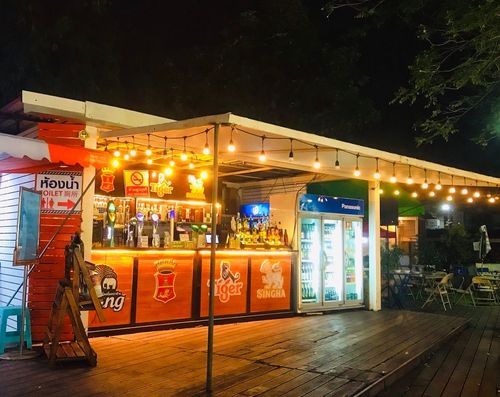
Khao San’s calmer cousin: a tree‑shaded lane of VW van cocktail bars, open‑air foot massages, pad thai grills, and easygoing live bands. Best from sunset to 11pm; beers 80–120 THB, cocktails 150–220 THB. One block from the chaos, all the charm.
Chiang Mai Night Bazaar
Markets
Chao Phraya Princess Cruise Office
Services
ICONSIAM Pier 2/4 ticket desk for Bangkok’s popular dinner cruise. Open 9am–8pm for bookings and boarding passes. Expect live band, a big Thai‑international buffet, and night views of Wat Arun and the Grand Palace. Prices often 1,200–1,900 THB.
ICONSIAM
Shops
Riverfront mega-mall with SOOKSIAM’s indoor floating market, an evening fountain show on the promenade, and a riverside Apple Store with terrace views. Easy boat hop from Saphan Taksin; snacks from 50 THB, open daily 10am–10pm.
ไขปริศนๅ พระเครื่อง Kanchanaburi.
Attractions