
Thailand Travel Guide
Insider Thailand travel guide with when to go, visas, budgets, must-see spots, scams to avoid, and local tips so you eat better and spend less.
We step off the Airport Link / ARL Ramkhamhaeng into Bangkok’s thrum and it hits us all at once: wok smoke curling up from a soi cart, the sweet rot of durian stinging our nose, the thump of bass bleeding out of a Khao San Road bar, a tuk-tuk buzzing past like a neon beetle. Thailand travel is a full-body experience — equal parts sanuk (fun), chaos, and grace — and if we do it right, we’ll eat better, spend less, and dodge the tourist traps while we’re at it.
Thailand Travel at a Glance: The Vibe by Region
Bangkok: Big city buzz, river breezes, and late-night noodles
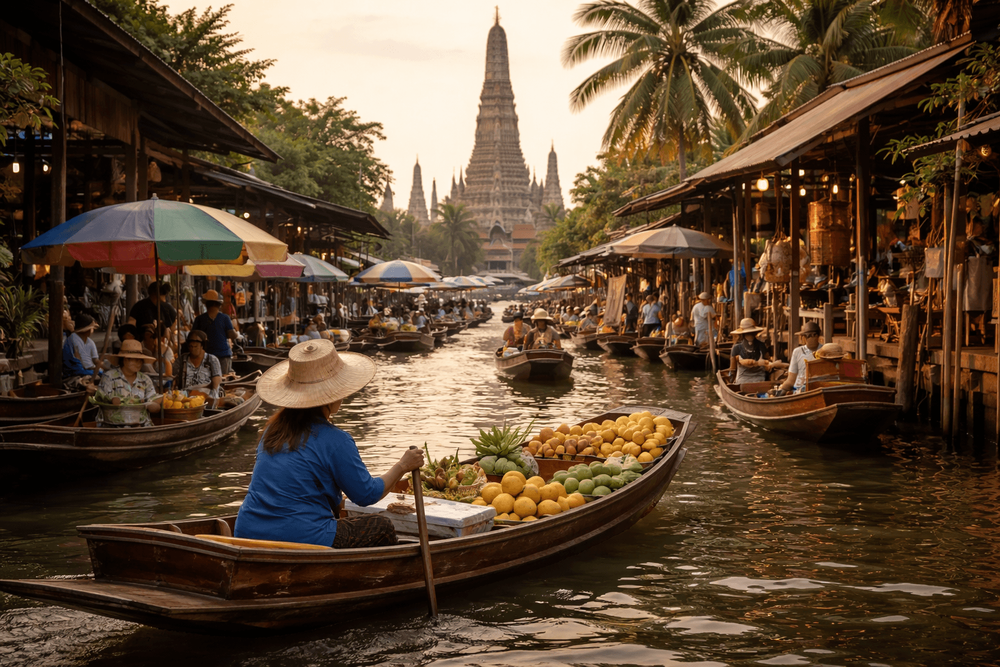
Bangkok is our energetic home base — temples by day, markets at dusk, street food at midnight. We’ll drift along the Chao Phraya on the orange-flag express boat (16–20 THB a ride), hop off for Wat Arun Ratchawararam Ratchawaramahawihan’s porcelain shimmer, then cross over for reclining-Buddha calm at Wat Phra Chetuphon Wimon Mangkhalaram Rajwaramahawihan. Come sunset, we graze Jodd Fairs for moo ping skewers and end up under fairy lights on Soi Rambuttri, that leafier cousin to Khao San. Rooftop bars are a thing here; some are worth the skyline, some are all markup. We tend to head for spots around Thonglor Suites Hotel and Ariyasomvilla Hotel rather than the famous, tour-bus rooftops — same sky, fewer farang crowds.
When we stay in the old town near Phra Athit Road, the river breeze takes the edge off the heat and we can stumble to boat noodles at 2 AM. If we need air-con convenience, we pick a crash pad along the BTS Sukhumvit Line for easy zips between malls, bars, and parks.
The North: Lanna culture, mountain air, slow mornings
Chiang Mai Night Bazaar feels like a long exhale — temple spires peeking over the moat, coffee roasters scenting the sois. We snack on khao soi (curried noodle soup with crunchy noodles on top), hike Doi Inthanon for cool air, and take slow nights at the Sunday Walking Street. Farther north, Chiang Rai Night Bazaar’s White Temple is an art fever dream. Westward, Pai does bamboo bungalows, hot springs, and sunset viewpoints. Elephant experiences abound — we stick to ethical sanctuaries (no riding, ever) and book direct.
The Islands & Coasts: Pick your beach personality
- Andaman Coast (Phuket, Krabi, Koh Lanta, Koh Lipe): Turquoise drama with limestone karsts that make your phone camera look pro. Phuket’s busy but has quiet corners (head north of Surin or south of Nai Harn); Krabi is your gateway to Railay’s cliffs; Koh Lanta is the mellow all-rounder; Koh Lipe is the postcard.
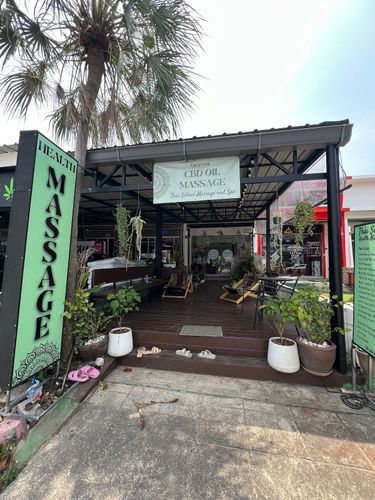
- Gulf of Thailand (Koh Samui Island Health Massage, Koh Koh Phangan Taxi, Koh Ko Tao Center - เกาะเต่าเซ็นเตอร์, Koh Chang Travel Light): Samui balances beach-chic and family-friendly; Phangan is more than Full Moon—there are quiet coves on the north; Tao is dive school central; Koh Chang gives jungle-meets-beach vibes with fewer crowds outside long weekends.
We usually aim for beach bungalows steps from the sand, fan room if the sea breeze is honest, air-con if April is cooking. On the Gulf, those wooden beach eateries still fire up late — cheap grilled squid, a Chang beer, and a pink sunset.
Isan and the East: Underrated, delicious, and genuine
Northeast Thailand keeps it real: sticky rice baskets, som tam that can melt your face (say “phet nit noi” for a little spice), temple festivals, and Mekong sunsets. We like Nong Khai for slow river afternoons and Khon Kaen for nightlife without the pretense. You’ll get smiles for trying a few Thai words out here and prices that remind you you’re not in a resort town.
The South Mainland: Jungle, lakes, and limestone
Khao Lak Lighthouse is Jurassic Park with kayak rentals: a glassy lake, karst towers, and floating bungalows creaking under the stars. It pairs perfectly with a beach week — a nature palate cleanser between coconut shakes.
Know Before You Go: Thailand Travel Basics
Best time to visit
- Cool/dry (Nov–Feb): Peak season, breezier temps. Book early; prices tick up.
- Hot (Mar–May): Bangkok bakes; the islands are still great if you chase shade and swims.
- Rainy (Jun–Oct): Short, heavy showers; fewer crowds and deals galore. The Andaman side sees rougher seas Aug–Oct; the Gulf (Samui/Phangan/Tao) tends to be drier mid-year but gets wetter Oct–Dec.
If you’re island-hopping, check each coast’s weather. We’ve had perfect Augusts on Koh Samui while Phuket got pounded, and vice versa in January.
Entry, visas, and paperwork
Most passports from Europe, North America, and parts of Asia get 30 days visa-exempt on arrival. Others can apply for a 60-day tourist visa in advance or get visa on arrival (shorter stay) depending on nationality. Rules change, so confirm with your nearest Thai embassy before you fly. Extensions (often 30 days) are typically possible at immigration offices for a fee (around 1,900 THB).
Carry proof of onward travel, a few nights’ accommodation, and enough funds. eSIMs/SIMs are easy at the airport (3–8 GB for a week ~200–300 THB; month plans ~350–600 THB). For a deeper planning overview, see Thailand-wide tips in our Thailand travel planning guide: Thailand Tour & Travel.
Money, daily costs, and what things really cost
- Street food meal: 40–80 THB (pad kra pao, boat noodles, moo ping + sticky rice)
- Local beer at 7-Eleven: 50–80 THB; in bars: 120–200 THB
- Coffee: 40–120 THB depending on cafe
- BTS/MRT ride: 16–59 THB; airport rail link: ~35–45 THB into town from Phaya Thai
- Grab/Taxi across central Bangkok: 120–250 THB (ask taxis to use the meter)
- Guesthouse/fan room: 400–800 THB upcountry, 600–1,000 THB in Bangkok
- Mid-range hotel: 1,500–3,000 THB
- Beach bungalow on smaller islands: 700–1,800 THB (season swings matter)
Backpacker budgets usually run 1,200–1,800 THB/day if you go heavy on street food and buses. Mid-range comfort lands around 2,500–4,000 THB/day. You can absolutely burn more on island cocktails and pool villas.
Before you zip the backpack, skim our updated essentials: Backpacker Packing List for Thailand. Solo women will find practical gear and safety notes here: What to Pack for Thailand as a Female Solo Traveler: Clothing, Safety Gear, and Comfort Essentials. For meds and paperwork, this checklist is gold: Smart Packing for Thailand: Medications, Toiletries, and Travel Documents Checklist.
Getting there and getting around
- Airports: Bangkok has two — Suvarnabhumi (BKK) for most long-hauls and Don Mueang (DMK) for low-cost carriers. The Airport Rail Link runs to Phaya Thai; MRT/BTS connect you onward. Phuket (HKT), Chiang Mai (CNX), and Krabi (KBV) make domestic hops easy.
- Trains: Comfortable and scenic. Overnight sleepers Bangkok–Chiang Mai or Bangkok–Surat Thani sell out; book ahead. Expect slower-than-Google times but better views.
- Buses and minibuses: Cheap and ubiquitous. Use official terminals; avoid random curbside touts.
- Ferries: Gulf islands run through Surat Thani/Chumphon; Andaman routes via Phuket/Krabi/Trang. Seas can be rough in monsoon.
- City transport: BTS/MRT in Bangkok are air-con blessings. Motorbike taxis are fastest for short hops (wear a helmet). Tuk-tuks are fun — agree on the fare upfront. Grab is your no-haggle friend.
- Scooters: 200–350 THB/day. You’ll need a proper motorcycle license for insurance to mean anything. Helmets on, always.
Safety, health, and the “it’s hot” reality
Thailand’s generally safe. Common sense goes far: watch your bag in crowds, pace your drinks, and don’t leave phones on cafe tables near the street. Heat and dehydration floor more travelers than crime — smash water, chase shade, and duck into 7-Eleven for that blessed AC blast. Mosquito repellent helps outside cities; consider travel insurance. Vaping is illegal, cannabis rules are evolving — avoid public use and follow local law. Dress modestly at temples (shoulders and knees covered), and remove shoes when asked.
Destinations and Experiences You Shouldn’t Miss
Bangkok in 48–72 hours
- Grand Palace and Wat Pho morning combo, then river-cross to Wat Arun. We go early to beat the sun and bus tours.
- Golden Mount for a golden hour climb and 360-degree city spread.
- Khlong boat ride through Thonburi’s back-canals for a quieter side of the city.
- Markets: Chatuchak (weekends) for everything, Or Tor Kor for pristine fruit, and a night market like Jodd Fairs for neon grazing.
- Food: Boat noodles at Victory Monument, Chinatown (Yaowarat) for seafood theatrics, Isan joints for som tam and grilled chicken.
- Nightlife: Khao San’s thump when we want messy fun, Soi Nana (Chinatown) for craft cocktails in shophouses, Thonglor/Ekkamai for late sleek hangs.
We usually stay near the river if we want temples and markets, or along Sukhumvit (Asok–Thonglor stretch) when we’re after nightlife and easy trains.
Beaches and islands sampler
- Phuket and Krabi: Use them as hubs for Phang Nga Bay, Phi Phi day trips, and Railay. Seek the lesser-known beaches or go early to the hits.
- Koh Lanta: Our go-to for balance — long beaches, chill sunsets, and family-run eateries.
- Koh Samui, Koh Phangan, Koh Tao: Tight trio with regular ferries. We time Phangan if we’re curious about Full Moon (book lodging well ahead) or steer to the quiet north.
- Koh Chang and the Trat archipelago: Bigger island energy with waterfalls and budget-friendly bungalows.
- Koh Lipe/Trang Islands: Smaller, farther, and photogenic. Seas are glassier outside monsoon.
On islands, we love those no-shoes beach restaurants and simple bungalows with a front-porch hammock. If it’s high season, we book ahead; shoulder season lets us stroll and bargain, politely.
Northern culture hits
Chiang Mai is temples by bicycle, khao soi crawls, and coffee in Nimman. Day trips reach sticky waterfalls and elephant sanctuaries (again, no riding). Chiang Rai gives us the White Temple’s mirror mosaics and the Black House’s moody wood. Pai pulls us in with canyon sunsets and lazy mornings. Up here we rent scooters if we’re confident and ride easy.
Food, markets, and nightlife
Thailand travel without food obsession? Couldn’t be us. We hunt:
- Som tam, laab, and grilled chicken from Isan stalls
- Moo ping and sticky rice for breakfast-on-the-go
- Tom yum goong with that lemongrass, galangal, lime trifecta
- Pad kra pao fired in a blistering wok, egg sunny side riding shotgun
- Mango sticky rice that turns us into poets
Markets are our playgrounds — try phrases like “sawadee krub/ka” and “khob khun krub/ka” and point with a smile. For nightlife, we mix ramshackle reggae shacks on the beach with sleek city bars. Hydrate, keep an eye on your tab, and save a 100-baht bill for the taxi home.
How to Travel Thailand Like a Local
Etiquette that matters
- Wai (palms together, small bow) when greeting elders or in formal settings; a smile works most everywhere.
- Shoes off before entering homes and many shops; never point your feet at people or Buddha images.
- Modest dress at temples — shoulders and knees covered. Sarongs are your friends.
- Quiet respect goes a long way in villages and at shrines. Drones and loud music are not the move.
Scams to sidestep (no stress, just savvy)
- “Temple is closed” gem-scam in Bangkok: it’s open, we promise. Walk away.
- Tuk-tuk tours that seem too cheap: they are — they’ll shuttle you to shops. If we want a tour, we agree on a realistic fare.
- Jet ski “damage” claims in some beach towns: only rent from reputable operators and photograph the hull.
- Taxi meters “broken”: we take Grab or insist on the meter; if they refuse, we find another.
Eat brilliantly on a budget
Go where the woks are loud and the plastic stools are full. Menus with pictures help; otherwise, order by pointing at ingredients. If a stall has one dish, even better — that’s probably the thing. Don’t fear spicy, just calibrate: “phet nit noi” (a little spicy), “mai phet” (not spicy). We carry pocket tissues, hand gel, and trust the turnover — busy stalls move food fast and fresh.
Cheap transport hacks
- Bangkok: Use the Chao Phraya Express for temple-hopping and the BTS/MRT for cross-town sanity. Avoid rush hours if you can.
- Chiang Mai: Red songthaews (shared trucks) do most routes for 30–50 THB inside town; grab a scooter only if you’re licensed and comfortable.
- Islands: Walk the beach road, flag songthaews, or rent scooters carefully. Night fares go up — we plan our last swim earlier if the budget is tight.
- Long-distance: Night trains and VIP buses save a hotel night. Book sleepers early in high season.
Turn Ideas into an Itinerary
7 days: City + beach
- Days 1–3: Bangkok. Temples (Wat Pho, Wat Arun, Grand Palace), street food in Chinatown, river rides, a rooftop night if we’re feeling fancy.
- Days 4–7: Fly to Krabi or Phuket. Base in Ao Nang or a quieter Phuket beach. Island-hop Phang Nga Bay or Railay, then finish with a lazy beach day. If flights are packed, the Koh Samui side plays nice this time of year if the weather’s kinder.
Who it suits: First-timers who want a taste of everything with max sunshine. We usually book a place near the river in Bangkok and a simple bungalow or mid-range hotel near the sand.
10 days: North + Bangkok
- Days 1–2: Bangkok hits, plus Golden Mount and a night market crawl.
- Days 3–6: Fly to Chiang Mai. Old City temples by bicycle, Doi Suthep at sunrise, khao soi pilgrimage. Day trip to sticky falls or elephant sanctuary.
- Days 7–8: Pai overnight for hot springs and canyon sunset, or Chiang Rai for White Temple and blue hues.
- Days 9–10: Back to Bangkok for shopping, a massage, and last-bowl-of-noodles mission.
Who it suits: Culture-hungry travelers, coffee lovers, and anyone who melts in beach heat.
14 days: Classic Thailand loop
- Days 1–3: Bangkok.
- Day 4: Overnight train to Surat Thani (or fly if you’re short on sleep).
- Days 5–10: Gulf islands — split between Koh Samui and Koh Phangan, or do Koh Tao if diving’s on the list.
- Days 11–14: Chiang Mai for temple time and markets, then home via Bangkok.
Who it suits: Balanced travelers wanting city flavor, island swims, and northern calm without rushing.
Off-beat add-ons
- Kanchanaburi: River Kwai history, Erawan Falls for teal pools.
- Sukhothai: Ruined-city cycling at golden hour.
- Isan loop: Udon Thani, Nong Khai, Khon Kaen — festivals, food, and far fewer farang.
- Khao Sok: Jungle nights on a raft bungalow between beach stints.
A Few Last Insider Moves
- Book the first night or two, then stay flexible — except during peak season and Full Moon weeks when we lock things early.
- We like to crash near Soi Rambuttri for old-town access on short Bangkok stays; for longer stints, somewhere along Sukhumvit’s BTS line saves time and sweat.
- Keep small bills for boats, market snacks, and songthaews. ATMs charge per withdrawal; we pull out more, less often.
- Respect is the secret sauce. Smile, slow down, and say “khob khun krub/ka.” Doors open.

We’ll meet you by the river, plastic bag of iced coffee sweating in our hand, ready to chase the next perfect bowl of boat noodles and ride the orange flag down to Wat Arun. Pack light, keep your curiosity up, and we’ll make this Thailand travel thing look easy.
Related Hotels & Places
Airport Link / ARL Ramkhamhaeng
Hotels
A 3-star hotel in Bangkok.
Khao San Road
Attractions
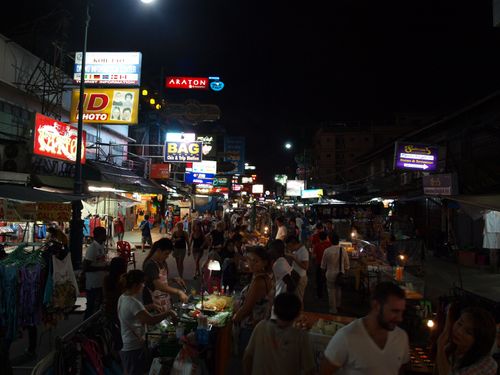
Bangkok’s backpacker carnival: curbside bars, live bands and DJs from 3pm–2am (midnight Sun). Street eats are cheap — pad thai 70–100 THB, mango sticky rice 60–100 THB. Come for wild people-watching; duck into Rambuttri for a calmer beer.
Wat Arun Ratchawararam Ratchawaramahawihan
Temples
Wat Phra Chetuphon Wimon Mangkhalaram Rajwaramahawihan
Temples

Thonglor Suites Hotel
Hotels
A 4-star hotel in Bangkok.

Ariyasomvilla Hotel
Hotels
A 4-star hotel in Bangkok.
Chiang Mai Night Bazaar
Markets
Chiang Rai Night Bazaar
Markets
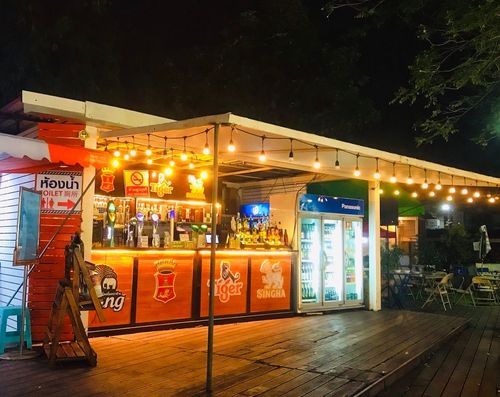
Live stage, cheap eats (30–80 THB), and local crafts a few steps from Bus Terminal 1. Chiang Rai’s easygoing night market runs nightly 6pm–11pm — grab a plastic chair, a cold beer, and watch traditional dance between bites.
Koh Samui Island Health Massage
Massage
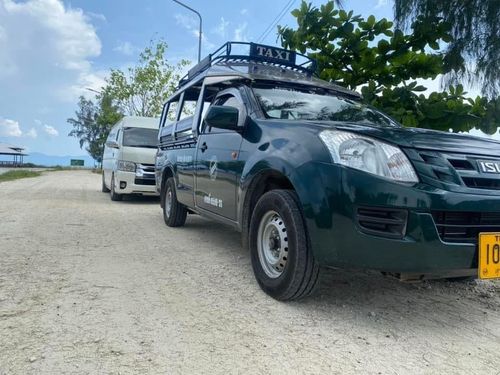
Koh Phangan Taxi
Services
24/7 island taxis on WhatsApp — shared songthaews for pier‑to‑beach hops, private vans for groups. Reliable even during Full Moon week. Bring cash and agree the fare before you ride.
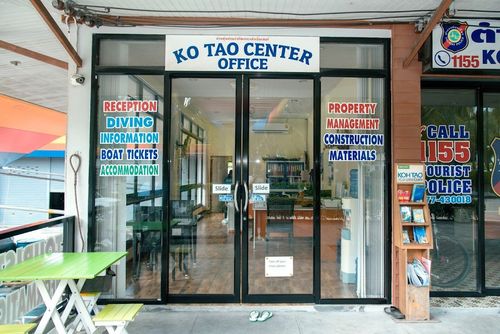
Ko Tao Center - เกาะเต่าเซ็นเตอร์
Shops
Koh Chang Travel Light
Services
Khao Lak Lighthouse
Attractions
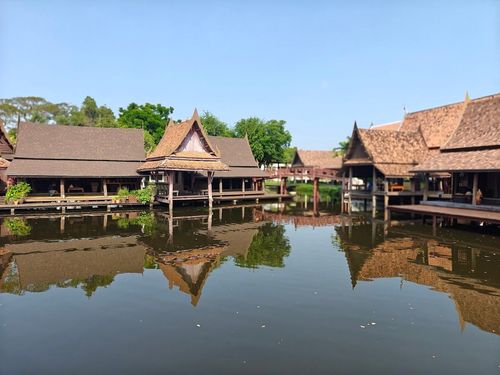
Thailand Tour & Travel
Services
A services near Khao San Road.
Koh Lipe
Attractions