Where to Find the Best Pad Thai in Bangkok: Khao San Road, Old Town, and Nearby Streets
On-the-ground guide to the best Pad Thai in Bangkok around Khao San, Old Town, and Chinatown—where to go, how to order, prices, and insider tips.
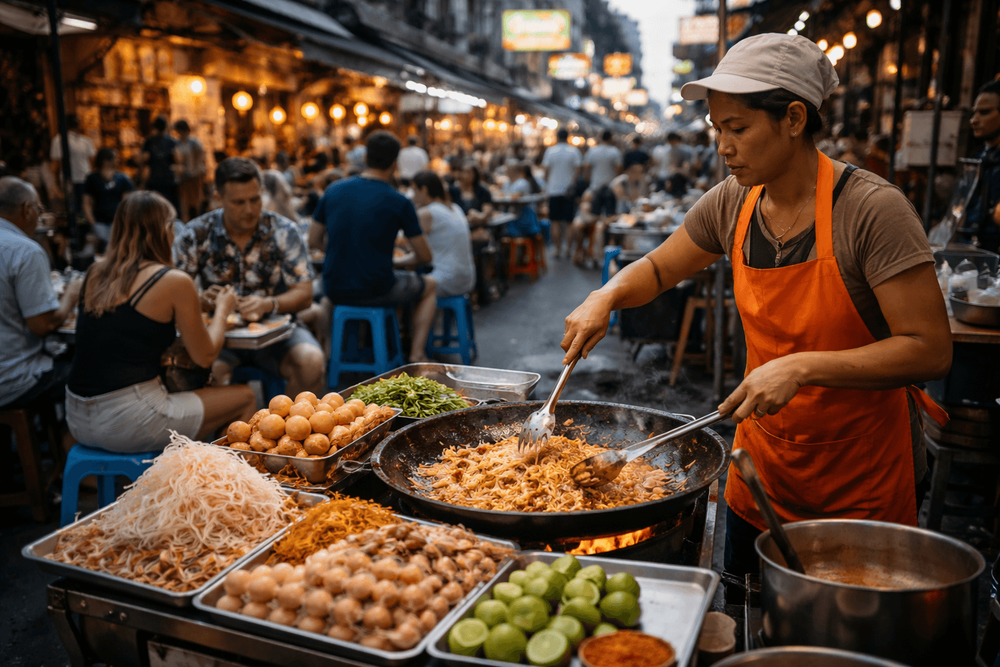
We’re shoulder-to-shoulder on Rambuttri, and the wok is screaming. Tamarind hits the oil, a puff of smoke kisses our faces, and a tangle of rice noodles goes from pale to glossy bronze in thirty seconds flat. If you’re hunting for the best Pad Thai Bangkok can throw at us, this is where we start—under neon, beneath banyan branches, one lime wedge from bliss.
What Makes Great Pad Thai in Bangkok
Pad Thai is Bangkok’s edible personality test. The best plates share a few tells:
- Wok hei: that smoky breath you catch when the cook tosses hard and hot. If you see blue flames licking the wok and hear a rhythmic clang, we’re in the right queue.
- Noodles with bite: rice sticks should be elastic, not mushy. Look for fast turnover—noodles cooked to order, not sitting in sauce.
- Balanced sauce: tamarind tang, palm sugar sweetness, fish sauce funk. The best Pad Thai in Bangkok doesn’t taste like ketchup or dessert.
- Texture play: crunch from beansprouts and peanuts, soft curds of egg, snappy garlic chives (gui chai), and maybe pickled radish popping through.
- Toppings that matter: dried shrimp for umami, fresh river prawns if we’re splurging, banana blossom and lime to cut through the richness. If you’re vegetarian, tofu plus extra garlic chives makes it sing.
Pro tip: In Bangkok, you’ll often season at the table with the krueng prung caddy—chili flakes, sugar, vinegar with chilies, and fish sauce. Start neutral, then dial in your bite or tang.
Best Pad Thai Bangkok: Khao San, Old Town, Chinatown
We’re keeping our compass near the river—Khao San Road, the Old Town’s tangle of heritage streets, and Chinatown’s neon canyon. The farang crowds ebb and flow, but the good woks keep firing.
Old Town Icons (a tuk-tuk from Khao San)
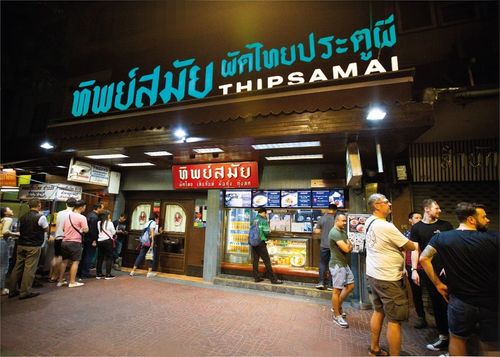
- Thipsamai, Maha Chai Road (Pratu Phi): The line snakes past orange signage and a glassed-in wok station where eggs get lacquered over noodles into that famous khai krob (egg wrap). Sauce leans tamarind-forward, the shrimp are plump when you pay for premium, and the banana blossom on the side is the cooling crunch we want. Expect queues at peak; we aim off-peak or treat the wait as part of the sanuk.
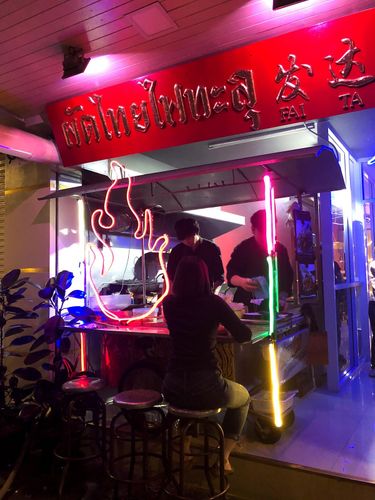
- Pad Thai Fai Ta Lu, Dinso Road (near Democracy Monument): A chef-driven take that still respects the street—smoky, intense, with better-than-average pork and crackling lard bits if you’re into it. Pricey by street standards, but the wok work is fierce and consistent. Good for when we want a seat and air-con nearby without losing the soul.
Both are a quick hop from Khao San—five to ten minutes by tuk-tuk if traffic isn’t snarling. If the driver tries a “special tour,” smile and insist: Dinso Road, or Maha Chai Road, near Wat Saket Ratchawora Mahawihan.
Khao San and Phra Athit Road: Late-Night Wok Action
- Soi Rambuttri curbside carts (from the roundabout to the temple end): After dark, carts flip woks right on the curb. We watch for stalls that pre-soak noodles but only toss to order, with flames high and a line of locals. Expect 70–120 THB depending on protein; shrimp bumps it up. It’s the kind of plate that tastes better sitting on a plastic stool with condensation running down a Leo.
- Phra Athit corner shophouses: Around the river-end of Phra Athit, a couple of family spots do a drier, less sweet Pad Thai. If you’re Pad Thai-curious but not into sugar bombs, we veer here. Look for metal trays of beansprouts and lime wedges you can grab by the handful.
Chinatown (Yaowarat Chinatown Heritage Center): After-10PM Heat
Chinatown is a thrum of woks and red-gold signage. You’ll find Pad Thai amid the oyster omelets and peppery noodles. The best move is to walk Yaowarat Road from the big neon gate towards Ratchawong Pier after 9:30 PM and follow your nose.
- Look for cast-iron woks and cooks who portion noodles by hand, not scooping from a pre-sauced pile.
- Stalls that add a spoon of crushed dried shrimp or pickled radish usually care about layers of flavor. If they ask “sweet?” or “no sweet?” and don’t blink at “vegetarian,” we stick around.
- Expect 60–120 THB; pay at the cart, sit on a stool, and let the chaos be the soundtrack.
If you want a sit-down upgrade nearby the river, cross to Charoen Krung for renovated shop-houses that plate Pad Thai on ceramics and serve craft drinks. It’s not always “the best,” but sometimes air-con and a chilled glass are the move.
Tip: The Chao Phraya Express Boat to Ratchawong Pier plus a five-minute walk drops us right inside the action. Or hop the MRT Blue Line to Wat Mangkon and emerge into the scent of garlic and smoke.
Styles, Sauces, and How to Order Without Getting a Sugar Crash
Bangkok does Pad Thai a few different ways. Here’s how we call our shot:
- Classic Pad Thai (Pad Thai Thammada): Balanced tamarind, palm sugar, fish sauce, egg, tofu, beansprouts, garlic chives, crushed peanuts. If you want less sweet, say “wan noi” (a little sweet) or “mai wan” (not sweet). Many cooks will oblige.
- Shrimp Pad Thai (Pad Thai Goong/Goong Sod): Fresh shrimp tossed at the end so they’re still juicy. Worth the upcharge if the prawns look good on ice.
- Wrapped-in-egg (Pad Thai Khai Krob/Khai Hor): The omelet seal keeps noodles steamy and gives an Instagram moment without ruining the texture if the cook’s got skills.
- Extra-smoky wok style: Shorter cook time at higher heat, a little drier, big on char notes. We like this with tofu and a shot of vinegar with chilies.
- Vegetarian/Vegan: Ask for “jay” (vegan Buddhist style: no egg, no fish sauce) or “mang-sawirat” (vegetarian). Many Old Town stalls will swap fish sauce for soy; confirm. If you want zero egg, say “mai sai khai.” For more plant-forward picks near Khao San, our guide to plant-based street eats helps you map the stalls that get it right: Bangkok Street Food for Vegetarians and Vegans Near Khao San Road.
Price guide (confirm locally):
- Street carts around Khao San/Old Town: roughly 60–120 THB
- Chinatown curbside: roughly 60–120 THB
- Name-brand Old Town restaurants: roughly 120–280+ THB depending on prawn size and egg wrap
How We Spot a Worthy Pad Thai Stall
- Flame game: If the fire is timid and the wok looks bored, keep walking.
- Portion flow: A steady line but fast hands at the wok. Noodles should hit the pan raw/soaked, not pre-fried and languishing.
- Condiment pride: Fresh wedges of lime, crunchy beansprouts, peanuts ground that day. Stale peanuts are a red flag.
- Locals eating: Uniforms at lunch, families at early dinner, taxi drivers late. A stall that feeds neighbors is rarely a miss.
- Transparent pricing: A simple signboard with Thai and Arabic numerals. If prices aren’t clear, ask first; if the vibe is shifty, bow out with a smile and a sawadee.
For first-timers nervous about ordering or hygiene, we walk you through it here: Bangkok Street Food for First-Time Visitors: A Practical Guide to Ordering, Hygiene, and Must-Try Classics.
Khao San and Old Town: Our Go-To Pad Thai Crawl
We like to start around sunset when the heat backs off and the streets turn cinematic.
- Golden hour at the Golden Mount (Wat Saket), then drift down Maha Chai Road toward the orange glow of Old Town pad thai institutions. If the queues are long, grab a bottled sugarcane juice and people-watch; the line moves.
- Hail a quick tuk-tuk to Democracy Monument, then wander Dinso Road for a wok with swagger and a seat. If it’s busy, put our name down and duck into a 7-Eleven for a blast of AC.
- Finish on Phra Athit Road by the river with a stool-side plate that’s drier and less sweet. The night breeze off the Chao Phraya is free.
If we’re still hungry, we pivot to a peppery bowl of boat noodles on Phra Sumen Fort or a late bite of pad kra pao nearby—our spicy-stir-fry map is here: Where to Find the Best Pad Kra Pao in Bangkok: Khao San Road, Old Town, and Late-Night Local Stalls.
Chinatown After-Hours: The Neon Noodle Run
- MRT to Wat Mangkon drops us under Yaowarat. We surface to sizzling oyster omelets, old-school Chinese sweets, and woks flaring Pad Thai behind Plexiglas shields.
- We keep it simple: spot a wok, watch one order, then commit. If the plate lands glossy, noodles springy, and sauce tangy—not soupy—we sit. If it’s too sweet, cut with extra lime and vinegar from the caddy.
- Cap the night with a roasted chestnut cone or a herbal drink and call a Grab back to the Old Town breeze.
If you’re managing allergies or dietary restrictions, this explainer helps you order clearly and safely at busy stalls: Bangkok Street Food for Travelers with Allergies: What to Order, What to Avoid, and How to Ask for Changes.
Practicalities: Hours, Queues, and Heat Management
- Opening hours: Many famous Old Town spots lean evening-late night, while curbside carts on Rambuttri and Yaowarat pop up after sunset. Daytime shophouses serve lunch; exact hours change with the weather and the owner’s mood. Confirm locally.
- Queues: Expect 15–45 minutes at the big-name places after 6:30 PM. We go early, go late, or grab a number and snack on fruit while we wait.
- Prices: See the ranges above; premium prawns and egg wraps cost more. Cash is king on the curb. Shophouses may take QR or cards with a small fee.
- Heat: Bangkok’s humidity is the invisible chili. We dress light, hydrate, and embrace the 7-Eleven AC blasts between stops. A small packet of tissues and wet wipes makes street eating smoother. If you’re building your food-crawl kit, this list nails the basics: Backpacker Packing List for Thailand’s Bangkok Street Food Trip: Napkins, Wet Wipes, Water Bottle, and Small Comforts.
Who Should Order What
- You want the classic: Ask for Pad Thai thammada, medium sweet (“wan noi”), extra lime, peanuts on the side if you’re picky about crunch.
- You love seafood: Goong sod (fresh shrimp) or goong mae nam (river prawn) when you see good stock on ice. If the prawns look tired, switch to tofu and dried shrimp.
- You’re vegetarian/vegan: Say “jay,” no egg (“mai sai khai”), no fish sauce (“mai sai nam pla”), soy sauce OK. Plenty of Old Town and Chinatown spots will oblige; for more plant-forward options near Khao San, hit our guide above.
- You want it less sweet: “Mai wan.” Some cooks will grin and toss in extra tamarind instead.
- You can’t take heat: Ask for “mai phet” (not spicy) and taste before adding chili flakes from the caddy. If you need a full playbook on keeping spice chill, skim this: Bangkok Street Food by Spice Level: Mild Dishes, Safe Picks, and How to Ask for Less Heat.
Getting There
- From Khao San to Old Town pad thai hotspots: Walk 15–20 minutes to Maha Chai Road and Dinso Road, or take a 5–10 minute tuk-tuk (agree a fare before riding, or ask for the meter in a taxi).
- To Chinatown: MRT Blue Line to Wat Mangkon; or Chao Phraya Express Boat to Ratchawong Pier, then a short walk under the lights. The orange-flag boat is cheap and fast; last boats wind down around 7–8 PM, so check the timetable at the pier.
- Night transport: Metered taxis and Grab work well after 10 PM. Traffic on Yaowarat can crawl; sometimes it’s faster to walk to a side street and hail from there.
Where We Crash Between Plates
We stick to bases that keep us within fork’s reach of Khao San and the river—Soi Rambuttri for the chill, Phra Athit for the breeze, or the Old Town for easy tuk-tuk hops to Maha Chai and Dinso. If we’re planning late nights in Chinatown, staying near the MRT Blue Line makes our ride home painless. If you need a broader city primer while you sort neighborhoods, start here: Bangkok.
Quick Plan
- Day 1: Khao San → Old Town (2–3 km walking; 30–40 min total on foot). Key stops: sunset at Golden Mount, Pad Thai on Maha Chai Road. Overnight base: Old Town/Khao San area.
- Day 2: Old Town → Chinatown/Yaowarat (3–4 km; 15 min by MRT or 10–20 min by taxi off-peak). Key stops: Wat Mangkon station wander, neon-night Pad Thai crawl. Overnight base: near MRT Blue Line or riverside.
- Day 3: Phra Athit/Rambuttri loop (1–2 km; easy walk). Key stops: river breeze on Phra Athit, curbside Pad Thai that’s drier/less sweet. Overnight base: Phra Athit/Rambuttri.
ASCII route map: Khao San/Phra Athit → Maha Chai/Dinso → Yaowarat
Costs at a Glance (THB)
- Fuel (if driving): roughly 35–45 THB/liter. Segments in the Old Town/Chinatown triangle are short (2–5 km); fuel per hop is roughly 10–40 THB. Tolls: none for these inner-city hops. Parking: 20–60 THB/hour at private lots; street parking is limited—confirm locally.
- Public transport: MRT rides roughly 16–42 THB per leg; Chao Phraya Express Boat orange flag roughly 16–20 THB per ride; tuk-tuk and taxis vary—agree a fare for tuk-tuks; ask taxis for meter.
- Attractions (optional add-ons): Golden Mount roughly 50–200 THB, depending on status/changes; confirm locally. No fees for walking the neighborhoods.
- Street food: Pad Thai roughly 60–120 THB at curbside carts; 120–280+ THB at sit-down spots, depending on prawns and egg wrap.
Last checked: Sep 2026
Booking Pathways
- Car rental: Compare rental deals at https://www.rentalcars.com/ (useful only if you’re road-tripping beyond Bangkok; not needed for this crawl).
- Hotels: Browse Bangkok stays with flexible filters at https://www.booking.com/city/th/bangkok.en-gb.html (pick Old Town/Khao San or near MRT Blue Line for easy late-night returns).
- Attraction tickets: Check current Bangkok ticket options (Grand Palace, river cruises) at https://www.klook.com/en-TH/city/1-bangkok-things-to-do/ to bundle and skip lines where possible.
Verification
- We’ve provided price ranges and avoided exact opening hours because Bangkok street food shifts with seasons, supply, and owners. Use on-site signboards and ask staff to confirm.
- For dietary changes (vegetarian/jay, no fish sauce, no egg), confirm verbally at the stall. If communication is tricky, show the phrase on your phone and point to the ingredient.
- Transport costs fluctuate with fuel and traffic; MRT/boat fares are posted at stations/piers.
Walk slow, sniff for smoke, and don’t be shy with the lime wedge. Tonight, we chase one more wok flare on Phra Athit and call it a perfect Bangkok kind of full.

EVAL_DATA: {"quick_plan": true, "costs_block": true, "booking_pathways": true, "verification_block": true, "ascii_map": true}
Related Hotels & Places
Thipsamai Padthai Pratoopee
Restaurants
Pad Thai Fai Ta Lu (Dinso Rd)
Restaurants
Famous pad thai spot on Dinso Road.
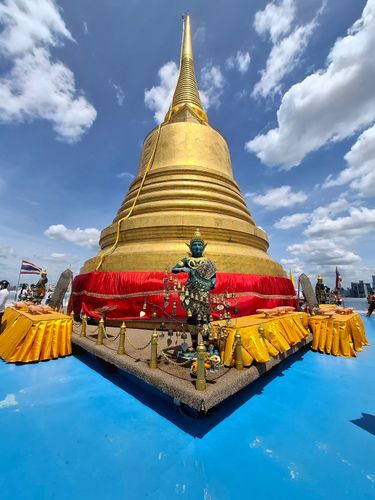
Wat Saket Ratchawora Mahawihan
Temples
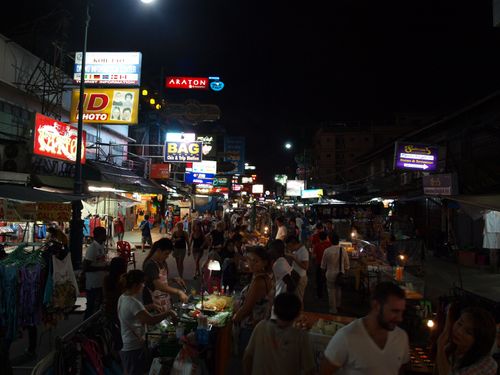
Khao San Road
Attractions
Bangkok’s backpacker carnival: curbside bars, live bands and DJs from 3pm–2am (midnight Sun). Street eats are cheap — pad thai 70–100 THB, mango sticky rice 60–100 THB. Come for wild people-watching; duck into Rambuttri for a calmer beer.
Rambuttri
Markets
Khao San’s calmer cousin: a tree‑shaded lane of VW van cocktail bars, open‑air foot massages, pad thai grills, and easygoing live bands. Best from sunset to 11pm; beers 80–120 THB, cocktails 150–220 THB. One block from the chaos, all the charm.
Yaowarat Chinatown Heritage Center
Attractions
Inside Wat Traimit by Chinatown Gate, this tidy museum charts Yaowarat’s Chinese roots with bilingual displays, period photos and short films. Open Tue–Sun 8:30am–4:30pm; closed Mon. Pair it with the Golden Buddha upstairs.
Phra Sumen Fort
Attractions
1783 riverfront fort on Phra Athit with white battlements, park breezes, and killer sunset views over Rama VIII Bridge. Free entry; best from 5–7pm before the gates close at 9pm.
Recommended Products
More Khao San Road Guides
- Where to Find the Best Pad Kra Pao in Bangkok: Khao San Road, Old Town, and Late-Night Local Stalls
- Bangkok Street Food Guide to Iconic Dishes: Where to Find Pad Thai, Boat Noodles, and Mango Sticky Rice Near Khao San Road
- Where to Find Authentic Bangkok Street Food Near Khao San Road Without the Tourist Markup
- Bangkok Street Food for First-Timers: Must-Try Dishes Near Khao San Road and How to Spot the Real Version