
Best Street Food in Yaowarat for First-Time Visitors: What to Eat, When to Go, and How to Plan the Night
Our first-timer’s Yaowarat street food guide: what to eat, when to go, how to navigate, and the easiest routes to Bangkok’s neon-lit Chinatown feast.
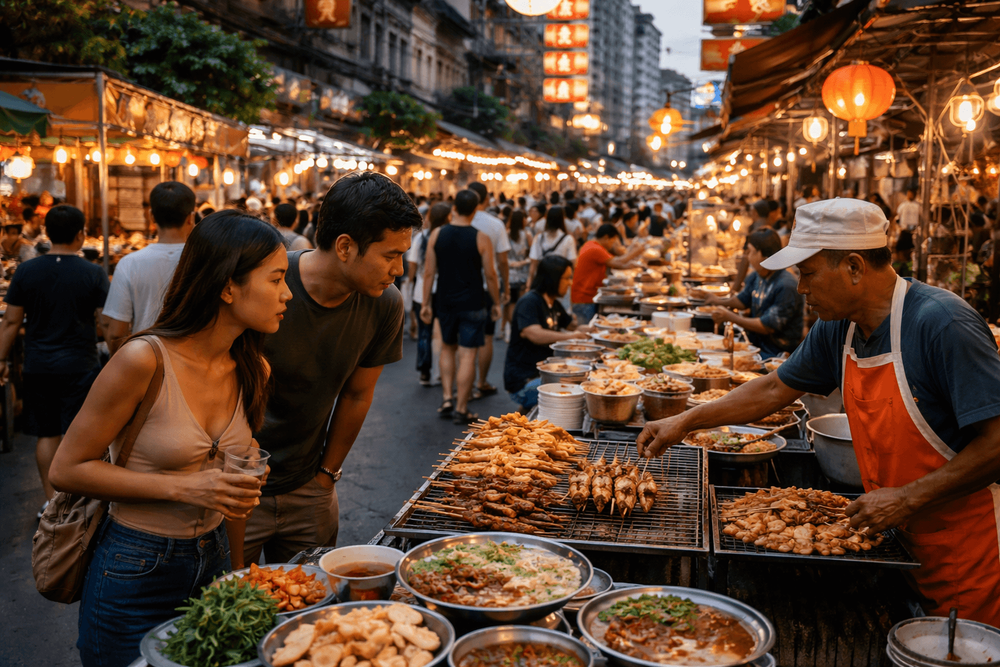
We duck off Charoen Krung into Yaowarat Road and the city changes channels. Neon dragons crackle overhead. Woks roar, garlic hits hot oil, and someone shouts “chai yen!” as a bag of Thai iced tea is tied tight and handed across the crowd. This is where Bangkok comes to snack and strut, and if you’ve been hunting for a yaowarat street food guide that speaks to first-timers without coddling the sanuk out of it, we’re walking you straight into the heat.
Why Yaowarat Belongs on Your First-Night Hit List
Yaowarat is Bangkok’s Chinatown—dense, hectic, and delicious. It’s a street-food campus with extra credit in seafood, Chinese-Thai classics, and sugary late-night desserts. The main drag (Yaowarat Rd) booms most evenings, but the real magic spills into the sois—Plaeng Nam, Soi Texas (Phadung Dao), Soi Nana (the Chinatown one, not Sukhumvit), and the alleys strung between Wat Mangkon Kamalawat (Wat Leng Noei Yi) and Ratchawong Pier.
It’s a must because:
- Range: from peppery rolled noodles to buttery charcoal-roasted chestnuts and just-shucked oysters.
- Spectacle: the evening atmosphere is a living movie—tuk-tuks honking, aunties wielding cleavers, incense drifting from Wat Mangkon.
- Access: MRT Wat Mangkon drops us two minutes from the feast; the Chao Phraya Express Boat lands us at Ratchawong Pier with a river breeze still on our shirt.
We’ve eaten our way down Yaowarat more times than a farang should admit. Here’s how to do it right the first time.
Your Yaowarat Street Food Guide: What to Eat First
Think of this as a greatest-hits set. Prices are typical safe ranges for street stalls—confirm locally if something looks fancy or weighed by the gram.
Noodles and Woks That Fling You Awake
- Guay jub (rolled rice noodles in peppery broth): Slippery curls, five-spice belly pork, and a broth that slaps your sinuses awake. 50–120 THB depending on size and toppings.
- Rad na or pad see ew: Wide noodles kissed by a smoking wok, glossy gravy (rad na) or soy-sweet stir-fry (pad see ew). 50–100 THB.
- Hoy tod (oyster omelet): Crispy-edged starch, soft egg, oysters or mussels, and a splash of chili vinegar. 100–200 THB.
- Khao pad crab (crab fried rice): Big wok, big fire, fat crab flakes. 80–200 THB depending on crab generosity.
For a broader primer on street classics before we dive in, skim Best Thai Street Food Dishes to Try in Bangkok (/articles/best-thai-street-food-dishes-bangkok-first-timers-guide) so you can order with confidence when the wok smoke starts to sting your eyes.
Seafood That Earns the Queue
Seafood is a Yaowarat calling card, and the lines tell the story. Two ground rules: confirm the price per dish (not per 100g) and expect a short wait.
- Grilled river prawns: Split, charred, and dunked in seafood nam jim (lime, chili, garlic). 250–600 THB depending on size.
- Stir-fried crab with curry powder: Yellow, rich, and shamelessly messy. 250–600 THB.
- Scallops with garlic butter: Hotplate sizzle plus crispy garlic—simple and perfect. 120–300 THB.
Pro tip: If someone waves a laminated photo menu at you and can’t clearly state a dish price, wai politely and slide away.
Buns, Dumplings, and Things in Steamers
- Salapao (bao): Pork, red bean, or custard buns steaming in bamboo towers. 20–40 THB.
- Kanom gui chai (chive cakes): Pan-crisped, chewy inside, dipped in sweet soy with chili. 20–35 THB a piece.
- Dim sum baskets: Prawn siu mai, pork dumplings—basic, comforting, and quick. 30–80 THB a basket.
Sweets You Didn’t Know You Needed
- Pa thong ko (Chinese donuts) with sangkhaya (pandan custard): Golden, airy, and destined for sticky fingers. 20–50 THB.
- Roasted chestnuts: The sweet, nutty fog you smell half a block away—watch the vendor flip them in black sand. 50–120 THB a bag.
- Bua loy (glutinous rice balls in warm coconut milk): A little bowl of comfort when the night cools. 30–60 THB.
- Mango sticky rice (seasonal): Tourist cliché? Maybe. Still essential. 60–120 THB.
Drinks to Carry Between Bites
- Cha yen (Thai iced tea) or olieng (Thai iced coffee): Sweet, strong, bagged with a loop of red string. 25–50 THB.
- Liang cha (herbal tea): Bitter-cooling and oddly addictive; great for seafood nights. 20–40 THB.
- Fresh sugarcane juice or chrysanthemum tea: Night-market lifesavers. 25–50 THB.
If you want stall-by-stall ideas after you read this planning-focused take, we keep a handy Where to Eat Street Food in Yaowarat (/articles/yaowarat-street-food-guide) with specific picks you can cross-reference once you’re on the sidewalk.
When to Go: Timing Your Chinatown Feast
- 5:00–7:00 pm: Sweet spot for families and anyone who hates queuing. Stalls are firing up; the neon is just starting to blush. You’ll catch seats more easily.
- 7:00–9:30 pm: Peak energy. Music, motorbikes, and full-blast woks. Expect lines for famous seafood, dessert, and guay jub. Worth it if you’re riding the buzz.
- After 10:00 pm: Things thin but don’t die. Perfect for a second dinner and a slower stroll.
- Weeknights vs weekends: Fridays and Saturdays are a crush; weekdays are sanuk without the rugby scrum.
- Rainy nights: Bring a poncho; covered stalls will keep cooking. The reflections on the wet asphalt hit different.
- Festivals: Chinese New Year and Vegetarian Festival send crowds into orbit—dramatic and gorgeous, but plan for slow walking and long waits.
Getting There Without Melting
- MRT: Blue Line to Wat Mangkon (Exit 1 or 2). You’ll pop out into the action; we usually start at Plaeng Nam and zigzag toward the Odeon Gate.
- Boat: Chao Phraya Express Boat to Ratchawong Pier. Walk straight up Ratchawong Rd to Yaowarat and let the glow pull us in.
- Taxi/Grab: From Old Town or Sukhumvit, traffic can snarl around 6–8 pm. Have your drop pin set to Wat Mangkon or the Odeon Gate and walk the last few minutes.
- BTS: Ride to Saphan Taksin, change to the boat at Sathorn Pier, then up to Ratchawong if you like a river pre-game.
We skip tuk-tuks for this run unless we’re hopping short distances between sois—agree on the fare first, smile, and hold on.
How to Navigate, What’s Fair to Pay, and Staying Safe
First-timer jitters are normal. Here’s how we keep it tasty and low-stress.
Read the Street Like a Local
- Follow the crowd: A queue usually signals fresh turnover and a dish worth the wait.
- Side-soi gold: Don’t cling to the main drag. Plaeng Nam and Soi Texas hit hard for noodles and grills.
- One-way rhythm: Yaowarat Rd runs one-way west to east in this stretch—cross safely at lights and take your time.
Hygiene Without Killing the Vibe
- Look for hot-holding: Soups at a steady boil, grills with active flames, and food cooked to order reduce risk.
- Clean hands: Vendors handling money and food should switch utensils or gloves.
- Plates and water: If dishwashing happens in a bucket, watch for a rinse in clean water, not just the suds bath.
- Ice: Clear cubes from a clean cooler are fine; cracked ice from the gutter is a no.
We’ve got a full Bangkok Street Food Hygiene Guide: How to Spot Clean Stalls and Eat Safely Without Killing the Experience (/articles/bangkok-street-food-hygiene-guide) if you want a deeper dive before you fly.
What’s a Fair Price?
- Noodles and rice plates: 50–120 THB.
- Seafood plates (set price): 120–600 THB.
- Fruit, buns, and snacks: 20–60 THB.
- Drinks: 20–60 THB.
If seafood is priced by the 100g, we ask the vendor to estimate a total for the specific plate before ordering. Smile, clarify, no surprises.
Payment and Practicalities
- Cash is king: Bring small bills and coins. Some vendors have PromptPay QR, but not all.
- ATMs and 7-Eleven: Everywhere along Yaowarat and Charoen Krung—plus that blessed blast of AC if you need to reset.
- Shoes and clothes: Closed-toe shoes and light fabrics. Bangkok heat plus wok zones equals sweat.
- Keep moving: Eat standing, share plates, and graze. A slow roll beats a sit-down slog.
Common Pitfalls (and How We Dodge Them)
- Menu touts for birds’ nest or shark fin: If it’s not your thing, just keep walking.
- “Special” prices for farang: Politely confirm price up front; most vendors are straight shooters.
- Over-ordering: The night is long. Two bites here, three there—don’t marry the first stall.
If it’s your maiden street-food voyage, our Bangkok Street Food for First-Time Visitors: What to Order, How to Eat, and Where to Go Beyond Khao San Road (/articles/bangkok-street-food-for-first-timers) is a good pre-game read.
A Simple Walking Route That Just Works
- Start: Wat Trai Mit Witthayaram Worawihan (Golden Buddha) near Hua Lamphong if you want a pre-dinner temple moment. Then glide under the Odeon Gate onto Yaowarat.
- First bites: Scan for pa thong ko and liang cha near the gate; we like opening light and sweet.
- Dive the sois: Cut into Plaeng Nam for guay jub and chive cakes; drift back to Yaowarat for crab fried rice and scallops.
- Dessert lane: Look for roasted chestnuts and sesame balls while you angle toward Soi Texas for oysters or a final noodle hit.
- Nightcap: If you’re still buzzing, amble to Soi Nana (Chinatown) for a low-lit drink, or roll down to Ratchawong Pier and feel the river air before you flag a ride.
Pair Your Feast with Nearby Sights
- Wat Mangkon Kamalawat: Incense coils, fortune sticks, and a calm pocket before the neon.
- Talat Noi: Daylight wander to see street art, riverside warehouses, and photogenic car-part shrines; best paired with coffee before the night market.
- Sampeng Lane (Soi Wanit 1): Daytime only—fabric, trinkets, and a shoulder-to-shoulder maze.
- Odeon Gate: It’s the postcard arch—grab a photo on your way in or out.
Where to Base Yourself (If You Want to Walk to Dinner)
We like staying close enough to wander home, shoes perfumed with garlic and charcoal. Near MRT Wat Mangkon you’ll find budget guesthouses and design-forward hostels around Talat Noi; along the river near Ratchawong Pier, a couple of mid-range stays with pools rescue you from the heat; and around Charoen Krung, boutique spots sit right between Chinatown eats and the boat. If you want specific, walkable picks, scan Best Hotels Near Yaowarat (/articles/best-hotels-near-yaowarat-chinatown) for options we’d actually book.
Know Before You Go
- Weather: Hot and sticky even at night—hydrate and pace yourself.
- Crowds: Embrace them. A little elbow is part of the fun; keep valuables zipped and in front.
- Language: Learn a few phrases—sawadee (hello), arroy (delicious), khob khun (thank you). A big grin goes further than perfect tones.
- Trash and trays: Return skewers and bowls; stalls run on respect.
When the neon finally flickers out of your eyes and your shirt smells like cumin and smoke, we’ll be the ones leading you toward a mango sticky rice we swore we didn’t need.
Quick Plan
- Day 1: Sukhumvit/Old Town → MRT Wat Mangkon → Yaowarat night eats; 6–10 km depending on origin, 20–45 min by transit; Key stops: Odeon Gate, Plaeng Nam guay jub; Overnight base: Chinatown/Talat Noi or Riverside near Ratchawong.
- Day 2 (optional): Morning dim sum around Charoen Krung → Talat Noi photo wander → Coffee → Depart.
ASCII route: Saphan Taksin BTS → Sathorn Pier ~boat→ Ratchawong Pier → Yaowarat Rd → Plaeng Nam → Soi Texas
Costs at a Glance (THB)
Last checked: Sep 2026
- Fuel: Typical Bangkok petrol range 34–45 THB/liter (confirm locally; fluctuates).
- Estimated fuel costs (private car):
- Suvarnabhumi Airport → Yaowarat (~35 km): 150–250 THB fuel depending on traffic/engine size; Tolls 50–130 THB if using expressways (confirm locally; varies by route/time).
- Don Mueang Airport → Yaowarat (~27 km): 120–200 THB fuel; Tolls 50–120 THB (confirm locally).
- Sukhumvit (Asok) → Yaowarat (~7–9 km): 30–70 THB fuel; Tolls usually 0–70 THB if you skip/take expressway for part of the route.
- Transit fares: MRT/Boat typically 16–50 THB per ride depending on distance/operator (confirm locally).
- Attractions nearby (per person): Temple donations or entry often 0–200 THB range; confirm locally for Wat Traimit/others.
- Parking: 40–200 THB per hour in private lots around Chinatown; hotel parking varies widely—100–300 THB per night or included; confirm with your stay.
- Street-food spends: 300–700 THB per person will stuff most appetites with multiple stops.
Booking Pathways
- Car rental: Compare rental deals at Rentalcars to pick up at either airport or in-town: https://www.rentalcars.com/
- Hotels: Check Chinatown/Riverside stays with walkable MRT access on Agoda: https://www.agoda.com/
- Attraction tickets/tours: Book a Chinatown street-food walking tour or temple add-on on Klook: https://www.klook.com/
Verification
- Pricing and times above use safe ranges typical for Bangkok and Chinatown. We did not verify exact figures with two recent sources for this article; please confirm locally or in-app (MRT/boat/toll operators, fuel stations, and venues) on the day you go. Where exact fees fluctuate (fuel, tolls, attraction tickets), we’ve provided broad, conservative ranges and avoided specifics.
EVAL_DATA
quick_plan: true costs_block: true booking_pathways: true verification_section: true prices_exact_only_if_verified: true internal_links_count: 4
Related Hotels & Places
Khao San Road
Attractions
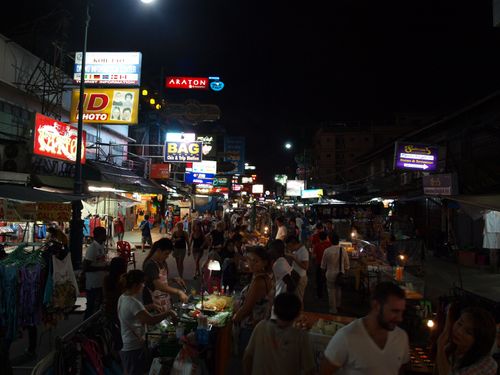
Bangkok’s backpacker carnival: curbside bars, live bands and DJs from 3pm–2am (midnight Sun). Street eats are cheap — pad thai 70–100 THB, mango sticky rice 60–100 THB. Come for wild people-watching; duck into Rambuttri for a calmer beer.
Wat Mangkon Kamalawat (Wat Leng Noei Yi)
Temples
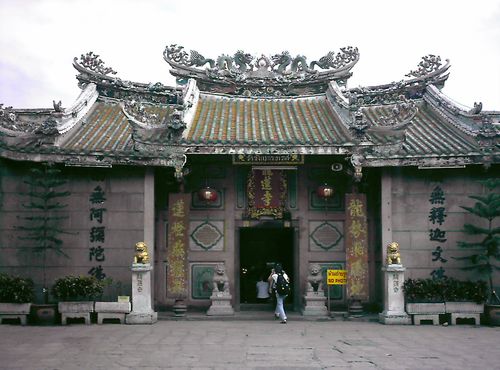
Chinatown’s grand Chinese Buddhist temple—smoky incense, red lanterns, and gilded altars. Free entry, donations welcome. Best early morning; electric during Lunar New Year and the Vegetarian Festival. Steps from MRT Wat Mangkon, 8am–5pm daily.
Wat Trai Mit Witthayaram Worawihan
Temples
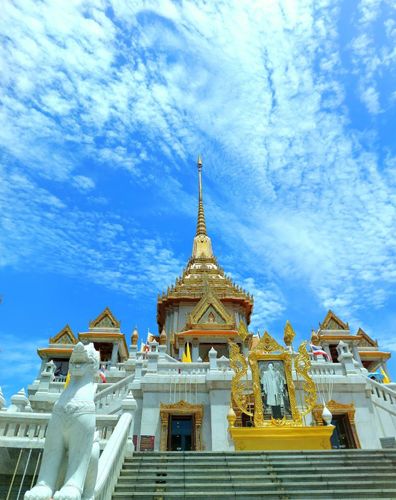
Chinatown’s showstopper: a 5.5‑ton, 3‑meter solid‑gold Buddha in a marble shrine. Open daily 8am–5pm; tickets around 100 THB. Go early for quiet, then wander Yaowarat from Odeon Circle or hop off at Hua Lamphong MRT.
More Khao San Road Guides
- Bangkok Street Food for First-Time Visitors: What to Order, How to Eat, and Where to Go Beyond Khao San Road
- Where to Eat Street Food in Yaowarat: Bangkok’s Chinatown Night Market Guide
- Bangkok Street Food for First-Time Visitors: What to Order, How to Spot the Best Stalls, and What a Fair Price Looks Like
- Best Thai Street Food Dishes to Try in Bangkok: A First-Timer’s Guide to Noodles, Rice Plates, and Skewers