Wat Pho Visitor Guide: Reclining Buddha, Massage School, and Temple Tips from Khao San Road
From Khao San to the Reclining Buddha: hours, tickets, dress code, massage school, and our best crowd-dodging, boat-riding Wat Pho tips.
We slip off the Chao Phraya Express at Tha Tien Pier and the river air smacks us with fish sauce and incense. Tuk-tuks buzz at the curb like dragonflies, a vendor fans skewers of moo ping until the smoke curls sweet. Two sois later, the gold soles of a giant Buddha glint through the doorway, and the murmur of coins clinking into bowls hums like rain. This is exactly why we wrote this Wat Pho visitor guide: to get us from Khao San Road to the Reclining Buddha with minimal sweat, maximum sanuk, and just enough reverence to do it right.
Why Wat Pho Is One of Bangkok’s Must-Visit Temples
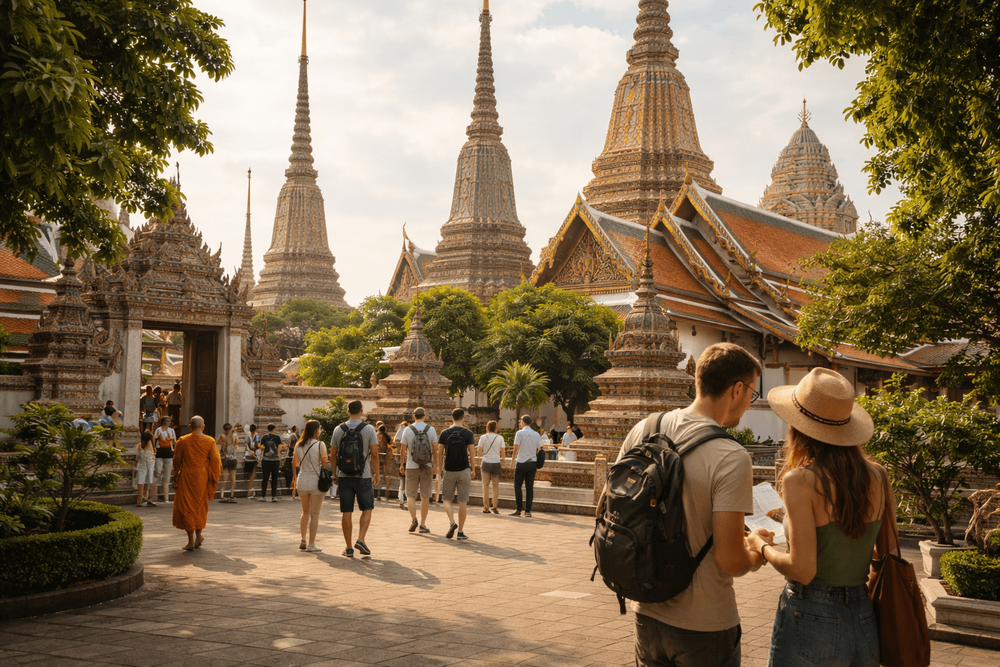
Wat Pho is Bangkok’s old soul. Long before rooftop bars and BTS lines, this temple complex sat by the khlongs, home to scholars, stone inscriptions, and the roots of traditional Thai massage. It’s a sprawl of cloisters, courtyards, and chedis, punctuated by orange-roofed wiharns and wandering cats that own every patch of sun.
The star is the Reclining Buddha: 46 meters of gold leaf serenity, toes inlaid with mother-of-pearl. But the real joy is in the details—murals mapping cosmology and martial arts, carved granite hermit poses in garden nooks, and four candy-colored mosaic chedis honoring early Chakri kings. If the Grand Palace is royal pomp, Wat Pho is lived-in wisdom; it’s where Bangkok exhales.
Wat Pho Visitor Guide: Essential Info
Location and How It Fits With Khao San Road
Wat Pho sits just south of the Grand Palace complex, a few minutes’ walk from Tha Tien Pier on the river. From Khao San Road or Soi Rambuttri, it’s a 20–25 minute walk across Sanam Luang, or a quick hop by boat, taxi, or tuk-tuk. We like the river route because it trades traffic fumes for breeze and skyline.
Opening Hours
- Daily: roughly 8:00–18:30 for the main chapel (Reclining Buddha)
- Grounds generally open around the same times
Go early or late to catch cooler air and softer light on those mosaic chedis.
Entrance Fee
- Foreign visitors: about 200 baht, usually including a small bottle of water from the kiosk
- Thai nationals: free/varies by policy
Carry cash (small bills). Card or QR can be inconsistent at temple gates.
Dress Code and Etiquette
- Shoulders and knees covered (no tank tops, crop tops, or very short shorts)
- Remove shoes before entering chapels; socks help if floors are hot
- Keep voices low, avoid pointing feet at Buddha images, and skip the yoga poses in front of altars
- Photos are fine without flash; be respectful of worshippers
If you forgot a cover-up, you may be offered loaners at some chapels, but it’s not guaranteed. A light scarf or sarong in your daypack beats any upsell. For more do’s and don’ts across Bangkok’s big trio, our friends swear by this primer: Bangkok Temple Etiquette Guide for Visiting Wat Pho, the Grand Palace, and Golden Mount from Khao San Road.
Getting There From Khao San Road
- On foot: 20–25 minutes. Cut past Phra Athit Road, skirt Sanam Luang, then head south toward Tha Tien market—watch for mango carts and amulet stalls.
- By boat: Walk to Phra Arthit Pier and hop the Orange Flag Chao Phraya Express (about 16–20 baht) to Tha Tien (N8). From there, it’s a 5-minute stroll to the gate. If boats are your jam, we break down routes here: How to Visit Wat Pho, the Grand Palace, and Golden Mount by Boat, Ferry, or Walking Route from Khao San Road.
- Tuk-tuk: Fun but agree on a fare first (80–150 baht within the Old City). Ignore anyone who says “temple closed”—classic gem-shop detour.
- Taxi: Meter starts at 35 baht; expect 60–120 baht from Khao San depending on traffic. Tell the driver “Wat Pho, Tha Tien.”
- MRT: If you’re coming from elsewhere, Sanam Chai Station (Blue Line) is a short walk away; it’s air-conditioned bliss after a day in the sun.
What to See Inside Wat Pho
The Reclining Buddha (Phra Buddhasaiyas)
We duck under the lintel, slip off our shoes, and there he is—46 meters long, 15 meters high, draped in gold leaf, with a smile that reads both sly and serene. The mother-of-pearl soles of his feet are a galaxy of 108 auspicious symbols—conch shells, lotus flowers, royal parasols. Walk the length once, then again focusing only on the toes; they’re art you can feel in your sternum.
Along the back wall, 108 alms bowls line the corridor. Exchange a small donation (20–50 baht) for a cup of coins and let them ping into the bowls. It’s meditative, a rain of tiny notes under that giant gaze.
Tip: Photographers, go very early or near closing to dodge selfie-stick crossfire. Wide lenses help. Keep flash off in the dim interior.
Murals, Cloisters, and the Quiet Corners
Beyond the big Buddha, the complex blooms into a grid of courtyards and cloisters. Inside the galleries are hundreds of serene Buddha images, each with different mudras (hand gestures). The murals in the smaller viharns trace cosmology, folklore, even massage diagrams—look closely and Bangkok’s intellectual lineage peeks back.
Our favorite hideout is a shady nook near a stone hermit garden where lizards blink like they’ve seen every farang come and go. When the noon sun flattens the colors outside, duck into a side chapel and let your eyes adjust; gold leaf takes on a honeyed glow.
The Four Grand Chedis
At the core stand four colossal mosaic chedis, glazed in jewel-toned ceramics that catch the light—emerald, saffron, ocean, jade—dedicated to early kings of the Chakri dynasty. Circling them clockwise, we play spot-the-flower; you’ll see porcelain blossoms, curling leaves, and mythical creatures climbing the tiers. It’s wildly photogenic, but mind the thresholds and uneven stone—those old bricks nibble at sandal toes.
Wat Pho’s Traditional Thai Massage School
This is the mother ship of nuad Thai. The Massage School sits inside the temple grounds with clear signs; follow the scent of tiger balm and the line of blissed-out people clutching number slips.
- What to expect: Walk-in system, get a queue number, sometimes wait 30–90 minutes in peak hours. They’ll ask your preference (traditional Thai, foot, etc.).
- Prices: Expect roughly 420–650 baht for 60 minutes depending on the treatment and current rates (subject to change). Foot massages are usually a bit less; oil massages a touch more.
- Hours: Generally late morning to early evening; plan to arrive before mid-afternoon to be safe.
- Etiquette: Loose clothing is best; they’ll provide cover-ups if needed. Speak softly, phones on silent, tip modestly if service moves you.
If we’ve trekked from Khao San under a vengeful sun, we’ll do the temple first, then reward ourselves with a foot massage before the river hop to Wat Arun at golden hour.
Practical Tips: Timing, Packing, and Avoiding Crowds
Best Time to Visit
- Early morning (8:00–9:30): Cool stone, softer light, fewer tour groups
- Late afternoon (16:00–18:00): The gold warms up, crowds thin, and the river breeze kicks in
Midday can be a furnace. If that’s your only window, chase shade: chapel → cloister → 7-Eleven blast of AC → repeat.
How Long to Spend
- Highlights loop: 60–90 minutes (Reclining Buddha, chedis, a side chapel)
- With massage: Add 60–90 minutes including wait time
- Photo nerds and mural hawks: Budget 2–3 hours to linger
What to Bring
- Light cover-up or sarong (knees/shoulders)
- Slip-on shoes or sandals (you’ll be in and out of them)
- Refillable water bottle (bottled water is 10–15 baht at nearby 7-Eleven)
- Small bills/coins for donations and the alms-bowl ritual
- Sunscreen, hat, and a compact umbrella for shade (or sudden monsoon)
Crowd-Dodging Moves
- Start at the Reclining Buddha the moment you arrive, then loop back to quieter courts
- Walk the perimeter galleries when tour groups swarm the main hall
- If you see a bottleneck, pivot—there’s always another doorway to serenity at Wat Pho
Safety, Scams, and Sanity
- Ignore “temple closed” whispers; check the gate yourself
- Agree on tuk-tuk fares before boarding; smile and walk away from hard sells
- Keep valuables zipped; Bangkok is generally safe, but crowds are crowds
- Hydrate like it’s your job—Bangkok heat sneaks up on you
Accessibility Notes
Wat Pho’s grounds are mostly flat but old—expect thresholds, occasional steps, and uneven stone. Some chapels have ramps, many don’t. If mobility is a concern, go during cooler hours, pace yourself, and stick to the larger halls and open courts.
Nearby Attractions to Pair With Wat Pho
Grand Palace and Wat Phra Kaew
Ten to fifteen minutes on foot north sits Bangkok’s jeweled crown. It’s an all-out spectacle—and strict on dress. If you’re doing both in a day, hit the Grand Palace first for the tightest security/timing, then slide south to Wat Pho. For timing, tickets, and what not to wear, keep this handy: Grand Palace Visitor Guide from Khao San Road: Tickets, Dress Code, Security, and Best Entry Tips.
Wat Arun Across the River
From Tha Tien Pier, a tiny ferry (about 5–10 baht) zips us across to Wat Arun’s porcelain prang. Sunset from the riverside is pure postcard—order an iced cha yen, watch the temple blush pink, and feel smug about your life choices.
Golden Mount (Wat Saket)
If your legs have juice, angle east to the Golden Mount for city views and bells you can ring all the way up. We love threading the old-town lanes on foot; this route is a gem: Wat Pho to Golden Mount on Foot: The Best Old Town Walking Route from Khao San Road.
Amulets, Markets, and Street Snacks
- Tha Tien Market: Dried seafood funk, fresh fruit, and snack stalls. Grab a bag of mango and sticky rice to-go.
- Amulet Market near Tha Chang: A crash course in Thai spirituality and superstition—mini Buddhas, monk charms, talismans galore.
- Phra Athit Road and Soi Rambuttri: Post-temple refuel—boat noodles that slap, pad kra pao that bites back, and live music once the sky goes ink-blue.
Where We Crash Nearby
If we’re plotting an early temple run, we bed down around Soi Rambuttri or Phra Athit—walkable to Wat Pho, mellow by midnight, and easy on the wallet. Look for places with a pool or at least decent shade; nothing beats a dunk after the heat-soaked shuffle through cloisters.
Know Before You Go
- Weather: November–February is brisker by Bangkok standards. April is a sauna—embrace the sweat and plan AC breaks.
- Holidays: Buddhist holidays can mean larger crowds and occasional ceremony closures; the atmosphere is beautiful, but be flexible.
- Photography: Drones are a no. Tripods draw attention; keep it handheld and polite.
- Kids: Bring socks for chapel floors and make a game of counting chedis. Coin-bowl rituals are crowd-pleasers.
A Simple Day Plan We Love
- 08:30 – Orange Flag boat from Phra Arthit to Tha Tien
- 08:50 – Glide into Wat Pho through the shade, straight to the Reclining Buddha
- 09:30 – Loop the chedis and a quiet side chapel, sip your included water in the cloister
- 10:15 – Foot massage at the Wat Pho school (queue willing)
- 11:30 – Ferry to Wat Arun for riverside photos
- 12:30 – Pad thai or boat noodles near Tha Tien, then wander back toward Phra Athit for iced coffee and a nap
Ready to trade Khao San’s thump for temple bells? We’ll meet you under the frangipani by the chedis—bring small bills and a good attitude, and we’ll turn this Wat Pho visit into your favorite Bangkok memory.
For the nitty-gritty on boats, ferries, and walking routes that tie Wat Pho into a perfect Old City loop, save this for your ride: How to Visit Wat Pho, the Grand Palace, and Golden Mount by Boat, Ferry, or Walking Route from Khao San Road.
Related Hotels & Places
Khao San Road
Attractions
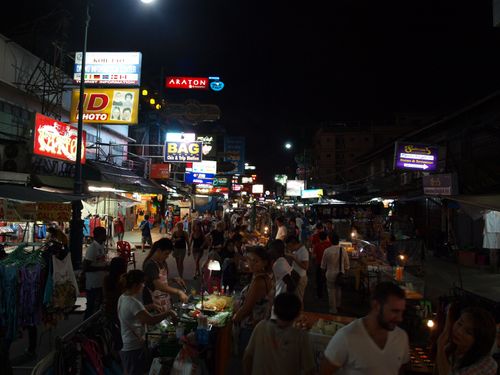
Bangkok’s backpacker carnival: curbside bars, live bands and DJs from 3pm–2am (midnight Sun). Street eats are cheap — pad thai 70–100 THB, mango sticky rice 60–100 THB. Come for wild people-watching; duck into Rambuttri for a calmer beer.
Wat Phra Kaew
Temples
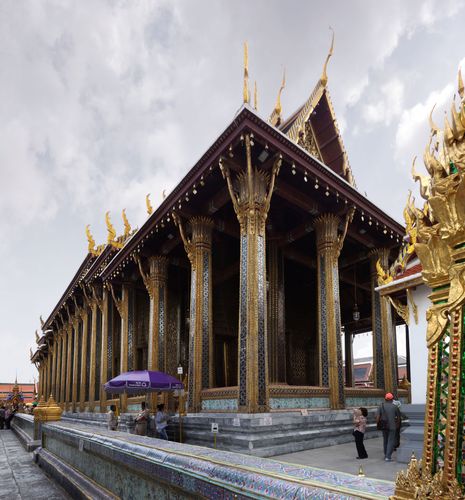
Bangkok’s holiest temple inside the Grand Palace. Go early (8:30am–3:30pm). Buy the 500 THB ticket at Na Phra Lan Rd gate. Dress code enforced. Marvel at Ramakien murals and the tiny Emerald Buddha whose robes change with the seasons. 10–15 minutes’ walk from Khao San.
Recommended Products
More Khao San Road Guides
- Wat Pho from Khao San Road: Reclining Buddha, Massage School, and the Best Time to Visit
- Wat Pho Guide from Khao San Road: Reclining Buddha, Massage School, and Best Time to Visit
- Wat Pho from Khao San Road: Reclining Buddha, Massage School, and River-Edge Visit Tips
- Wat Pho from Khao San Road: Reclining Buddha Visit Guide, Tickets, Dress Code, and Best Time to Go