
Backpacker Packing List for Thailand: Budget Health Kit Essentials for Common Travel Bugs
Build a Thailand travel health kit that actually works: budget meds, first aid, heat and insect tips, and when to see a doctor—without overpacking.
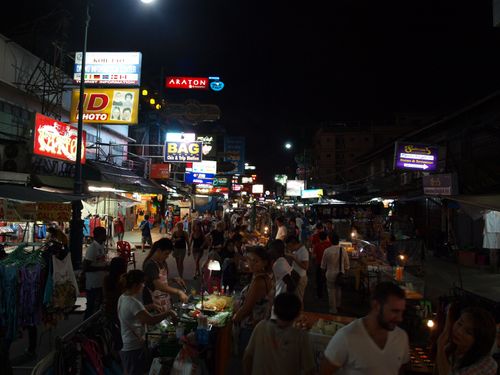
We step off the Chao Phraya Express boat at Phra Athit and the heat punches through our shirts like a hot wok at lunch rush. The AC blast from 7-Eleven is a salvation; the sweet rot of durian wafts from a cart; bass thumps from a Khao San Road even at noon because Bangkok does what it wants. This is exactly where a well-packed Thailand travel health kit earns its space. We don’t lug a pharmacy, but we carry just enough to keep the trip sanuk when the street pad thai hits back or a coral scrape starts whispering trouble.
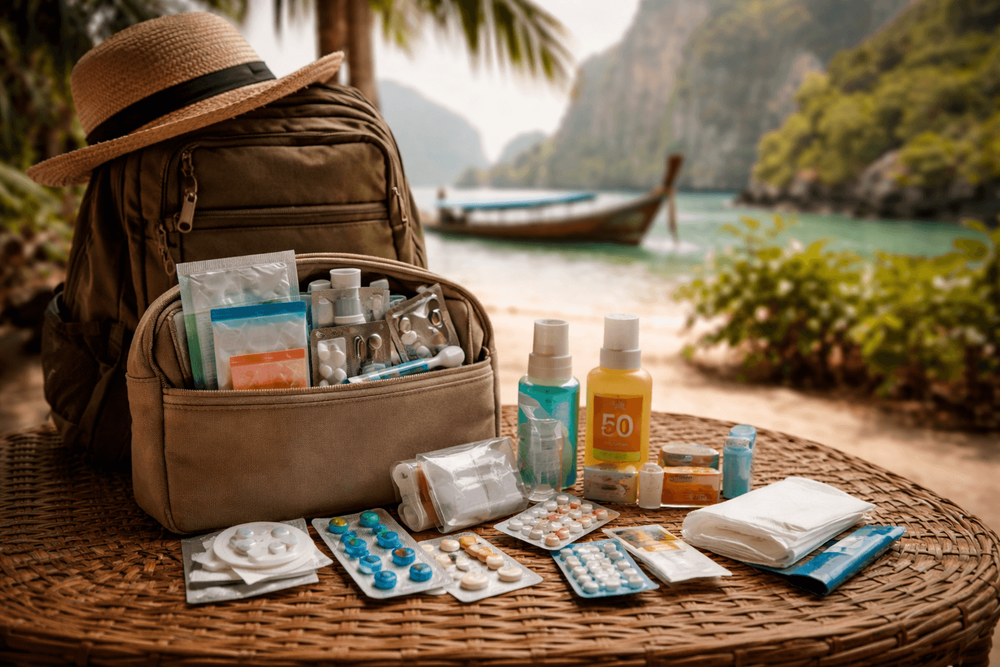
What to Put in Your Thailand Travel Health Kit
We’re packing light, smart, and Bangkok-proof. Use this as your core kit and tweak for islands, trekking, or long bus hauls.
First-aid basics (the no-regrets stuff)
- Plasters/band-aids: mix of regular and blister-specific (hydrocolloid) for long rambles down Soi Rambuttri
- Antiseptic: povidone-iodine or chlorhexidine wipes/liquid for motorbike kisses and coral nicks
- Sterile gauze pads and micropore tape: small, flat, and worth their grams
- Alcohol wipes and hand sanitizer: street food hands, temple steps, tuk-tuk grips
- Small digital thermometer: fever calls the shots in the tropics
- Elastic compression bandage: twisted ankles happen on wet ferry piers
- Tweezers and mini scissors: splinters, ticks, loose threads
- Oral rehydration salts (ORS): the MVP when heat and curry team up on you
If you like a deep-dive on wound-care basics and blister hacks, we’ve laid it out here: Thailand Travel First Aid Kit: What Backpackers Should Carry.
Meds by symptom (OTC and common-sense picks)
- Pain/fever: paracetamol or ibuprofen (carry what your stomach tolerates)
- Stomach upsets: loperamide for emergency bus-ride control; bismuth subsalicylate or simethicone for grumbles; probiotics if you swear by them
- Nausea/motion sickness: dimenhydrinate or meclizine for Gulf ferries and snaking mountain roads
- Allergies/itch: cetirizine or loratadine by day (non-drowsy), diphenhydramine at night if bites drive you wild
- Colds/sore throat: lozenges, saline spray, decongestant (pseudoephedrine is restricted; ask a pharmacist in Thailand for alternatives)
- Skin care: hydrocortisone 1% for rashes; antifungal cream (clotrimazole) for athlete’s foot; mupirocin or similar antibiotic ointment if advised by your doc
- Insect defense: DEET (20–30%) or picaridin spray; after-bite ammonia/antihistamine sticks
- Sun survival: broad-spectrum SPF 50, lip balm SPF, aloe gel for the burn you swore you wouldn’t get
For travelers with prescriptions or specific brands you trust, see our take on what’s smartest to bring from home vs buy here: What to Pack for Thailand for Medication and Health Needs.
Paperwork and extras
- Copies of prescriptions and generic names; keep meds in original packaging
- Travel insurance details and claim instructions (screenshots + paper)
- A few sealed condoms (heat + beach + rum buckets = plan ahead)
- Reusable water bottle and electrolyte tabs
We also keep this short checklist of insurance and emergency copies handy: Backpacker Packing List for Thailand’s Medical and Insurance Prep: First-Aid Basics, Prescriptions, and Emergency Copies.
Health and Safety in Thailand’s Heat, Food, Insects, and Outdoors
Bangkok and beyond are generous with joy and sweat in equal measure. A few street-smart habits keep us upright.
Heat and hydration
- The midday sun over Rattanakosin hits like a hair dryer. We sip small and steady and drop an ORS after long temple loops (Wat Pho → Grand Palace → Golden Mount is a sweat parade).
- Wear a hat and light, long sleeves; duck into shade or that blessed 7-Eleven AC when you feel foggy.
- If nausea, pounding headache, or dizziness show up, get cool, rehydrate, and rest. If it doesn’t ease, we see a clinic.
Street food and stomach sense
- We eat where the wok never cools: busy stalls, rapid turnover, cooked-to-order. If it’s been sitting in the sun, we smile and walk on.
- Peel-it-yourself fruit is our bus snack. Ice is generally filtered and safe from reputable vendors; we skip tap water for drinking but brush teeth with it if our stomachs have adjusted—when in doubt, stick to bottled.
- If we get the Bangkok belly, we hydrate like it’s our job, use loperamide only to travel, and see a pharmacist if fever or blood joins the party.
Mozzies, dengue, and dusk patrol
- Dengue rides day-biting Aedes mosquitoes; malaria risk is low in cities/beach zones but can exist in a few border jungles. We use repellent at dawn/dusk, light long layers, and sleep in fan rooms with coils or good screens.
- For jungle treks, we treat clothes with permethrin at home. It beats painting our skin every hour.
- If fever plus body aches and rash hit after bites, we don’t self-medicate with ibuprofen—pharmacist or clinic first to rule out dengue.
For a deeper look at repellents, after-bite, and protective layers, this primer helps: What to Pack for Thailand for Prescription Meds, Insect Protection, and Basic Health Care on the Road.
Salt, sand, and scooters
- Coral cuts love to fester. We rinse in clean water, dab antiseptic, and keep them dry. Vinegar helps with some jellyfish stings—ask locally about species.
- Motorbike freedom tax = road rash. If you ride, cover up, go easy on wet concrete, and carry basic wound care. Helmets aren’t optional, even if your hair disagrees.
Air and allergies
- Burning season in the north (roughly Feb–Apr) can haze out the mountains; if we’re Chiang Mai-bound then, we toss in an N95 mask and saline spray. We keep allergy meds on hand when frangipani blooms set off sneezes.
Over-the-Counter Medicines to Bring vs Buy in Thailand
We love Thai pharmacies. They’re everywhere—Soi Rambuttri, Silom, even tiny towns—and staffed by pros who’ll size up symptoms and point you to the right shelf. Still, we bring a core set because:
- Brand comfort: Familiar labels calm the brain at 2 AM on a night bus.
- Known formulas: Some Thai OTCs combine ingredients. If you want single-actives at known doses, pack them.
- Language: Most pharmacists speak at least basic English in tourist areas, but small-town labels can be all Thai script.
What we bring from home:
- Any must-have prescriptions in original boxes with your name
- Stomach control (loperamide), antihistamines, your preferred painkiller, and a small antibiotic ointment if advised by your doc
- Specialty items you like (specific probiotics, motion patches, permethrin-treated clothing)
What we happily buy in Thailand:
- ORS sachets, extra plasters, antiseptic, aloe gel, and generic painkillers
- Extra repellent if we underestimated jungle hours
A practical, brand-agnostic breakdown lives here if you want to compare lists: Backpacker Packing List for Thailand: First Aid, Medicines, and Health Essentials.
Packing Tips for Cities, Islands, and Rural Trips
Bangkok and big cities (Chiang Mai, Phuket Town)
- Pharmacies every few blocks; keep your kit slim. We carry a pocket pouch for day trips: 2 plasters, 1 ORS, 2 painkillers, 1 antihistamine, tiny sanitizer.
- Night markets test willpower. We try one new thing at a time; if you stack spicy squid, mango sticky rice, and beer towers, your stomach may start a coup.
Islands (Koh Samet, Koh Tao, Koh Phangan)
- Add: waterproof bandages, extra antiseptic, reef-safe sunscreen, motion sickness tabs.
- Ferries can be bouncy; we take meds 30–60 min before boarding and sit midship where it’s calmer.
- Some islands have limited late-night pharmacy access; stash a bit extra if you’re far from the pier.
Rural north and Isaan
- Stock more ORS, repellent, and plasters; clinics can be a few towns apart.
- Trek days: elastic bandage, blister patches, small torch/headlamp, and a proper knife for splinters.
- Consider chatting with your home doc about a just-in-case antibiotic strategy if you’ll be remote (carry a letter).
Long hauls and border runs
- Bus AC swings from arctic to sauna. We keep layers, lip balm, saline spray, and hydration handy.
- We lock our small kit where we can reach it, not buried under the farang mountain of laundry.
When to Seek Medical Care in Thailand
We self-treat small stuff. We don’t play hero with the big stuff. We go to a clinic or hospital if we have:
- Fever over 38.5°C that lasts more than a day, or fever with rash and bone-deep aches
- Severe dehydration (can’t keep fluids down, very dark urine, dizziness)
- Blood or mucus in stool, or diarrhea that doesn’t settle in 48–72 hours
- Badly infected wounds (spreading redness, streaks, pus, fever)
- Head injuries, deep cuts, or motorbike spills
- Animal bites or scratches (rabies prophylaxis exists in Thailand; sooner is better)
Pharmacies: In Bangkok, plenty are open late, some 24 hours near transit hubs and hospital districts; smaller towns keep daytime hours. Pharmacists can triage and recommend next steps. Clinics are affordable, and private hospitals in central areas have international departments and English-speaking staff. Expect to pay upfront and claim from insurance later. Keep receipts, reports, and any imaging on your phone and in the cloud.
Useful numbers we save in our notes:
- Emergency medical (EMS): 1669
- Police: 191
- Tourist Police: 1155 (English support)
Know Before You Go: Thai Pharmacy Quirks and Phrases
- Ask for generics by active ingredient. “Paracetamol,” “cetirizine,” and “loperamide” get you further than brand names.
- If you have contraindications (e.g., you can’t take NSAIDs), say it clearly. Pharmacists appreciate honesty.
- A polite sawadee and a smile grease the wheels. “Khob khun krap/ka” (thank you) goes a long way.
How We Pack It All Without Bringing a Hospital
- Decant into mini zip bags and label doses with a marker.
- Keep liquids under airline limits and double-bag anything gooey (aloe has opinions about exploding).
- Split kit between two bags in case one goes missing on a night train.
- Heat-proof your meds: avoid window seats for your kit on buses; Thai sun can bake a tablet into oblivion.
When we turn down Soi Rambuttri for a late bowl of boat noodles and the night market winds up, this kit sits quiet at the bottom of our daypack—out of mind until the minute we need it. That’s the point: a tiny bit of prep so we can say yes to that spur-of-the-moment ferry to Koh Samet tomorrow.
Quick Plan
Day 0: Home → Bangkok (Suvarnabhumi or Don Mueang). Flight. Key stop: airport pharmacy for forgotten items. Overnight: Banglamphu base near Khao San/Soi Rambuttri. Day 1: Bangkok kit shakedown. 0 km driving. Key stops: 7-Eleven, local pharmacy, temple loop (Wat Pho, Golden Mount). Overnight: Old Town. Day 2: Bangkok → Ayutthaya (80–90 km, 1.5–2.5 hrs by car or 1.5–2 hrs by train). Key stops: Historical Park, riverside noodle shop. Overnight: Back in Bangkok. Day 3: Bangkok → Koh Samet (220–230 km, 3.5–4.5 hrs by car + ferry). Key stops: Ban Phe pier, beach first-aid check (reef cuts happen). Overnight: Island bungalow.
ASCII route: BKK → Ayutthaya → BKK → Koh Samet
Costs at a Glance (THB)
- Fuel (gasoline): 35–48 THB/L typical range; confirm locally. Last checked: Oct 2026.
- Estimated fuel cost per segment (assumes 12–14 km/L):
- BKK ↔ Ayutthaya (180 km round-trip): ~450–740 THB (range reflects fuel price/consumption; confirm locally)
- BKK → Ban Phe (230 km one-way): ~570–920 THB (confirm locally)
- Tolls per segment:
- BKK outbound expressways: 50–180 THB depending on route and time; confirm locally
- National park/attraction fees (per person):
- Koh Samet (national park area): ~200–300 THB for foreigners; confirm locally
- Ayutthaya Historical Park site entries: many ruins are free; select temples may charge ~20–100 THB; confirm locally
- Parking per night:
- Bangkok guesthouses/hotels: 0–200 THB depending on neighborhood; confirm locally
Booking Pathways
- Car rental: Compare rental deals at https://www.discovercars.com/thailand/bangkok
- Hotels: Browse Bangkok hotel deals on https://www.agoda.com/city/bangkok-th.html
- Attraction tickets: Check Bangkok/Thailand passes and tours on https://www.klook.com/en-TH/
Verification
- Health kit contents and medication categories cross-checked against World Health Organization traveler guidance and standard backpacker first-aid kits from international travel clinics (two sources). Specific brands vary in Thailand; we recommend generics by active ingredient.
- Dengue/malaria context based on recent public health advisories for Thailand’s major regions and typical risk maps provided by travel medicine centers (two sources). Localized outbreaks change—confirm locally.
- Pharmacy availability and hospital practices (pay upfront, English-language services in private hospitals) validated via multiple Bangkok private hospital and pharmacy association pages (two sources). Exact hours vary by branch—confirm locally.
- Prices expressed as safe ranges due to seasonal fuel fluctuations, toll updates, and attraction policy changes. Use local signage or official websites to confirm exact figures on the day.
Adventure Medical Kits Ultralight Watertight .5 Medical Kit
EVAL_DATA
- quick_plan: true
- costs_at_a_glance: true
- booking_pathways: true
- verification: true
- internal_links_count: 4
- hotel_inventory_used: false
- outbound_links_count: 3
Related Hotels & Places
Recommended Products
More Khao San Road Guides
- Backpacker Packing List for Thailand: Budget Gear You Can Bring from Home vs Buy in Bangkok
- Thailand Travel First Aid Kit: What Backpackers Should Carry
- Thailand Packing List for Backpackers in Summer Heat: Clothes, Sleep Gear, and Sweat-Proof Essentials
- Backpacker Packing List for Thailand: Safety and Security Essentials for Solo Travelers