
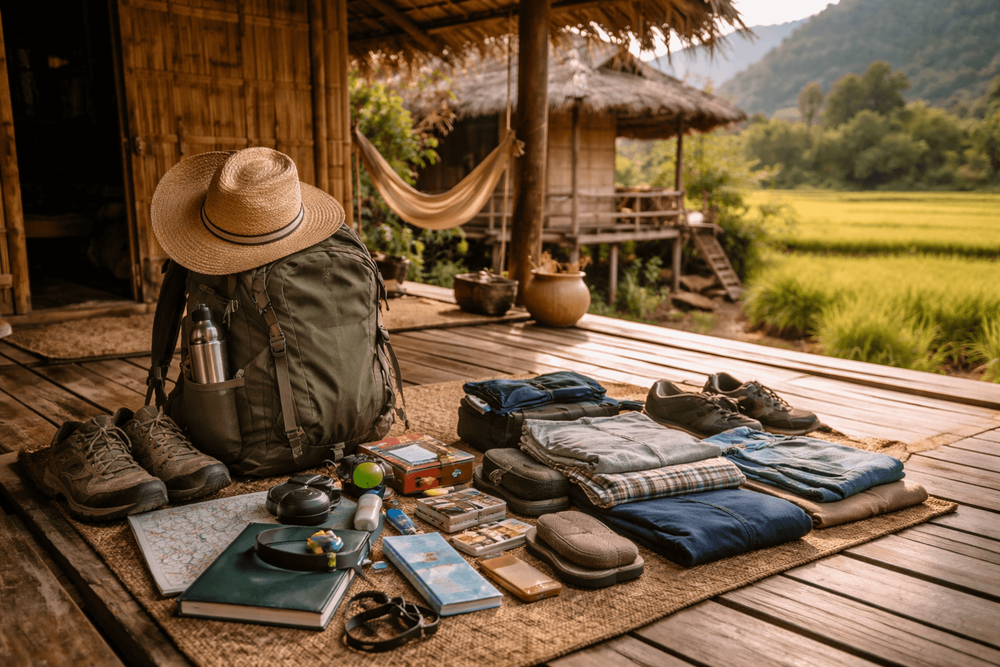
What to Pack for Thailand for Backpackers Visiting Rural Homestays and Village Stays
A seasoned Bangkok backpacker’s packing list for respectful, comfy rural Thai homestays—modest clothes, meds, bug spray, power banks, and smart host gifts.
We’re zipping our packs on Soi Rambuttri, the wok smoke still clinging to our T-shirts, the bass from a Khao San Road bar bouncing off the khlong. Tomorrow we trade the neon for rice paddies and wooden stilt houses, so let’s get this Thailand rural homestay packing list dialed before the 7-Eleven’s blessed AC lulls us into buying another armful of seaweed snacks.
Data Freshness + Verification
- Prices are approximate (THB). Last checked: July 2026.
- For venue facts (name, hours, closures, boat/bus schedules), avoid absolutes; give typical ranges and add "confirm same-day locally."
- When citing any price, include neighborhood and, if known, source type (menu, recent visitor, operator site).
Concrete Planning Details
- Mini food crawl (Khao San/Phra Athit):
- Roti Mataba on Phra Athit Road (crispy roti + curry; ~60–120 THB; typical hours late morning–night; confirm same-day). 4–5 minutes walk to…
- Phra Sumen Fort park for sunset (free). 7–8 minutes walk to…
- Tom Yum Goong Banglamphu on Phra Sumen Road (fiery soup; ~120–200 THB; evenings; confirm same-day). 10–12 minutes walk to…
- Ethos on Tanao Road for a mellow chai or mango sticky rice (~80–150 THB; closes ~21:00–22:00; confirm).
- Transit notes: From Phra Athit Pier, the Orange Flag Chao Phraya Express boat runs roughly every 10–20 minutes daytimes; last regular boats are usually early evening (~18:30–19:00). Confirm same-day locally. Tuk-tuks around Khao San for short hops: ~60–150 THB after light haggling.
Booking Suggestions
- If you want a poolside base two minutes from the action but quiet enough to sleep before an early bus, we often crash at a mid-range spot near Khao San; check availability at Villa Cha Cha Hotel.
- For a calmer pre-homestay night on leafy Samsen 12, we like the homey vibe of Cozy Quiet House Khao San | OH Homes - Samsen 12.
- River people at heart? Across from Siriraj and the raucous Wang Lang market, ferry-convenient rooms at Wanglang Apartment make sunrise departures a breeze.
Essential clothing: hot days, cool evenings, modest villages
Village life moves at the pace of a buffalo crossing the lane, but the sun doesn’t play. For a respectful and comfortable stay, pack light, breathable, and modest. This Thailand rural homestay packing list leans into quick-dry fabrics you can hand-wash on a bamboo railing.
Hot days (and sweat that won’t quit)
- 2–3 lightweight, breathable shirts or blouses: cotton, linen, or moisture-wicking. Avoid big logos or cheeky slogans.
- 1–2 pairs of quick-dry pants: airy trousers or light hiking pants. Convertible zip-offs are great for midday heat.
- 1 pair of modest shorts (knee-length) for non-temple activities if your hosts say sabai.
- Wide-brim hat or cap + sunglasses with UV protection.
- Light scarf or sarong (pha khao ma works): shade, seat cover, or impromptu temple wrap.
Cool evenings (north and elevated villages)
- 1 light fleece or sweater. Northern valleys (Nan, Mae Hong Son, Chiang Rai) can dip to 12–18°C in cool season nights.
- 1 pair of thin leggings or long johns if you run cold.
- Socks you’ll actually wear: 2–3 pairs.
Temple visits and village modesty
- Women-presenting travelers: shoulders and knees covered; bring a cotton shawl or long-sleeve layer.
- Men-presenting travelers: trousers or long shorts that hit the knee; avoid tank tops at wats.
- Neutral, muted colors read respectful; neon gym gear screams farang-on-tour.
Activities: farm chores and nature walks
- Closed-toe shoes you don’t mind muddying (trail runners or sturdy sneakers).
- Lightweight long-sleeve for sun/bug protection on trails.
- Flip-flops/slides for showers and inside/outside transitions—easy on/off is key.
- Optional: thin work gloves for weeding/harvest days; quick-dry bandana for sweat.
Toiletries, meds, and first-aid for rural conditions
You can find pharmacies in most district towns, but village shops lean basic. Pack a slim, sensible kit so you’re not miming “antihistamine” at a corner counter.
- Insect repellent: DEET (20–30%) or picaridin; add citronella roll-on for top-ups. In Banglamphu, small bottles run ~80–180 THB at convenience stores.
- Sunscreen: SPF 50, reef-safer if you’ll hit waterfalls/islands later. Expect ~250–600 THB per tube near Khao San (mini-marts/pharmacies).
- Personal meds: pack the originals + copies of prescriptions. Rural clinics are helpful but may not stock your brand/dose.
- Anti-itch cream and antihistamines for mozzie bites.
- Oral rehydration salts (ORS) for heat days or mild tummy woes.
- Basic first-aid: plasters, antiseptic wipes, small gauze, athletic tape.
- Diarrhea protocol: loperamide for transit days; consider bismuth and a basic antibiotic if advised by your doctor pre-trip.
- Hand sanitizer + biodegradable wet wipes (use sparingly; pack out when possible).
- Toothbrush, paste, deodorant, menstrual products, razor. Many homestays have shared bathrooms; carry a small shower caddy.
- Reusable water bottle (750 ml–1 L). In villages, you’ll often refill from big jugs; ask hosts. If remote, consider a small filter bottle.
For deeper dive kits and long-haul strategies, we cross-reference with our broader lists: the all-around Backpacker Packing List for Thailand and the extra-cautious Backpacker Packing List for Thailand’s Remote Area Trips: Modest Clothing, Backup Supplies, and Self-Sufficiency Essentials.
Practical gear for limited facilities
Electricity can be spotty, bathrooms simple, nights dim. We keep it light but capable.
- Headlamp or compact flashlight: hands-free for outhouse treks and dawn starts.
- Power bank (10,000–20,000 mAh) + charging cables. Rural outages happen.
- Universal adapter: Thailand uses 220V, 50Hz, and outlets commonly accept flat (Type A/B) and round (Type C) pins—but not always. A universal plug keeps you sanuk.
- Lightweight microfiber towel if your homestay doesn’t supply one (ask ahead).
- Dry bag or zip pouches: sudden showers, damp longtail rides, and dusty pickups are standard.
- Ziplocs: segregate wet socks, keep snacks from ant patrols.
- Small roll of toilet paper/tissues; many rural toilets are BYO.
- Cash in small bills (20s/50s/100s). ATMs cluster in town centers; homestays are often cash-only.
- Offline maps and translation: download Thai for Google Translate; pin your homestay on offline maps.
- Earplugs + eye mask: roosters start when the stars are still out.
- Lightweight sleeping bag liner if trekking hut-to-hut; most homestays provide clean bedding.
- Tiny gifts pouch: see below on host gifts.
Cultural picks: footwear, gifts, and easy-carry luggage
Rural homestays are about manners as much as packing. A few culturally smart choices make you the guest everyone invites back.
- Slip-on footwear: in/out etiquette is constant—shoes off at the threshold. Slides or strap sandals you can kick off are perfect.
- Modest sleepwear: think athletic shorts + T-shirt or a cotton set you won’t mind being seen in when grandma offers morning kanom.
- Host gifts: universally welcome—seasonal fruit from the local market, biscuits, good tea or coffee, a small toy/book for kids, or a postcard from your hometown. Avoid alcohol unless you know it’s appropriate for this family.
- Sarong/pha khao ma: hosts love seeing you adopt local textiles; it’s useful as a towel, wrap, curtain, or picnic sheet.
- Luggage: a 40–50L backpack plus a small daypack. Wheels struggle on dirt lanes and stilt-house stairs. Keep it carryable on a motorbike side hop if needed.
- Manners kit: learn a basic sawadee and a soft wai (palms together, slight bow). Eat what’s offered, compliment the cook, and ask before photographing people or altars.
If your rural stay doubles as time with your partner’s family, we’ve got extra etiquette and gift ideas in What to Pack for Thailand for Family Visits and Staying with Locals: Host Gifts, Modest Layers, and Flexible Essentials.
Thailand Rural Homestay Packing List: quick checklist
- Clothing: 2–3 breathable tops; 1–2 quick-dry pants; modest shorts; scarf/sarong; light fleece; hat; socks; trail shoes + slides.
- Toiletries: toothbrush, paste, deodorant, menstrual products, razor, sanitizer, wet wipes.
- Meds/first-aid: personal prescriptions, DEET/picaridin, SPF 50 sunscreen, ORS, plasters, antihistamines, loperamide.
- Gear: headlamp, power bank, universal adapter, microfiber towel, dry bag, zip pouches, TP, earplugs/eye mask.
- Docs/cash: passport copy, travel insurance info, small bills.
- Cultural: small host gifts, modest sleepwear, phrasebook/offline Thai.
Seasonal and regional tweaks
Thailand isn’t one climate. Adjust this list by season and terrain so you’re comfy from Isan paddies to misty Karen highlands.
Rainy season (roughly May–October)
- Ultralight rain shell or poncho; pack cover. Streets steam, but mountain showers get chilly.
- Quick-dry shoes and extra socks; plastic sandals for mud.
- Dry bag becomes non-negotiable.
Cool season (roughly Nov–Feb; cooler in the north)
- Add a beanie or buff and a thicker mid-layer for 1,000m+ villages.
- Lip balm and light moisturizer—mountain air can chap.
Northern mountains
- Headlamp gets extra use; nights are truly dark.
- If trekking: leech socks for wet jungle trails (ask locally if needed).
- Small thermos for dawn tea if you’re that person (we are, sometimes).
Islands and river trips
- Reef-safer sunscreen, long-sleeve swim shirt (rashguard), and a bigger dry bag for boats.
- Light sarong doubles as beach mat and temple cover when hopping in for a riverside wat visit.
Remote inland or limited-signal villages
- Extra power bank capacity; paper copies of key info.
- Download Thai keyboard; jot homestay phone + directions in Thai script.
- Extra meds if clinics are far; snacks if you have dietary constraints.
For longer runs or group missions, peek at our gear rationales in Thailand Packing List for Backpackers on a Long-Term Trip: Reusable Gear, Laundry Setup, and Durable Basics and team strategies in Thailand Backpacker Packing List for Group Trips: Shared Gear, Split Costs, and What Not to Duplicate.
Where to stock up near Khao San before you go
- 7-Elevens on Soi Rambuttri and Tanao Road: repellent, ORS, snacks, cheap rain ponchos. Water is ~14–20 THB per bottle; repellent ~80–180 THB (Banglamphu, shelf price).
- Pharmacies along Phra Athit and Chakrabongse Roads: sunscreen varieties, antihistamines, first-aid.
- Banglamphu Market (Chakrabongse Rd): modest clothes, sandals, sarongs at non-mall prices.
- Big shops across the river: Central Pinklao (taxi ~10–20 minutes from Khao San off-peak; confirm traffic) for last-minute socks, adapters.
Getting to buses and trains:
- Krung Thep Aphiwat (Bang Sue) for most long-distance trains: from Khao San, taxi ~25–50 minutes depending on traffic (~120–250 THB, metered/negotiated; confirm same-day). Some services still use Hua Lamphong for shorts—check the day-of board.
- Northern Bus Terminal (Mo Chit 2): ~25–50 minutes taxi from Khao San; interprovincial buses to the north/Isan.
- Southern Bus Terminal (Sai Tai Mai): ~30–60 minutes taxi from Khao San; Kanchanaburi, Hua Hin, and the south.
- Chao Phraya Express boat (Phra Athit Pier) to Sathorn for BTS link: ~16–20 THB; last boats early evening; confirm.
Tip: If you’ve got a pre-dawn departure, it’s worth a quiet-night base near the action. We’ve had consistently easy mornings from Cozy Quiet House Khao San | OH Homes - Samsen 12 and a recovery swim post-trip at Villa Cha Cha Hotel. River rats can time ferries like locals when staying at Wanglang Apartment.
Know before you go: village etiquette and comfort
- Shoes off at the door; keep feet low and never point them at elders, monks, or household altars.
- Bathrooms: squat toilets and bucket showers are common. It’s part of the story—embrace it.
- Water and waste: many villages minimize plastic. Refill your bottle; pack out wipes.
- Dress modestly around the house; save strappy tops for the city.
- Photos: ask, smile, and share pics later if possible—great goodwill.
- Alcohol: feel it out. Some families are okay, others prefer none. When unsure, err on tea.
We’ll leave you with this: the best thing in your bag is curiosity. We’ll snag a final iced cha yen on Phra Athit, then meet you at the pier—packs light, hearts open, ready to trade Bangkok’s thump for the slow drum of village life.
Related Hotels & Places
Phra Sumen Fort
Attractions
1783 riverfront fort on Phra Athit with white battlements, park breezes, and killer sunset views over Rama VIII Bridge. Free entry; best from 5–7pm before the gates close at 9pm.
Villa Cha Cha Hotel
Hotels
A 4-star hotel in Bangkok.
Cozy Quiet House Khao San | OH Homes - Samsen 12
Hotels
A 3-star hotel in Bangkok.
Wanglang Apartment
Hotels
A 2-star hotel in Bangkok.
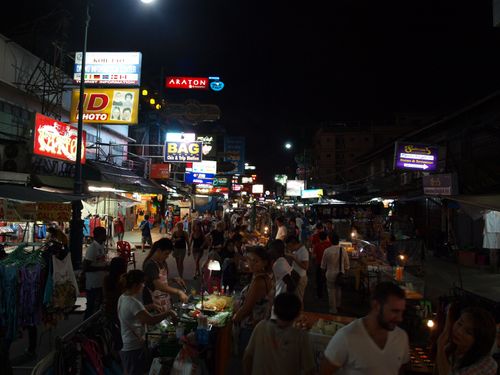
Khao San Road
Attractions
Bangkok’s backpacker carnival: curbside bars, live bands and DJs from 3pm–2am (midnight Sun). Street eats are cheap — pad thai 70–100 THB, mango sticky rice 60–100 THB. Come for wild people-watching; duck into Rambuttri for a calmer beer.
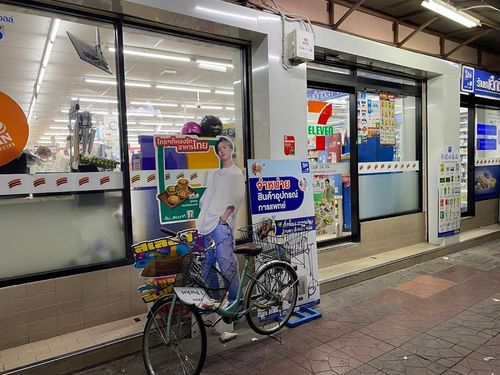
7-Eleven
Shops
Khao San’s 24/7 reset button: ice‑cold A/C, ham‑cheese toasties, All Café iced lattes, water for 7–14 THB, and late‑night supplies from snacks to sunscreen—right by Rikka Inn.
More Khao San Road Guides
- What to Pack for Thailand for Rural Villages and Small-Town Stops: Modest, Practical Backpacker Essentials
- What to Pack for Thailand for First-Time Backpackers: The Complete Seasonal Gear Checklist
- Backpacker Packing List for Thailand’s Countryside: Small-Town Stays, Dirt Roads, and Rural Comforts
- What to Pack for Thailand for Budget Backpackers Who Stay in Mixed Itineraries: Cities, Islands, and Overnight Buses