
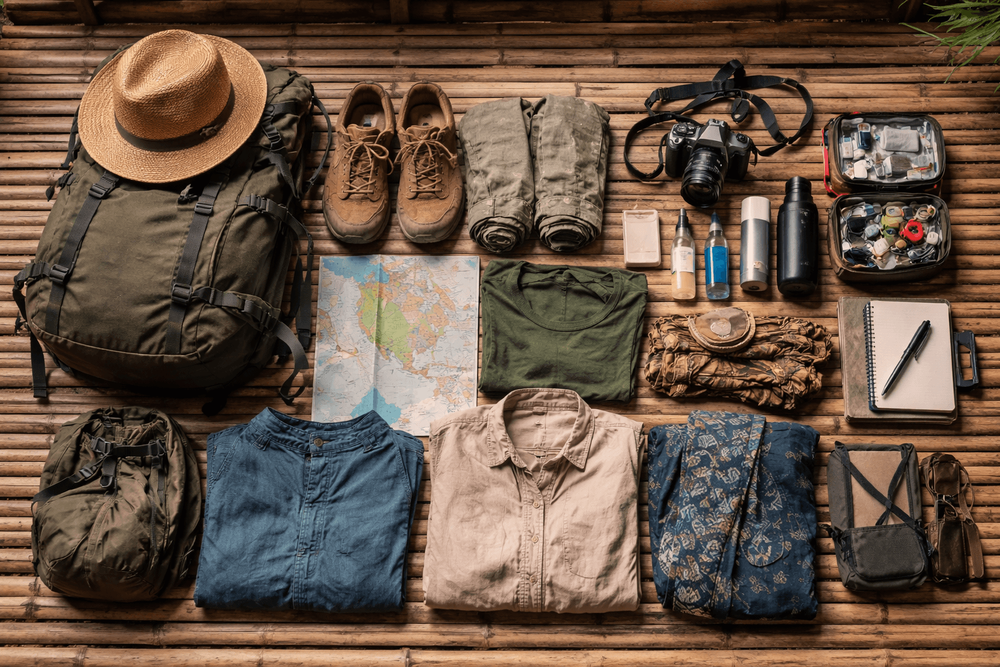
What to Pack for Thailand for Rural Villages and Small-Town Stops: Modest, Practical Backpacker Essentials
Our field-tested Thailand rural packing list: modest clothes, rain-ready gear, insect defense, power backups, and homestay extras for villages and small towns.
We hop off a songthaew into red dirt and frying sun, the smell of lemongrass smoke curling from a roadside grill. Roosters shout, dogs squint, and a grandma in a patterned pha sin smiles a sawadee as we fumble for our hat. This isn’t Khao San Road or Soi Rambuttri—no mango sticky rice stalls every five steps, no 24-hour pharmacies. Out here, one good list saves your skin. This is our Thailand rural packing list, built from sweaty afternoons in rice fields, surprise downpours on motorbike rides, and temple mornings where covering up matters more than cool factor.
Thailand Rural Packing List: The Essentials We Actually Use
Rural Thailand demands modesty, sun smarts, and the ability to handle rain, mud, and the occasional power cut. We still keep it light—carry-on if we can—but the choices change once the BTS is replaced by khlongs and country roads.
1) Clothing for Climate, Terrain, and Cultural Norms
We dress to impress the sun, the aunties, and the temple monks—often at the same time.
- Lightweight long pants (2): We like quick-dry nylon or linen. They keep mosquitoes off and pass the temple test. Jeans are hot and heavy; leave them in Bangkok.
- Long-sleeve sun shirt (1): UPF fabric or airy cotton. Handy on boats along the Chao Phraya or when we’re on a farm tour.
- Breathable T-shirts (3-4): Darker colors hide red dust. Tech tees dry faster after a bucket-wash.
- Modest top for temples (1): Shoulders covered, no plunging necklines. Button-up or a loose blouse works.
- Light skirt or pha sin-style wrap (1): For village visits where we want to blend in a bit more. Knee-length or longer.
- Sarong or large scarf (1): Instant temple cover, picnic blanket, privacy curtain, or sweat towel on a sticky bus.
- Rain layer: A compact rain jacket or a decent poncho. Shops sell 30–60 THB throwaways, but we prefer a reusable one that won’t shred mid–motorbike ride.
- Warm layer for cool season (1): Northern hill country nights (Dec–Feb) can dip below 15°C. A thin fleece or light insulated layer is enough.
- Sleepwear that’s modest: Expect shared spaces at homestays—knee-length shorts and a T-shirt beat tiny shorts when someone’s grandma pops by with breakfast.
- Underwear and socks (enough for 4–5 days): Quick-dry fabrics keep laundry easy. A small clothesline helps.
- Swimwear + cover-up: Lakes, waterfalls, and village water holes are sanuk, but keep it conservative around locals—throw on shorts and a T-shirt over swimwear when uncertain.
- Hat with brim and sunglasses: The midday sun in Isaan does not negotiate.
Tip: Rural laundry is often by bucket. A 30–50 THB per kilo wash in town might not appear when you need it. Carry a travel soap sheet or small detergent sachets.
2) Footwear and Field-Ready Gear
Country roads aren’t Soi Rambuttri’s smooth stroll. Think potholes, farm tracks, temple stairs, and wet markets with mystery puddles.
- Trail runners or light hiking shoes: Good traction for dirt roads and temple hills like the Golden Mount back in the city, minus the tourist crush.
- Sport sandals with toe protection: Perfect for wet season, waterfall days, and anything that involves hopping in and out of a longtail boat.
- Cheap flip-flops: Showers, homestays, and temple visits (shoes off). They’re easy to replace for 80–120 THB.
- Quick-dry socks (2–3 pairs): Wet feet equal blisters. Rotate pairs.
- Dry bag or waterproof phone pouch: For sudden storms on the back of a motorbike or boat spray on the khlong.
- Daypack with rain cover (15–20L): Just enough for water, layers, headlamp, snacks, and a camera.
- Lightweight gloves and buff/scarf (optional): If we’re clocking long motorbike hours, they keep bugs and sun off.
- Bungee cord or strap: Secure a bag while riding pillion.
- Compact umbrella: Shade when trees are scarce; doubles as rain gear when ponchos give up.
If you’re headed for monsoon treks or jungle parks, consider leech socks in the rainy months (Jun–Oct). They’re not glamorous, but neither is peeling a leech off your ankle mid-photo op.
3) Health, Hygiene, and Insect Protection
Pharmacies thin out in small towns and close early. We bring a core kit and top up in bigger hubs.
- High-coverage sunscreen (SPF 50+): The “I’ll buy it later” plan becomes expensive fast. Expect 300–600 THB for a small bottle.
- DEET or picaridin repellent: 40% DEET spray is easy to find in cities, less so in tiny villages. Bring a travel bottle and reapply at dusk.
- After-bite or soothing gel: Mosquitoes love ankles. We love not scratching them raw.
- Antibacterial hand gel + wipes: No sink? No problem. Great for bus snacks.
- Small first-aid kit: Plasters, gauze, antiseptic (Betadine), tweezers, small scissors, blister pads, painkillers, oral rehydration salts (10–15 THB/sachet), and loperamide.
- Antifungal/talc powder: Prevents sweat rash in the heat, especially where waistbands rub.
- Menstrual supplies: Tampons can be scarce outside cities. Pack your preferred brand.
- Prescription meds + copies of prescriptions: Keep in original packaging. Snap a photo of the labels.
- Compact travel towel: Dries fast and doubles as emergency sun shade.
- Lightweight sleeping liner or sheet: For rustic mattresses or chilly bus rides.
- Compact mosquito net (optional): Most guesthouses have screens or nets, but if you’re sleeping open-air, a 300–400 g net can be a game changer.
Health note: Dengue is present across Thailand; malaria risk is limited to specific border areas. We chat with a travel clinic before the trip for personalized advice and vaccines. If the clinic suggests permethrin-treating clothing, do it before you fly.
For a deeper medical checklist, we keep this bookmarked: Thailand Packing List for Backpackers with Medical Needs: Medicines, Prescriptions, and Health Essentials (/articles/thailand-medical-packing-list-backpackers).
4) Documents, Money, Power, and Communication
In the city, an ATM is never far. In a village, your only cash might be tucked into Baan Suan Nuan Ta’s apron. We plan for fewer machines, weaker signal, and the odd blackout.
- Passport + hard copies: Keep a laminated copy for guesthouse check-ins; stow originals safely.
- Travel insurance details: Offline PDF and a paper printout for when signal drops.
- Cash strategy: ATMs often add a 220 THB foreign fee. We pull larger amounts in towns, break them into 100s and 20s for songthaews and noodle shops.
- Backup card: Separate from the main wallet. If a market pickpocket has a good day, you still have dinner money.
- Thai SIM card: AIS and True generally cover the sticks best; DTAC can lag off-grid. A 7–15 day package runs roughly 150–300 THB. Buy in Bangkok for an easier registration process.
- Offline maps: Download Google Maps areas or keep Maps.me handy. Once we’re beyond Phra Athit Road and the Chao Phraya Express boat lines, it’s a relief to have the route without bars.
- Power bank (10,000–20,000 mAh): Keeps phones alive through blackouts and overnight buses.
- Multi-port USB charger + travel adapter: Thailand uses 220V and sockets that accept both flat (Type A/B) and round (Type C) pins. A universal adapter covers quirks.
- Short extension or splitter: Many rooms have exactly one outlet, positioned perfectly for not reaching your bed.
- Small surge protector (optional): Voltage can wobble; we baby our camera gear.
5) Practical Extras for Homestays and Rural Days
These are the bits that turn a good trip sanuk.
- Reusable water bottle (1L) + purification: Sawyer, Steripen, or chlorine dioxide tabs. Not every village has a refill station; we avoid chugging single-use plastic when we can.
- Collapsible tote or nylon bag: For market runs and keeping muddy shoes from your clean clothes.
- Headlamp: For power cuts, night walks, and navigating to a squat toilet without introducing your phone to a puddle.
- Small gifts: Snacks from a town market, tea, or kid-friendly stickers. Ask your host what’s appropriate; alcohol isn’t always the right call.
- Notebook + pen: Trading phrases with a new friend goes further than Google Translate with a weak signal.
- Phrase list: Even “nam plao mai sai nam kaeng” (room temperature water, no ice) earns smiles.
- Compact first coffee/tea kit (optional): Rural mornings start early; having your favorite brew meets roosters at 5 a.m.
- Micro clothesline + sink stopper: Turns any bathroom into a laundry.
- Duct tape + cable ties: Fix a sandal, hang a net, secure a bag to a bike.
- Earplugs and eye mask: Roosters, temple speakers, and motorcycles don’t keep city bedtime.
- Tissue packs and a small soap: Some public toilets are BYO.
- Zip-top bags: Separate damp gear; protect your passport when rain builds like a Bangkok tuk-tuk revving at a light.
Know Before You Go: Rural Etiquette, Seasons, and Sanity Savers
- Modesty matters: Cover shoulders and knees in temples; in villages we keep it similar unless told otherwise. Always remove shoes before entering homes and wats.
- Wai politely: Hands together at chest height, slight bow. We mirror the elder’s level of respect.
- Ask before photos: Especially of people, ceremony spaces, or inside homes.
- Dogs: Night walks can attract territorial strays. Keep calm, avoid eye contact, and carry a headlamp. If a dog approaches, step away slowly; don’t run.
- Helmets: Always wear one on motorbikes, even if locals shrug. Bring a buff to make a shared helmet less sweaty.
- Seasons:
- Hot season (Mar–May): Brutal midday sun. We plan activities early/late, nap at noon.
- Rainy season (Jun–Oct): Expect a 30–60 minute downpour most afternoons. A real rain layer is worth its weight.
- Cool season (Nov–Feb): Pleasant days; chilly nights up north. Pack that light fleece.
- Burning season (roughly Feb–Apr in the North): Smoke can get heavy. A simple PM2.5 mask helps on dusty roads.
- Markets and hours: Smaller shops close early. We buy snacks, water, and cash out before sunset.
If you’re building a base kit before heading out, our city-to-island starter is a handy reference: Backpacker Packing List for Thailand (/articles/backpacker-packing-list-for-thailand-2026-04-17). Then layer the rural extras from this guide on top.
How We Pack It Into One Bag
We aim for a 40L pack under 10 kg. Shoes on feet, sandals clipped outside, rain layer in the top pocket, headlamp handy. Toiletries and first aid ride in a see-through pouch; power and plugs in a separate zip case so we’re not fishing around on a dark bus. Daypack folds into the main bag or doubles as our personal item.
Laundry routine: Bucket wash at day’s end, hang a line across the fan’s breeze (safely). Tech tees and underwear are dry by morning, even when the air feels like soup.
Budget angle: Rural doesn’t always mean cheaper on essentials—sunscreen and repellent can cost more or simply be unavailable. We buy them in Bangkok or Chiang Mai. If you’re counting baht, this breakdown helps: Thailand Packing List for Backpackers on a Budget: What to Buy, Bring, and Skip (/articles/thailand-packing-list-for-backpackers-on-a-budget).
Sample Day-Trip Loadout from a Small Town
- Daypack with rain cover
- 1L water bottle + purification method
- Hat, sunglasses, long-sleeve sun shirt
- Trail runners or sandals (depending on mud forecast)
- Lightweight poncho or jacket
- Headlamp and power bank
- Snacks (sticky rice packets, bananas), tissues, hand gel
- Sarong for temple or impromptu river dip modesty
- Camera/phone in a dry pouch
- 500–1,000 THB in small bills for transport, lunch, and homestay snacks
Reality Check: The Downsides We Pack Around
- Heat: We dress loose, drink water like it’s a job, and carry electrolytes. A small towel saves a lot of face—literally.
- Rain: A decent poncho when the sky dumps a bucket at 3:17 p.m. every day keeps spirits up.
- Bugs: We accept some bites and move on. Sunset is when we saturate ankles with repellent and switch to long pants.
- Noise: Roosters don’t read your itinerary. Earplugs, always.
- Signal: We screenshot bus times, homestay directions, and key Thai phrases before we leave Wi‑Fi.
If you’re squeezing a rural hop into a short itinerary, pack even smarter: Thailand Packing List for Backpackers on a Short Trip: 3 to 7 Day Carry-On Checklist (/articles/thailand-short-trip-packing-list-carry-on-3-to-7-days).
Getting There and Back Without Drama
- Buses and minivans: Buy tickets at the local bus station; expect handwritten schedules and last-minute changes. We carry snacks and patience.
- Songthaews: Shared pickup trucks with benches. Know your landmark, not just the soi name. Pay in coins or small bills (10–50 THB depending on distance).
- Motorbike rentals: Check brakes and lights, snap photos of existing scratches, and get the shop’s LINE contact. Helmet on, poncho in the seat bucket, and we never push beyond our skill.
- Boats in river and lake districts: Keep cash ready, feet steady, and phones in a dry bag when boarding. That wobble happens to everyone.

When we finally roll back to Bangkok and the first blast of 7‑Eleven AC hits, we’re reminded why we pack the way we do: less stuff, smarter choices, and the right pieces for dirt tracks and temple bells. Pack this way, and your next rural detour won’t just be easy—it’ll be the part of the trip you talk about on Phra Athit Road over a cold Leo, plotting the next village down the line.
Related Hotels & Places
Khao San Road
Attractions
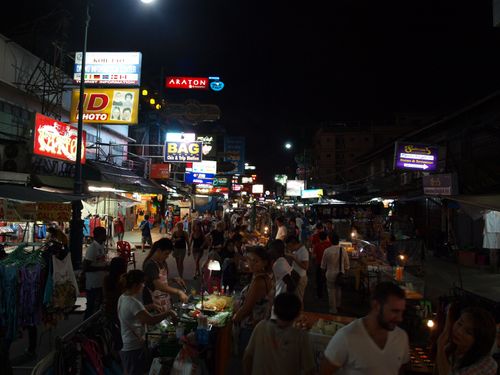
Bangkok’s backpacker carnival: curbside bars, live bands and DJs from 3pm–2am (midnight Sun). Street eats are cheap — pad thai 70–100 THB, mango sticky rice 60–100 THB. Come for wild people-watching; duck into Rambuttri for a calmer beer.
Baan Suan Nuan Ta
Hotels
Experience an abundance of unparalleled facilities and features at Baan Suan Nuan Ta.Share your photos and respond to emails at your convenience, thanks to the free Wi-Fi internet access offered by resort.
Recommended Products
More Khao San Road Guides
- Backpacker Packing List for Thailand’s Countryside: Small-Town Stays, Dirt Roads, and Rural Comforts
- Backpacker Packing List for Thailand’s Remote Towns: Essentials for Small Places and Fewer Stores
- Backpacker Packing List for Thailand’s Remote Towns: Small-Town Basics, Cash, and Limited-Service Travel Gear
- What to Pack for Thailand for Backpackers Visiting Rural Homestays and Village Stays