
What to Pack for Thailand for Family Visits and Staying with Locals: Host Gifts, Modest Layers, and Flexible Essentials
Pack smart for Thailand homestays: host gifts, modest layers, health essentials, and comfort gear for village, city, and island family stays.
We’re kicking off our Thailand homestay packing list on a teak porch in the late afternoon, sandals lined up by the steps, auntie pressing a sweating glass of nam manao (lime soda) into our hands. A ceiling fan clicks overhead. Down the soi, a dog starts a half-hearted bark at a passing tuk-tuk, and someone throws fish sauce and holy basil into a wok—pssssh, that basil sting in the nose. We’ve stayed with families from Isaan rice fields to island khlong-side homes, and packing well is the difference between being a polite, comfortable guest... and melting into a grumpy farang puddle.
Data Freshness + Pricing:
- Prices are approximate and in THB.
- Last checked: July 2026
- Happy hour and promo details change frequently—confirm locally.
Essential clothing and footwear for Thailand homestays
You don’t need much—Thailand loves light layers and quick-dry fabrics—but a few smart choices keep us comfy in village courtyards, temple-adjacent neighborhoods, and on plastic stools slurping noodles on Phra Athit Road.
Hot-weather basics that still look put-together
- Quick-dry tees or linen-blend shirts: breathable, rinse-and-repeat friendly. Two to three tops is plenty.
- Lightweight pants/skirts: ankle-length cotton or rayon keeps sun and mosquitoes off but won’t roast you. We carry one pair that passes the auntie test (i.e., looks tidy) and one more relaxed pair.
- Modest sleepwear: think T-shirt and shorts/pants you won’t be shy wearing to the shared bathroom. Thai homes often have open layouts.
- A light cardigan/scarf: perfect for temple runs, over-air-conditioned vans, and sitting with grandparents. A soft scarf also doubles as a lap cover on low stools.
Village- and temple-friendly options
If your homestay is near a wat (temple) or in a conservative village, go modest without overheating:
- A simple long skirt or loose pants for women and men—yes, men too; a pha khao ma (Thai checkered wrap) works great.
- Shoulders covered: cap sleeves or a breathable button-up keeps it respectful.
- Avoid deep-cut tanks and super-short shorts in family spaces. Save the beach kit for the beach.
Footwear: on-and-off is a lifestyle
Thai houses are shoes-off inside. We live in these three:
- Slide-on sandals/flip-flops: easy for door thresholds. We pay approx. 100–300 THB at markets.
- Secure walking sandals or breathable sneakers: for dirt lanes and errands. If you’ll help in fields or gardens, bring closed-toe shoes you don’t mind muddying.
- Thin socks: nice for tiled floors and temple visits.
Rain and sun
- Packable poncho (7-Eleven specials are approx. 20–40 THB) or a featherweight rain jacket. Even in the dry season, Bangkok clouds like drama.
- Sun hat or cap plus sunglasses. The midday Chao Phraya glare is no joke.
Laundry-friendly picks
- Quick-dry fabrics, a tiny tube or sheets of detergent, and a travel clothesline. In homestays we usually hand-wash at dusk and everything’s ready by morning.
- Darker colors hide inevitable chili oil and turmeric splotches.
Toiletries, personal care, and health items
Yes, 7-Eleven is everywhere, with that blissful AC whoosh, but we still pack a small, dialed kit—especially for island or rural stays where shops close early.
Sun, bugs, and first aid
- Reef-safe sunscreen: imported brands can run approx. 350–600 THB. Island shops mark up, so we bring our favorite.
- Insect repellent: DEET or picaridin, plus after-bite cream. Local repellent is approx. 80–200 THB.
- First-aid basics: plasters, antiseptic wipes, a few gauze pads, small roll of tape. Toss in oral rehydration salts (approx. 10–20 THB per sachet) for those afternoons the heat sneaks up on us.
- Meds we actually use: antihistamines for bites, pain reliever, anti-diarrheals (and we prioritize rehydration over loperamide unless we must travel), and any prescriptions with a copy of the script.
Hygiene and hard-to-find items
- Toiletries: solid shampoo/conditioner bars keep leaks in check; a small soap sheet pack; travel-size toothpaste and brush cover; nail clippers.
- Menstrual supplies: tampons can be rare in small towns; bring what you prefer or a cup you know well.
- Tissue packs and a small bottle of hand sanitizer for roadside bathrooms and bus stations.
- Light microfiber towel: many homestays provide towels; we still carry a quick-dry for beach days or sudden bucket baths.
- If you’ve got sensitive skin, pack your usual sunscreen and moisturizer. Finding unscented products can be tricky outside malls.
Water and tummy peace
- We never drink tap water. Most homes have bottled or filtered water. Bring a reusable bottle and refill where offered. If you’re sensitive, a compact filter bottle can be worth the bag space.
For general packing philosophy, we cross-check with our own baseline here: Backpacker Packing List for Thailand.
Practical travel gear for homestay comfort
This is the “makes everything easier” kit—the difference between fumbling for a phone light and feeling like a seasoned regular.
- Day bag or small backpack: 15–20L is perfect for snacks, a rain layer, and a gift or two for the family.
- Reusable water bottle (750 ml–1 L): stays filled, saves baht and plastic.
- Universal adapter and compact power strip: Thailand uses 220V, and outlets vary. A small power bank (10,000 mAh; approx. 400–800 THB at MBK) is clutch on rural minibuses.
- Headlamp or small flashlight: for power cuts, garden paths at night, or checking for the gecko behind the curtain.
- Travel-size umbrella: doubles as a sun shield at noon markets.
- Earplugs and eye mask: roosters, motorbikes, or a surprise karaoke session on Soi Rambuttri.
- Lightweight sleep liner or sarong: not mandatory—most homestays offer clean bedding—but nice for an extra layer under a fan.
- Dry bag: essential for island longtail rides and khlong spray; 5–10L does it.
- Tiny gift pouch: we keep small presents ready to avoid a last-minute scramble (see cultural section below).
- Zip pouches: keep chargers and meds away from curry-scented snacks.
If you’re staying longer-term with family, our extended-stay choices come from this checklist: What to Pack for Thailand for Long-Stay Backpacking: Reusable Essentials, Repair Items, and Comfort Upgrades.
Money, documents, and connectivity essentials
Even if your cousin is picking us up at Mo Chit and auntie’s already cooking tom yum, we keep our admin squeaky clean.
- Cash in small bills: 20s and 50s are useful for markets, songthaews, and temple donations (approx. 20–100 THB). ATMs often charge approx. 220–250 THB per withdrawal; withdraw larger amounts or bring fee-free cards.
- Passport and copies: one printed, one digital. Keep visa and insurance details handy.
- Local address in Thai: have the homestay or family write it cleanly; it saves time with taxi drivers.
- Travel insurance info: printed and saved offline. Clinics can be pay-first; receipts help claims later.
- SIM/eSIM planning: AIS, True, and DTAC tourist packages run approx. 150–600 THB for 7–15 days of data. eSIMs make airport arrivals smoother. Rural coverage can vary—download Thai for Google Translate and maps offline.
- Reservations and transport confirmations: screenshots for when the signal drops on the Chao Phraya Express boat.
If it’s your first time in the Kingdom, this primer helps set expectations: Thailand Packing List for First-Time Backpackers: What to Bring and What to Leave Behind.
Thailand Homestay Packing List: cultural and location-specific tips
We’re guests in someone’s space. A few thoughtful items turn a polite “sawadee ka/krub” into real sanuk—shared joy.
Easy, appreciated host gifts
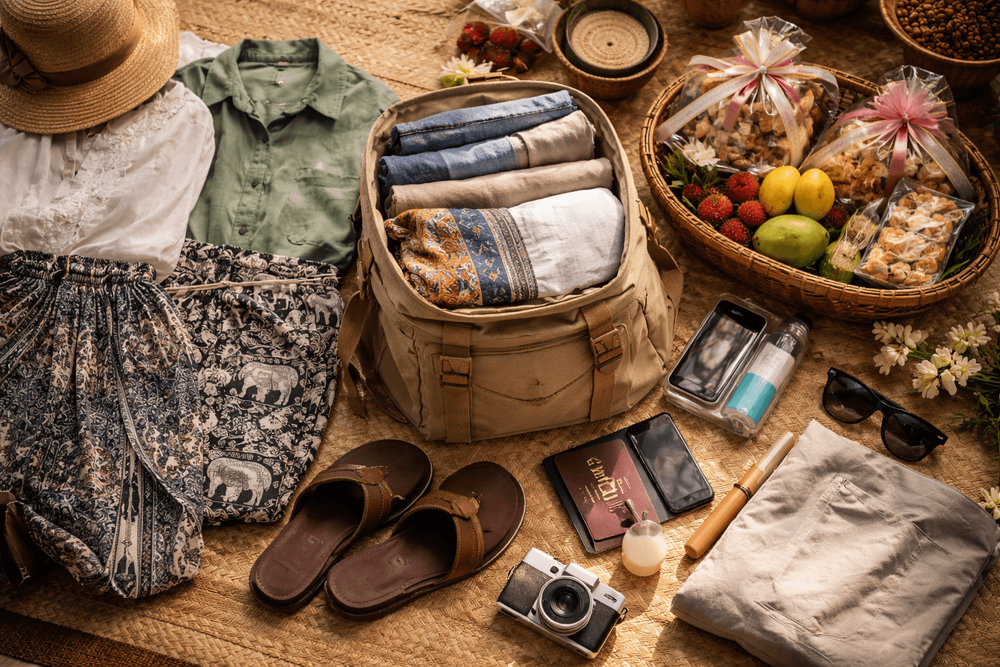
- Fresh fruit basket from a local market (mango, longan, rambutan in season). Budget approx. 200–400 THB.
- Snacks to share with tea: Thai-style cookies, crispy banana chips, or a small tin of butter cookies that kids can raid.
- A small something from home: good coffee, regional tea, maple sweets, nice chocolate—non-melty preferred.
- For kids: stickers, coloring books, or a simple card game. Avoid noisy gadgets or anything expensive.
- Alcohol: only if you know it’s welcome. Some families don’t drink; others will beam at a small bottle of whisky. When unsure, skip.
Tip: Wrap gifts simply. No need for elaborate bows—polite presentation and two hands when giving are perfect.
Dress codes shift with the setting
- City families (Bangkok, Chiang Mai): casual is fine, but save beachwear for the beach. A neat T-shirt and long shorts/pants do the trick.
- Rural villages: more modest. Bring that scarf or button-up and longer bottoms. You’ll blend in and earn approving nods from aunties.
- Island communities: reef-safe sunscreen, a sturdy dry bag, and water shoes if you’ll wade over coral or rocky shallows.
House etiquette items
- Slip-on sandals for quick on/off at thresholds.
- Thin socks if the floor’s cool or you don’t want bare feet inside.
- A small toiletries hook or carabiner: many bathrooms have limited shelves—hang your kit.
Food and allergies
- If you’ve got allergies or don’t eat pork/beef/seafood, prep a Thai-language card. A simple “I cannot eat X” card saves awkwardness at dinner.
- A tiny jar of your favorite seasoning (chili crisp, furikake) is a fun show-and-tell—use sparingly and always try the house meal first.
Common packing mistakes we see (and make, once)
- Overpacking heavy shoes and jeans. They never dry and you won’t wear them.
- Only bringing tank tops and short shorts. Great for Khao San at midnight; awkward at grandpa’s morning ceremony.
- Forgetting small bills and a paper copy of the address in Thai.
- Leaving gifts until the last minute, then panic-buying durian on the bus. Pro tip: durian is a car perfumer you can never unsmell.
- Bringing a bulky mosquito net. Most places have fans, screens, or nets—ask ahead.
Sustainability without being preachy
- Reusable bottle, tote bag, and compact cutlery stop the single-use pileup.
- Refill stations and big jugs are common in homes; ask before cracking new plastic.
Sample checklist for a 1–2 week Thailand homestay
- 2–3 quick-dry tees or light shirts
- 1 long skirt/loose pants (temple/village)
- 1 casual pants/shorts you can sit cross-legged in
- Light scarf/cardigan
- Modest sleepwear
- Slide-on sandals + walking shoes
- Packable rain layer + small umbrella
- Hat, sunglasses
- Toiletry kit (solid shampoo, toothpaste, razor)
- Sunscreen, insect repellent, after-bite
- First-aid basics + meds + ORS
- Menstrual supplies
- Reusable water bottle, microfiber towel
- Day bag, dry bag
- Universal adapter, small power bank, cables
- Headlamp/flashlight, earplugs, eye mask
- Travel clothesline + detergent sheets
- Host gifts (snacks/fruit/small item from home)
- Cash in small bills, passport copies, insurance info
- Thai-address card, SIM/eSIM sorted, offline maps
Where we crash before or after the homestay
We often stage in Bangkok to snag buses, gifts, and that one-size-fits-nobody adapter:
- When we want Old City vibes near temples and river piers, we tuck into the quiet charm of Holmes Pranakorn after a sunset stroll on Phra Athit. It’s calm enough to hear the night insects.
- If we’re running errands in Silom—Thai fabric shops, bank runs, and a celebratory curry—we like the garden pool and old-school poise at The Rose Residence. It’s a soft landing after a red-eye.
- On a tight budget near the BTS for quick escapes to Ekkamai or Mo Chit bus terminals, Sukhumvit 50 hostel keeps it simple, friendly, and close to convenience stores for last-minute gift runs.
Know before you go: quick logistics and ballpark costs
- Host gift budget: approx. 200–500 THB covers fruit and sweets. Add more if you’re bringing a specialty from home.
- Laundry: village shops charge approx. 30–60 THB per kg; many families have a hand-wash rhythm—offer to help hang clothes.
- Local rides: short motorcycle taxi hops are approx. 20–40 THB; meter taxis in Bangkok start around approx. 35 THB. Songthaew rides in small towns can be approx. 10–30 THB.
- Temple visits: shoulders/knees covered. Donation boxes are common; slip in a quiet 20–50 THB if you feel moved.
- Weather reality: you will sweat. We plan midday rests, then re-emerge as the air cools and the woks re-ignite.
For gear nerds or if you’re still trimming your pack weight, we also lean on this primer: Backpacker Packing List for Thailand.

We’ll leave you with this: pack light, dress with a little village respect, and show up with a smile and fruit. The rest is improvisation—shared kitchens, plastic stools, new cousins, and a hundred tiny moments you can’t plan. We’ll save you a seat under the fan when the wok hits holy basil and the evening cool finally slides down the soi.
Related Hotels & Places
Recommended Products
More Khao San Road Guides
- Backpacker Packing List for Thailand’s Family Visits: Gifts, Respectful Dress, and Easy Shared-Trip Essentials
- Thailand Packing List for Backpackers Traveling with Kids: Family-Friendly Gear for Lightweight Trips
- What to Pack for Thailand for Backpackers Visiting Temples and Rural Areas: Respectful Clothing, Footwear, and Light Layers
- What to Pack for Thailand for Backpackers Visiting Rural Homestays and Village Stays