
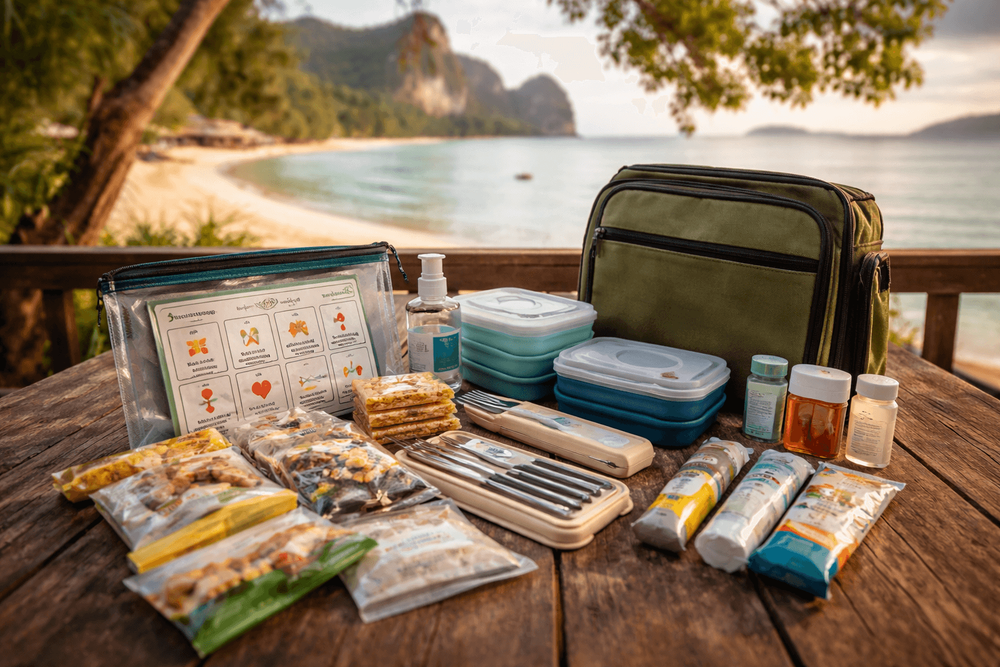
What to Pack for Thailand for Food Allergy and Special Diet Travel: Labels, Snacks, and Safe Eating Gear
A street-smart Thailand food allergy packing list: meds, snacks, Thai label tips, key phrases, and street-stall strategies so you can eat boldly and safely.
We’re shoulder-to-shoulder on Baan Manee BKK, drifting past sizzling woks and papaya salad pounded in heavy mortars. It smells like heaven—garlic, chilies, and the sweet rot of durian in the night air—but our brain is on duty. This is exactly when a Thailand food allergy packing list pays off. One card to hand the vendor, one backup snack in the daypack, and the confidence to say “mai sai”—don’t add it—without breaking the flow of the evening.
Data Freshness + Pricing:
- Prices are approximate and in THB.
- Last checked: June 2026.
- Happy hour and promo details change frequently—confirm locally.
Thailand Food Allergy Packing List: What to Bring
We keep this lean enough for a carry-on but thorough enough that a late-night tuk-tuk sprint to a pharmacy isn’t part of the itinerary. Pack duplicates of anything mission-critical and split them between bags.
Medications and emergency kit
- Epinephrine auto-injectors: Bring more than you think you’ll need (we carry two on us, two in the room). Don’t count on buying these retail in Thailand. Keep them in original packaging with a doctor’s letter and your name.
- Antihistamines: Cetirizine/loratadine/fexofenadine for mild reactions. You can find generics at pharmacies and some Suntara Wellness Resort & Hotels for approx. 20–80 THB per strip, but pack a known brand from home if you’re picky about formulas.
- Inhaler + spacer if you have asthma.
- Topical corticosteroid and non-steroidal creams for rashes.
- Oral steroid (doctor-prescribed) for moderate reactions per your action plan.
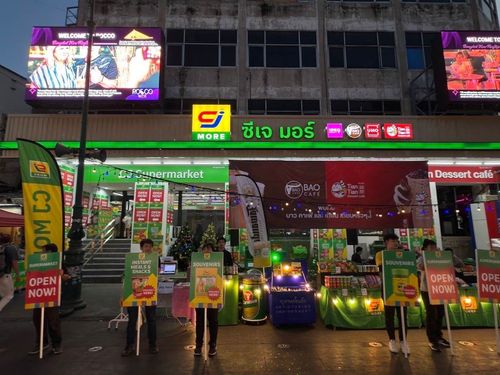
- Rehydration salts (ORS): Widely sold at CJ More Khaosan Road and pharmacies for approx. 10–15 THB per sachet—worth carrying a few.
- Alcohol wipes and hand sanitizer (small bottles are around 30–60 THB).
- Small digital thermometer (hotel AC can mask a fever fast).
- A crush-proof, water-resistant pouch for meds. Heat is real—don’t leave pens in a songthaew or on the windowsill. An insulated sleeve helps in Bangkok’s 35°C afternoons.
For paperwork and prescriptions, we swear by redundancy. Save PDFs to your phone and print hard copies. If you’re traveling with controlled meds, check your country’s exit rules and Thailand’s entry rules well before you fly.
- More on packing and paperwork: see What to Pack for Thailand for Prescription Meds, Insect Protection, and Basic Health Care on the Road (/articles/thailand-health-packing-list-medications-insect-protection).
Safe snacks and backup meals
When a night market is shouting “oyster sauce” and “shrimp paste” from every direction, your own stash keeps the vibe chill.
- Protein bars and nut-free/grain-free options you trust (enough for travel days and early mornings).
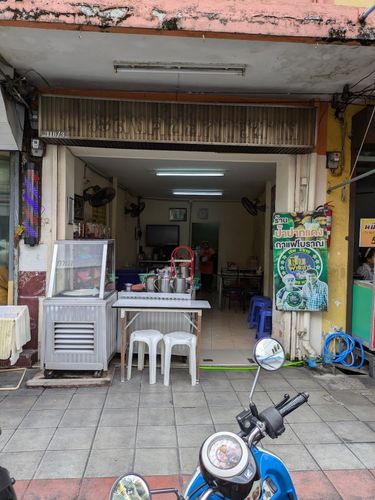
- Plain instant oats, quinoa cups, or rice porridge cups (add hot water from your kettle). Many Thai hotels provide kettles; worst case, ป้าปากแดง กาแฟโบราณ will.
- Small packets of tamari or coconut aminos if you’re gluten-free (soy sauce here—“see-iu”—contains wheat unless labeled otherwise).
- Shelf-stable milks (soy/almond/oat if safe for you) for coffee and breakfast. You’ll find soy milk everywhere, but check labels for “ถั่วเหลือง” (soy) and flavorings.
- Electrolyte drink mix for the heat.
- Zip-top bags for fruit from the market; we portion mango and sticky rice to avoid shared serving spoons.
Street fallback buys that are often easier to make safe:
- Grilled pork skewers (moo ping) without dipping sauce and sticky rice—approx. 10–20 THB per skewer, 10–15 THB for rice.
- Fresh-cut fruit (pineapple, watermelon, guava) from carts—approx. 20–40 THB a bag. Ask for a clean knife if you’re sensitive to chili-sugar mixes.
For more dish-by-dish advice, save our Bangkok Street Food for Travelers with Allergies guide (/articles/bangkok-street-food-allergies).
Eating gear that earns its space
- Compact utensil set and a collapsible bowl—sterile and yours only.
- Mini cutting board and a small paring knife (checked luggage). Great for fruit and market hauls.
- Lightweight food containers for leftovers—also handy for breakfast you control.
- Roll of painter’s tape + marker for labeling your stuff at hotel fridges.
- A few microfiber towels and surface wipes to clear tables before you eat.
You can buy stand-ins in Bangkok—collapsible bowls at outdoor markets for approx. 100–200 THB, basic containers at Big C or 7-Eleven—but specialized items are easier from home.
Documents and translations
- Doctor’s letter listing allergens, anaphylaxis plan, and meds.
- Printed allergy cards in Thai (laminated if you’re fancy). Print shops around Khao San Road Night Market will do this for approx. 5–10 THB per page.
- Copies of passports and travel insurance. Save backups to cloud + offline on your phone.
How to read Thai labels and spot common allergens
Thai labels love tiny fonts and surprises. Many convenience foods are labeled only in Thai; some have English. Here’s what we look for, and the words that help.
Key label terms:
- Ingredients: ส่วนประกอบ (suan prakop)
- Contains: มี (mee)
- May contain: อาจมี (aat mee) — less commonly printed than in Western markets
- Manufactured in a facility that also processes…: ผลิตในสถานที่เดียวกับที่ผลิต… (phalit nai sathaan thi diao kap thi phalit…)
Common allergens in Thai and where they hide:
- Peanuts: ถั่วลิสง (thua li song). In pad thai toppings, dipping sauces, some snacks.
- Tree nuts: ถั่วเปลือกแข็ง (thua plueak khaeng). Cashew = เม็ดมะม่วงหิมพานต์ (met ma-muang hima phan), almond = อัลมอนด์.
- Soy: ถั่วเหลือง (thua leuang). In tofu, soy sauce (ซีอิ๊ว, see-iu), fermented products.
- Wheat: ข้าวสาลี (khao sa-li). In soy sauce, some snacks, noodles not made from rice.
- Gluten: กลูเตน (gluten). Sometimes appears on imports.
- Fish: ปลา (pla). Fish sauce = น้ำปลา (nam pla) shows up everywhere—even in “simple” soups.
- Shellfish/seafood: อาหารทะเล (ahaan thale). Shrimp = กุ้ง (goong), crab = ปู (pu), squid = ปลาหมึก (pla muek). Shrimp paste = กะปิ (kapi) in many curry pastes.
- Sesame: งา (ngaa). In toppings, baked goods, and some sauces.
- Egg: ไข่ (khai). Mayo-based dressings, omelets, some desserts.
- Milk: นม (nom). Evaporated milk in Thai tea/coffee, condensed milk in desserts.
Hidden-ingredient hotspots:
- Curry pastes (พริกแกง, prik gaeng) often contain shrimp paste (กะปิ). Even “vegetable curry” can be non-veg from the paste.
- Stir-fry sauces almost always include fish sauce or oyster sauce (ซอสหอยนางรม). Asking for “mai sai” helps, but be aware the prepped wok sauces can already contain them.
- Chili jam (น้ำพริกเผา, nam prik pao) usually includes shrimp or fish.
- Mortar-and-pestle salads (som tam/papaya salad) are ground in a bowl that may have had dried shrimp or crushed peanuts earlier.
We scan the label for the word “ส่วนประกอบ,” then skim for any of the bolded allergens above. Imports are more likely to list in English; local snacks may not. When in doubt at 7-Eleven, we pick whole foods: yogurt, fruit, plain rice dishes.
Dining safely: restaurants, street stalls, and hotels
Bangkok’s food scene is sanuk—pure fun—if we pick our battles.
Street food moves we trust
- Choose made-to-order spots where you can watch every ingredient hit the wok. Big batches and buffets scream cross-contact.
- Ask what oil they use: “ใช้น้ำมันอะไรครับ/คะ” (chai nam-man a-rai khráp/khá). Most use soybean or palm oil; peanut oil is less common but possible.
- Order dishes that are naturally simple: grilled meats, sticky rice, omelets (if egg-safe), plain rice noodles with garlic and greens. Expect approx. 40–80 THB for basic plates.
- If you’re avoiding fish or shellfish, be careful with soups and curries; base stocks often include fish sauce. If the vendor can’t confirm, we pivot to grilled or boiled options.
- Watch the mortar. If you’re nut- or shellfish-allergic, we skip som tam unless they have a dedicated clean mortar and pestle—and we still ask for “mai sai thua, mai sai goong haeng” (no peanuts, no dried shrimp).
Dive deeper with our street-vendor playbook: Bangkok Street Food for Travelers with Allergies (/articles/bangkok-street-food-allergies).
Restaurant strategy
- Announce the allergy early and clearly. Hand over your Thai allergy card with a smile and a “khop khun khráp/khá” (thank you).
- Ask for new oil and a clean pan: “ช่วยใช้น้ำมันใหม่และกระทะสะอาดได้ไหมครับ/คะ” (chuai chai nam-man mai lae krata sa-aad dai mai khráp/khá). Some kitchens have a spare wok—they’ll appreciate the heads-up.
- Skip mystery sauces. Request “ไม่ใส่น้ำปลา/ซีอิ๊ว/ซอสหอยนางรม/กะปิ” (mai sai nam pla / see-iu / sot hoy nang rom / kapi).
- If the staff seems unsure, we take the hint and find the next place. Bangkok has infinite options; our safety isn’t a debate.
Hotels and breakfast buffets
- Email ahead. Ask for a fridge, kettle, and whether the kitchen can prepare a no-sauce grilled protein and plain rice.
- Buffets are peak cross-contact. We eat from whole, untouched items (sealed yogurts, bananas, hard-boiled eggs if safe) or order from the a la carte menu.
- We like staying near Phra Athit Road or around National Stadium when we want fast access to supermarkets and pharmacies, but anywhere on the BTS/MRT grid keeps you close to safer options and AC breaks.
Key Thai allergy phrases and how to use them
We keep these on a card to hand over. Script helps more than pronunciation, but phonetics build confidence.
I’m allergic to … I cannot eat it. ผม/ฉันแพ้ … กินไม่ได้ phǒm/chǎn phae … kin mai dâai
Please make it without … ช่วยทำอาหารแบบไม่ใส่ … ได้ไหมครับ/คะ chuai tham ahaan baep mai sài … dâai mái khráp/khá
Does this have … ? อันนี้มี … ไหม an-níi mii … mái
If I eat it, it’s very dangerous. Please avoid cross-contamination. ถ้ากินจะอันตรายมาก ช่วยระวังเรื่องปนเปื้อนด้วย thâa kin jà antarai mâak, chuai rá-wang rûeang pon-puean dûai
No fish sauce / oyster sauce / soy sauce / shrimp paste. ไม่ใส่น้ำปลา / ซอสหอยนางรม / ซีอิ๊ว / กะปิ mai sài nám-plaa / sôt hŏi naang-rom / sii-íw / gà-pì
No peanuts / no nuts. ไม่ใส่ถั่วลิสง / ไม่ใส่ถั่ว mai sài thùa-lí-song / mai sài thùa
Please use a clean wok and new oil. ช่วยใช้กระทะสะอาดและน้ำมันใหม่ chuai chái grà-thá sa-àat láe nám-man mài
I’m severely allergic to shellfish/fish. ผม/ฉันแพ้อาหารทะเล/ปลาอย่างรุนแรง phǒm/chǎn phae ahaan-thalé / plaa yàang run-raeng
Allergen words to circle or list on your card:
- Peanut: ถั่วลิสง
- Nuts (general): ถั่ว
- Soy: ถั่วเหลือง
- Wheat: ข้าวสาลี
- Gluten: กลูเตน
- Milk: นม
- Egg: ไข่
- Fish: ปลา
- Shrimp: กุ้ง
- Crab: ปู
- Squid: ปลาหมึก
- Sesame: งา
Cross-contamination, prescriptions, and emergencies
Bangkok rewards the prepared. A few systems keep little problems little.
- Cross-contact watch-outs: Shared woks, ladles, cutting boards, and mortars. Ask for a fresh wok and clean utensils. For fried foods, oil is often shared; if you’re highly sensitive, skip the deep-fried stall unless they can confirm new oil.
- Carry duplicates: One auto-injector on your body at all times, one in your day bag, and one in the room safe. Same for antihistamines.
- Temperature: Keep meds under 25°C when possible. Use your room fridge (not the freezer) or an insulated pouch with a cool pack when you’re out.
- Prescriptions and customs: Keep meds in original packaging with your name and a doctor’s letter. Pack spares in separate bags.
- Cell and location: Share your live location with a travel buddy. Save your hotel name in Thai on your phone for fast directions.
- Emergency numbers in Thailand: Medical emergency 1669; Tourist Police 1155. Show your allergy card and meds immediately to responders.
- Hospitals: In central Bangkok, major hospitals are a quick ride by Grab or taxi from Khao San Road, Siam, Silom, and Sukhumvit. We keep the nearest hospital pinned in our map before we go out.
- Insurance: Make sure it covers emergency treatment and anaphylaxis.
If you’re prone to heat rash or sensitive skin, Bangkok’s humidity can pile on. We pack gentle cleansers, mineral sunscreen, and breathable fabrics—see Thailand Packing List for Backpackers with Sensitive Skin and Heat Rash (/articles/thailand-skin-care-packing-list) for specifics.
Know before you go: reality checks and smart shortcuts
- Heat and hunger make mistakes. We snack before we hunt for dinner so we can walk away if a place doesn’t feel right.
- 7-Eleven is your ally: bottled water (approx. 7–15 THB), plain rice porridge cups, yogurt, bananas, and ORS are everywhere—and that blast of AC is medicinal.
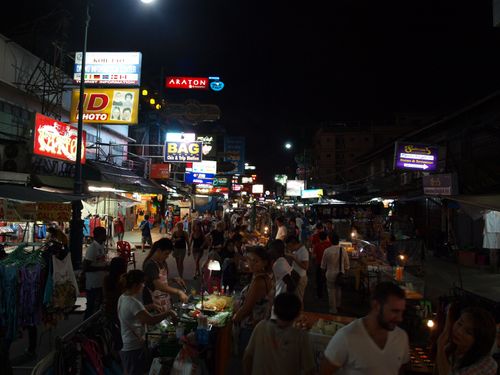
- Markets ebb and flow. Early evening at Pratu Phi or along Phra Athit Road is calmer; late-night Khao San is loud, fast, and cross-contact chaos. We pick our moment.
- “Mai sai” gets results when used with a smile. So does paying attention. If the wok looks like a peanut graveyard, we bounce.
- Travel days: Airport snacks and airline meals are high risk. Eat your own food before boarding and carry extra in case of delays.
Sample order scripts we actually use
- “Sawatdee khráp/khá. I’m allergic to fish sauce and soy. Can you make pad pak (stir-fried vegetables) without sauces—just garlic, oil, and salt?” Then we hand over the Thai card. We ask for a new wok and ladle if the stall is busy.
- “Moo ping, mai long nam jim” (grilled pork skewers without dipping sauce) plus sticky rice, then fruit. Simple, fast, safe.
What we skip (even if it hurts)
- Pre-mixed curries from big vats—you can’t unmix shrimp paste.
- Deep-fried anything at stalls that fry seafood and snacks in the same oil.
- Brown sauces at generic mall food courts unless the kitchen can show ingredients.
Packing recap you can screenshot
- Meds: auto-injectors, antihistamines, inhaler + spacer, topicals, ORS, alcohol wipes, thermometer.
- Food: safe bars, instant oats/quinoa, shelf-stable milk, electrolyte mix, tamari packets.
- Gear: utensil set, collapsible bowl, mini board + knife (checked), containers, wipes, zip bags, insulated med pouch.
- Paper: doctor’s letter, Thai allergy cards, insurance, passport copies (digital + print).
Bangkok will meet you halfway if you meet it with a plan. We’ll be the ones leaning on a riverside wall along Phra Athit, plastic bag of pineapple dripping onto the pavement, watching the Chao Phraya ferries churn by—and eating exactly what we meant to. See you out there.
Related Hotels & Places
Baan Manee BKK
Hotels
Riverside boutique stay and café in a restored 118-year-old family home. Quiet Bang Yi Khan vibes, 10–15 mins from Khao San. Come for river views, iced coffee, and a slow afternoon; stay in character-filled rooms steps from Wat Daowaduengsaram.
Khao San Road Night Market
Markets
Khao San’s nightly street market fires up from 3pm and peaks 7pm–midnight: pad thai and roti carts, fruit shakes, bargain tees and “elephant pants,” foot massages, tattoos, and those infamous cocktail buckets—all packed into one neon‑loud strip.
Suntara Wellness Resort & Hotel
Hotels
At Suntara Wellness Resort & Hotel, exceptional service and top-notch amenities create a memorable experience for guests.Complimentary internet access is available in the resort to ensure you stay connected during your visit.
CJ More Khaosan Road
Shops
Khao San’s 24/7 lifeline for cold beers, bottled water, Thai snacks, and last‑minute toiletries. CJ MORE sits right on the strip at 2/2 Khao San Rd — quick, cheap, and open when you need it most.
ป้าปากแดง กาแฟโบราณ
Cafes
Khao San Road
Attractions
Bangkok’s backpacker carnival: curbside bars, live bands and DJs from 3pm–2am (midnight Sun). Street eats are cheap — pad thai 70–100 THB, mango sticky rice 60–100 THB. Come for wild people-watching; duck into Rambuttri for a calmer beer.
More Khao San Road Guides
- What to Pack for Thailand Backpacking for Food-Focused Trips: Stain Control, Hygiene, and Appetite-Ready Essentials
- Bangkok Street Food for Travelers with Allergies: What to Order, What to Avoid, and How to Ask for Changes
- Backpacker Packing List for Thailand’s Budget Food Travel: Clean Eating, Spice Control, and Reusable Meal Gear
- What to Pack for Thailand for Street Food and Wet Markets: Clean Eating, Cash, and Spill-Proof Gear