
How to Get from Bangkok to Chiang Mai on a Night Journey: Sleep, Arrival, and Transfer Tips
Sleep your way from Bangkok to Chiang Mai. Trains, buses, or late flights — our insider tips on berths, seats, stations, and arriving fresh at dawn.
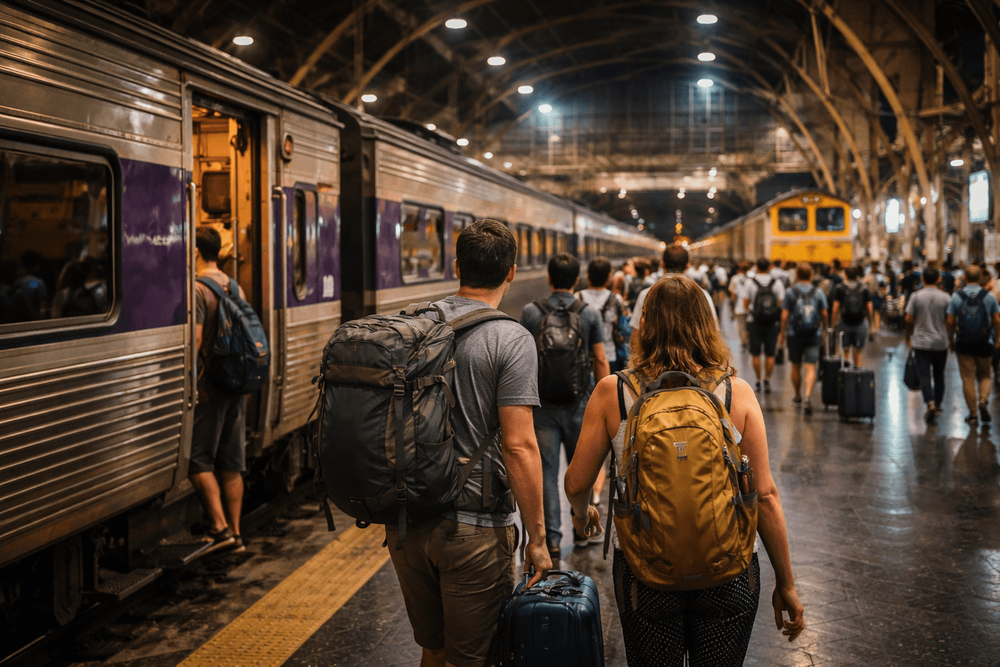
We’re standing under the fluorescent glow of Krung Thep Aphiwat’s departures board, backpacks snug, a bag of 7-Eleven snacks sweating in the AC. Outside, Bangkok still sizzles — wok smoke and motorbike exhaust, the last tuk‑tuks buzzing past. Inside, it’s quiet anticipation. This, right here, is Bangkok to Chiang Mai night travel: we sleep through the long haul, roll into the mountains at dawn, and start the day with a hot coffee as the city wakes.
Bangkok to Chiang Mai night travel at a glance
Night travel is for anyone who wants to trade a hotel night for forward motion. We do it when we’re:
- Stretching the budget (a berth or bus seat costs less than a room + day travel)
- Short on time (arrive early and still have a full Chiang Mai day)
- Chasing sanuk — that spirit of fun — in the small rituals of Thai transit: platform pad kra pao, station coffees, and the soft clack‑clack of rails
Who it suits:
- Planners who can book the best berths/seats ahead
- Heavy sleepers who love white noise (train hum, bus AC)
- Early birds who won’t mind a 5–7 am arrival
Who should rethink it:
- Light sleepers, or anyone with back issues — though a lower train berth can still be gentle
- Families with very young kids (unless booking a private train cabin)
- Travelers carrying lots of fragile gear (flights may be kinder)
Your night options
You’ve got three realistic ways to move north after dark: sleeper train, overnight bus, and a late flight (not a true red‑eye — Chiang Mai Airport usually rests overnight). Each has its vibe, cost, and trade‑offs.
Sleeper train: the classic
- Departures: Evening from Krung Thep Aphiwat (Bang Sue Grand Station); arrivals early morning at Chiang Mai Railway Station east of the Ping River
- Duration: About 10.5–13 hours depending on the train number and stops
- Comfort: 1st‑class private cabins (2 berths, lockable door, AC) or 2nd‑class AC sleepers (open plan, curtained bunks). Lower berths are wider and quieter; uppers are cheaper but a touch narrower
- Cost: Roughly 900–1,200 baht for 2nd‑class; 1,500–2,200 baht for 1st‑class cabin per person, season and train dependent
- Vibe: Soft rocking, chai in paper cups, the night unfolds along rice fields and khlongs before dawn light hits the hills
- Booking: Popular berths sell out, especially lower berths and 1st‑class cabins. Book as early as you can. For deeper details on classes, what to pack, and photos of berths, we break it down here: Bangkok to Chiang Mai by Night Train: Sleeper Classes, Booking Tips, and What to Expect
Overnight bus: faster, colder, cheaper
- Departures: Evening from Bangkok Bus Terminal (Chatuchak/Mo Chit 2) with various classes — Express, VIP 32, VIP 24 (bigger recliners)
- Duration: About 9–11 hours depending on operator, traffic, and rest stops
- Comfort: Reclining seats, blankets, blasting AC, and an onboard toilet (VIP classes); one or two rest stops at neon-lit food courts around midnight or 2 am
- Cost: Around 500–1,000 baht depending on class
- Vibe: Bright snacks, ice‑cold air, Thai karaoke videos at a polite volume, and that steady highway hum
- Booking: Seats near the middle are smoother; front is quieter; avoid the last row if you value knees and silence. We’ve got seat class comparisons and operator tips here: Bangkok to Chiang Mai by Bus: Overnight Routes, Comfort, Stops, and Best Booking Tips
Late flight: quickest, but not truly overnight
- Departures: Late‑evening flights from Suvarnabhumi (BKK) or Don Mueang (DMK); arrivals in Chiang Mai (CNX) typically by late evening — true red‑eyes are rare due to airport hours
- Duration: 1h 15m in the air, but add airport transit + check‑in + waiting; door‑to‑door, it can rival the train
- Comfort: Comfy enough, short and sweet. If you like your sleep in a real bed, this lets you check into Chiang Mai late and crash immediately
- Cost: Often 900–2,500 baht depending on demand and baggage; watch for promo fares
- Vibe: Jet, land, taxi, bed. Not romantic, very efficient
If you’re still deciding which mode suits your style and schedule, we’ve compared all three head‑to‑head here: Bangkok to Chiang Mai at Night: Sleeper Train vs Overnight Bus vs Red-Eye Flight
Comfort, time, cost — the real‑world comparison
Let’s strip the marketing and talk what actually matters at 2 am when your neck pillow betrays you.
Sleep quality
- Best: 1st‑class train cabin (door locks, real flat berth)
- Solid: 2nd‑class lower berth (wider, less sway, less AC blast)
- Okay: VIP 24‑seat bus (recliner, bring a scarf — AC is polar)
- Least restful: Late flight if you then scramble for a taxi/hotel at midnight
Motion and noise
- Train is rhythmic, soothing for many; occasional jolts at sidings
- Bus is smoothest mid‑coach; back row gets engine, bathroom, and bounce
- Planes are short, but the airport shuffle is not
Toilets and breaks
- Train: Shared, basic but fine; bring tissue and sanitizer
- Bus: Onboard toilet; rest stop toilets tend to be cleaner, bring small change
- Flight: Airport facilities are best, but you only get them before/after
Luggage handling
- Train: Keep big bags in the rack; valuables in your berth
- Bus: Large bags go underneath; tag them and keep your passport/tech with you
- Flight: Standard airline rules; checked baggage fees can tilt the math
Costs (ballpark, one way)
- Bus: 500–1,000 baht
- Train: 900–2,200+ baht depending on class
- Flight: 900–2,500+ baht depending on baggage and timing
Time door‑to‑door (central Bangkok to Old City Chiang Mai)
- Train: 12–14 hours (but you’re asleep most of it)
- Bus: 10–12 hours (plus transfers to/from terminals)
- Flight: 4–6 hours including airport hops and waiting
Want a broader overview including day options and when each shines? Bookmark this: Bangkok to Chiang Mai: The Best Ways to Travel
Pro tips for a smoother overnight
We’ve learned these the fun way — and the hard way.
Picking the right berth or seat
- Train
- Choose a lower berth if you’re tall or light‑sensitive; uppers are brighter at night near carriage lights
- Couples: 1st‑class cabin is worth it if you crave privacy
- Bring a light scarf — AC can be fierce and you’ll sleep better warm
- Bus
- VIP 24 is the sweet spot for legroom
- Middle of the bus rides smoothest; front is quieter; avoid the back row
- Keep shoes on for the restroom; trust us
What to pack in your small day bag
- Eye mask, earplugs, warm layer (hoodie or sarong)
- Wet wipes, hand sanitizer, tissues
- A proper water bottle and a small coffee or tea sachet — hot water is easy to find at stations and rest stops
- Snacks: sticky rice and moo ping from a street cart near the terminal beats any boxed bun
- Phone battery pack and offline maps
Safety and sanity
- On trains, keep valuables on you or clipped to the berth; 1st‑class cabin doors lock
- On buses, never place passports or electronics in the undercarriage
- Ignore touts shouting “taxi taxi” the second you arrive; use the official taxi counter, Grab, or a metered ride
- Don’t over‑hydrate before you sleep — minimize midnight bathroom wanderings
Station and terminal logistics in Bangkok
- Krung Thep Aphiwat (Bang Sue Grand Station)
- Easiest via MRT Blue Line to Bang Sue; it’s a short, well‑signed walk to long‑distance platforms
- Food: basic stalls inside, but better eats just outside at night — think khao ka moo and grilled chicken skewers
- Arrive 30–45 minutes early to find your platform without a sprint
- Bangkok Bus Terminal (Chatuchak / Mo Chit 2)
- BTS Mo Chit or MRT Chatuchak Park/Kamphaeng Phet, then taxi or motorbike to the terminal (10–15 minutes if traffic plays nice)
- Expect hawkers; buy tickets at official counters or pre‑book online with reputable platforms
- Airports (BKK/DMK)
- Suvarnabhumi (BKK) has the Airport Rail Link; Don Mueang (DMK) connects to SRT Red Line. Add buffer time — Bangkok traffic can kill a plan
Arrival in Chiang Mai: transfers, coffee, and first moves
Rolling into Chiang Mai at sunrise is a small joy: cool air, orange light on temple roofs, the smell of jasmine and grilled pork. Here’s how we get from platform to pillow.
From Chiang Mai Railway Station
- Location: About 3 km east of the Old City moat (Tha Phae Gate side)
- Options: Red songthaews (shared trucks) line up outside; expect 40–60 baht per person into the Old City, more to Nimmanhaemin. Grab is widely used; meter taxis exist but are rarer
- Early arrival: Some guesthouses will store bags before check‑in; we often freshen up with a quick foot massage near the moat (200–300 baht) and a caffeine hit while the city stirs
From Arcade Bus Terminal (Chiang Mai Bus Terminal 2/3)
- Location: Northeast of town near the Superhighway
- Options: Red songthaews wait by the exits. Agree on a price before hopping on; 40–80 baht per person is typical to the Old City depending on your timing and group size. Grab works well here too
- Pro tip: If you’re headed straight to Warorot Market or the riverfront area, it’s a short hop; save the Old City wander for later when cafés are open
From Chiang Mai Airport (CNX)
- Location: Just southwest of the Old City — close enough to hear the occasional takeoff from your soi
- Options: Airport Taxi counter has flat rates (usually 150–200+ baht to the Old City). Grab is easy and often similar. The R3 Smart Bus circles the Old City and Nimman for about 30–40 baht; great if you’re traveling light and awake enough to navigate
Early‑morning strategies
- Check‑in math: If you’re arriving at dawn from the train or bus, consider booking a hotel for the previous night and message them you’ll check in late. Otherwise, stash bags and plan a soft landing morning
- First food: Markets wake up early — Warorot (Kad Luang) is our go‑to for fruit, pork skewers, and rice porridge. Khao soi stalls kick off closer to late morning; save that bowl for brunch
- Gentle first day: Walk the moat, count temple roofs (Wat Phan Tao is a vibe in the morning), then nap before sunset. Don’t cram Doi Suthep, elephant sanctuaries, and a cooking class into day one — you’ll burn out
We usually crash in the Old City or around Tha Phae Gate after a night journey — easy walks, mellow sois, and lots of cafés that open early. If you’re the farang who needs your laptop and latte by 9 am, Nimmanhaemin is a sweet landing zone with wide sidewalks and endless coffee.
Sample overnight timelines that work
The sleeper rhythm
- 18:30: MRT to Bang Sue, grab snacks and a hot tea
- 19:30: Board, stow big bag on the rack, valuables in the berth
- 20:30: Berths made up by staff; lights dim; eye mask on
- 06:30: Wake to mountain light; coffee from the dining car or a platform vendor at a stop
- 07:10: Roll into Chiang Mai Station; songthaew to the Old City by 07:45; bags stored, breakfast at the market
The VIP bus hustle (but comfy)
- 18:00: BTS/MRT to Chatuchak, taxi to Mo Chit 2, pick your snacks
- 19:30: Board VIP 24; hoodie on, blanket tight
- 23:30: Rest stop — stretch, quick noodle soup, restroom
- 05:30–06:30: Arrive Arcade; grab a red truck to your guesthouse; power nap
The late flight hop
- 19:00: Airport Rail Link/SRT to BKK/DMK
- 21:00–23:00: Depart, land before midnight
- 00:15: Taxi/Grab to your hotel; sleep in a real bed
- 08:30: Wake in Chiang Mai, coffee in hand while others are just arriving
Booking and timing smarts
- Trains: Popular dates (weekends, Thai holidays) sell out fast, especially lower berths and 1st‑class cabins. If your dates are set, book as soon as sales open. Want the nitty‑gritty on classes, food, and what “Special Express” actually means? See our deep guide: Bangkok to Chiang Mai by Night Train: Sleeper Classes, Booking Tips, and What to Expect
- Buses: Compare classes and departure times, and read the fine print on included snacks, blankets, and seat layout. For seat maps and comfort picks, start here: Bangkok to Chiang Mai by Bus: Overnight Routes, Comfort, Stops, and Best Booking Tips
- Flights: Factor in baggage fees and Bangkok airport transfers — the 1h 15m flight can balloon to 5 hours door‑to‑door if you’re not careful
- Money: Keep 100–300 baht in small bills for station food, rest stop toilets, and songthaews
- Weather: In cool season (Nov–Feb), trains and buses can feel extra chilly at night; pack that extra layer
Know before you go: small truths that make a big difference
- AC is cold by Thai standards. A hoodie or light blanket will save your sleep on buses and some train carriages
- Earplugs and an eye mask are not optional if you’re a light sleeper
- Thai terminals run on snack energy: grilled pork (moo ping), sticky rice, hot soy milk — all easy on the stomach at midnight
- Tuk‑tuks are fun, but for luggage and fair pricing at dawn, songthaews or Grab are better bets
- If someone promises a “special VIP taxi” at double the going rate, smile, sawadee, and keep walking
Bangkok can be loud and sweaty; Chiang Mai greets you soft and floral at daybreak. We like sleeping through the long stretch between the two — waking where the air smells like lemongrass and incense, with the mountains just a motorbike ride away. Night train, VIP bus, or late flight — pick the rhythm that fits your body clock, and we’ll see you at Tha Phae Gate for that first coffee.
Where to stay
Stays we list in Chiang Mai. Each hotel page has an Expedia booking link where one is available.


Related places
Flights to Chiang Mai
Compare flight options on Expedia.
More Khao San Road Guides
- Bangkok to Chiang Mai by Night Train: Sleeper Classes, Booking Tips, and What to Expect
- Bangkok to Chiang Mai by Train: Night Sleeper vs Day Train, Tickets, and What to Expect
- Bangkok to Chiang Mai at Night: How to Choose Between Bus, Train, and Flight
- Bangkok to Chiang Mai Overnight Travel Guide: Sleepers, Night Buses, and Flight Timing