
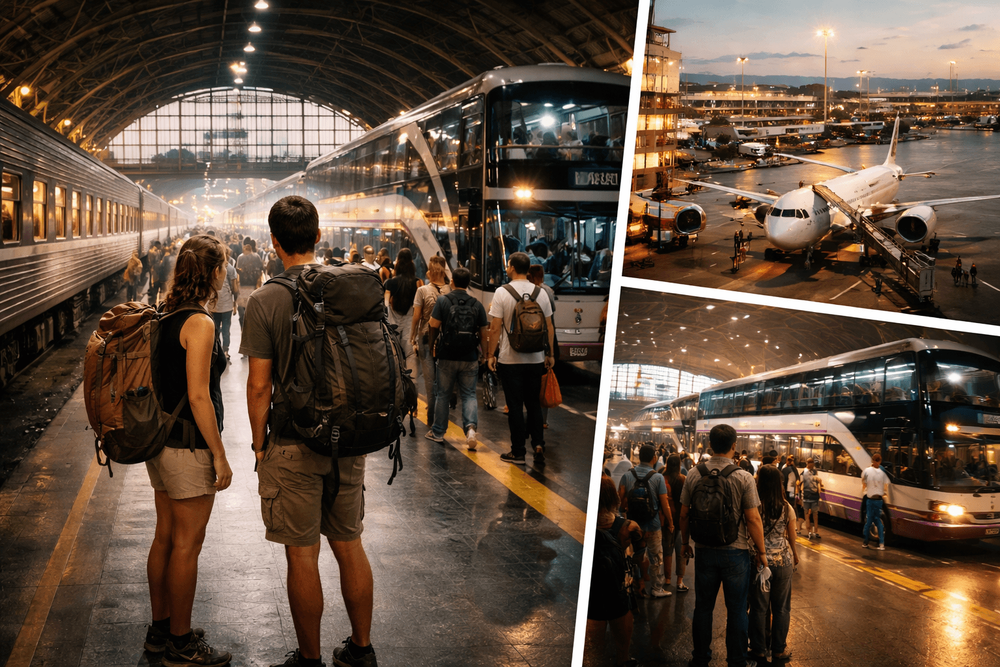
Bangkok to Chiang Mai Overnight Travel Guide: Sleepers, Night Buses, and Flight Timing
Bangkok to Chiang Mai overnight: train sleepers, VIP buses, or late/early flights? We compare time, comfort, costs, booking windows, and exact departure logistics.
We’re ducking past the pad thai carts on Rambuttri, the bass from Khao San Road bleeding into the night, and we’ve got a decision to make: how do we go from Bangkok to Chiang Mai overnight without torching our sanity or our baht? Do we curl up on a sleeper train, cruise on a VIP bus, or snag a late flight and wake up to mountain air and espresso near Tha Phae Walking Street? Let’s map it out together.
Bangkok to Chiang Mai Overnight: Your Options at a Glance
There are three real contenders when you’re traveling Bangkok to Chiang Mai overnight:
- Night train (sleeper): The classic Thai rail experience—social, scenic (by day), and good value.
- Overnight bus: Faster than the train, cheaper than flying, surprisingly comfy if you pick the right class.
- Late-night or crack-of-dawn flights: The time hack—fast and efficient, but not truly a “red-eye” here.
We’ll break down what each one feels like at 1 a.m. when the AC is cranked and the city hum fades into the khlongs and rice fields.
Night Train: The Sleeper That Feels Like Thailand
The northbound sleeper is the soul of this route. We roll into Krung Thep Aphiwat Central Terminal (the big new SRT hub) with bubble tea sweating in hand, find our platform, and step into a stainless-steel carriage that could be a time capsule—if time capsules had USB ports and fluorescent lights.
What to expect:
- Classes: First-class sleeper cabins (2-berth private), second-class AC sleepers (open-plan berths), and seats (skip those overnight unless you love suffering). The sweet spot for most of us is second-class lower berth—wider and a touch warmer than the icier upper.
- Comfort: Conductors flip seats into beds after departure, pull curtains across, and pass with sheets and a pillow. Bring a light sweater; the AC runs arctic. Earplugs help when the carriage plays lullabies of track clacks and the occasional sawadee from the snack cart.
- Time: Around 11–13 hours depending on the train. Typical departures run early evening to late evening, with morning arrivals perfect for coffee in the Old City.
- Price range: Second-class AC sleeper berths about 850–1,100 THB; first-class private cabins roughly 1,500–2,100 THB; second-class seats 500–700 THB. Lower berths cost a bit more than upper.
- Food: There’s a dining car on some services; otherwise, order to your seat or stock up at 7-Eleven for that blessed blast of AC and a bag of seaweed chips. Officially, alcohol is not allowed onboard.
If you want every last detail—berth types, how to choose upper vs lower, and booking screenshots—park this for later: Bangkok to Chiang Mai by Night Train: Sleeper Classes, Booking Tips, and What to Expect.
Overnight Bus: VIP Seats and No-Nonsense Speed
Overnight buses are Bangkok’s budget workhorses—less romance, more efficiency. We grab a quick plate of basil chicken near Victory Monument, then taxi to Mo Chit Bus Terminal. Inside, it’s bright and bustling, like a food court married a departure board.
What to expect:
- Classes: “VIP 24” (1-2 configuration, wide recliners), VIP 32/36 (2-2 with footrests), and standard air-con. VIP 24 is the unicorn: massage seats sometimes, big recline, blanket, a snack box—sanuk meets sleep.
- Time: Usually 8–10 hours, faster than the train, with one or two neon-lit pit stops where you’ll freeze under the fluorescent glow and buy grilled pork skewers at 2 a.m.
- Price range: Standard 400–600 THB; VIP 32/36 around 600–900 THB; VIP 24 roughly 800–1,200 THB depending on the company and season.
- Comfort & safety: Belts are standard; blankets and pillows common. Keep your daypack with valuables at your feet—bigger bags go underneath. Reputable companies are worth the extra 100 THB.
Want the short list of reliable operators, seating layouts, and what the midnight rest stops are like? See our deep-dive: Bangkok to Chiang Mai Overnight Bus Guide: VIP Seats, Budget Fares, and the Best Companies.
Late-Night or Early-Morning Flights: Fast, Not Quite a Red-Eye
True red-eyes aren’t a thing on this route—Chiang Mai Airport (CNX) doesn’t host 2 a.m. arrivals from Bangkok. But you can still “do it overnight” two ways:
- Late-evening flight: Depart around 20:00–22:00 from Don Mueang (DMK) or Suvarnabhumi (BKK); land in Chiang Mai before midnight. Quick taxi, shower, bed.
- First-flight-out: Wake-before-dawn, taxi to the airport, and fly 06:00–07:00 to hit Chiang Mai for breakfast at the North Gate.
What to expect:
- Price range: Low-cost carriers often 1,200–2,500 THB if booked ahead; last-minute or holidays 3,000–5,000 THB+. Add 300–600 THB for a checked bag on budget airlines. Full-service fares include baggage and sometimes a snack.
- Time: 1h 10m in the air. Door-to-door from Khao San or Sukhumvit to a bed inside the moat? Around 3–4 hours with transfers.
- Comfort: Smooth and clinical. No romance, all efficiency. We still pack earplugs and an eye mask in case of bright cabins and cheery safety demos when we’re running on fumes.
For head-to-head pros and cons across all three, keep this open: Bangkok to Chiang Mai at Night: Sleeper Train vs Overnight Bus vs Red-Eye Flight.
Time, Comfort, Privacy, Safety, Costs: What It Really Feels Like
Travel time:
- Flight (late-night/early AM): Fastest total, 3–4 hours door-to-door.
- Overnight bus: 8–10 hours, often the earliest arrival.
- Sleeper train: 11–13 hours; you trade speed for a proper lie-flat bed.
Comfort:
- Sleeper train: True horizontal sleep, curtains for privacy, gentle sway. AC is cold. Bathrooms onboard; bring flip-flops.
- VIP bus: Deep recline, leg rest, blanket; light and noise from rest stops can break your sleep.
- Flight: Comfy enough for a nap; you’re still sitting upright unless you score an empty row.
Privacy:
- First-class sleeper: Best (private 2-berth cabin—families love it).
- Second-class sleeper: Decent; curtains add a modest bubble.
- VIP bus: Okay; neighbors are close but quiet.
- Flight: Packed, little privacy, short duration.
Safety:
- Reputable bus companies and trains are generally safe. Night driving has more variables—another reason to pick VIP/Top-tier buses.
- Airports and flights are very safe; late taxi rides are straightforward with Grab or metered cabs.
Typical costs per person (one-way):
- Sleeper train: 850–2,100 THB depending on berth/class.
- Overnight bus: 400–1,200 THB depending on class.
- Flight: 1,200–5,000 THB+ depending on timing and baggage.
Booking Windows, Peak Periods, and How to Lock In the Good Seats
- Trains: Popular sleepers sell out fast—especially Fridays, Sundays, and holidays. SRT typically releases tickets about 30 days in advance, sometimes earlier for special services. We aim to book 2–3 weeks out for a lower berth; earlier for Songkran (April), Loy Krathong/Yi Peng (Nov), and New Year.
- Buses: You can often book a day or two ahead in low season. For VIP 24 or holiday weekends, grab tickets 3–7 days in advance. Avoid random “Khao San specials” from touts; go with known operators or buy at Mo Chit counters.
- Flights: The sweet spot is usually 2–6 weeks out for low-cost carriers. If you’re flying in late evening before a festival week, buy as soon as plans set. Watch baggage rules—your cheap fare gets pricey fast with add-ons.
Pro move: If your dates are rigid, choose the train first, then build everything around that sleeper berth. If you’re winging it, the bus gives you the most wiggle room.
Departure and Arrival Logistics: Stations, Terminals, Boarding, and Bags
Trains: Krung Thep Aphiwat to Chiang Mai Station
- Bangkok departure: Krung Thep Aphiwat Central Terminal (MRT Blue Line access). It’s big—arrive 30–45 minutes early to find your platform without a panic jog.
- Boarding: Your carriage and seat/berth numbers are on the paper or e-ticket. Staff will convert seats to beds after departure; keep your ticket handy for checks.
- Luggage: Overhead racks and space at carriage ends; a small cable lock gives peace of mind. No strict weight checks, but keep it manageable.
- Arrival: Chiang Mai Railway Station is about 3 km east of the Old City, near the Ping River. Red songthaews queue outside—shared rides are 30–60 THB per person to most central spots; Grab will be around 120–200 THB depending on time.
Buses: Mo Chit to Arcade (Chiang Mai) Terminal
- Bangkok departure: Mo Chit (Chatuchak) Bus Terminal. Get there via BTS Mo Chit or MRT Chatuchak Park/Kamphaeng Phet, then taxi or a short bus—don’t try to hoof it with a pack; it’s a sweaty slog.
- Which counter: Stick to well-reviewed companies at official counters. VIP tickets list seat numbers; the best seats go first.
- Boarding: Aim for 30–45 minutes early. A luggage tag goes on your big bag; you keep the stub. Bring layers—bus AC plays ice cave.
- Arrival: Chiang Mai Arcade Bus Terminal (Terminals 2/3) sits 3 km east of the moat. Songthaews wait out front; fares similar to the train station. If you’re arriving pre-dawn, not all guesthouses will check you in—consider booking the night before or planning a sunrise noodle run.
Flights: BKK/DMK to CNX
- Bangkok airports: Don Mueang (DMK) for low-cost carriers; Suvarnabhumi (BKK) for a mix. Budget 60–90 minutes transit to either from central Bangkok depending on traffic. The SRT Red Line helps to DMK; the Airport Rail Link serves BKK.
- Check-in: Domestic—arrive 90 minutes early at night to buffer queues. Budget carriers enforce 7 kg carry-on pretty tightly; checked bags run 300–600 THB.
- Arrival: CNX is absurdly close—about 3 km from the Old City. Metered taxis, Grab, and songthaews line up curbside. Expect 100–200 THB into town. If you land near midnight, you’ll still find a ride—this city runs late.
Scams, Quirks, and Street-Smart Tips
- Khao San ticket touts: Some are fine; some shuffle you onto mystery buses with surprise “transfers.” We book trains direct and buses from Mo Chit counters or reputable platforms.
- Keep valuables with you: On buses, daypack at your feet; on trains, small bag in your berth. Big packs go overhead or undercarriage.
- Temperature swing: Thai AC loves extremes. Pack socks and a light layer even if Bangkok feels like a sauna.
- Food strategy: Preload snacks—grilled pork, sticky rice, or 7-Eleven toasties. Train dining is convenient but pricier; bus rest stops are quick.
- Noise and light: Eye mask, earplugs, and a neck buff turn almost anything into a sleep pod. We’ve napped through thundering Isan karaoke with that trifecta.
Who Each Option Suits Best
Sleeper train:
- Best for: Travelers who want the Thai experience, families who’ll splash for a first-class cabin, backpackers who like social but still want a flat bed.
- Why we pick it: It’s a moving hostel with better stories. Watching dawn leak into northern valleys feels like a reward.
Overnight bus:
- Best for: Budget-minded travelers, last-minute plans, and anyone who wants to arrive earlier than the train without paying flight prices.
- Why we pick it: VIP 24 seats and a fair price. Feet up, blanket on, a quick pit stop for a peppery bowl of kuaitiao at 2 a.m.—done.
Late-night/early flight:
- Best for: Time-crunched visitors, comfort-first travelers, and anyone connecting from islands or the south who needs a guaranteed same-night move north.
- Why we pick it: Fast, predictable, and you’re in bed before the ice in your airport-cha yen fully melts.
How We Decide on a Real Trip
- If we want to maximize day time in Bangkok and still sleep horizontal: second-class lower berth on the night train.
- If we’re leaving on short notice and want the earliest arrival: VIP overnight bus.
- If we’re just back from the islands and caked in salt, dreaming of a hot shower: late-evening flight to CNX, then a short taxi inside the moat.
When we land up north, we usually crash somewhere near the Old City walls or along the quiet lanes off Nimmanhaemin—easy coffee, easy songthaews, and a soft landing after a night in motion.
Know Before You Go: Timing, Holidays, and Transfer Tricks
- Holidays change everything: Songkran (mid-April), Loy Krathong/Yi Peng (usually Nov), Christmas/New Year, and long weekends push prices up and seats down. Book as early as you can—especially sleepers and VIP 24.
- Station food is better than you think: Krung Thep Aphiwat has decent, cheap eats; Mo Chit’s food court can fuel you properly; BKK/DMK airports are pricier but reliable.
- Getting to Khao San/Rambuttri late: From any arrival point, say “Rambuttri” or “Phra Athit” to drivers. A shared songthaew usually costs less than a latte.
- Arriving dawn-early: Drop your bag, sip a Lao coffee near Tha Phae, or climb the Golden Mount when you’re back in Bangkok next time—you’ve got the sunrise rhythm now.
Extra Resources for Planners
- Want carriage photos, exact berth diagrams, and booking methods? Read: Bangkok to Chiang Mai by Overnight Train: Which Class, Route, and Booking Method Is Best?
- Prefer a bus breakdown with companies and seat maps? See: Bangkok to Chiang Mai Overnight Bus Guide: VIP Seats, Budget Fares, and the Best Companies
- Still fence-sitting between all three? Start here: Bangkok to Chiang Mai at Night: Sleeper Train vs Overnight Bus vs Red-Eye Flight
We’ll be honest: there’s no wrong move here. The night train writes the best story, the bus wins on price and practicality, and the flight nails the clock. Pick your flavor, throw a jacket in your daypack, and let’s wake up to the scent of morning jasmine and motorbike exhaust on Chang Moi Road. First one to the boat noodles pays 50 baht—and we’ll split the crispy pork.
Related Hotels & Places
Rambuttri
Markets
Khao San’s calmer cousin: a tree‑shaded lane of VW van cocktail bars, open‑air foot massages, pad thai grills, and easygoing live bands. Best from sunset to 11pm; beers 80–120 THB, cocktails 150–220 THB. One block from the chaos, all the charm.
Khao San Road
Attractions
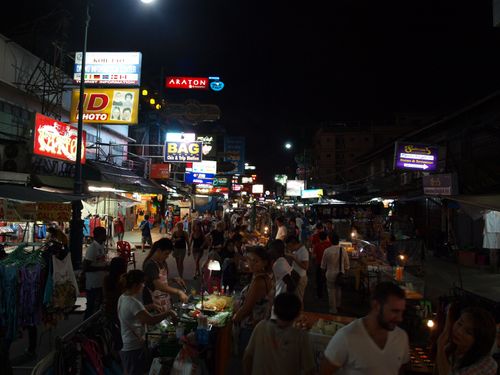
Bangkok’s backpacker carnival: curbside bars, live bands and DJs from 3pm–2am (midnight Sun). Street eats are cheap — pad thai 70–100 THB, mango sticky rice 60–100 THB. Come for wild people-watching; duck into Rambuttri for a calmer beer.
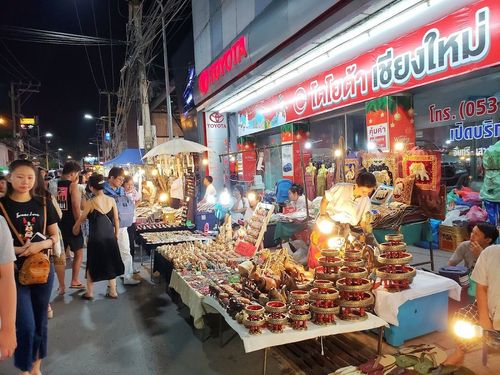
Tha Phae Walking Street
Shops
More Khao San Road Guides
- Bangkok to Chiang Mai at Night: Sleeper Train vs Overnight Bus vs Red-Eye Flight
- Bangkok to Chiang Mai by Night Train: Sleeper Classes, Booking Tips, and What to Expect
- Bangkok to Chiang Mai by Bus: Day vs Overnight Options, Comfort, and Booking Tips
- Bangkok to Chiang Mai by Bus at Night: Best Operators, Seat Types, and How to Sleep Through the Ride