
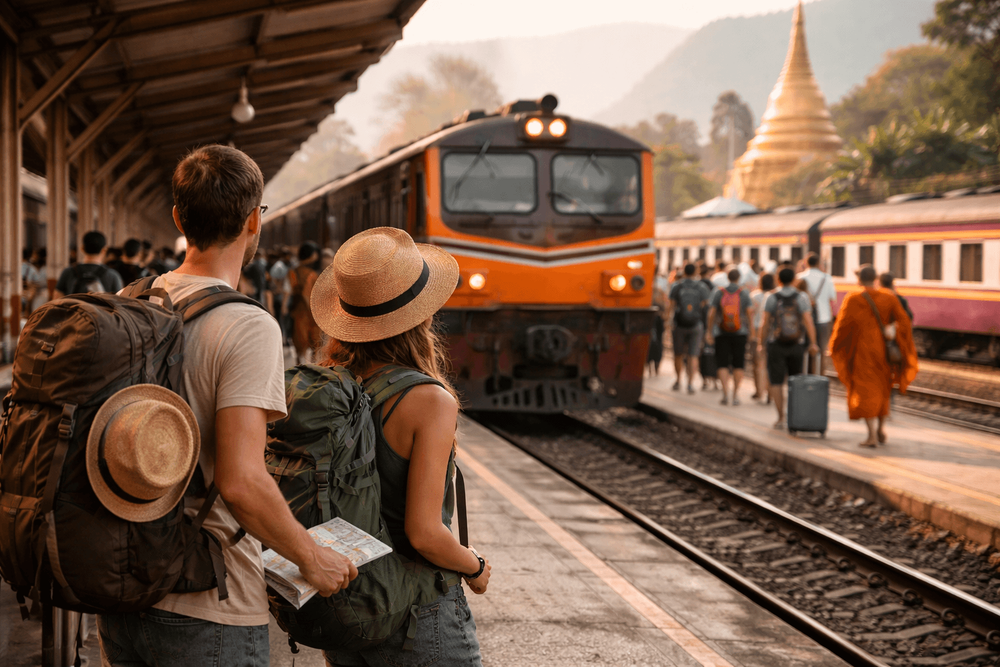
Bangkok to Chiang Mai: The Best Ways to Travel
Bangkok to Chiang Mai: The Best Ways to Travel — your insider guide to the best of Khao San Road.
Bangkok to Chiang Mai: The Best Ways to Travel Date: 2026-06-06
Overview Bangkok to Chiang Mai is one of Thailand’s classic routes, with fast flights, scenic sleeper trains, and comfortable long-distance buses. Your best choice depends on your budget, time, comfort needs, and whether you prefer to travel by day or overnight.
- Fastest door-to-door: Flight
- Most atmospheric and sleep-friendly: Overnight sleeper train
- Best value and wide departure spread: Intercity bus (VIP/First Class)
- Most flexible for detours: Self-drive car
Before you book Because schedules and fares can change, always confirm times, availability, and prices directly with official operators. Where precise figures would normally appear below, you’ll see this tag: Verify on official site before travel.
Flights (Bangkok BKK/DMK to Chiang Mai CNX) What to expect
- Nonstop flights run frequently throughout the day on both full-service and low-cost airlines.
- Typical total journey is under half a day door-to-door, including airport transfers and check-in.
- Full-service carriers usually include a cabin bag and checked baggage; low-cost carriers often charge separately for bags, seats, and priority boarding.
Airports and airlines
- Bangkok: Suvarnabhumi (BKK, long-haul hub) and Don Mueang (DMK, low-cost hub).
- Chiang Mai: Chiang Mai International Airport (CNX), close to the Old City.
- Common operators: Thai Airways, Bangkok Airways, Thai AirAsia, Nok Air, Thai Lion Air. Verify on official site before travel.
Schedules, fares, and luggage
- First/last departures: Verify on official site before travel.
- Typical operating hours: Verify on official site before travel.
- Base fares and baggage allowances: Verify on official site before travel.
How to book and seat tips
- Book direct with the airline for the clearest baggage rules and easier changes.
- If you need flexibility, choose fares that allow changes without heavy penalties.
- For quick airport transfers at either end, pre-arrange a car or use an e-hailing app; local taxis and airport buses operate, but check current hours and fares: Verify on official site before travel.
Best for
- Travelers prioritizing speed and minimum transit hassle.
Overnight Sleeper Trains (Bangkok to Chiang Mai) What to expect
- Thailand’s northern line offers a classic overnight journey with air-conditioned sleeper berths. Newer coaches include cleaner bathrooms, power sockets, and quieter rides.
- Sleep on board and arrive in Chiang Mai in the morning; an ideal “time-saver” that also adds an experience to your trip.
Stations and classes
- Bangkok departure: Krung Thep Aphiwat Central Terminal (Bang Sue Grand). Some daytime services may vary; check your ticket carefully.
- Chiang Mai arrival: Chiang Mai Railway Station (east of the Old City).
- Class options (typical): First-class sleeper compartments (more privacy), second-class air-conditioned bunks (upper/lower berths in open-plan coaches). Verify exact availability and carriage types on your date.
Schedules, fares, and onboard notes
- First/last departures: Verify on official site before travel.
- Typical operating hours and journey time: Verify on official site before travel.
- Ticket prices by class/berth: Verify on official site before travel.
- Dining: Some services offer a dining car or at-seat orders; availability varies. Verify on official site before travel.
How to book
- Use SRT’s official D-Ticket platform/app or buy at stations with passport/ID. Peak dates sell out early; book as soon as you know your plans. Advance purchase windows can change; Verify on official site before travel.
Seat and berth tips
- Lower berths are wider and preferred by many light sleepers.
- Solo travelers wanting privacy often choose first-class compartments if available; couples can request shared compartments.
- Pack a light layer; air-conditioning can feel cool overnight.
Best for
- Travelers who enjoy rail journeys, want to save a night’s hotel, or prefer not to fly.
Intercity Buses (VIP/First Class) to Chiang Mai What to expect
- Multiple operators run frequent day and overnight services with reclining seats, air-conditioning, and varying onboard amenities.
- Overnight buses maximize daytime sightseeing; day buses offer views of rural Thailand.
Terminals and operators
- Bangkok departure: Bangkok Bus Terminal (Chatuchak), commonly called Mo Chit 2. Some reputable private operators use their own ticket counters or nearby offices.
- Chiang Mai arrival: Arcade Bus Terminal (east of the Old City).
- Notable operators include The Transport Company Limited (state operator) and Nakhonchai Air, among others. Verify on official site before travel.
Classes and amenities
- VIP/First Class typically offers more legroom, fewer seats per row, blankets, and sometimes snacks or a restroom. Exact layouts and services vary by operator—check before booking.
Schedules and fares
- First/last departures: Verify on official site before travel.
- Typical operating hours and journey time: Verify on official site before travel.
- Ticket prices by class: Verify on official site before travel.
How to book
- Buy at terminal counters or book directly on the operator’s official site/app where available. For popular weekends and holidays, secure seats in advance.
Best for
- Budget-minded travelers who value comfort and frequent departures without airport transfers.
Self-Drive Car (Bangkok to Chiang Mai) What to expect
- A flexible road trip via Thailand’s main northbound corridors, with optional detours to historic towns and national parks.
- Popular routing includes national highways through Nakhon Sawan and Lampang, or via an alternate corridor toward Phitsanulok and Lampang; exact route choice depends on traffic and stops.
Planning notes
- Total driving is a significant full-day effort; many travelers split the journey with an overnight stop.
- Fuel costs, tolls near Bangkok, and one-way rental drop-off fees can apply. Verify on official site before travel.
- Speed limits and enforcement vary; drive cautiously, especially after dark and in mountain sections approaching Chiang Mai.
Logistics and documents
- Valid driver’s license (International Driving Permit recommended if your license isn’t in Thai/English).
- Check rental terms for insurance, cross-province travel, and deposits.
- Many city-center streets in Chiang Mai are narrow with limited parking; consider accommodations with parking.
Best for
- Small groups or families planning stops along the way and comfortable with long-distance driving.
Private Transfers and Taxis
- Pre-booked private cars or vans can provide door-to-door convenience but are typically the priciest option over this distance. For quotes, inclusions (fuel, tolls), and legal operator status: Verify on official site before travel.
Minivans
- Minivans generally serve shorter intercity routes; long-haul comfort can be limited. If you do consider one, double-check safety standards, luggage space, and rest stops: Verify on official site before travel.
Getting to and from Terminals Bangkok
- Airports (BKK/DMK): Options typically include e-hailing apps, taxis, airport rail or buses depending on the airport and time of day. Verify on official site before travel.
- Train: Krung Thep Aphiwat Central Terminal connects with Bangkok’s urban rail and buses. Verify on official site before travel.
- Bus: Bangkok Bus Terminal (Chatuchak/Mo Chit 2) is reachable by urban rail plus a short taxi or bus hop. Verify on official site before travel.
Chiang Mai
- Airport (CNX), Arcade Bus Terminal, and Chiang Mai Railway Station are a short ride from the Old City. Red songthaews, taxis, and e-hailing services operate widely. Verify on official site before travel.
Luggage, Bikes, and Pets
- Airlines: Baggage and sports equipment allowances vary by fare brand; buy add-ons in advance if needed. Verify on official site before travel.
- Trains: Space for bulky items differs by carriage; oversized bikes usually need special handling or separate booking. Verify on official site before travel.
- Buses: Luggage limits differ by operator and class; confirm weight and size limits before you go. Verify on official site before travel.
- Pets: Policies vary widely across all modes; most require advance arrangements. Verify on official site before travel.
Accessibility
- Flights: Major airlines and airports provide wheelchair assistance with advance notice; request when booking.
- Trains: Newer sleeper carriages include accessible toilets and designated spaces on select services; availability varies by departure. Verify on official site before travel.
- Buses: Accessibility features differ significantly by operator and coach model; contact the operator directly. Verify on official site before travel.
When to Travel
- High season tends to cluster around cool/dry months and major holidays; demand spikes for flights, sleepers, and VIP buses. Book early for weekends and Thai holidays.
- Northern Thailand can experience seasonal haze; check air quality forecasts if you’re sensitive.
How to Choose: Quick Decision Guide
- I want the fastest option with the least planning: Fly.
- I want an authentic experience and to save a hotel night: Overnight sleeper train.
- I’m price-conscious but want comfort and lots of departure choices: VIP/First Class bus.
- I want maximum flexibility for side trips and don’t mind long driving: Self-drive car.
- I want door-to-door without DIY transfers and I’m fine paying more: Private transfer.
Official sources to check before booking
- Flights: Thai Airways, Bangkok Airways, Thai AirAsia, Nok Air, Thai Lion Air, and your departure/arrival airport pages (Suvarnabhumi, Don Mueang, Chiang Mai). Verify on official site before travel.
- Trains: State Railway of Thailand (SRT) and SRT D-Ticket. Verify on official site before travel.
- Buses: The Transport Company Limited and licensed private operators such as Nakhonchai Air. Verify on official site before travel.
- Roads/Driving: Department of Highways and your rental car company. Verify on official site before travel.
Practical booking tips
- Book direct with operators for the clearest change/cancellation rules.
- For overnight travel (train or bus), bring a light layer and earplugs; cabins and coaches can be cool and shared spaces can be lively.
- If your dates are fixed, lock in transport first—accommodation in Chiang Mai is abundant across price points.
- Reconfirm departure terminals; names can be similar and some operators use different Bangkok locations.
Final note on prices, times, and schedules For this June 2026 guide, precise fares, first/last departures, and operating hours are not quoted here. Verify on official site before travel. This ensures you have the latest information, including any seasonal adjustments, equipment changes, or promotional fares.