Bangkok Temple Run with a Guidebook Mindset: How to Read Wat Pho, the Grand Palace, and Golden Mount Like a Local
Read Bangkok’s big three temples like a local. Routes, etiquette, symbols, scams, and transport tips for Wat Pho, the Grand Palace, and Golden Mount.
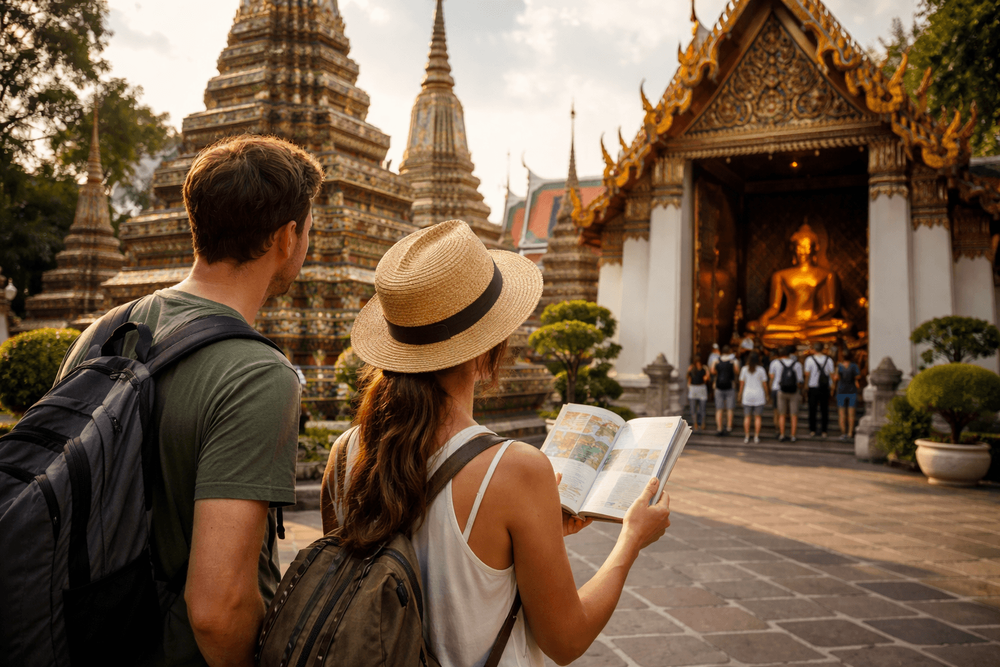
We slip past the smoothie blenders on Soi Rambuttri, cross under the tangle of fairy lights, and feel the morning heat rise off the paving stones along Phra Athit Road. The river smells faintly of fish and diesel; a monk glides by in saffron on a battered bicycle; somewhere, a wok hisses garlic and chili into the air. This is where our Bangkok temple guidebook mindset kicks in—we’re not just ticking boxes today. We’re reading the city’s spiritual script, one chedi, one mural, one yaksha at a time.
Your Bangkok Temple Guidebook: How to Read the Big Three
If we had to boil centuries of royal power, artisan craft, and everyday faith into a single morning, it would be this triangle: Wat Pho, the The Grand Palace (and Wat Phra Kaew inside it), and the Golden Mount (Wat Saket). Together they’re the spine of Old Bangkok (Rattanakosin), hugging the Chao Phraya and the old city grid. Our aim isn’t speed; it’s to see what locals see, to read the symbols most farang miss. Consider this your pocket bangkok temple guidebook, minus the paper cuts.
Wat Pho: Hermits, Healers, and the Reclining Buddha’s Smile
We start at Wat Pho while the marble is still cool underfoot. Step through the gate and the sound drops: leaves hum, bells tinkle in the breeze, and incense curls up like lazy khlong mist. Everyone comes for the Reclining Buddha—massive, gold leaf luminous, his mother-of-pearl soles etched with 108 auspicious signs. But the real heart of Wat Pho is the school of Thai massage and those granite rishi statues in yogic poses tucked into gardens. They’re a reminder: temples are living universities. Look for the stone plaques on cloister walls—inscriptions of traditional medicine, astronomy, and ethics—the original Wikipedia of Siam.
- What to notice: the quadrangle of chedis with floral Chinese porcelain; the sema stones that mark sacred ground around the ordination hall; the guardians at each gate, half-smirking, half-menacing.
- Nearby: walk to Tha Tien market for a salty shrimp-paste funk and a paper cup of iced Thai tea, then the ferry across to Wat Arun if you’re adding it.
The Grand Palace and Wat Phra Kaew: Power Dressed in Mirror Mosaics
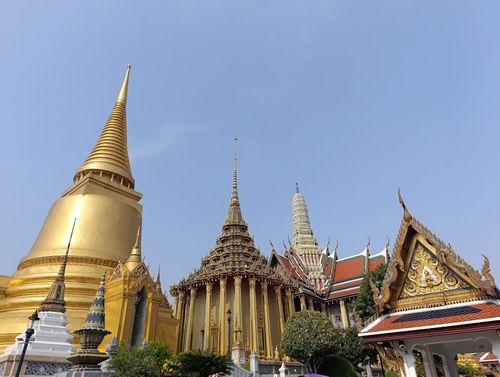
The Grand Palace hits like a cymbal crash. Gold on gold, mirrored mosaics that catch the sun, and Ramakien murals running like a graphic novel around the cloister. Inside Wat Phra Kaew, the Emerald Buddha presides—small, distant, revered. He changes outfits with the seasons; we nod like we understand royal wardrobe decisions. Outside, giant yaksha guardians glare at us as if to ask, “Did you cover your shoulders?”
- What to notice: the Garuda emblem (half-man, half-eagle) clutching naga—symbol of royal authority. Count the prang and chedi shapes; prang point back to Khmer influence, chedi to Lanna and Sri Lankan lines.
- Tip: this is the one place where rules are strict and enforced. Shoulders and knees covered fully. No vests, no ripped shorts, no sarcasm.
Golden Mount (Wat Saket): Wind Bells Above the Khlongs
We climb the Golden Mount in a spiral, past buckets of lotus, a bronze Buddha with rain stains, and a hallway of wind bells that sound like faraway ice cubes. Suddenly Bangkok opens: the old teak roofs, the green sweep of Sanam Luang, the modern spikes of Sathorn beyond. Below is the old moat (khlong) and Loha Prasat’s metal spires—stark and elegant.
- What to notice: the brass prayer wheels; the golden chedi at the summit with relics; the shrine to Phra Rahu (the eclipse-eater) where locals leave black offerings—cola, coffee, sesame buns—during rough astrological patches.
- Timing: sunrise for soft light, or late afternoon when the bells sing and the heat lets go.
Know Before You Go: Dress, Hours, Fees, Etiquette, Scams
We love a bit of sanuk (fun), but temples are sacred spaces first. A little prep keeps the vibes—and the karma—good.
- Dress code: shoulders and knees covered for all genders. Light pants or a long skirt and a breathable tee are your best Bangkok armor. Bring a scarf but don’t count on it to be accepted at the Grand Palace. Shoes off when you see a rack.
- Opening hours (typical): Grand Palace 8:30–15:30; Wat Pho 8:00–18:30; Golden Mount from early morning until early evening. Hours may shift on royal or religious days—check same-day info.
- Entry fees (approximate for foreign visitors): Grand Palace around 500 THB; Wat Pho around 200 THB; Golden Mount around 100 THB. Cash or card depends on the gate; carry a little cash.
- Photography: outside, usually fine. Inside ubosot/chapels, look for signs. Never climb on Buddha statues or put your bum on ledges near images. Feet should never point at Buddha images or monks.
- Behavior: keep voices low; no PDA; women don’t hand items directly to monks. If you’d like to offer incense or a lotus, follow what locals do.
- Common scams: “Grand Palace closed” is the classic. If anyone on the street tells you it’s shut and offers a tuk-tuk tour for 20 THB, smile, say “mai pen rai,” and keep walking to the official gate. Decline gem shops, suit factories, or “special government” stops.
- Tuk-tuks vs taxis: tuk-tuks are fun and breezy, priced by bargaining; taxis should use the meter—insist gently. Grab works well if you want to skip the dance.
- Heat strategy: hit the Grand Palace first, then Wat Pho, then break for riverside lunch and the ferry breeze. Save Golden Mount for late afternoon.
For a deeper breakdown of what’s respectful where, we keep this bookmarked: Bangkok Temple Etiquette Guide for Visiting Wat Pho, the Grand Palace, and Golden Mount from Khao San Road Road. It’s the shove-it-in-your-pocket version of good behavior we all need: Bangkok Temple Etiquette Guide for Visiting Wat Pho, the Grand Palace, and Golden Mount from Khao San Road
Routes That Fit Your Mood (and the Weather)
Some days we want royal pageantry; some days it’s incense and quiet corners. Pick your cluster and go.
The Classic First-Timer Loop
- Start: Khao San/Phra Athit. Walk or take a quick tuk-tuk to the Grand Palace for the 8:30 opening. Give it 1.5–2 hours.
- Walk 10 minutes to Wat Pho. Find shade along Maharat Road. Refuel with a coconut ice cream at Tha Tien.
- Optional ferry hop: cross to Wat Arun for 45–60 minutes of prang-and-porcelain wonder.
- Late afternoon: tuk-tuk or taxi to Golden Mount (Wat Saket). Time your climb for golden hour.
- Dinner: wander to Chinatown (Yaowarat) for peppery guay jub noodles or grilled squid, then a slow stroll back or a tuk-tuk to Khao San’s thump-thump bars.
Royal Bangkok Deep-Dive
- Grand Palace and Wat Phra Kaew in detail: find the Garuda seals, decode three mural panels from the Ramakien.
- Walk or taxi to Wat Suthat and the Giant Swing (Sao Ching Cha) for monk chants and sweeping sans tourists.
- Continue to Loha Prasat at Wat Ratchanatdaram; climb its concentric corridors for geometry nirvana.
- Finish at Golden Mount for the skyline.
Quiet Spiritual Morning
- Dawn alms along Samsen Road: we keep a small bag of rice packs from 7-Eleven (that blast of AC, wow) ready if we’re up pre-sunrise.
- Meditative stop at Wat Mahathat near Sanam Luang—sometimes there are English-friendly meditation sessions.
- Short hop to Wat Pho’s shaded cloisters after the first tour groups, then coffee on Phra Athit.
Photo Chase: Light and Lines
- Sunrise: Golden Mount—east-facing views touch the rooftops with soft gold.
- Mid-morning: Wat Phra Kaew’s mirrored pillars; look for reflections in the polished stone.
- Late afternoon: Wat Arun’s prang from Tha Tien ferry pier; blue hour shots from the riverbank.
If you’re debating whether to go DIY or hire a guide for the lore and shortcuts, we’ve tried both more times than we can count. Here’s when a guide is worth it (and when it’s not): Bangkok Temple Run with a Guide vs Self-Guided: When a Temple Tour Is Worth It from Khao San Road
Thai Buddhism 101: How to Read What You’re Seeing
We don’t need a PhD to enjoy temples, but a little context goes a long way.
- Theravada backbone: Thailand’s majority follows Theravada Buddhism—think personal merit-making, monastic study, and a calendar sprinkled with holy days where candlelit processions circle the chedi.
- Temple map: the ubosot (ordination hall) is the most sacred building—look for sema boundary stones; the wihan houses major images; chedi (or stupa) hold relics; prang are tall Khmer-style towers; sala are open pavilions for shade and sermon.
- Guardians and friends: yaksha (giant gatekeepers) warn off bad vibes; naga (serpent) protect stairways; kinnaree (bird-women) dance on murals; hanuman (white monkey general) goes full action-hero across Ramakien walls.
- Lotus logic: closed bud = potential, open blossom = enlightenment. You’ll see locals touching a lotus to their forehead, a quiet conversation with themselves.
- Hand talk: mudras matter—Buddha with right hand touching earth (calling the earth to witness), reclining posture (final nirvana), or teaching pose with thumb and finger making a circle.
- Royal sparkle: mirror mosaics and gold leaf shout prestige and devotion, but also practicality—light in a dark age, reflections that symbolically repel harm.
- Soundtrack: bells call attention, not deities. You’ll hear chanting that tumbles like water; it’s meant to wash the mind.
When we want to go deep on stories behind each stop—who built what, why the murals loop where they do—we lean on this: Bangkok Temple Run for History Lovers: What Each Stop at Wat Pho, Grand Palace, and Golden Mount Actually Teaches You
Nearby Attractions and How to Stitch It Together
Old Bangkok is compact but layered. A few add-ons that play nicely with a temple day:
- Wat Arun: just across from Wat Pho. The ferry ride is the cheapest river cruise in town (a few baht), and the prang is a lacework of broken porcelain that glows at sunset.
- Pak Khlong Talat (Flower Market): stroll from Wat Pho in the cooler hours; inhale a wall of jasmine and marigold while aunties thread garlands at lightning speed.
- Museum Siam and Sanam Chai MRT station: even if you’re not museuming, pop into Sanam Chai station to admire its palace-like design—air-con relief and eye candy.
- Phra Athit Road and the river park: shady benches, random buskers, and teen couples sharing grilled pork skewers. Good pause point.
- Chinatown (Yaowarat): night market energy, neon, peppery soups that make your eyes sing, old-school coffee on terrazzo counters along Charoen Krung.
Accessibility note: curb cuts can be patchy, and compounds often have stairs. Our detailed, on-the-ground notes for specific ramps, gentler entries, and low-stair workarounds live here: Bangkok Temple Run for Accessibility Needs: Wheelchair, Mobility, and Low-Stair Planning for Wat Pho, the Grand Palace, and Golden Mount
Transport Tips: Boats, Khlongs, and the Occasional Tuk-Tuk
- From Khao San/Phra Athit: Phra Athit Pier gets you the orange-flag Chao Phraya Express to Tha Chang (for the Grand Palace) and Tha Tien (for Wat Pho). Boats start early, cost coins, and deliver breeze—chef’s kiss.
- MRT play: Sanam Chai station drops you near Wat Pho/Museum Siam. If you’re coming from Sukhumvit or Chinatown, this is the slickest, sweat-free hop.
- Khlong boat hack: The Saen Saep canal boat to Panfa Leelard puts you a short walk from Golden Mount. It’s splashy, noisy, and 100% Bangkok.
- Tuk-tuk truth: great for short links between temples once the midday sun says “enough.” Negotiate first; expect 80–200 THB depending on distance and your smile.
Costs, Timing, and Tiny Survival Tricks
- Timing: start by 8:00–8:30. Do the Grand Palace first, then Wat Pho, break by the river, Golden Mount for late light. Festivals like Loy Krathong or Makha Bucha add candlelit magic but also crowds.
- Hydration: we grab a cold water at 7-Eleven every chance we get. The blast of AC feels like rebirth. Refill a bottle when you can; bins are scarce.
- Sun and sweat math: hats, light long sleeves, and an umbrella double as parasol and rain shield.
- Money: small bills speed ticket lines and ferries. Keep big notes for taxis.
- Food: street snacks are temple-day fuel—grilled moo ping and sticky rice, fresh-cut pineapple dusted with chili-salt, a bag of iced coffee swinging from our wrist.
Read the City, Not Just Its Sights
A bangkok temple guidebook mindset isn’t about memorizing dates; it’s about attention. Notice the auntie tying a marigold rope, the teen asleep on a shaded sala bench, the old man tracing a lotus petal with his thumb. We can move fast in Bangkok, but we see more when we slow down.
If you decide you want more structure—someone to decode the murals and keep you ahead of the buses—this deep-dive comparison helps you pick your path: Bangkok Temple Run With a Guide or Self-Guided: When a Tour Helps and When It Doesn’t for Wat Pho, the Grand Palace, and Golden Mount from Khao San Road
Getting There (and Back to the Thump of Khao San)
- From Suvarnabhumi/Don Mueang: airport rail/BTS/MRT combos get you near the river but usually require a taxi or tuk-tuk for the last leg to Khao San/Phra Athit. If you’re luggage-heavy, a meter taxi or a pre-booked ride saves sweat.
- Between temples: walk where it’s shady, boat where it’s breezy, tuk-tuk where it’s chaos. We aim for no more than 10–15 minutes’ exposure in the midday sun between stops.
- Back to base: if you’re staying near Khao San, an evening wander down Soi Rambuttri for a kao mun gai plate and a cold Chang on a plastic stool is the best cooldown. If you’re riverside, the Chao Phraya at dusk is a poem.
One last thing: we’ve seen people bulldoze the day and barely remember it. Let’s not. Let’s pick two or three temples, read them like locals—with pauses, with snacks, with a little humility—and leave room for surprise. Tomorrow, we’ll chase the bells again. Meet us at Phra Athit Pier at 8? The orange flag is flapping, and the river’s in a good mood.
Related Hotels & Places
Khao San Road
Attractions
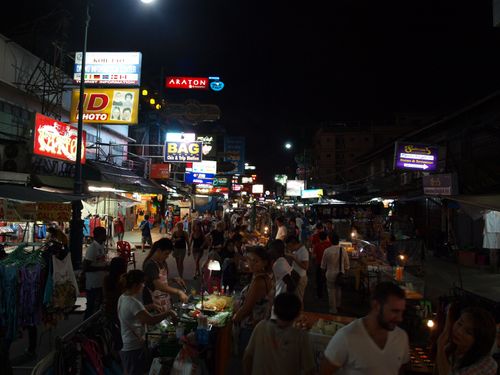
Bangkok’s backpacker carnival: curbside bars, live bands and DJs from 3pm–2am (midnight Sun). Street eats are cheap — pad thai 70–100 THB, mango sticky rice 60–100 THB. Come for wild people-watching; duck into Rambuttri for a calmer beer.
Wat Phra Kaew
Temples
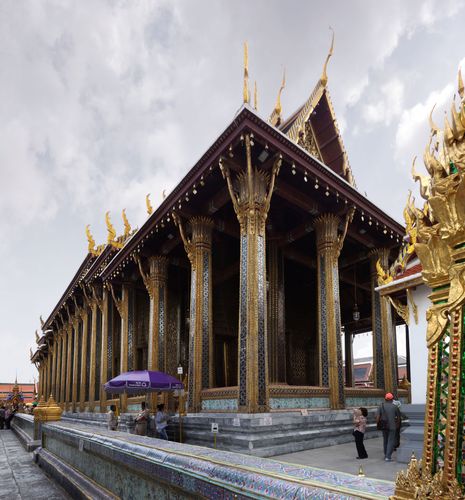
Bangkok’s holiest temple inside the Grand Palace. Go early (8:30am–3:30pm). Buy the 500 THB ticket at Na Phra Lan Rd gate. Dress code enforced. Marvel at Ramakien murals and the tiny Emerald Buddha whose robes change with the seasons. 10–15 minutes’ walk from Khao San.
The Grand Palace
Attractions
Bangkok’s royal showpiece a short hop from Khao San: glittering Wat Phra Kaew, Ramakien murals, and gold-on-gold rooftops. Go 8:30am to dodge the heat, dress modestly, and boat to Tha Chang for the prettiest arrival.
Sanam Luang
Attractions
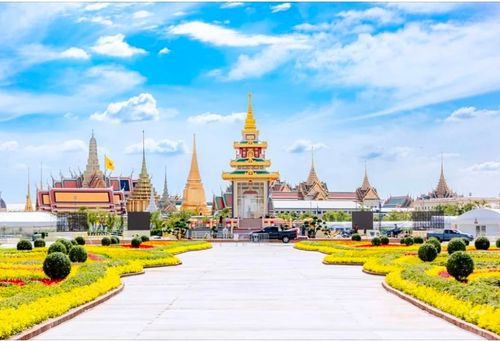
Bangkok’s royal lawn facing the Grand Palace. Free to wander, ringed by tamarind trees, popular for kite flying (Feb–Apr) and lazy green‑space hangs. A 10‑minute walk from Khao San; come early for soft light and street snacks along Na Phra That Rd.
Loha Prasat
Temples
Museum Siam
Attractions
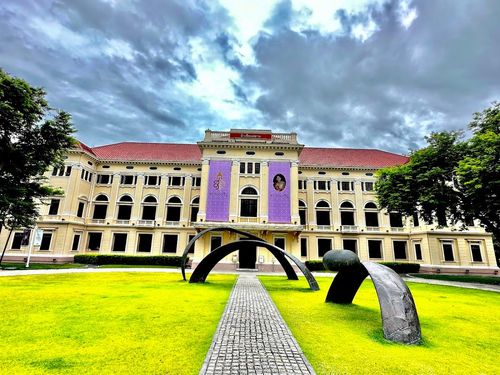
Playful “Decoding Thainess” exhibits inside a stately yellow mansion by Wat Pho. Bilingual, hands‑on, and air‑con cool, with MRT Sanam Chai right at the door. Open Tue–Sun 10am–6pm; closed Monday.
More Khao San Road Guides
- Bangkok Temple Run with a Guidebook Mindset: Self-Guided vs Guided Visits to Wat Pho, the Grand Palace, and Golden Mount from Khao San Road
- Bangkok Temple Run with a Local Guide: Wat Pho, Grand Palace, and Golden Mount from Khao San Road
- Bangkok Temple Run With a Guide or Self-Guided: When a Tour Helps and When It Doesn’t for Wat Pho, the Grand Palace, and Golden Mount from Khao San Road
- Bangkok Temple Run with a Guide: When a Tour Makes Wat Pho, the Grand Palace, and Golden Mount Easier from Khao San Road