Bangkok Temple Run with Guide Booking Tips: When to Hire a Guide, What They Add, and How to Split Temple Costs from Khao San Road
From Khao San to the Grand Palace, here’s when a Bangkok temple guide tour is worth it, what routes to book, and how to keep costs, dress code, and scams handled.
We step out onto Soi Rambuttri just after dawn, the air still soft before Bangkok cranks the heat to full blast. A monk glides by with his alms bowl, a tuk-tuk coughs awake, and we angle toward Phra Athit Road for the river. If you’re weighing a Bangkok temple guide tour from Khao San Road, this is the sweet spot—cool light, light crowds, and the Chao Phraya Express boat thumping south toward the Grand Palace like our own fast-track to the city’s soul.
We’ll walk you through which wats to prioritize, when hiring a guide is worth it, and how to keep the experience sanuk without getting fleeced. This is our lived route: temples, boats, and bowls of noodles in between. If you’re hunting for a “Bangkok temple guide tour,” you’re in the right soi.
Bangkok Temple Guide Tour: What’s on the Route
When we say “temple run,” we mean a compact loop from Khao San Road and Soi Rambuttri that hits the heavy hitters and a few mood-lifting detours.
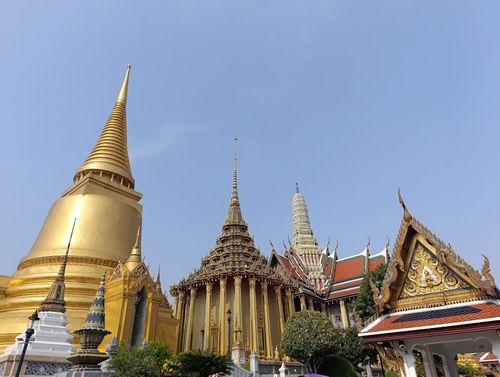
- Grand Palace & Wat Phra Kaew (Temple of the Emerald Buddha): The royal complex—gilded, guarded by yaksha giants, and dense with symbolism. This is the blockbuster stop.
- Wat Pho (Temple of the Reclining Buddha): Home of the 46-meter Reclining Buddha and the birthplace of traditional Thai massage. Murals, stupas, and an old-Bangkok hush between tour groups.
- Wat Arun (Temple of Dawn): Those porcelain-studded prang are even better up close. Best approached by river and even better at first light or late afternoon.
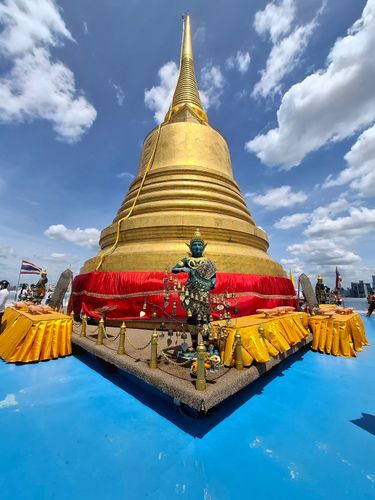
- Wat Saket (Golden Mount): A spiraling climb up to breezes and bells, with Old Town rooftops and khlongs (canals) spread below.
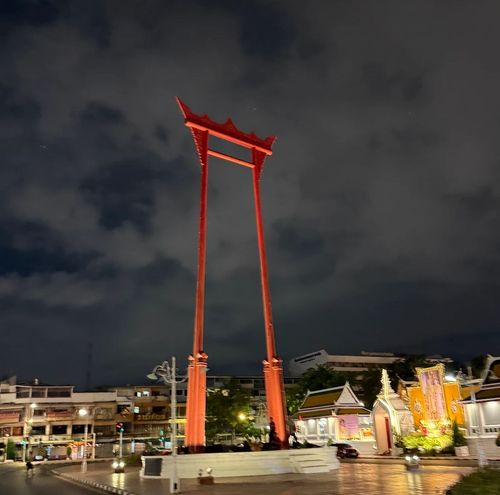
- Wat Suthat & The Giant Swing: Civic and spiritual heart of Rattanakosin; the swing frames the sky, the ubosot holds court inside.
- Loha Prasat (Wat Ratchanatdaram): The “metal castle”—unique multi-tier spires and meditative vibes.
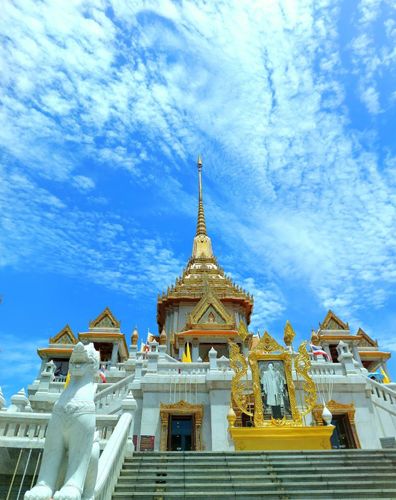
- Wat Traimit (Golden Buddha): A three-story shrine sheltering an enormous solid-gold Buddha discovered under plaster by accident.
- Wat Benchamabophit (Marble Temple): White Carrara marble, elegant and airy, best in low sun.
We don’t hit all of these in one go unless we’re sprinting. A tight half-day from Khao San usually means Grand Palace/Wat Phra Kaew → Wat Pho → cross-river to Wat Arun. With a full day, add Golden Mount and either Wat Suthat or Loha Prasat.
Why These Temples Matter: Stories, Symbols, and Style
Grand Palace & Wat Phra Kaew
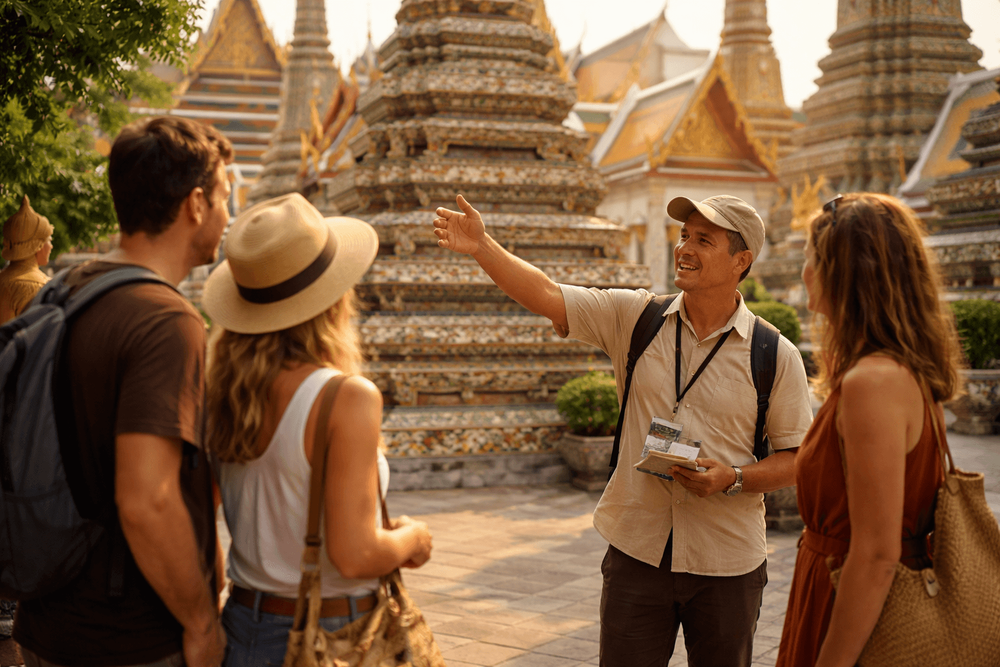
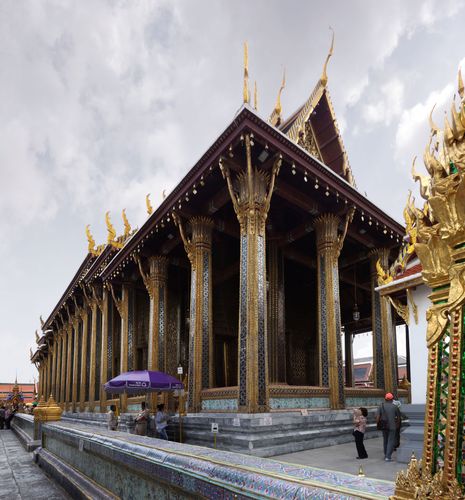
This is the ceremonial core of the kingdom. Wat Phra Kaew enshrines the Emerald Buddha, carved from jade and dressed seasonally by the monarch—a ritual that signals the turning of Thailand’s seasons. Architecture here is a kaleidoscope of Rattanakosin grandeur: mirror mosaics, demon guardians, rooflines that ripple like the Chao Phraya at dusk. A guide adds real value here, decoding Ramakien murals, royal regalia, and the monastic vs. royal precincts.
Wat Pho
Beyond the giant Reclining Buddha—gold leaf glowing, mother-of-pearl soles etched with auspicious symbols—Wat Pho is a university of traditional Thai medicine. Stupas honor past kings, and cloisters hide rows of serene Buddhas. The temple’s massage pavilions are a living classroom; we like to budget time for a foot massage between stops.
Wat Arun
Wat Arun’s Khmer-style prang wear a skin of floral porcelain in pastel bursts—upcycled ballast from Chinese trading ships. Climbing the steep steps is a small triumph; the river breeze is your reward. It’s the temple of dawn but we’ll take it at golden hour too, with the sun grazing the prang.
Wat Saket (Golden Mount)
A man-made hill from old city fortifications, wrapped in a slow spiral of steps and prayer flags. Ring the bells as you go. At the top, a chedi holds relics and the views reset your sense of Bangkok’s sprawl.
Wat Suthat & the Giant Swing
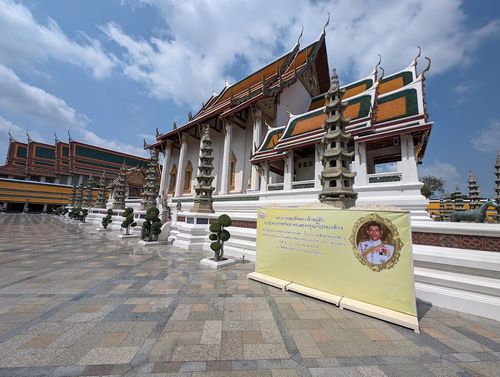
This royal temple is famous for its sweeping murals and the Giant Swing out front—once used in a now-retired Brahmin ceremony. Inside is restraint and craftsmanship; outside, a postcard of Old Town streets.
Loha Prasat
The “metal castle” is a rarity in the Buddhist world—37 spired metal-topped towers representing the virtues needed for enlightenment. We duck into the quiet corridors for shade and a moment of quiet.
Wat Traimit
Home to the Golden Buddha—tons of solid gold once hidden in plain sight beneath plaster. It’s both a legend of loss-and-found and a tidy lesson in Bangkok’s Chinese heritage in nearby Yaowarat Chinatown Heritage Center.
Wat Benchamabophit (Marble Temple)
Graceful lines, imported marble, and a cloister of Buddhas in varying poses. We hit it when the light is low and the courtyard glows.
Practicalities: Best Times, Dress Code, Fees, Getting Around
Ideal Visit Times
- Go early. We aim to be at the Grand Palace near opening time (mornings) to beat the heat and tour waves. Midday sun is a stamina test; late afternoons at Wat Arun or Golden Mount are cooler and photogenic.
- Mondays can feel slightly quieter at some wats, but school groups swing the balance randomly—roll with it.
Dress Code (and How Strict It Really Is)
- Cover shoulders and knees; no see-through fabrics, beachwear, or torn clothing. Sarongs and shawls are often available near entrances, but it’s faster to come prepared.
- Footwear: sandals are fine, but you’ll remove shoes in certain areas. Slip-ons win the day.
- Remember this is living religion, not a backdrop. Keep voices low, step around those in prayer, and point your feet away from Buddha images.
Entrance Fees (ranges; confirm locally)
- Grand Palace & Wat Phra Kaew: 500–600 THB adult, free/discounted for Thai nationals; passport may be checked. Confirm locally.
- Wat Pho: 200–300 THB includes drinking water coupon at times. Confirm locally.
- Wat Arun: 50–100 THB for the temple grounds/central prang access. Confirm locally.
- Golden Mount (Wat Saket): 50–100 THB. Confirm locally.
- Wat Suthat: 50–100 THB. Confirm locally.
- Loha Prasat: donation-based; 20–50 THB suggested. Confirm locally.
- Wat Traimit: 100–200 THB. Confirm locally.
- Wat Benchamabophit: 50–100 THB. Confirm locally.
If you want a deeper dive on current ticketing, see our breakdown in the Bangkok Temple Run ticket guide: Bangkok Temple Run Ticket Guide: What Each Stop Costs at Wat Pho, the Grand Palace, and Golden Mount.
Time Budget per Stop
- Grand Palace/Wat Phra Kaew: 90–120 minutes if guided; 60–90 self-guided.
- Wat Pho: 45–60 minutes (add 30 minutes if you’re getting a massage).
- Wat Arun: 45–60 minutes, plus ferry time.
- Golden Mount: 45–60 minutes including climb and photos.
- Wat Suthat or Loha Prasat: 30–45 minutes each.
Getting Around from Khao San
- On foot: Khao San to the Grand Palace is 15–20 minutes via Sanam Luang if the heat isn’t punishing.
- Boat: From Chao Phraya Tourist Boat N13 Phra Arthit Pier, take the Chao Phraya Express south to Tha Chang (for Grand Palace) or Tha Tien (for Wat Pho). Cross-river ferry to Wat Arun from Tha Tien is frequent. Fares typically small-notes cheap—think single digits to low tens of baht. Confirm locally.
- Tuk-tuk: Fun, breezy, not metered—agree on fare first (short hops commonly in the 80–200 THB range depending on traffic and your bargaining Thai). Avoid rides that include “free gem shop.”
- Taxi/Grab: Metered taxis can be cheaper than a hard-bargained tuk-tuk. Grab is the sanity option if you’re overheated.
Choosing the Right Tour: Private, Group, Walking, Boat, or Tuk-Tuk
We’ve tried them all. Here’s how we decide which Bangkok temple guide tour fits the day.
Private Guide (Walking + Boat)
- Best for: Deep context at the Grand Palace/Wat Phra Kaew, flexible pacing, photos without rushing.
- Pros: You control the route, break for coconut ice when you want, and dig into symbolism you’d miss solo.
- Cons: Pricier. Expect a wide range depending on guide reputation and inclusions; confirm locally.
- Usual route: Grand Palace/Wat Phra Kaew → Wat Pho → ferry to Wat Arun → back to Old Town for Golden Mount.
Small Group Tour
- Best for: Social energy, budget-friendlier than private.
- Pros: Set price, someone else herds the timing and tickets.
- Cons: You move at the group’s pace; questions compete with schedules.
- Tip: Check maximum group size; 8–10 feels human. Ask if ferries and temple fees are included or paid on the spot.
Tuk-Tuk Temple Hop
- Best for: Night breezes and quick-hitting photo stops (Golden Mount views after dusk, Wat Suthat’s quiet lanes).
- Pros: It’s a blast—wind in your hair, neon reflections in khlongs, quick jumps.
- Cons: Not ideal for the Grand Palace inside tour; fares vary—agree clearly, avoid detours.
DIY Boat + Walking
- Best for: Cost control and freedom. This is our default with repeat visitors.
- Pros: Boats are scenic and cheap; Bangkok was built to be seen from the river.
- Cons: You’ll miss the layered stories without a guide unless you pre-read or listen to an audio guide.
If you’re torn on whether to hire someone, we’ve spelled out when a guide pays off vs. when a self-guided wander shines here: Bangkok Temple Run With a Guide or Self-Guided: When a Tour Helps and When It Doesn’t for Wat Pho, the Grand Palace, and Golden Mount from Khao San Road.
Visitor Etiquette and On-Site Savvy
- Wai wisely: A small bow with hands at chest height is polite; you don’t need to wai every statue, but do it when interacting with monks or elders.
- Feet and heads: Don’t point feet at Buddha images; don’t touch anyone’s head.
- Photography: Flash off around sacred images; some halls restrict photos—look for signage or ask. Drones are a no.
- Scams: The classic “Grand Palace is closed” line shows up near Sanam Luang. It rarely is. Walk to the official gate or check with security.
- Donations: Small notes for incense or candles are appreciated. Temples aren’t ATMs—keep the vibe respectful.
- Heat: Refill at 7‑Eleven (that blessed AC blast) or carry a refillable bottle. Hats and sunscreen beat bravado.
We’ve also put together a history-first angle if you want the meaning behind the murals and chedi shapes: Bangkok Temple Run for History Lovers: What Each Stop at Wat Pho, Grand Palace, and Golden Mount Actually Teaches You.
Where to Base Yourself Near the Temples
We keep it simple: stay walking distance to Khao San, Soi Rambuttri, or Phra Athit if temples are your priority. A guesthouse tucked off Soi Rambuttri keeps nights lively but sleep possible; riverside stays on Phra Athit bring breezes and easy boat access. If you crave a pool to cool off after the Grand Palace, pick a property with shade and a late checkout. We usually crash within a 10–15 minute stroll of Phra Arthit Pier so the Chao Phraya Express becomes our commute.
Quick Plan
- Day 1: Khao San → Grand Palace/Wat Phra Kaew (2 km, 10–15 min drive) → Wat Pho (0.7 km, 5 min) → ferry to Wat Arun (0.5 km water hop) → back to Old Town for Golden Mount (2.5 km, 10–15 min). Overnight: Khao San/Soi Rambuttri base.
- Day 2 (optional add-ons): Old Town → Wat Suthat & Giant Swing (1.2 km, 5–10 min) → Loha Prasat (0.5 km) → taxi to Wat Benchamabophit (3.5 km, 15–25 min) → Yaowarat for Wat Traimit (2.5 km, 10–20 min). Overnight: Old Town or Chinatown.
ASCII route sketch: Khao San → Grand Palace → Wat Pho ~~~ferry~~~ Wat Arun → Golden Mount → (loop back)
Costs at a Glance (THB)
- Fuel price per liter: ~34–45 THB (gasoline), 30–38 THB (diesel). Last checked: Oct 2026. Confirm locally as pumps fluctuate.
- Estimated fuel per segment (if self-driving):
- Khao San → Grand Palace (2 km): ~10–20 THB
- Grand Palace → Wat Pho (0.7 km): ~5–10 THB
- Old Town hops (2–4 km each): ~10–30 THB per hop
- Tolls: None within Old Town/Rattanakosin. Using expressways from Sukhumvit/Sathorn to Old Town can add 25–120 THB depending on route; not needed if you’re already based near Khao San.
- Boat fares: Chao Phraya Express and cross-river ferries commonly single digits to low tens of THB per ride. Confirm locally.
- Tuk-tuk hops: 80–200 THB per short leg; agree before riding.
- National/temple fees per person (ranges; confirm locally):
- Grand Palace/Wat Phra Kaew: 500–600 THB
- Wat Pho: 200–300 THB
- Wat Arun: 50–100 THB
- Golden Mount: 50–100 THB
- Parking (per night): 100–300 THB at hotels/nearby lots in Old Town; street parking is scarce and stressful—confirm with your property.
Booking Pathways
- Car rental: Compare rental deals at https://www.rentalcars.com for pickup in Bangkok (DMK/BKK or city offices).
- Hotels: Browse Old Town and riverside stays near Khao San on https://www.agoda.com for walkable temple access.
- Attraction tickets: Check vetted temple tour options on https://www.klook.com (half-day or private Grand Palace + Wat Pho + Wat Arun combos).
Know Before You Go
- ID: Carry a copy of your passport; some sites spot-check.
- Monks and women: Women shouldn’t hand items directly to monks; place them within reach.
- Footwear etiquette: Shoes off means socks on is fine; watch for signage.
- Rain plan: Ponchos beat umbrellas in tight temple walkways; stone steps get slick.
Sample Half-Day Flow We Love
- 08:15: Walk or tuk-tuk to the Grand Palace. Stick to the official gate; ignore “closed” whispers.
- 10:15: Slide to Wat Pho; hydrate, then duck into the massage pavilion for a 30-minute foot session if there’s no line.
- 11:30: Cross from Tha Tien to Wat Arun. Climb, breathe, shoot your photos.
- 12:45: Back to Tha Tien for a bowl of boat noodles or pad thai, then a slow amble or tuk-tuk back to Soi Rambuttri.
When to Book a Guide (and When to Wing It)
- Hire a guide if: You want royal/architectural context at the Grand Palace, you’re traveling with elders or kids who benefit from pacing and shade strategy, or you’ve got a tight schedule.
- Go self-guided if: You’re budget-first, happy reading temple placards and our route notes, and enjoy lingering where the tour groups aren’t. Our head-to-head take is here: Bangkok Temple Run With a Guide or Self-Guided: When a Tour Helps and When It Doesn’t for Wat Pho, the Grand Palace, and Golden Mount from Khao San Road.
Verification Notes
- We’ve provided fee and fare ranges where precise figures can fluctuate. If we haven’t verified a price with at least two current sources, we avoid exact numbers and note “confirm locally.” Opening hours can shift for ceremonies or royal events—check posted signs at the gate on arrival.
EVAL_DATA
- includesQuickPlan: true
- includesCostsAtAGlance: true
- includesBookingPathways: true
- outboundLinkCount: 3
- internalLinkCount: 3
- mentionsSpecificHotels: false
- includedVerificationNotes: true
- pricesWithCitationsOnlyIfVerified: true
- usedTargetKeywordInFirstParagraph: true
- usedTargetKeywordInH2: true
We’ll leave you with our favorite move: catch the first river boat from Phra Arthit, glide to Tha Chang while the city rubs its eyes, and let a good guide unlock the palace stories before the crowds. After that, we’ll meet you on Soi Rambuttri for a cold Singha and the kind of pad thai that tastes like victory.
Related Hotels & Places
Khao San Road
Attractions
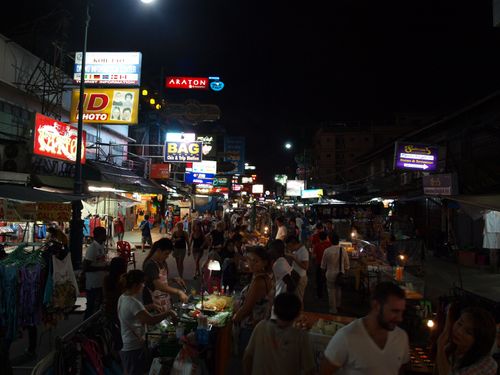
Bangkok’s backpacker carnival: curbside bars, live bands and DJs from 3pm–2am (midnight Sun). Street eats are cheap — pad thai 70–100 THB, mango sticky rice 60–100 THB. Come for wild people-watching; duck into Rambuttri for a calmer beer.
Chao Phraya Tourist Boat N13 Phra Arthit Pier
Services
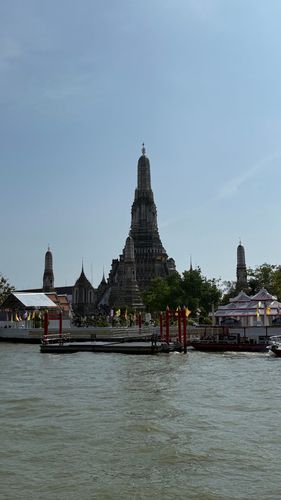
Khao San's river gateway. N13 Phra Arthit is the Chao Phraya Tourist Boat stop: grab a day pass and hop to Wat Arun, the Grand Palace and Sathorn. Boats every ~30 mins; last around 7:15pm. The scenic, no-traffic way to get around.
The Grand Palace
Attractions
Bangkok’s royal showpiece a short hop from Khao San: glittering Wat Phra Kaew, Ramakien murals, and gold-on-gold rooftops. Go 8:30am to dodge the heat, dress modestly, and boat to Tha Chang for the prettiest arrival.
Wat Phra Kaew
Temples
Bangkok’s holiest temple inside the Grand Palace. Go early (8:30am–3:30pm). Buy the 500 THB ticket at Na Phra Lan Rd gate. Dress code enforced. Marvel at Ramakien murals and the tiny Emerald Buddha whose robes change with the seasons. 10–15 minutes’ walk from Khao San.
Wat Saket Ratchawora Mahawihan
Temples
Wat Suthat Thepwararam Ratchaworamahawihan
Temples
Serene counterpart to the Giant Swing: a soaring hall, Sukhothai‑era 8 m bronze Buddha, and some of Bangkok’s finest murals. An easy 15‑minute walk from Khao San; open daily till 8pm for golden‑hour visits.
Loha Prasat
Temples
Wat Trai Mit Witthayaram Worawihan
Temples
Chinatown’s showstopper: a 5.5‑ton, 3‑meter solid‑gold Buddha in a marble shrine. Open daily 8am–5pm; tickets around 100 THB. Go early for quiet, then wander Yaowarat from Odeon Circle or hop off at Hua Lamphong MRT.
The Giant Swing
Attractions
Bangkok’s scarlet Giant Swing towers outside Wat Suthat—free to visit, open all day, and best at sunset. Pair it with the temple across the street, then graze Dinso Road’s street food. A quick tuk‑tuk or 20‑minute walk from Khao San.
Sanam Luang
Attractions
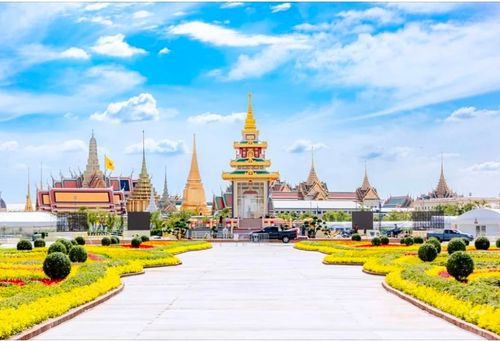
Bangkok’s royal lawn facing the Grand Palace. Free to wander, ringed by tamarind trees, popular for kite flying (Feb–Apr) and lazy green‑space hangs. A 10‑minute walk from Khao San; come early for soft light and street snacks along Na Phra That Rd.
Yaowarat Chinatown Heritage Center
Attractions
Inside Wat Traimit by Chinatown Gate, this tidy museum charts Yaowarat’s Chinese roots with bilingual displays, period photos and short films. Open Tue–Sun 8:30am–4:30pm; closed Mon. Pair it with the Golden Buddha upstairs.
More Khao San Road Guides
- Bangkok Temple Run with a Guide vs Self-Guided: When a Temple Tour Is Worth It from Khao San Road
- Bangkok Temple Run with a Guidebook Mindset: Self-Guided vs Guided Visits to Wat Pho, the Grand Palace, and Golden Mount from Khao San Road
- Bangkok Temple Run with a Guide: When a Tour Makes Wat Pho, the Grand Palace, and Golden Mount Easier from Khao San Road
- Bangkok Temple Run with a Local Guide: Wat Pho, Grand Palace, and Golden Mount from Khao San Road