
Bangkok Chinatown Street Food for Khao San Road Travelers: A Night Market Food Guide
Eat your way through Yaowarat after dark: what to order, where to walk, and how to get from Khao San to Bangkok’s Chinatown night market without the fuss.
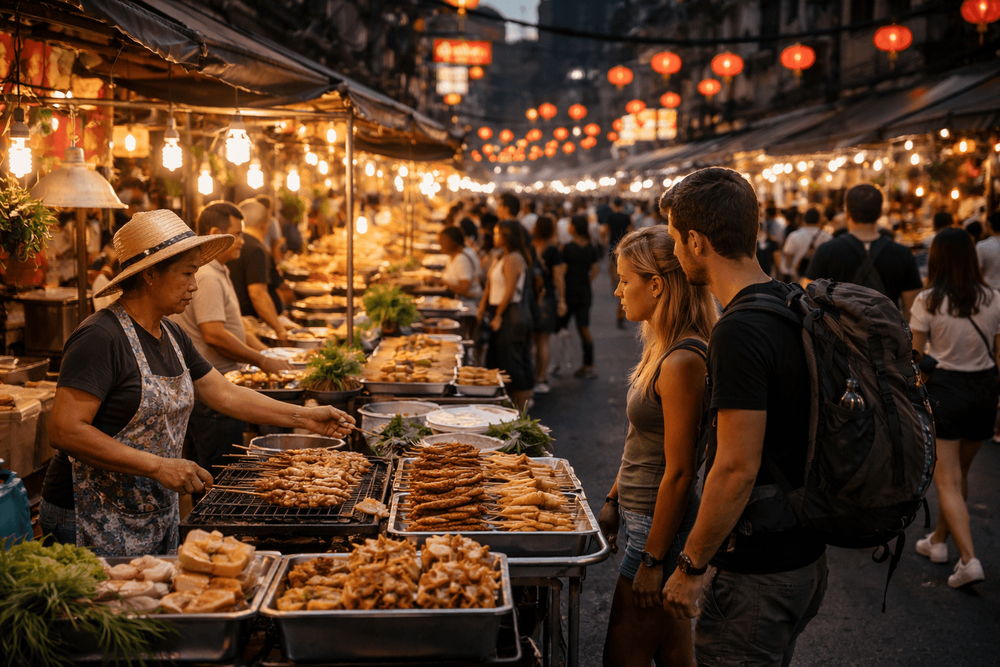
We spill out of the tuk-tuk onto Yaowarat Road and the city hits us in stereo — neon stacked five high, woks flaring like signal fires, the perfume of garlic, pepper, and sweet rot of durian drifting from a cart. This is the bangkok chinatown street food night market we came for: Yaowarat after dark, where we eat shoulder-to-shoulder with aunties, students, and farang who forgot what “full” means two skewers ago.
Why Yaowarat After Dark Works: The Bangkok Chinatown Street Food Night Market
Bangkok’s Chinatown (Yaowarat) isn’t just another night market; it’s a living appetite, loud and proud. By sunset, the main drag — Yaowarat Road — transforms into a double-lane buffet where the curb becomes kitchen. The busiest stretches run from the Yaowarat Chinatown Heritage Center past Wat Traimit and deeper toward the Wat Mangkon MRT area. Expect queues snaking around Soi Phadung Dao (locals still call it Soi Texas), clusters on Plaeng Nam Road, and pop-up grills on every soi that spills off Yaowarat.
What makes Yaowarat famous for food lovers? Volume and variety. We can slurp boat noodles, suck chili-spiked lime off grilled cockles, chase dim sum with black sesame dumplings, and still find room for durian or mango sticky rice. It’s part theater, part grandma’s kitchen, and 100% sanuk — fun in that particularly Thai way that’s half chaos, half charm.
- Vibe: Hot, fast, neon-lit. Expect honking, hawking, and the thump of bass drifting from passing cars.
- Peak time: Roughly 7:30–10:30 pm. Stalls build from 6 pm; many run until midnight or later on weekends (confirm locally).
- Crowd level: Shoulder-to-shoulder on weekends; easier breathing room Monday–Thursday.
If you’re based around Khao San Road or Soi Rambuttri, Yaowarat is a perfect evening mission — far enough to feel like a mini adventure, close enough that we can be back for a late Singha before last call.
Signature Bites You’ll Hunt (and Crush)
We won’t pretend there’s a single “best” stall — that’s a street argument we’d happily lose every night — but here’s what we prioritize when we hit Chinatown hungry.
Seafood off the Flames
- Grilled prawns, cockles, and squid: Char-kissed, dipped in nam jim seafood — a limey, garlicky, bird’s eye chili sauce that wakes every corner of your brain.
- Stir-fried crab with curry powder: Yellow, creamy, peppery — messy in the best way. Often priced by weight; check the board before ordering.
- Razor clams with holy basil: Briny, herbaceous, a quick wok-toss that disappears in two minutes flat.
Safe range for seafood plates: roughly 200–800 THB depending on size and species (confirm locally; weight-based pricing is common).
Noodles Worth a Queue
- Guay jub (rolled rice noodles) in peppery broth loaded with crispy pork — a Chinatown signature that’ll clear your sinuses and fix your soul.
- Ba mee moo daeng (egg noodles with red pork) — dry or soup, sometimes with wontons and crab.
- Rad na and pad see ew — wide rice noodles, silky gravy or smoky stir-fry, with Chinese broccoli and your protein of choice.
Expect 50–120 THB for most noodle bowls/plates at streetside spots (confirm locally).
Dim Sum and Dumplings
- Har gow, siu mai, and steamed buns (salapao) fill bamboo towers on the sidewalks.
- Pan-fried chive cakes (gui chai) — crisp outside, gummy inside, dunked in sweet soy.
Many dim sum bites run 20–40 THB per piece or 60–120 THB per small plate (confirm locally).
Snacks and Sweets
- Khanom bueang (Thai crispy crêpes) with coconut cream and foi thong (egg threads).
- Black sesame tang yuan in ginger broth — sweet, spicy, soothing.
- Chinese dough sticks (pa tong go) with pandan custard dip.
- Fresh-cut tropicals, from dragon fruit to that love-it-or-leave-it durian.
Desserts typically 25–80 THB depending on portion and stall (confirm locally).
Drinks to Keep Pace
- Iced chrysanthemum tea, grass jelly drinks, or fresh sugarcane juice on crushed ice.
- If you need a breather, duck into a café on Soi Nana (Chinatown’s, not Sukhumvit’s) for a bitter espresso or a herbal tea.
Practical: How to Do a Night Market Food Run Without Melting
Yaowarat rewards a little strategy. We go early, pace ourselves, and keep the lines moving.
Best Times and Crowd Patterns
- Arrive 6–7 pm to snag a first round before the crunch. Peak is 7:30–10:30 pm; after 11 pm, some seafood grills still fire, but choosier stalls start closing (confirm locally).
- Weeknights are friendlier; Friday–Sunday is a party with elbows.
Cash, QR, and Cards
- Cash is still king for street carts. That said, PromptPay QR has gone mainstream; many stalls print a QR placard. Keep small bills (20s/50s/100s) to avoid making change a drama.
- ATMs line Yaowarat and Charoen Krung. Card acceptance is rare at street level; sit-down shophouses may take cards with a minimum.
Food Hygiene and Staying Fresh
- Pick stalls with turnover — if locals are lining up, that wok hasn’t cooled all night.
- Order cooked-to-order dishes. If it’s been sitting, skip it.
- Ice from large, stamped bags is generally safe; if in doubt, go bottled or no-ice. Bottled water is everywhere.
- Heat is real. Duck into 7-Eleven for the blessed AC blast and a wet tissue resupply.
Budgeting
- A happy, stuffed night runs 200–600 THB per person at street level; more if you’re going heavy on seafood (confirm locally).
Where Exactly to Walk: Key Streets, Landmarks, and Nearby Sights
Chinatown sprawls, but the edible backbone is straightforward.
Yaowarat Road (The Main Artery)
From the Chinatown Gate (Odeon Circle) to around Yaowarat Soi 9, you’ll find the densest concentration of carts and queues. The curb becomes a sidewalk kitchen; watch your ankles and your appetite.
Soi Phadung Dao (Soi Texas)
A hub for seafood. You’ll spot plastic stools, makeshift grills, and wok smoke leaking into the neon. Weekends are a zoo; worth weaving in for shellfish and spectacle.
Plaeng Nam Road and Soi Nana (Chinatown)
Plaeng Nam branches off Yaowarat with dessert carts and quiet noodle gems. Soi Nana (nearby, not to be confused with Sukhumvit Soi Nana) hosts bars and cafés in restored shophouses — a solid midway intermission.
Ratchawong Pier and Talat Noi
If we come by river, Ratchawong Pier spits us out into the old trading lanes. Talat Noi’s street art, shrines, and old machine-parts shops make a good pre-dinner wander while it’s still light.
Temples and Daytime Pairings
- Wat Traimit (Golden Buddha) anchors the Odeon side; best in late afternoon shade.
- Wat Mangkon Kamalawat (Wat Leng Noei Yi) sets the spiritual tone — incense, dragons, and drumbeats during festivals.
- Khao San Road Night Market is daytime-only but fun to fold into a late afternoon before the food lights flip on.
For a broader sweep beyond Chinatown, our deeper dive on neighborhoods pins more street-food clusters from Old Town to Silom and Sukhumvit — see Bangkokian Museum (/articles/bangkok-street-food-by-neighborhood).
Getting There from Khao San and Old Town
We like to make the journey part of the night.
Boat + Walk (Our Favorite)
- From Phra Arthit Pier (near Khao San/Phra Athit Road), ride the Chao Phraya Express Boat (orange flag) to Ratchawong Pier. Fares are typically in the 16–20 THB range (confirm locally). From the pier, it’s a 10–12 minute walk into the thick of Yaowarat.
- Pros: No traffic, river breeze, dramatic arrival. Cons: Boats thin out later at night.
MRT
- Hop a short taxi or bus to MRT Sanam Luang or Hua Lamphong, then ride to Wat Mangkon Kamalawat (Wat Leng Noei Yi). You’ll surface right under the action.
Taxi or Tuk-Tuk
- Metered taxi from the Khao San area runs 10–20 minutes off-peak, longer in evening jam. Insist on the meter. Tuk-tuks are flat-fee; agree on price before rolling and expect a small premium after midnight.
On Foot
- If you’re up for it, it’s roughly 2.5–3 km from Khao San to Yaowarat. Night air, temple silhouettes, and a progressive snack trail en route.
For more ways to eat your way across the city once the sun dips, we keep a running index in our Bangkok Night Street Food Guide (/articles/bangkok-night-street-food-guide) and our head-to-head on markets vs roadside stalls (/articles/bangkok-street-food-night-markets-vs-stalls-guide).
How We Eat Yaowarat: Tips to Max Your Night
Build a Progressive Feast
- Start light (a skewer here, a dumpling there), then commit to a noodle bowl, then seafood if you’ve still got gas. Save desserts for the stroll back toward Odeon Circle.
Read the Room (and the Menu)
- If prices are “per 100g,” ask to weigh your crab or prawns first. Smile, say “khor ra khah/khrap” (please), and you’ll get clarity.
- Menus with photos help; if there’s no English, point to the wok or your neighbor’s plate. The universal language of hungry.
Spice and Dietary Notes
- “Mai pet” = not spicy. “Pet nit noi” = a little spicy.
- Vegetarian/vegan: Look for stir-fried morning glory, tofu dishes, mushroom noodles, chive cakes, Chinese greens with garlic. Many stocks are meat-based; confirm. Dessert land is your friend.
- Allergens: Peanuts, shellfish, soy, and gluten pop up everywhere. Ask and watch prep.
Street Smarts
- Keep valuables zipped and in front in the surge. Chinatown is friendly but busy.
- Avoid gem-tailor detours from over-eager tuk-tuk drivers. We’re here to eat, not buy sapphires.
- Hydrate. We duck into 7-Eleven for water and a cool-down between rounds.
Where We Crash After
If we’re based near Khao San or Soi Rambuttri, it’s an easy hop back by river or road. On nights we know we’ll roll home late and heavy, we sometimes pick a riverside guesthouse in the Old Town so the ride is short and breezy. If you crave a pool to rinse off the wok smoke, look for Old Town hotels with a rooftop dip — bliss after a chili-lime sprint.
For more places to graze beyond Yaowarat — including market clusters closer to Khao San — our Bangkok Street Food Night Market Guide (/articles/bangkok-street-food-night-market-guide-khao-san-and-beyond) will keep you munching within a quick tuk-tuk of your bed.
Sample Yaowarat Crawl We’d Actually Do
- Start at Odeon Circle around 6:30 pm, nibble a dumpling or two.
- Slide down Yaowarat Road, beeline into Soi Phadung Dao for seafood.
- Reset palate with chrysanthemum tea on Plaeng Nam.
- Commit to a peppery guay jub near Wat Mangkon MRT.
- Dessert drift back toward the gate: crispy crêpes or black sesame tang yuan.
If you want a deeper catalog of Chinatown-specific stalls and what to order at each, our focused Chinatown Night Market Guide dives in further — see our focused Chinatown Night Market Guide (/articles/yaowarat-street-food-guide).
Quick Plan
- Day 1: Khao San Road → Yaowarat (3 km, 10–25 min by taxi; 20–30 min by boat+walk). Key stops: Chinatown Gate (Odeon), Soi Phadung Dao seafood. Overnight base: Old Town/Khao San area.
- Day 2: Old Town → Talat Noi and Soi Nana (1.5–2 km, 10–20 min by taxi or walk). Key stops: Talat Noi lanes, Wat Mangkon, dessert sweep on Yaowarat. Overnight base: Old Town/Khao San area.
- Day 3: Optional Return for Missed Bites → Back to Khao San (flex). Key stops: Your “regret eats,” plus a final noodle bowl before retreat.
ASCII route: Khao San/Phra Athit → (boat) Ratchawong Pier → Yaowarat Gate → Soi Phadung Dao → Wat Mangkon → Soi Nana → back.
Costs at a Glance (THB)
Last checked: Oct 2026
- Fuel (Bangkok 95/91): ~34–45 THB/L (confirm locally).
- Segment fuel estimate (compact car ~12–14 km/L):
- Khao San → Yaowarat (3 km): ~7–12 THB fuel.
- Old Town loops within Chinatown (2–4 km): ~6–14 THB fuel.
- Tolls: None if staying surface streets; expressway detours may add ~20–80 THB one-way (confirm locally).
- Parking: Street or private lots around Yaowarat/Charoen Krung ~20–80 THB/hour; night maximums vary (confirm locally). Parking is limited; we usually avoid driving.
- Street food ranges: Snacks 25–80; noodles 50–120; seafood plates 200–800+; drinks 20–60 (confirm locally).
- Attractions: Wat Traimit entrance commonly 40–100 THB range depending on area visited (confirm locally). Shrines typically free; donations welcome.
Booking Pathways
- Compare rental deals at Rentalcars.com for city-friendly compacts; pick-up near Phra Nakhon keeps returns painless: https://www.rentalcars.com/
- Browse Old Town/Khao San hotels on Agoda if you want a pool and easy boat access to Ratchawong: https://www.agoda.com/
- Skip-the-line temple or river tickets on Klook so you can time dinner right: https://www.klook.com/
Verification
- Opening hours and price ranges above are intentionally given as safe ranges and “confirm locally” where needed. For dynamic items (seafood by weight, weekend hours), we rely on recent on-the-ground checks and posted stall boards. Since hours and prices change with seasons and festivals, confirm on the day, especially during holidays and Vegetarian Festival (Tesagan Gin Je) when menus shift.
Know Before You Go
- Festivals: During the Vegetarian Festival (usually Sept/Oct), Yaowarat turns into a wonderland of je (vegetarian) stalls — expect even bigger crowds and different menus.
- Weather: Monsoon dumps can pop by surprise. Many stalls soldier on under tarps; bring a light rain shell.
- Respect: Shrines and temples nearby appreciate covered shoulders and knees if you pop in.
If we’ve got one personal recommendation: go early, walk slow, and let your nose steer the night. Yaowarat rewards curiosity — and we’re always up for one more bowl if you are.
EVAL_DATA:
- quick_plan: true
- costs_block: true
- booking_pathways: true
- verification_block: true
- internal_links: 4
- hotel_inventory_used: false
Related Hotels & Places
Khao San Road
Attractions
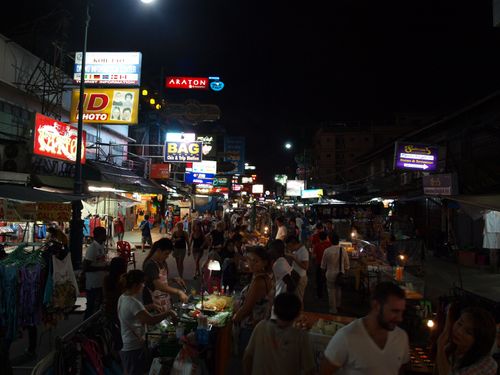
Bangkok’s backpacker carnival: curbside bars, live bands and DJs from 3pm–2am (midnight Sun). Street eats are cheap — pad thai 70–100 THB, mango sticky rice 60–100 THB. Come for wild people-watching; duck into Rambuttri for a calmer beer.
Rambuttri
Markets
Khao San’s calmer cousin: a tree‑shaded lane of VW van cocktail bars, open‑air foot massages, pad thai grills, and easygoing live bands. Best from sunset to 11pm; beers 80–120 THB, cocktails 150–220 THB. One block from the chaos, all the charm.
Yaowarat Chinatown Heritage Center
Attractions
Inside Wat Traimit by Chinatown Gate, this tidy museum charts Yaowarat’s Chinese roots with bilingual displays, period photos and short films. Open Tue–Sun 8:30am–4:30pm; closed Mon. Pair it with the Golden Buddha upstairs.
Bangkokian Museum
Attractions
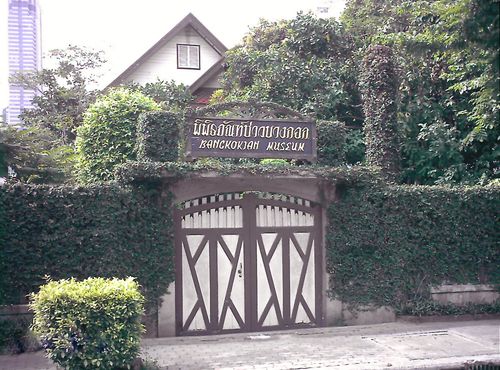
Step into early‑20th‑century Bangkok inside wooden houses off Charoen Krung. Four‑poster beds, an upright piano, old photos, and tin collections paint a middle‑class life. Quiet garden escape, 9am–4pm Tue–Sun, about a 10‑min walk from Si Phraya Pier.
Sanam Luang
Attractions
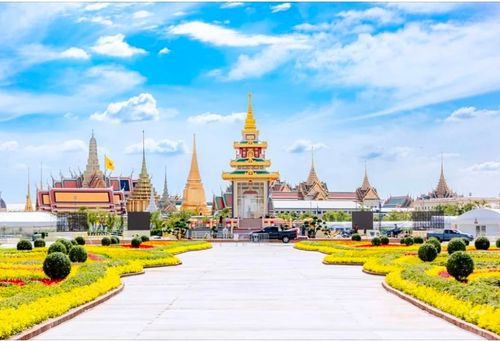
Bangkok’s royal lawn facing the Grand Palace. Free to wander, ringed by tamarind trees, popular for kite flying (Feb–Apr) and lazy green‑space hangs. A 10‑minute walk from Khao San; come early for soft light and street snacks along Na Phra That Rd.
Wat Mangkon Kamalawat (Wat Leng Noei Yi)
Temples
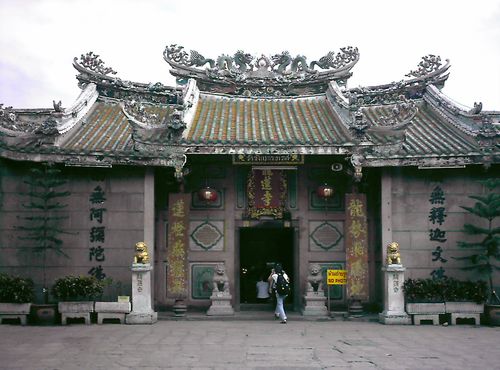
Chinatown’s grand Chinese Buddhist temple—smoky incense, red lanterns, and gilded altars. Free entry, donations welcome. Best early morning; electric during Lunar New Year and the Vegetarian Festival. Steps from MRT Wat Mangkon, 8am–5pm daily.
Tha Phae Walking Street
Shops
Khao San Road Night Market
Markets
Khao San’s nightly street market fires up from 3pm and peaks 7pm–midnight: pad thai and roti carts, fruit shakes, bargain tees and “elephant pants,” foot massages, tattoos, and those infamous cocktail buckets—all packed into one neon‑loud strip.
More Khao San Road Guides
- Best Street Food in Chinatown for Khao San Road Travelers: What to Eat, Where to Start, and How to Get There
- Where to Eat Street Food in Yaowarat: Bangkok’s Chinatown Night Market Guide
- Bangkok Night Markets for Street Food: Best Places Near Khao San Road and Across the City
- Bangkok Street Food for First-Time Visitors: What to Order, How to Eat, and Where to Go Beyond Khao San Road