Sing Buri Riverside & Old Town (Muang)
Slow-life by the Chao Phraya: wooden shophouses, river-fish dinners, easy temples, and a friendly, farang-light provincial vibe a couple hours from Bangkok.
819 places within 3km
9.0
Hotel
Sunset Residence Pinklao
See prices
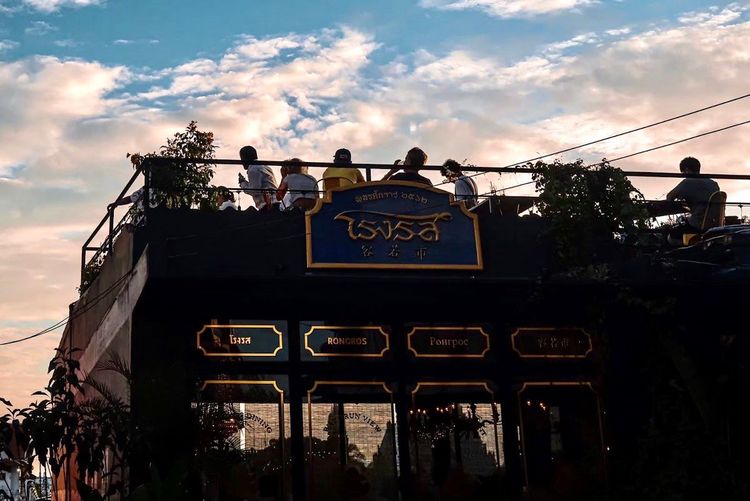
RONGROS
Restaurants $$$

9.4
Hotel
Chakrabongse Villas
See prices

9.2
Hotel
Poonsuk Place Hotel
See prices
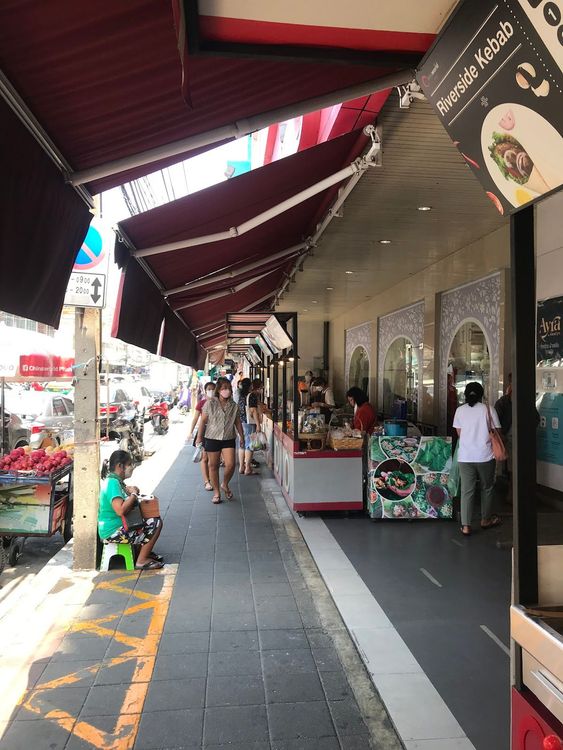
China World
Shops $$$
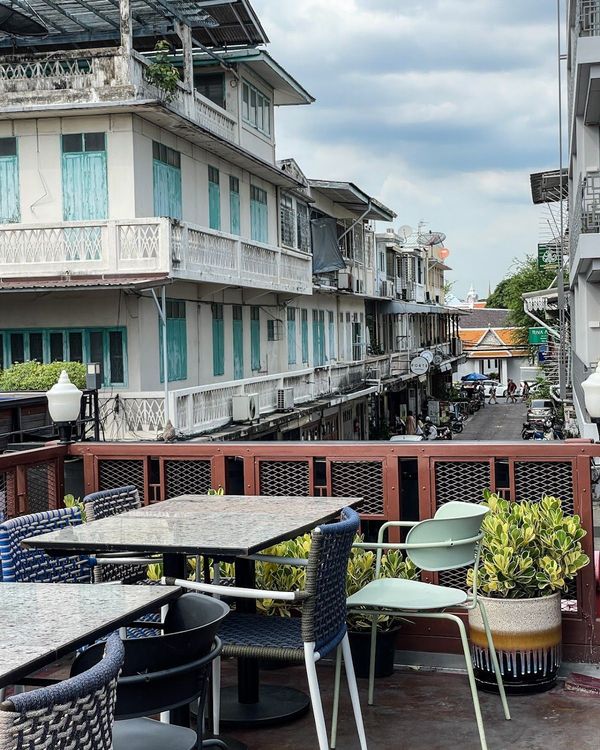
Supanniga Eating Room Tha Tien
Restaurants $$$
Closed
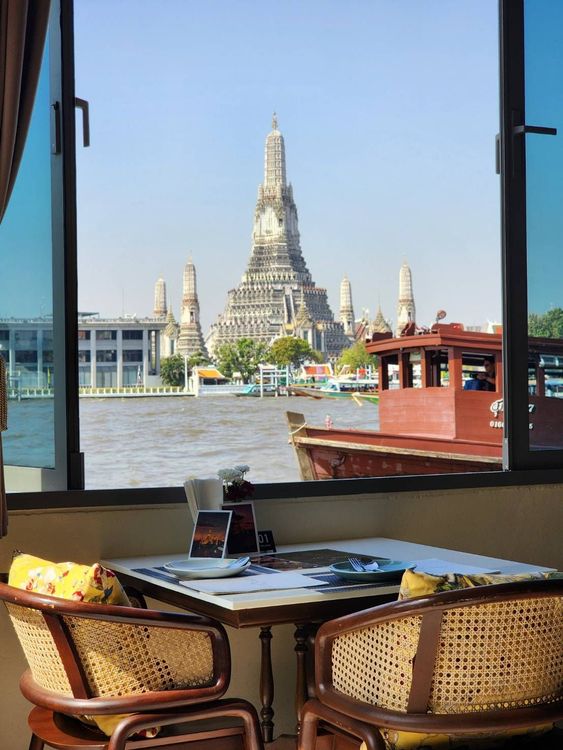
Chom Arun
Cafes $$$

8.2
Hotel
New Suanmali Hotel
See prices
Open
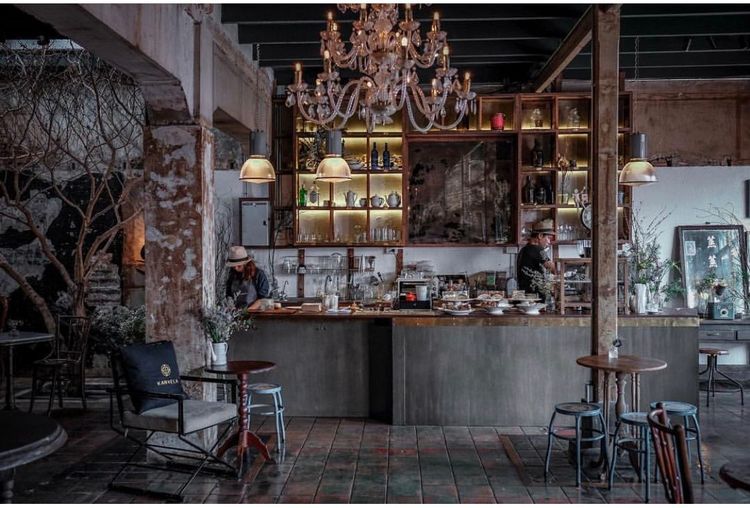
Buddha & Pals
Clubs $$$

8.8
Hotel
Aurum The River Place
See prices

ViVi The Coffee Place
Cafes $$$
Closed
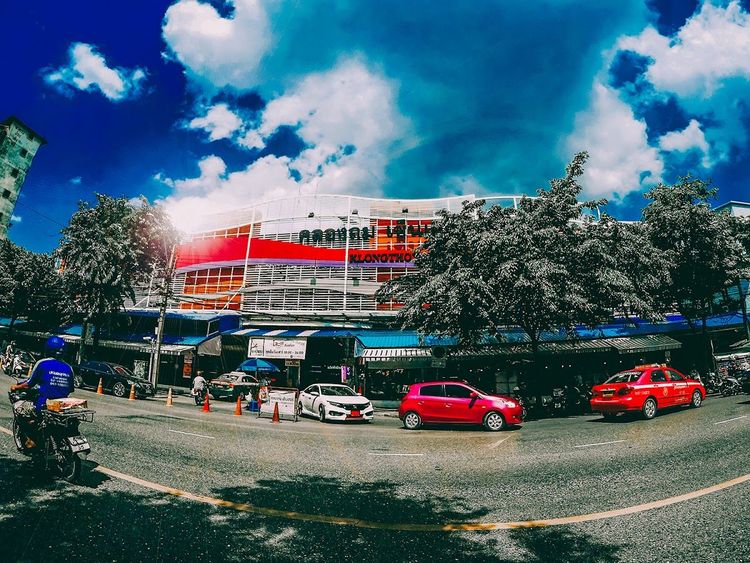
Klong Thom Center
Shops $$$

9.0
Hotel
Peace Factory Hostel
See prices
India Emporium
Shops $$$

8.8
Hotel
Lhong Krung Hostel
See prices

8.6
Hotel
Tuk Tuk Hostel
See prices
Hotel
Tuk Tuk Hostel
See prices

8.5
Hotel
Royal Princess Larn Luang Hotel
See prices

Closed
Fakafei
Coworking $$$
Wat Arun Ratchawararam Ratchawaramahawihan
Temples $$$

9.1
Hotel
AMA HOSTEL BANGKOK
See prices
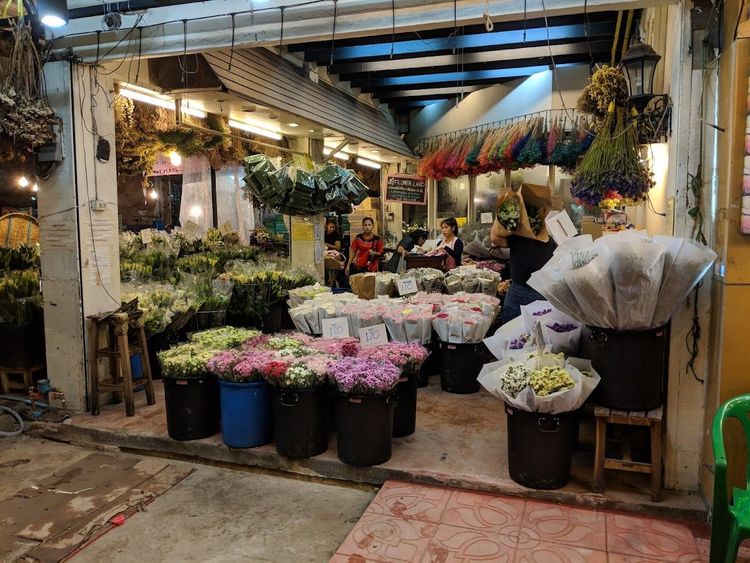
Open
Pak Khlong Talat (Flower Market)
Markets $$$

Hotel
Arun Sa Wad - Yaowarat
See prices

8.2
Hotel
Seen Hostel Bangkok The Riverwalk
See prices
About Sing Buri Riverside & Old Town (Muang)
We step off the van into a wall of late-afternoon heat and grilled fish smoke. The Chao Phraya throws silver light across Sing Buri’s riverfront, monks pad past with soft sawadee smiles, and a durian cart perfumes the soi with that sweet-rot tease. If you were Googling “tattoo in ao-nang” last night and somehow ended up here, good. This is the right kind of wrong turn—calmer, cheaper, friendlier, and very Thai in a way beach towns forget by high season.
## What’s the vibe by the river
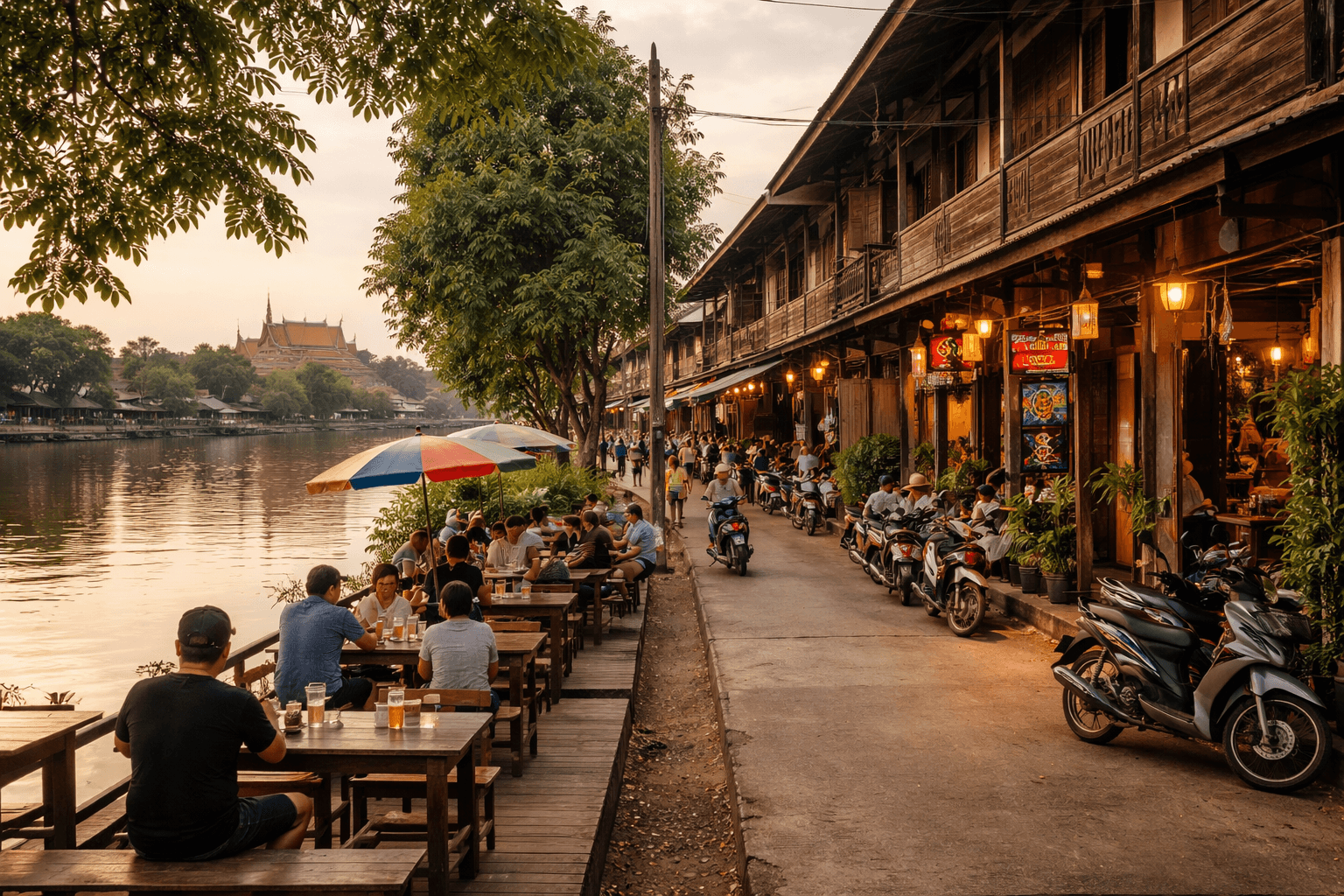
Sing Buri’s Muang (city) district hums gently: wooden shophouses, sleepy cafés with rattling fans, and a river promenade where families wander at sunset. Farang are rare enough that we still get curious nods and the occasional “Where you go?” from a motorbike taxi. The bass you’ll hear at night is more karaoke than club thump; the sanuk here is low-key—ice-cold beers by the water, not buckets on a bar crawl.
Expect provincial rhythms. Mornings start early with vendors banging woks for jok (rice porridge) and kai jeow (crispy omelet) over rice. By late afternoon the street-food carts bloom: sizzling moo ping, papaya salad pounded to order, boat noodles slurped in two bites. Prices remind us why we love the provinces—40–60 baht bowls, 10–15 baht skewers, iced coffee for 35–60 baht, big beer for 60–90 baht in local joints.
## Where you’ll find it
Aim for the riverfront in Muang Sing Buri—the cluster of streets hugging the Chao Phraya. You’ll know you’re close when the breeze lifts and the sidewalks widen into a park-like stretch where people jog and kids chase bubbles. The old market lanes just back from the water are the most atmospheric: narrow sois with timber shopfronts selling dried fish, incense, and those enamel bowls every Thai grandma owns.
A few bridges and cul-de-sacs define the neighborhood, but don’t overthink it. We wander by feel: follow the river, duck any soi that smells like frying garlic, and step into any temple courtyard that calls. Wat compounds here are working places—saffron robes drying on lines, bells that actually ring.
## Eating and drinking
- Street food: Evenings, look for the pop-up night market along the river. Try boat noodles (kuay tiao ruea)—dark, peppery, deeply porky. A snacky circuit costs maybe 100–150 baht if we go hard.
- River-fish restaurants: Sing Buri is snakehead country. Order pla chon pao (charcoal-grilled snakehead) with spicy sauce, or go steamed—pla neung manao (lime, garlic, chili) for 180–300 baht depending on size. Pair with sticky rice and a plate of morning glory (pak boong fai daeng).
- Cafés: Air-con lifesavers with Thai milk tea and proper espresso. Expect 9:00–18:00 hours, give or take. That 7‑Eleven blast of AC is 24/7 if you’re melting.
- Late night: It’s quiet. A few karaoke bars keep lights on till 23:00-ish. If you want neon and shots, Bangkok’s not far; here we keep it mellow and listen to crickets.
## Sights and small adventures
- Wat Phra Non Chaksi Worawihan: A short ride from town (15–20 minutes) delivers a massive reclining Buddha and a temple compound humming with local life. Go late afternoon when the light is honey and the floor’s not lava-hot.
- Bang Rachan Memorial Park: About half an hour west, this is where folk-hero Siamese villagers made a last stand. Low-key museum, reconstructed stockades, shady grounds—very Thai history class, very worth it.
- River and khlong cruising: No tourist boats on tap, but if we’re game (and polite), a local longtail might take us out for a putter along the khlongs for a few hundred baht. Ask around the riverfront; agree the price first.
- Dawn alms: Set an alarm. Buy pre-packed alms at a market and wait riverside; handing sticky rice to passing monks is a quiet, grounding start.
## Staying in the neighborhood
Accommodation skews simple and local. Expect small riverside hotels and guesthouses rather than hostels—clean rooms, AC, sometimes a balcony for sunset river-watching. Figure on 500–900 baht for a basic double with air-con and hot water. If you’re sensitive to noise, ask for a room away from the street (karaoke can carry on breezy nights).
## Getting there
- From Bangkok: Vans and buses leave Mo Chit 2 (Northern Bus Terminal) frequently. It’s 1.5–2.5 hours depending on traffic, usually 120–180 baht. You’ll be dropped at Sing Buri Bus Terminal on Highway 32; from there it’s a 10–15 minute hop by motorbike taxi (20–50 baht) or songthaew (10–20 baht) to the riverfront.
- From Ayutthaya or Lopburi: Regular regional buses and minivans up Route 32 make it easy—about an hour from either city.
- Trains: There’s no station in Sing Buri town; if you’re riding rails, bail at Ayutthaya or Lopburi and bus the last leg.
- Getting around: Songthaews cruise set loops by day; motorbike taxis wait at markets and intersections; tuk-tuks show up, but not everywhere. App rides (Grab/Bolt) can be spotty—have cash and a smile.
## Know before you go
- Heat is real. Midday temple-hopping is a sweat rite—hat, water, and that 7‑Eleven AC break are your friends.
- Mosquitoes love rivers. Repellent keeps evenings pleasant.
- Language: English is limited but smiles aren’t. Point, gesture, and learn the magic words—“khop khun krap/ka” gets us far.
- Money: Cash rules. ATMs cluster around markets; many stalls take Thai QR (PromptPay), but don’t bank on it.
- Timing: Cooler, drier months are Nov–Feb. Rainy season (May–Oct) brings dramatic skies and occasional river swelling; markets still pop unless it’s bucketing down.
- Fares and menus: Ask the price first, same as anywhere. Scams are rare; misunderstandings are common.
## About that “tattoo in ao-nang” search
Ao Nang is a beach town in Krabi—great for surf-and-ink vibes—but it’s a thousand kilometers and a whole mood from here. If we’re tattoo-curious in Sing Buri, think temple traditions rather than neon studios: ask respectfully at local barbers or chatty café owners about sak yant practitioners, and be ready to follow local etiquette. Or pocket the idea and save that “tattoo in ao-nang” dream for when we actually hit the Andaman. For now, let Sing Buri ink itself on us the old-fashioned way—smoke in our shirts, chili on our lips, river breeze in our hair.
When we want Bangkok back, vans are easy. But give Sing Buri a sunset or two—you might find yourself lingering over one more plate of pla chon and plotting the next slow river day.