
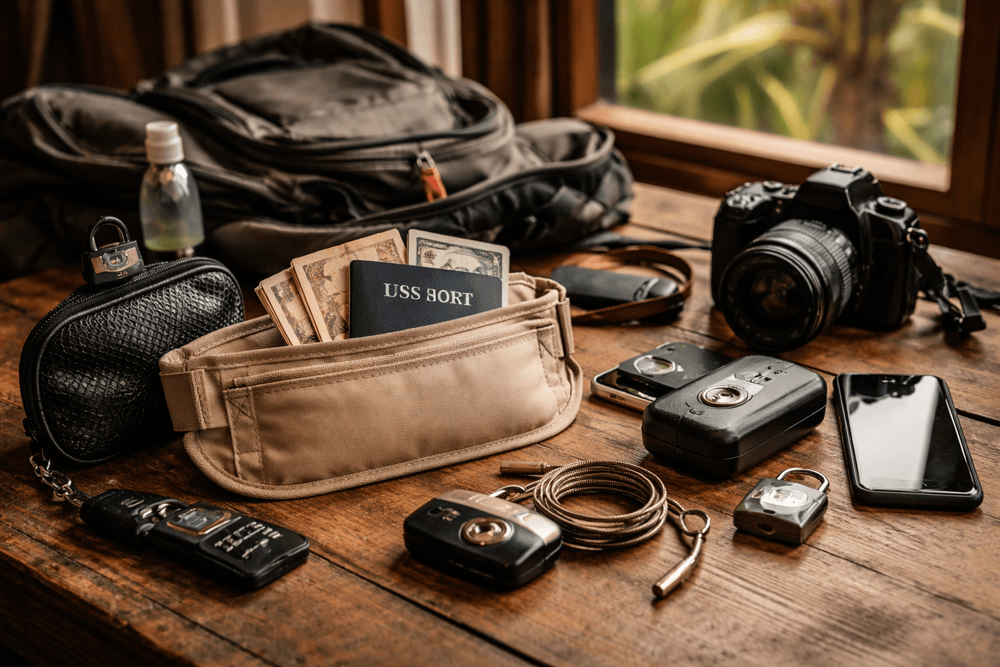
What to Pack for Thailand for Carrying Valuables Safely: Passport, Cash, Electronics, and Hostel Security Essentials
The exact IDs, cash, bags, and backup tricks we use to keep passports and phones safe across Thailand—from Khao San to Koh Tao.
We step out onto Khao San Road and the air hits us like opening a steamer—chili smoke from a wok, sweet rot of durian by the cart, bass thumping from a bar promising buckets and regret. That first Bangkok night is electric, but it’s also when we tighten our setup: passport zipped where sticky fingers can’t find it, small bills in the front pocket for pad thai, phone in a waterproof pouch because someone just sprayed us with a Super Soaker. This is our Thailand valuables packing list—field-tested from Soi Rambuttri sunrise noodle runs to longtail splashes off Koh Phi Phi.
Your Thailand Valuables Packing List: The Essentials
We’re not talking toiletries or temple pants—we’re talking the stuff that can ruin a trip if you lose it. Pack this, and pack it smart.
Core IDs and Money
- Passport with at least 6 months’ validity and two blank pages
- Visa documents or approval letters (printed and digital)
- 2x passport photocopies and 2x passport photos (handy for SIMs, extensions)
- Backup ID (driver’s license or a second national ID)
- Credit + debit cards (at least two, from different banks)
- A small stash of Thai baht (1,500–3,000 THB in mixed notes for arrival taxis, SIM, first meals)
- Travel insurance details (policy number + emergency contacts, printed and saved offline)
Tip: Photocopies cost 2–5 THB per page at print shops near universities or office towers. Keep one copy on you, one buried at your accommodation.
Electronics and Power
- Phone (unlocked) + local SIM or eSIM
- Charging cables + fast-charger brick (220V, Type A/B/C plugs work with a simple adapter)
- Power bank (10,000–20,000 mAh for island ferries and bus rides)
- Universal plug adapter (one with surge protection)
- Lightweight laptop or tablet only if you actually need it (remote work, photo dumps)
- Noise-isolating earbuds or small headphones
Health and Meds
- Prescription meds in original packaging + paper prescription
- Personal first-aid basics (plasters, rehydration salts—Bangkok heat is no joke)
- Spare contact lenses/glasses + microfiber case
Optional but Smart
- Waterproof phone pouch (100–200 THB at street stalls)
- 5–10L dry bag for boats and monsoon days (200–400 THB at markets)
- Small cable lock to secure zips to bed frame/locker
- Slim money belt or neck pouch (for intercity travel days)
- RFID-blocking sleeve for passport/cards if it helps you sleep better
- Few silica gel packets for humidity control in camera/phone pouch
deeper dive on the anti-theft angle, we break down choices in more detail here: What to Pack for Thailand for Carrying Valuables: Anti-Theft, Money, and Document Protection for Backpackers.
How We Actually Protect Valuables on the Road
Staying safe isn’t about being paranoid; it’s about building boring, repeatable habits. We set a system on day one and stick to it—Khlong boat to Golden Mount, Chao Phraya Tourist Boat ICONSIAM Pier rides, full-moon ferries, all of it.
Our Everyday Carry Setup (Cities and Day Trips)
- Front pocket: 200–500 THB in small notes + a single card for quick taps or ATM use
- Zipped inner bag pocket: phone
- Hidden pouch or deep interior sleeve: passport copy + insurance copy + backup card
- Waterproof pouch in the day bag: phone during rain or boats
- Day bag that zips fully and sits in front on busy BTS/MRT and markets
We never dangle our phone over the khlong, and we don’t leave it on café tables while ordering. In busy spots around Siam, Chatuchak Haus, or the ferry piers, the front-carry bag routine is non-negotiable.
For what to keep in your day bag beyond valuables, check our fast checklist: Thailand Packing List for Backpackers: Day Bag Essentials for Flights, Temples, and Tours.
In-Room Security (Hostels and Guesthouses)
- Split the stash: one card + small cash on you, second card + bigger cash locked up
- Use a locker when provided; bring a sturdy padlock (hostel locks are often flimsy)
- No locker? We zip our main bag and tether it to a fixed point with a cable lock
- Passport stays locked up unless we actively need it
- We avoid leaving electronics near open windows or balconies
Hotel safes can be handy, but they’re not Fort Knox. If we use one, we still keep a spare card and small cash hidden elsewhere in the room.
Buses, Trains, Flights, and Ferries
- Keep passports, cards, and phone on your body during all transit—never in stowed luggage
- On overnight buses/trains, we loop a strap through the bag and our arm/leg; zips locked
- For longtail transfers, everything valuable goes inside a dry bag inside our backpack
- On budget flights, valuables go in the under-seat personal item we’ll actually watch
Digital Backups and Phone Security
- Cloud backup scans of passport, visas, insurance, and onward tickets
- Offline copies saved on phone + password manager with emergency contacts
- Strong phone passcode + “Find My” enabled; we keep IMEI numbers saved
- eSIM or local SIM registered to our name; we don’t hand our phone to random “helpers” for top-ups
For step-by-step setup of money and documents, this guide is solid backup: What to Pack for Thailand for Carrying Cash, Cards, and Travel Documents: Organization and Backup Essentials.
Thailand-Specific Considerations: Humidity, Rain, Boats, and Baht
Thailand does its best to murder electronics and crisp banknotes—sweat, sudden downpours, and salty boat spray. We plan for it.
Humidity and Heat
- Use zip bags or a small dry bag to reduce sweat soak; silica packs inside camera cases
- Wipe condensation before charging devices in AC rooms
- Keep power banks and cords off damp floors; fungus loves fabric pouches
Monsoon and Songkran
- Stash a cheap poncho (20–50 THB) and a waterproof phone pouch
- Songkran week (April): assume you’ll get soaked from chin to flip-flop; leave passports locked up and carry only waterproofed cash + a single card
Beach and Island Transfers
- Longtails are splash zones—dry bag or regret
- Ferry decks: wind + spray; zip everything and keep the phone on a lanyard
- Sand grinds—use hard cases for sunglasses and cameras
Nightlife and Street Scenes
- Crowded bar streets like Khao San and Soi Cowboy are pickpocket classrooms
- We carry smaller cash, keep phones in zipped pockets, and watch our drink
- Tuk-tuks are fun, but bags stay zipped and on laps; same for motorcycle taxis
Cash Culture with Card Creep
- Street eats (50–100 THB) are cash-first, but malls and 7-Eleven often take cards
- ATMs charge a foreign fee (often 220–250 THB); we withdraw larger amounts less often, then split the cash into small working bundles
- Exchange kiosks around Phra Athit and major BTS areas can beat airport rates—compare before committing
Want a tighter wallet game? We lay out a simple carry system here: Backpacker Packing List for Thailand’s Cash-and-Card Travel: Wallet, Money Belt, and Backup Essentials.
Money and Document Management by Trip Style
Your setup shifts depending on whether we’re temple-hopping along the river or chasing ferries to Koh Tao.
Shoestring Backpacker (Khao San → Islands → North)
- Daily carry: 800–1,200 THB in small notes + 1 debit card
- Backup: 4,000–8,000 THB in the room safe/hidden pouch + 1 credit card
- Documents: passport locked up; copy + visas on phone
- Notes: top up cash before island hops; ATMs can be scarce or crowded on party weekends
Mid-Range Urban Explorer (Ari Cafés → Chinatown Feasts → Sukhumvit Bars)
- Daily carry: 1,500–2,500 THB for taxis, meals, entrance fees; 1 card for tap/ATM
- Backup: 8,000–12,000 THB locked at accommodation; second card stored separately
- Documents: bring passport only for bank errands or scooter rentals; otherwise a copy works for most ID checks
- Notes: big malls love card payments, but night markets still prefer cash for bargains
Slow Traveler / Remote Worker (Month in Bangkok or Chiang Mai)
- Daily carry: 800–1,500 THB; keep a transit card + small change for BTS/boat
- Backup: distribute bigger cash between two lock points; stash one backup card outside your room (trusted friend or sealed envelope with reception if they allow)
- Documents: keep paperwork neatly scanned; police reports help with insurance if theft happens—snap photos of serial numbers
No matter the style, our north star is redundancy: two cards, split cash, digital + physical copies, and a routine we can do half-asleep on an overnight bus through Isaan.
Gear We Swear By (Without Overpacking)
- Crossbody day bag that hugs the torso and fully zips
- Slim pouch/neck wallet for long-haul days (plane, bus, train)
- Dry bag for islands and monsoons (bright color so it’s hard to forget on the pier)
- Small cable lock and a decent padlock
- Zip bags, a couple of rubber bands, and a Sharpie (label bundles of cash, cord wraps)
- Compact power strip if you carry multiple devices and share dorm outlets
Common Mistakes We See—and How We Dodge Them
- Carrying everything, every day
- Don’t bring the whole bank to the night market. One card, small cash. The rest stays locked up.
- Flimsy zips and open bags
- In Yaowarat Chinatown Heritage Center’s squeeze or Chatuchak’s crush, open totes invite nimble fingers. Zip, sling to the front, one hand resting on top.
- Phone on the table
- It’s a farang beacon. We keep it in a zip pocket; glance-and-go for photos; never dangle it over a khlong.
- No document backups
- Scan and cloud-store everything. Keep offline copies, too. When you need a police report at 2 AM off Phra Athit, you’ll be glad.
- Overconfidence in “free” lockers
- Use your own lock. If the hinge looks sad, tether your bag to the bed frame.
- Flashing fat wads at ATMs
- We pocket cash quickly, split it back at the room, and resist the urge to count stacks in public.
- Jewelry and watches on party streets
- If you can’t lose it, don’t wear it out. Simple as that.
- Not waterproofing for transfers
- A 200 THB dry bag saves a 20,000 THB phone. Splash math.
- Forgetting small bills
- Street vendors aren’t ATMs. Break 1,000s at 7-Eleven; aim for 20s/50s/100s for taxis and snacks.
- Ignoring insurance fine print
- Theft claims usually need a police report. Know your insurer’s timeline and document requirements before you need them.
Know Before You Go: Street-Smart Logistics
- ATMs: Fees around 220–250 THB per withdrawal. Withdraw more, less often; split the cash later.
- 7-Eleven: Cold air, SIMs, and sometimes cheap waterproof phone pouches. A sanctuary when the sun turns you into soup.
- SIMs: 150–300 THB for tourist packages with data; you’ll need your passport to register.
- Taxis and Grab: Keep 100–200 THB in small bills; some drivers won’t break a 1,000.
- Printing: Guesthouses or copy shops near university areas are your friends for cheap copies.
- Police: For theft, report promptly. Tourist Police hotlines are posted in busy areas.
Where We Stash Things on a Real Bangkok Day
Morning boat noodles on Phra Athit Road, temple loop up the river, sunset from Golden Mount, then beers under fairy lights on Soi Rambuttri—we run this all the time with the same setup:
- On us: 600–1,000 THB in small notes, one card, phone in front pocket or crossbody
- Locked at the room: passport, second card, emergency cash 4,000–8,000 THB, laptop if we’re not using it that day
- Waterproof pouch appears for boats or rain, then disappears back into the bag
That’s the rhythm—sanuk without the stress.
If you want to mirror our full carry system and backups, bookmark this too: What to Pack for Thailand for Carrying Cash, Cards, and Travel Documents: Organization and Backup Essentials.
Final Word From the Soi
Lewis N. Clark Waterproof Phone Pouch
We’ve learned this the sweaty way: safety in Thailand isn’t about locking yourself down—it’s about small, boring habits that leave your brain free for the good stuff. The sizzle of a wok at midnight. That river breeze on the Chao Phraya Express as temples glow and the city hums. Pack light but pack smart, split your stash, waterproof your life, and we’ll meet you under the fairy lights on Soi Rambuttri with a cold one and a phone that still works.
Related Hotels & Places
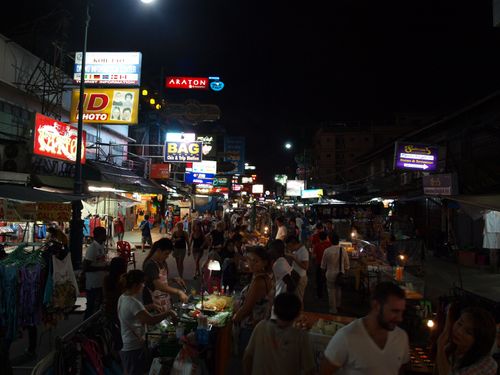
Khao San Road
Attractions
Bangkok’s backpacker carnival: curbside bars, live bands and DJs from 3pm–2am (midnight Sun). Street eats are cheap — pad thai 70–100 THB, mango sticky rice 60–100 THB. Come for wild people-watching; duck into Rambuttri for a calmer beer.
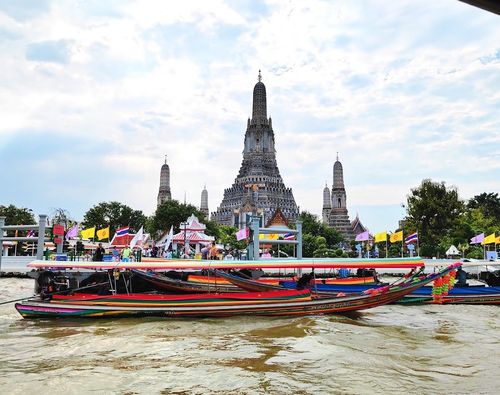
Chao Phraya Tourist Boat ICONSIAM Pier
Services
Hop on the blue‑flag tourist boat at ICONSIAM to cruise Wat Arun, Wat Pho, the Grand Palace and Chinatown. Day pass ~150 THB, boats every ~30 mins, last runs around 7:15pm. Easiest river launchpad via BTS Gold Line to Charoen Nakhon.
Chatuchak Haus
Hotels
A 5-star hotel in Bangkok.
Yaowarat Chinatown Heritage Center
Attractions
Inside Wat Traimit by Chinatown Gate, this tidy museum charts Yaowarat’s Chinese roots with bilingual displays, period photos and short films. Open Tue–Sun 8:30am–4:30pm; closed Mon. Pair it with the Golden Buddha upstairs.
Recommended Products
More Khao San Road Guides
- What to Pack for Thailand for Carrying Valuables Safely: Passport, Cash, Electronics, and Hostel Security Essentials
- What to Pack for Thailand for Carrying Valuables: Anti-Theft, Money, and Document Protection for Backpackers
- What to Pack for Thailand for Budget Backpacker Essentials: Cash, Documents, and Everyday Security
- Thailand Backpacker Packing List for Carrying Cash, Cards, and Travel Security