
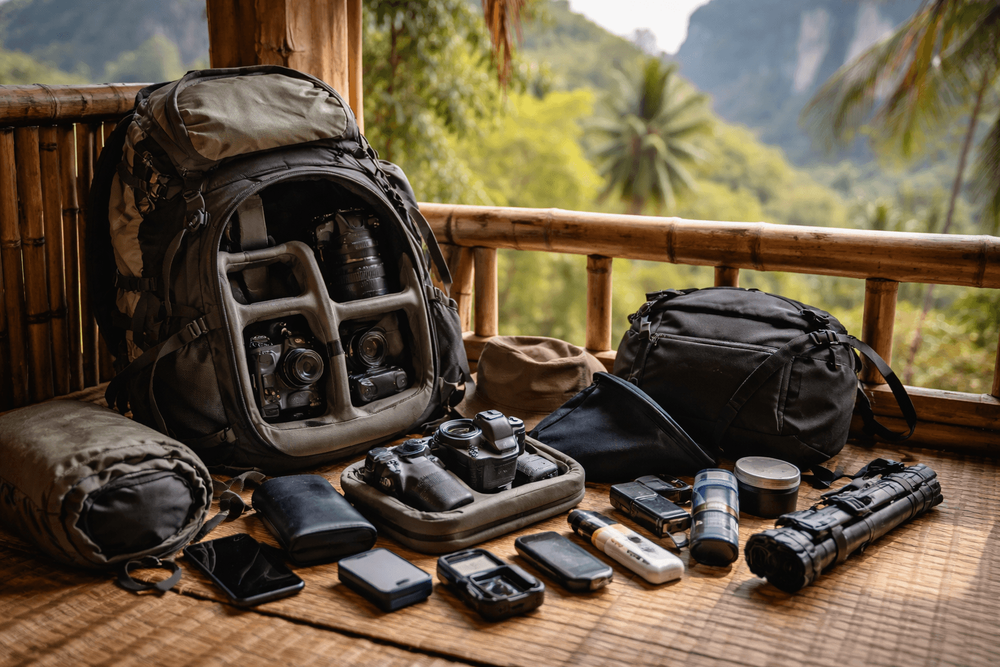
What to Pack for Thailand for Backpackers Carrying Camera Gear: Protection, Power, and Day-Bag Setup
Pack camera gear for Thailand like a pro: lean kit, rain-ready protection, power and backups, and a street-to-boat day-bag tested on Khao San and beyond.
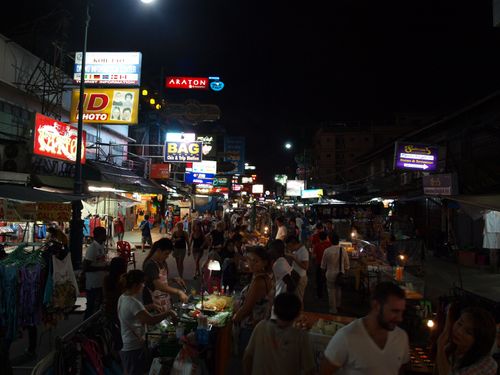
We duck off Khao San Road into Soi บ้านสวนนวดเพื่อสุขภาพ สาขายโสธร, where fairy lights tangle through banyan branches and the air smells like lime, chili, and a hint of sweet rot from a durian cart. A tuk-tuk coughs past, a wok hisses, and the thump of bass softens to a heartbeat. We wipe a fog of sweat off our lens—Bangkok humidity will steam a camera like a dim sum basket—and this is where Thailand camera gear packing proves itself. If we packed smart, we’re shooting. If not, we’re babysitting soggy electronics and dead batteries.
Thailand Camera Gear Packing: The Minimum Kit
Let’s keep it lean, fast, and reliable. Thailand rewards nimble shooters who can move from temple courtyards to khlong-side alleys without hauling a studio on their backs.
Street and Bangkok nights
- One camera body you trust. Mirrorless is king here for weight and stealth.
- A fast prime (35mm or 50mm equivalent, f/1.8 or faster) for Khao San neon, Chinatown Bangkok (Yaowarat) steam, and BTS platform portraits.
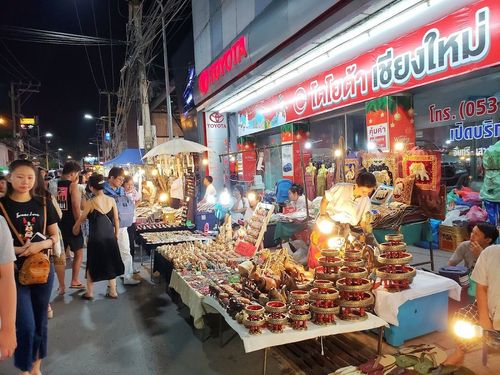
- Optional small zoom (24–70mm or 24–105mm) if you like flexibility on Tha Phae Walking Street sunsets and Chatuchak Market chaos.
- Wrist strap or low-profile sling. Neck straps shout farang tourist.
- Discreet bag with a padded insert; think messenger or sling you can flip around tight sois without knocking mango carts.
Beaches and islands
- Wide-to-normal zoom plus a circular polarizer to cut glare on turquoise water and wet long-tail prows.
- Action cam for snorkeling and Songkran-level splash zones (April). If you bring a dome, rinse with fresh water immediately after sea shots.
- 10–20L dry bag that fits your camera insert. Long-tail boats splash, ferries sweat, and sand creeps everywhere.
Temples and heritage
- Respect is non-negotiable. Dress modestly and ask before photographing monks.
- Normal prime or short zoom for Watergate Spa & Massage details and Wat Arun Ratchawararam Ratchawaramahawihan river views. A lightweight tele (70–200mm) helps isolate gilded details at The Grand Palace, but check entry rules—tripods are often banned or frowned on.
- Soft-soled shoes you can slip off fast; we’re in and out of temple thresholds all day.
Jungle and wildlife
- Lightweight telephoto (70–300mm) for Khao Yai hornbills or Krabi macaques at a safe distance.
- Rain cover and silica gel packs for monsoon trails.
- Headlamp for night walks; keep hands free and critters visible.
If budget or weight forces a true minimum, we carry one body, one fast prime, one small zoom, a polarizer, two spare batteries, a power bank, a rocket blower, and a microfiber cloth. That combo handles 90% of Thailand.
Weather, Climate, and Transport Realities That Change Your Pack
Thailand is hard on gear in beautiful ways.
Heat and humidity
- AC shock: Step from a blast-chilled 7‑Eleven into humid air and your lens will fog. Keep gear in the bag a few minutes to acclimatize.
- Silica gel or reusable desiccant packs live in the camera cube. Swap or recharge them weekly.
- Sweat management: A small pack towel stops strap chafe and forehead drips. Wrap a cloth around the camera when shoulder-carrying to keep salt off.
Monsoon rain and boats
- Sudden downpours are normal, especially May–October. Pack a camera rain cover or just a clear shower cap and elastic—it looks silly, saves cameras.
- Dry bags on boats aren’t optional. Orange-flag Chao Phraya boats (16–20 THB) splash; long-tails to Railay or Koh Phi Phi spray nonstop.
Dust, sand, city grit
- Construction dust rides the breeze along Ratchadamnoen Contemporary Art Center and Sukhumvit Suites Hotel. Keep a UV filter on as a disposable front line.
- Beaches: Change lenses only in sheltered spots. Use a rocket blower before wiping—grit will etch coatings.
Trains, buses, and scooters
- Overnight buses and trains rattle; pad your gear inside a soft cube. Major stations like Krung Thep Aphiwat (Bang Sue) and big bus terminals typically have left‑luggage counters—use them rather than piling kit at your feet.
- On motorcycle taxis, keep gear inside the bag zipped, cross-body, and hug it to your chest. Cameras around necks and motos don’t mix.
Accessories and Protection: Storage, Charging, Backups
This is where we turn a decent kit into a field-proof setup.
Storage and carry
- Padded camera insert: Turns any daypack into a stealth camera bag. Pull it out when you hit your guesthouse.
- Dry bag compatibility: Your insert should slide into a 10–20L dry bag. Street-to-boat in 10 seconds.
- Card wallet: Waterproof, floats if possible. We label and rotate cards daily.
- Cable lock + carabiner: Clip your bag to chair legs on rambutan-fueled editing sessions in café courtyards.
- Silica gel and zip-top bags: Reusable desiccants (50–150 THB per pack) and a few heavy-duty zip bags make emergency humidity domes.
For more specifics on padding and weatherproofing, we’ve laid out our favorite hacks in What to Pack for Thailand for Camera and Gadget Protection (/articles/what-to-pack-for-thailand-camera-and-gadget-protection).
Charging and power
- 4‑port GaN USB charger (45–65W): One wall socket powers camera batteries, phone, action cam, and power bank. Thai rooms often have only one usable outlet.
- Universal adapter + short extension: Thailand is 220V/50Hz with a mix of flat and round prongs; an adapter that accepts everything plus a compact extender is gold.
- Power bank 10,000–20,000 mAh (carry-on only on flights): Expect 500–1,200 THB depending on brand and capacity.
- Spare batteries (2–3): Tropical nights + long ferries + temple mornings = lots of cycles. Keep spares in a small dry pouch.
- Cables labeled with colored tape; one backup set buried in the backpack just in case Rambuttri’s night market swallows your primary.
If you’re mixing camera gear with a laptop-for-work setup, we’ve got a dedicated checklist at Thailand Packing List for Backpackers Carrying Electronics and Work Gear (/articles/thailand-work-travel-packing-list).
Backup workflow
- Dual-slot cameras: Write RAW to both cards when shooting at the Grand Palace crush.
- Phone sync: Offload selects to your phone nightly via USB‑C or SD reader; push to cloud when Wi‑Fi behaves.
- External SSD (1–2TB) in a padded sleeve; clone critical folders every other day. Keep the SSD in a separate bag from your camera so a single mishap doesn’t nuke everything.
- Naming ritual: End each day with a quick cull and a YYYYMMDD_BKK_WatPho folder. Five minutes now saves an hour in the heat tomorrow.
Cleaning and minor maintenance
- Rocket blower and lens pen (150–300 THB each in Bangkok camera shops).
- Microfiber cloths (several). One always dry in a sealed pouch.
- Tiny brush or makeup brush for sand.
- Small screwdriver and a few spare screws for plates; vibration loosens everything.
Where to buy or replace in Bangkok
- MBK Center (National Stadium BTS): Clusters of camera shops for batteries, straps, filters.
- Fortune Town (Phra Ram 9 MRT): Reliable electronics mall; chargers, power banks, SSDs.
- Specialty stores along Charoen Krung and in Siam usually stock legit filters and tripods. Prices vary—haggle politely in market-style stalls, not in official shops.
For a detailed gear-first list tailored to backpackers, check Thailand Packing List for Backpackers Carrying Cameras and Travel Gear (/articles/thailand-camera-packing-list-backpackers).
Common Thailand Camera Packing Mistakes (And How We Dodge Them)
- Overpacking big glass: That 70–200 f/2.8 sounds heroic until we’re sweating up the Golden Mount spiral. Go lighter; your back (and your photos) will thank you.
- Forgetting weather protection: A 200 THB dry bag beats a 20,000 THB repair.
- Underestimating power: One tiny charger and a single spare battery equals missed blue hours. Carry a multi-port charger and 2–3 spares.
- No plan for salt and sand: Rinse housings and action cams with fresh water after every sea session; blow sand before wiping.
- Lazy backups: One card in the camera for a week is a heartbreak waiting to happen.
- Ignoring security basics: Don’t flash a full kit on crowded ferries. Close zips, clip the bag, and keep it in front in packed markets.
- Drones without paperwork: Thailand requires registration (NBTC) and aviation approval (CAAT) for most drones with cameras, plus valid insurance. Expect no‑fly zones around the Grand Palace, airports, and some national parks. When in doubt, leave the drone or fly only where clearly permitted.
- Trusting every hotel safe: Many are just keypad boxes. We prefer a locker at reception or a cable lock on our main bag and keep serial numbers, receipts, and photos for insurance.
Choosing Gear by Itinerary Style
Your route decides the load.
Bangkok and Khao San Road street shooting
- Ideal kit: One mirrorless + 35mm/50mm fast prime. Add a small zoom if you like alley-to-avenue flexibility.
- Bag: Discreet sling with a camera cube and a thin towel for condensation control when bouncing between AC and street heat.
- Spots: Golden Mount at dawn (soft light over Old Town), Phra Athit sunsets by the river, Chinatown steam at dinner rush, the orange‑flag Chao Phraya boat for kinetic river frames.
- Practical: Taxis and tuk‑tuks are fine, but we often walk between Thanon Ram Buttri Night Market, Khao San, and Phra Athit—more frames, fewer scams. Keep 100–200 THB small notes for boats and street snacks.
We usually crash somewhere around Soi Rambuttri or Phra Athit when we’re in shooting mode—quiet enough to edit, close enough to chase blue hour on the river. Look for places with lockers at reception and late check-in; night shoots run long.
Island hopping (Koh Tao, Koh Pha Ngan, Krabi, Phi Phi)
- Ideal kit: Compact body + 24–70mm, polarizer, action cam with floaty grip. Telephoto only if wildlife is a priority.
- Protection: Dry bag, spare O‑rings for housings, anti-fog inserts. Microfiber lives in a sealed pouch inside the dry bag.
- Sanuk factor: Beach bars love twilight—salt mist rides the breeze. Wipe down after every set, and pack while gear is still clean.
Jungle trips (Khao Sok, Erawan, Khao Yai)
- Ideal kit: Wide-normal zoom + lightweight tele, rain cover, headlamp, bug spray. Tripod only if you’re waterfall-hunting and happy to carry it.
- Pack weight: Keep it under 8–9 kg total for long hikes. Snacks and 1–2L water displace a lot of camera.
Multi-day tours and border runs
- Power: Bigger power bank plus a 4‑port charger covers dodgy guesthouse sockets on the Mae Hong Son loop.
- Backups: Nightly SSD clones and card rotation. Buses shake; keep storage in a padded pouch separate from the camera.
- Paperwork: Spare passport photos and a few extra printouts of your passport help with SIM registrations and border bits. If your itinerary includes crossings, see What to Pack for Thailand for Border Crossings and Multiple Entry Days: Documents, Photos, and Small-Format Travel Gear (/articles/thailand-border-crossing-packing-list-documents-photos-gear).
On longer shoots, we like accommodations with a small pool or shaded courtyard—the midday heat is brutal, and those hours are for culling and charging. Around Old Town, riverside guesthouses give you quick hops to Wat Pho and the ferry piers without schlepping.
Know Before You Go: Quick Logistics for Photographers
- Voltage and plugs: 220V/50Hz. Sockets accept flat and round prongs but wobble; bring a snug adapter and a compact extension.
- Data and SIMs: Tourist SIMs with 15–50GB run ~200–600 THB for 7–30 days. Top up at 7‑Eleven anytime. Fast uploads help offload before moving on.
- Street smarts: Keep your bag zipped in markets, cross-body on ferries, and clipped at café terraces. If someone “helps” clean a spill on you, check your zips—classic distraction play.
- Temple etiquette: Shoulders and knees covered. No tripods inside many complexes. Ask before portraits; a soft “khob khun krub/ka” (thank you) goes a long way.
- Timing: Dawn is merciful. By 10 a.m., light is harsh and pavements cook. We shoot sunrise, nap/edit midday, and chase blue hour.
- Budgeting: A solid dry bag (200–400 THB), blower (150–300 THB), and spare cloths (50–100 THB) are cheap here. Filters and branded batteries can be pricier than back home—carry spares.
If you’re building a bigger travel kit beyond just cameras—clothes that handle sweat, laundry strategy, and rewear tactics—our Thailand Packing List for Budget Backpackers: Low-Cost Gear, Laundry Strategy, and Smart Replacements (/articles/thailand-budget-backpacking-packing-list) keeps the rest of your bag in check so your camera gets the weight it deserves.
A Field-Tested Day-Bag Setup (What’s Actually In Ours)
- Camera with 35mm equivalent attached
- Spare prime or compact 24–70mm in a half-cube
- Two spare batteries in a waterproof pouch
- Card wallet with 3–4 U3 cards
- Rocket blower + lens pen + two microfibers (one sealed dry)
- Compact 4‑port charger + cable roll (USB‑C, micro‑USB, Lightning if needed)
- 10–20L roll-top dry bag folded flat at the bottom
- Polarizer in a slim case
- Pack towel, sunscreen, lip balm, tiny DEET bottle
- Cable lock + carabiner
- 500ml water and 100 THB in small bills for boats/snacks
That bag carries us from a steamy bowl of boat noodles on Banglamphu’s side streets to the Orange Flag ferry at Phra Arthit Pier to a sunset set on the Thonburi bank with nothing left behind but footprints in the dust and a memory card full of sanuk.
For an even deeper dive on protecting fragile kit in Thai weather (and fixing the stuff you inevitably spill pad kra pao on), don’t miss What to Pack for Thailand for Camera and Gadget Protection (/articles/what-to-pack-for-thailand-camera-and-gadget-protection).
Think Tank Photo Hydrophobia Rain Cover
We’ll be up on the Golden Mount steps at first light tomorrow, city humming awake under us, 35mm ready and coffee in hand. Meet us there—let’s make the kind of frames you’ll still feel when the sweat dries on the flight home.
Related Hotels & Places
Khao San Road
Attractions
Bangkok’s backpacker carnival: curbside bars, live bands and DJs from 3pm–2am (midnight Sun). Street eats are cheap — pad thai 70–100 THB, mango sticky rice 60–100 THB. Come for wild people-watching; duck into Rambuttri for a calmer beer.
บ้านสวนนวดเพื่อสุขภาพ สาขายโสธร
Massage
Thanon Ram Buttri Night Market
Markets
Laid‑back Rambuttri after dark: sizzling street food (50–80 THB), cold beers (80–120 THB), neon cocktail vans, live acoustic bars, and stalls of travel gear and hippie pants — a calmer pregame spot a minute from Khao San, best from sunset till late.
Chinatown Bangkok (Yaowarat)
Attractions
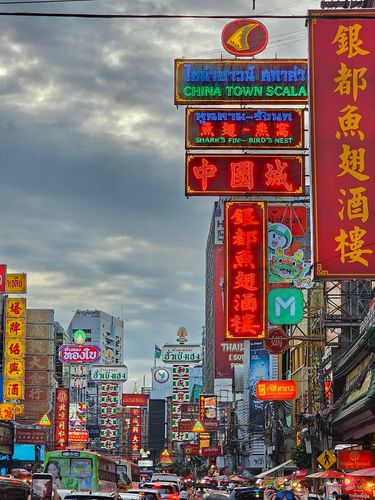
Neon, woks, and queues: Yaowarat is Bangkok’s street‑food strip. Start at Wat Mangkon MRT, graze T&K Seafood and Nai Ek’s peppery guay jub, snag toasted buns, and finish with mango sago at Sweet Time. Best 6pm–late; ~10‑minute taxi from Khao San.
Tha Phae Walking Street
Shops
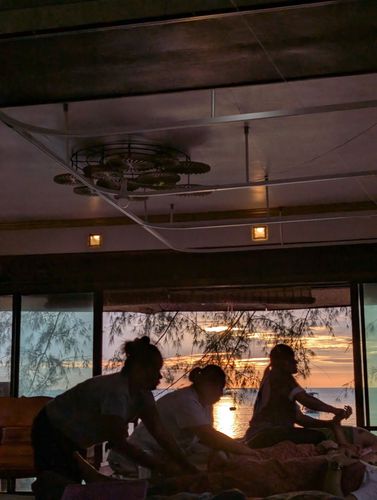
Watergate Spa & Massage
Massage
Wat Arun Ratchawararam Ratchawaramahawihan
Temples
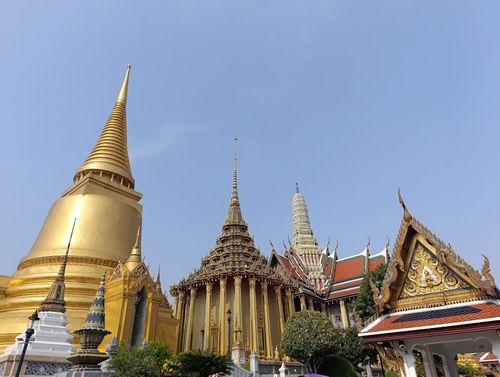
The Grand Palace
Attractions
Bangkok’s royal showpiece a short hop from Khao San: glittering Wat Phra Kaew, Ramakien murals, and gold-on-gold rooftops. Go 8:30am to dodge the heat, dress modestly, and boat to Tha Chang for the prettiest arrival.
Ratchadamnoen Contemporary Art Center
Attractions
Serious contemporary art next to Democracy Monument. Free entry, air‑con galleries over three floors with rotating Thai shows, from installations to photography. Open 10am–7pm Tue–Sun; an easy walk from Khao San.
Sukhumvit Suites Hotel
Hotels
A 3-star hotel in Bangkok.
Recommended Products
More Khao San Road Guides
- Thailand Packing List for Backpackers Carrying Camera Gear: Protection, Power, and Day-Bag Organization
- Backpacker Packing List for Thailand: Security, Organization, and Bag Setup for Moving Around Safely
- What to Pack for Thailand for Male Backpackers: Lightweight Clothes and Travel Essentials
- What to Pack for Thailand for Budget Backpackers: Ultra-Light Gear, Laundry Strategy, and Multi-Use Clothing