
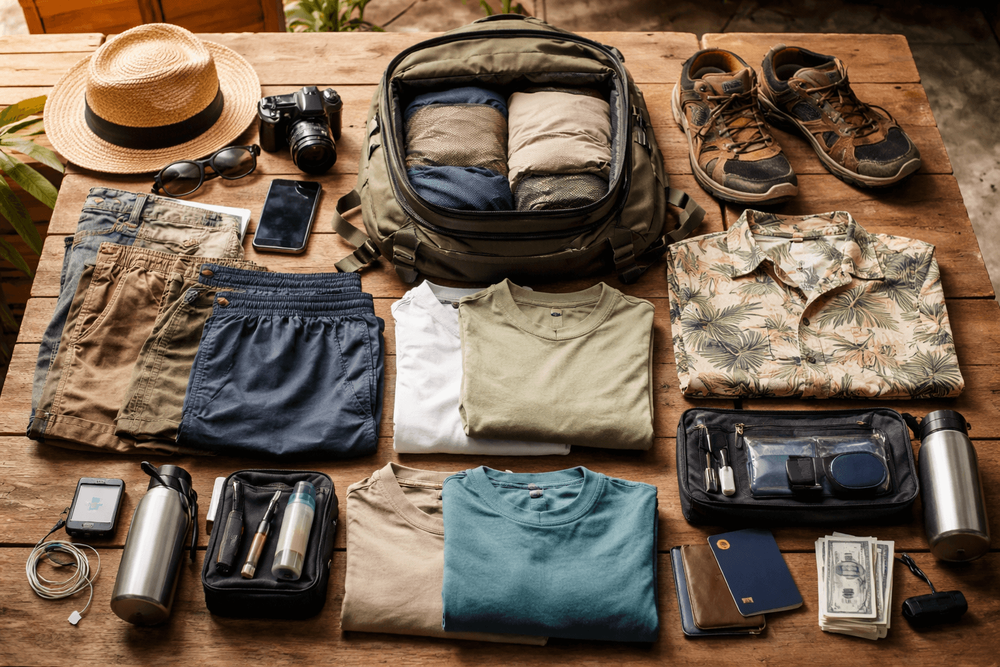
What to Pack for Thailand for Male Backpackers: Lightweight Clothes and Travel Essentials
Dial in a lightweight, respectful, and low-fuss Thailand packing list for male backpackers—clothes, gear, meds, and money tips tested on Bangkok’s streets.
We’re shoulder-to-shoulder on Khao San Road, dodging tuk-tuks and sizzling woks, the sweet rot of durian mixing with charred chili and lime. The neon hums, a bar on Rambuttri thumps bass, and the 7-Eleven’s blast of AC is our salvation. Before we chase boat noodles down Phra Athit or hike the Golden Mount, let’s dial in a Thailand packing list for male backpackers that keeps us cool, respectful at temples, and ready for island sunsets without lugging a closet on our backs.
Data Freshness + Pricing:
- Prices are approximate and in THB.
- Last checked: June 2026.
- Happy hour and promo details change frequently—confirm locally.
Thailand packing list for male backpackers: clothing and footwear that actually work
Bangkok is a humidity sauna. Chiang Mai’s nights can surprise you in cool season. On the islands, sand gets everywhere. We pack light, rinse often, and avoid fabrics that turn into damp towels.
Core clothing capsule (hot, humid, wash-and-wear)
- 3–4 breathable tees or quick-dry polos: merino or lightweight synthetic beats heavy cotton. Darker colors hide street-food splatter. Laundry’s cheap (approx 40–80 THB/kg), so less is more.
- 2 quick-dry shorts: one athletic pair for day trips, one nicer pair for city nights.
- 1–2 lightweight long-sleeve shirts: for sun, mozzies, and temple modesty. Linen blends or thin tech fabric work.
- 1 travel pant: quick-dry joggers or chinos for buses, sleeper trains, and cooler nights in the north.
- 4–6 quick-dry underwear: boxer-briefs with mesh panels win the humidity war.
- 3–4 pairs low-cut socks: merino or sport synthetic. Cotton turns swampy.
- 1 swim short: doubles as gym or sleep short.
- 1 light rain layer: packable shell for monsoon bursts (June–Oct in many regions). A basic poncho runs approx 30–60 THB at 7-Eleven.
- 1 cap or bucket hat: the midday sun on the Chao Phraya sneaks up on you.
- 1 sarong/pa kao ma: temple cover, beach towel, privacy curtain in hostels. Street stalls sell them for approx 120–200 THB.
Footwear
- Sandals with decent grip: great for beach days and hostel showers. Expect approx 300–900 THB for a serviceable pair.
- Lightweight trainers: breathable mesh for city miles and light hikes (think Doi Suthep stairs or Ayutthaya ruins). If you’ll trek in the north, go with trail runners.
- Flip-flops: temple on, temple off—easy at doorways where shoes come off.
Tip: Leave bulky boots at home unless you’re committed to serious trekking. They’ll roast your feet, and they hog pack space.
Temple-ready without looking like a farang clown
Temples ask for shoulders and knees covered. We toss a long-sleeve over a tee and swap into travel pants. No tank tops inside sacred spaces. A lightweight shirt beats carrying an extra jacket, and you’ll still breathe when the incense swirls.
City vs. islands
- Bangkok/Chiang Mai: a collared polo or linen shirt helps you not look like you rolled straight off a night bus when grabbing drinks on Soi Nana (Chinatown) or a café on Phra Athit.
- Islands: rash guard if you burn easily, reef-safe sunscreen (SPF 50+), and a dry bag for boat transfers.
If you want a deeper men-specific wardrobe breakdown, our focused guide is here: Thailand Packing List for Male Travelers: Lightweight Clothing and Travel Essentials.
Backpacks, daypacks, and how to prioritize limited space
The big carry
We aim for 40–50L tops. Enough for months, small enough to sling into a tuk-tuk or overhead racks on the BTS without smacking a commuter.
- 40–50L backpack, internal frame, front-panel access: saves your sanity when you need that one shirt at the bottom.
- Rain cover: monsoon downpours will test your zips.
- Packing cubes (2–3): separate clean, sweaty, and temple-appropriate.
- 1–2 dry bags (5–10L): boat rides, Songkran water fights, and sudden squalls.
- Small cable lock: enough to deter casual grab-and-go on buses or in hostel lockers.
Approx prices if you’re buying in Thailand: decent daypacks start around 700–1,500 THB, rain covers 150–300 THB, dry bags 200–500 THB in markets near the river or MBK Center.
The daypack
20–25L, water-resistant. Enough space for a water bottle, camera, sunscreen, and a spare shirt. We like a quick-access pocket for coins and a clip for keys—handy when hopping the Chao Phraya Express boat.
Space priorities for long-term travel
- Heaviest items near your spine; shoes at the bottom or strapped outside with a dry bag.
- Compress your rain shell and long sleeves; keep them near the top for sudden temple visits or AC-blast buses.
- Carry-on hack: on budget flights, wear your bulkiest items and slip tech into a small sling to dodge weight limits.
Travel docs, money, and the boring stuff that saves the trip
Documents and access
- Passport with at least 6 months’ validity and spare pages.
- Visa/onward tickets: rules change—check official sources before you fly. Some nationalities receive visa exemption on arrival for short stays, but policies evolve.
- Digital + paper copies: passport, visa pages, insurance, and onward flights. One copy in your pack, one in your day bag, scans in the cloud.
- Driver’s license + International Driving Permit if you’ll rent a scooter.
Insurance
It’s Thailand, not Mars—but a twisted ankle on Koh Phi Phi stairs or a scooter skid can ruin more than your pad thai money. Get travel medical coverage and keep the policy number handy.
Cash, cards, and fees
- ATMs: Thai banks commonly charge a foreign card fee (approx 220–250 THB per withdrawal). Pull larger amounts less often.
- Cards: Visa/Mastercard work in most malls and nicer restaurants, but street food and markets are cash.
- Exchange: Fresh, uncrumpled bills get better reception. Airport rates are fine for your first taxi; city kiosks typically offer better spreads.
- Stash strategy: main wallet, decoy wallet with small bills, and one card tucked under a pack liner.
Connectivity
- SIM or eSIM: AIS, True, and dtac tourist packages range approx 299–599 THB for 7–15 days with generous data. Top-ups are easy at 7-Eleven.
- Keep a local number for Grab rides, hostel messages, and two-factor logins.
For first-timers getting the basics down before wheels-up, this primer helps: Thailand Packing List for First-Time Backpackers: What to Bring and What to Leave Behind.
Toiletries, meds, sun, bugs: personal care that beats the climate
Pharmacies are everywhere, but we still bring a tight kit so we’re not hunting for DEET at dusk while mozzies feast.
Toiletries
- Travel toothbrush, paste, floss
- Solid or travel-size shampoo/soap; many hostels provide basics, but quality varies
- Deodorant (roll-on works better in the heat): approx 60–120 THB
- Razor + a couple blades; barbers run approx 120–250 THB for a quick clean-up
- Nail clippers, tweezers
- Microfiber towel: dries fast, doubles as gym towel
- Baby powder or anti-chafe balm: a Bangkok afternoon will make you a believer
- Wet wipes + small hand sanitizer for night markets and train rides
Sun and insects
- Sunscreen SPF 50+ (reef-safe if you’re island-hopping): approx 250–600 THB
- Lip balm with SPF
- Insect repellent: DEET (20–30%) or picaridin; approx 80–220 THB. Reapply at sunset near khlongs and parks.
- After-bite gel or Tiger Balm for the inevitable.
Meds and first aid
- Prescriptions in original packaging; ask your doc for the generic name. Keep a photo of the label.
- Basic kit: band-aids, antiseptic wipes, small gauze, medical tape
- Oral rehydration salts (ORS): lifesaver after heat or a spicy night; approx 10–20 THB per packet
- Pain/fever reducer
- Loperamide + probiotics for tummy trouble
- Antihistamines for bites or allergies
- Condoms (heat can degrade latex—store out of sun)
Hospitals and clinics in Bangkok are excellent, and even small-town pharmacies are helpful. If you travel with ongoing conditions or specific meds, this niche guide is gold: Thailand Packing List for Backpackers with Medical Needs: Medicines, Prescriptions, and Health Essentials.
Electronics, adapters, and gear that make days smoother
Thailand runs 220V, 50Hz. Sockets often accept two flat pins (Type A) or two round pins (Type C). Most modern chargers handle 110–240V, so you typically need just a slim adapter.
Core tech
- Phone + lightweight case
- Power bank (10,000–20,000 mAh): approx 500–1,200 THB depending on brand
- Dual-port USB wall charger (20–30W) to juice two devices fast
- Universal adapter or two-pin slim adapter
- Short + long charging cables; USB-C is king, but bring a spare Lightning if you need it
- E-reader or compact tablet for buses and trains
- Noise-canceling buds or decent earplugs for hostel symphonies
Photo and water
- Compact camera or just roll with your phone—low-light bars on Soi Rambuttri are forgiving if you shoot wide
- Waterproof phone pouch for islands and Songkran: approx 80–200 THB
- Dry bag (5–10L) for boat days; we stash phone, wallet, and shirt
Hostel and transport helpers
- Combination padlock for lockers
- Light cable lock to tether your pack on trains
- Eye mask + quality earplugs
- Inflatable neck pillow for night buses—packs tiny
- Thin hoodie or long sleeve for aggressive AC
- Collapsible water bottle; refill at cafés or filtered stations (some hostels offer free refills)
- Compact laundry line + a few pegs
- Mesh shoe bag to quarantine the funky
Weight and heat management
Electronics hate heat. Don’t leave your power bank baking on a rooftop bar. Use a small pouch to corral all cables and chargers, and stick it high in your pack where air circulates.
Know before you go: real-world tips, from sois to skytrains
- Laundry: street-side services charge approx 40–80 THB/kg; some hostels post per-item rates. Quick-dry fabrics mean you can sink-wash and wear by morning.
- Weather swing: hot season (Mar–May) bakes you; monsoon (roughly May–Oct) brings squalls; cool season (Nov–Feb) is sweet up north. A light layer goes a long way at dawn on Doi Inthanon.
- Temple etiquette: cover shoulders and knees; remove shoes; speak softly. A pa kao ma in your daypack solves most dress-code scrambles.
- Transport: insist on the taxi meter or use Grab. Tuk-tuks are sanuk, but agree on price first. Canal boats (khlong boats) are splashy but fast—keep that dry bag handy.
- Street-smart: scams happen—gem shops, closed-temple stories, “special deals.” Smile, say “mai pen rai,” and walk on. Keep things in zipped pockets.
- Hydration and salt: carry ORS and chug water. A cold Leo or coconut after a sweaty temple circuit around Rattanakosin hits different when you’re not wobbling.
If you’re flying solo and want a security-first checklist, bookmark this: Thailand Packing List for Solo Backpackers: Safety, Convenience, and Easy-to-Carry Essentials.
What we actually wear and carry on a typical Bangkok day
- On us: quick-dry tee, airy shorts, mesh trainers, cap, sunglasses, thin long-sleeve stuffed in daypack for temples and frigid malls.
- In the daypack: 1L water, sunscreen, repellent, phone + power bank, dry bag folded flat, sarong, small towel, ORS, wet wipes, and a copy of our passport. That’s enough to hop a Chao Phraya boat, climb Wat Saket Ratchawora Mahawihan, and still look decent for noodles on Phra Athit.
What to skip (we’ve learned the sweaty way)
- Too many shirts: buy one locally if you need it. Markets will tempt you with elephant prints—resist or embrace; your call.
- Heavy jeans: they never fully dry in the wet season and smell like a damp dog.
- Full-size toiletries: Thailand sells everything in mini sachets.
- Money belt under your clothes: you’ll sweat a salt ring around your waist. Go for a slim neck pouch or just a zippered pocket and a decoy wallet.
- Oversized first aid kit: bring basics; pharmacies fill in the rest.
Budget notes for the pack itself
- Basic flip-flops: approx 80–150 THB
- Street-market hat: approx 120–250 THB
- Rash guard: approx 300–800 THB
- Quick-dry tee: approx 150–450 THB (markets) or more at malls
- Microfiber towel: approx 150–300 THB
- Hostel padlock: approx 60–150 THB
Prices swing by area—Siam malls cost more than Banglamphu stalls. Cash is king at markets; bring small bills.
Where we usually crash while dialing in our kit
Banglamphu (around Khao San and Soi Rambuttri) keeps things easy: cheap laundry, street food, and late-night pharmacies if you realize you forgot repellent. On island runs, we favor simple bungalows with a fan and a hammock—less to pack, more to enjoy. If your place has a pool or is near a gym, one swim short doubles for both.
Pack the light, breathable stuff. Keep temple respect in your daypack. And when we’re done, we’ll meet under the fairy lights on Soi Rambuttri for grilled pork skewers, a cold beer, and the smug joy of a backpack that doesn’t own us.
Related Hotels & Places
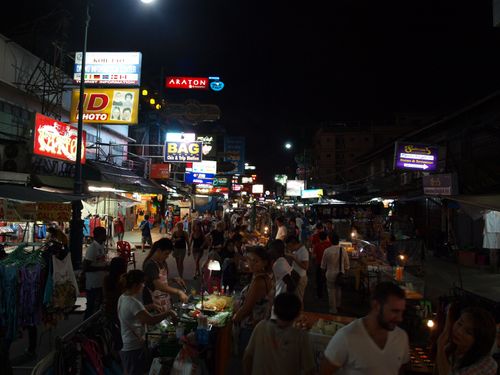
Khao San Road
Attractions
Bangkok’s backpacker carnival: curbside bars, live bands and DJs from 3pm–2am (midnight Sun). Street eats are cheap — pad thai 70–100 THB, mango sticky rice 60–100 THB. Come for wild people-watching; duck into Rambuttri for a calmer beer.
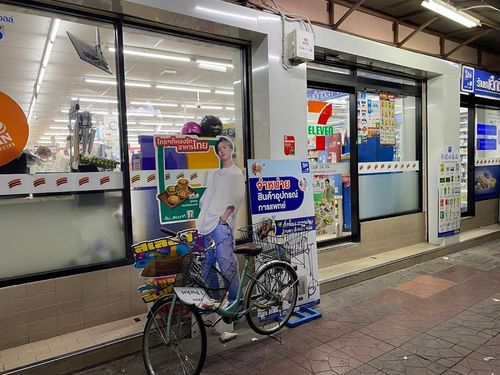
7-Eleven
Shops
Khao San’s 24/7 reset button: ice‑cold A/C, ham‑cheese toasties, All Café iced lattes, water for 7–14 THB, and late‑night supplies from snacks to sunscreen—right by Rikka Inn.
Rambuttri
Markets
Khao San’s calmer cousin: a tree‑shaded lane of VW van cocktail bars, open‑air foot massages, pad thai grills, and easygoing live bands. Best from sunset to 11pm; beers 80–120 THB, cocktails 150–220 THB. One block from the chaos, all the charm.
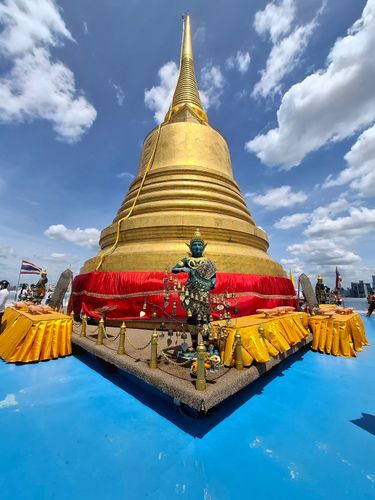
Wat Saket Ratchawora Mahawihan
Temples
More Khao San Road Guides
- What to Pack for Thailand as a Female Backpacker: Clothing, Safety, and Comfort Essentials
- What to Pack for Thailand for Budget Backpacker Essentials: Cash, Documents, and Everyday Security
- What to Pack for Thailand for Budget Backpackers: Ultra-Light Gear, Laundry Strategy, and Multi-Use Clothing
- Backpacker Packing List for Thailand for Women: Clothes, Safety Extras, and Travel-Sized Essentials