
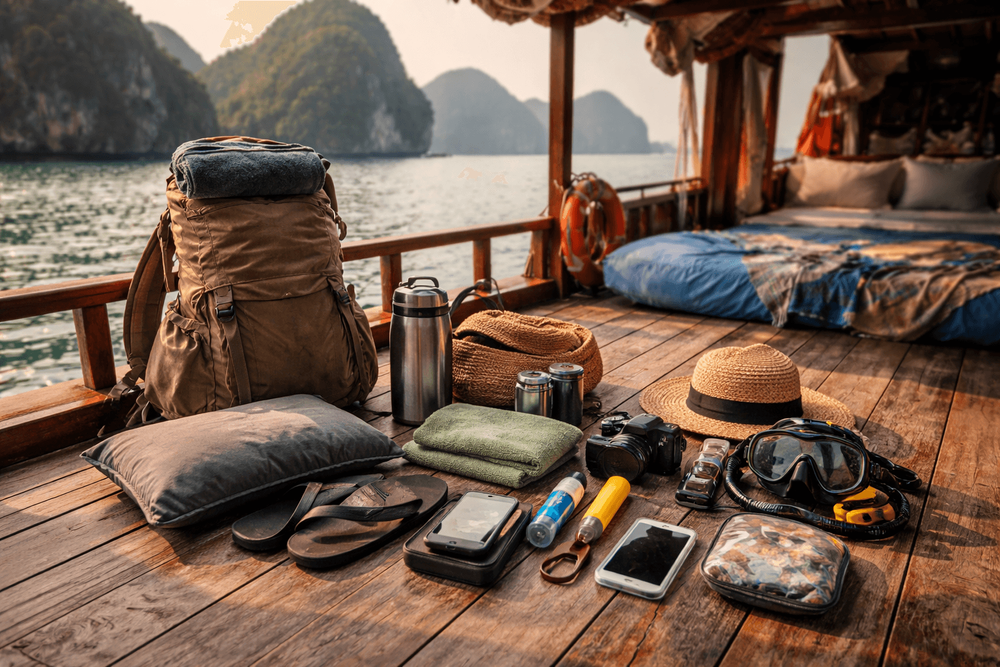
Backpacker Packing List for Thailand’s Overnight Boat Trips: Sleep, Storage, and Sea-Day Comfort
Nail your Thailand overnight boat packing list: sleep gear, dry bags, sun and bug defense, motion-sickness fixes, and pier-to-pillow tips for ferries and longtails.
We’re squinting at the pier lights and the sheen of diesel on black water, backpacks sweating on our shoulders like they’ve done the Khao San Road crawl with us. Vendors are hawking cup noodles and iced coffee, the air tastes like salt and fish sauce, and your flip-flops are already gritty. This is where our Thailand overnight boat packing list earns its keep—before the horn blares, before the bunks fill, before the Gulf or the Andaman rocks us into that weird, wonderful boat sleep.
We’ve done the midnight shuffle from Rambuttri House’s mango sticky rice to the bus transfer, the tuk-tuk sprint that felt like we were racing a storm down Phra Athit Road, the pier wait with the blast of 7-Eleven AC our only reprieve. Here’s exactly what to bring (and what to skip) so our overnight ferry or slow-boat run is more sanuk and less soggy-farang drama.
Know Before You Go: Overnight Boats in Thailand
- Overnight ferries mostly connect mainland hubs (think Surat Thani and Chumphon) with islands like Koh Samui, Koh Phangan, and Koh Tao. The setup ranges from bunk beds to foam mats in big, chilly dorm rooms. Bring warm layers—Thai AC can be Arctic at 3 AM.
- Speedboats are usually daytime, but if you’re island-hopping tight schedules, pack like you’ll get splashed. Longtails? Always assume spray from the khlongs to the open sea.
- Seas can be gentle or rowdy depending on monsoon season. If you get queasy, dose early and pick midship, low to the water.
- Pier logistics are sticker-based. Keep your sticker visible and your ticket handy. Keep small bills (20–100 baht) for snacks and port fees if required.
- Power outlets onboard are limited. Charge before you board and pack a power bank.
If you want an even deeper dive into ferry specifics and dry-bag strategy, see our boat-focused packing breakdown here: What to Pack for Thailand for Overnight Ferry and Boat Travel: Sleep, Security, and Dry Bags.
Thailand Overnight Boat Packing List: Clothing, Footwear, and Swimwear
Clothing that breathes but still respects the breeze
- Quick-dry tops: Two light tees or a techy long sleeve. We sweat through one waiting at the pier; the backup is for morning landfall.
- Light pants or breathable shorts: We like linen-blend pants for AC cabins and quick-dry shorts for deck time. A sarong doubles as modesty and blanket.
- A thin, packable layer: A hoodie or lightweight fleece for the cabin deep-freeze and dawn wind. Sounds overkill until you’re shivering at 2 AM.
- Compact rain layer: A poncho from 7-Eleven (20–40 baht) or a packable shell. Sudden squalls happen dockside.
- Swimsuit: Throw it on under clothes if you expect a splashy transfer. Rashguard helps with both sun and bench rash.
Footwear that works on wet decks and sandy landings
- Flip-flops you won’t cry over if they float away. We often wear these for boarding and stash them in our bag once inside.
- Strap sandals or water shoes for longtail transfers and slippery piers. Grippy soles are worth their weight in mangoes.
- Optional socks for AC cabins—warm toes, fewer mosquito nibbles if you end up deckside.
Pro tip: Keep your footwear minimal and fast-drying. Boat floors can be wet, oily, or both. If we’re stepping into a longtail at Railay or Ao Nang Beach, sandals win every time.
Toiletries, Sun, Bugs, and Motion Sickness
The compact kit that keeps you human
- Toothbrush, paste, floss, and travel-size face wash. Bathrooms can be basic; bring what you need, not your vanity shelf.
- Wet wipes and tissues: For salt, diesel, noodle spills, and the occasional no-paper situation.
- Hand sanitizer: You’ll touch railings that have seen things.
- Deodorant and a tiny fragrance if you must—just keep it friendly in shared spaces.
Sun and bug protection
- Reef-friendly SPF 50 sunscreen and a lip balm with SPF. Put it on at the pier; the sun does not wait.
- After-sun aloe or a cooling gel—life-changing after a speedboat blast.
- Insect repellent (DEET or picaridin). Mosquitoes love dusk at the dock; we do not.
Motion-sickness and personal health
- Motion-sickness tablets (meclizine/dimenhydrinate). Take 30–60 minutes before departure; re-dose as directed. Ginger chews help if you prefer a gentler route.
- Rehydration salts or electrolyte tabs. Sea + sweat + AC = stealth dehydration.
- Mini first aid: Plasters, ibuprofen, antihistamines. Toss in any personal meds plus a few days’ buffer.
- Menstrual products and a couple of zip bags for discreet disposal.
If you know you’re hopping a fast boat at some point, skim our slimmed-down speedboat essentials too: Backpacker Packing List for Thailand’s Ferry and Speedboat Days: Onboard Comfort, Motion Sickness, and Dry Storage.
Documents, Cash, Chargers, and Waterproofing
Keep the essentials dry, accessible, and boring to thieves
- Passport in a zip pouch or waterproof sleeve, plus a photo copy. Keep it on you—not in the big bag.
- Phone with offline tickets and island maps. Screenshot everything; signal dies at the worst moments.
- Power bank (10,000–20,000 mAh) and a fast cable. Outlets get hogged by the early birds.
- Universal two-pin adapter if your charger’s fussy. Thailand’s 220V sockets often accept A/C types, but don’t gamble at 1 AM.
- Cash: 1,000–2,000 baht in small bills for snacks (15–60 baht), water (10–20 baht), and taxis at arrival. ATMs can be scarce or have lines.
Dry bags and the art of double-bagging
- 10–20L roll-top dry bag: This is your “lifeboat” for passport, phone, power bank, camera, and a dry shirt. We keep it clipped to us during boarding and transfers.
- Backpack rain cover and a handful of zip-top bags. Double-bag electronics if spray is likely.
- Waterproof phone pouch with a lanyard. Hands-free boarding plus photos without panic.
- Mini carabiners and a cable lock: Clip your dry bag to a bench; loop a thin cable through your big-bag frame. Not Fort Knox—just enough to deter casual snoops.
We’ve nerded out on dry storage and boat-day setups here if you want more configurations: What to Pack for Thailand for Boat, Longtail, and Day Cruise Trips: Splash-Proof, Compact, and Easy-Clean Gear.
Sleep and Comfort Essentials for Overnight Journeys
Make the cabin (or deck) your nap nest
- Earplugs: Snoring, engines, and the thump of flip-flops all night. Foam plugs are gold.
- Eye mask: Cabins run bright; deck lights never die. An eye mask buys real sleep.
- Lightweight scarf or sarong: Blanket, privacy curtain, pillowcase—this is the Swiss Army cloth.
- Microfiber towel: Doubles as a blanket when the AC wants you dead.
- Inflatable neck pillow or packable camp pillow. Bunks and mats have the personality of plywood.
- Thin sleeping liner if you’re squeamish. Not essential, but nice when you hit the suspiciously shiny mattress.
- Refillable water bottle and a carabiner. Keep it clipped where you won’t kick it into the aisle.
- Snacks that survive jostling: nuts, dried fruit, instant noodles (hot water usually available), crackers. Cup noodles run 15–35 baht at the pier; bring your favorite.
- Entertainment offline: podcast episodes, downloaded playlists, a book. Boat time is phone-scroll time until it isn’t.
- Face mask: Useful if AC blasts or someone’s cough gets theatrical.
We also keep a tiny “landing kit” in the dry bag—toothbrush, face wipe, deodorant, sunscreen, hair tie—so we can stumble off at sunrise looking and smelling like we didn’t sleep next to a diesel engine.
Packing Tips by Boat Type
Overnight ferries (Gulf of Thailand and beyond)
- Layers are everything. Cabins can be 18–21°C with no mercy. A hoodie plus sarong is the sweet spot.
- Stake your space early. If it’s a mat zone, claim a corner near a wall to lean on—fewer midnight toe-stubs.
- Big bag goes under or at the foot of your berth. Lock the zips; loop a thin cable to the frame if you have it.
- Shoes off in sleeping areas—respect the vibe. Keep flip-flops in a tote bag by your spot.
- Eat light before boarding. Greasy pad kra pao and rough seas are frenemies.
- Midship is calmer. If you’re sensitive, avoid the bow and stern where the rock-and-roll lives.
For a more sleep- and security-focused ferry rundown, this guide pairs nicely with what you’re reading: What to Pack for Thailand for Overnight Island Moves: Sleep Gear, Earplugs, and Easy-Access Essentials.
Longtail boats (Ao Nang, Railay, Phi Phi, Koh Lipe transfers)
- You will get splashed. Anything that can’t get wet goes in the dry bag, full stop.
- Step carefully when boarding from the beach—tides change the height and angle. Strap sandals beat flip-flops for grip.
- Sit lower and toward the middle for less bounce. Keep hats tight and sunglasses leashed.
- Cash handy for informal transfers or porters. Small bills make friends.
- Expect engine noise. Earplugs earn their keep on longer runs.
Island-hopping speedboats
- Back support and flexible knees help. These boats pound in chop—secure your bag under the seat, not in the aisle.
- Take motion-sickness meds early. Ginger chews for maintenance.
- Sunshirt and sunscreen before boarding; shade is not guaranteed.
- Water, snacks, and a power bank in your dry bag—assign seatmates a “no wet feet” rule if you can.
Day ferries and local boats (bonus)
- Not overnight, but the same splash rules apply. Keep your important stuff double-bagged and your towel accessible for unexpected rain.
- If you’re catching a morning boat after a night on Khao San, we salute you. Hydrate, friend.
What to Skip (We Learned the Hard Way)
- Heavy books. One paperback max—trade it at the next hostel.
- Bulky towels. Microfiber or sarong does the job.
- Fancy shoes. Pointless on piers and a slip hazard on decks.
- Big toiletries. You’ll find everything at the next 7-Eleven or pharmacy.
- Overpacking outfits. Boat nights are about comfort, not couture.
Packing Strategy: How We Arrange Our Bags
- Wear: Quick-dry top, shorts or light pants, strap sandals.
- On us: 10–20L dry bag with passport, phone, wallet, power bank, hoodie, sarong, earplugs, eye mask, snacks, water, small toiletries, motion meds.
- Big pack: Rain cover on, clothes cube, micro towel near the top, flip-flops tucked inside. Cable lock looped to a fixed point when we settle.
If your plan includes budget stays before or after the crossing, we’ve got a hostel-ready gear checklist that dovetails with this setup: Backpacker Packing List for Thailand’s Budget Accommodation Stays: Hostel-Ready Gear, Security, and Sleep Comfort.
Quick Price Reality Check (Because Baht Matters)
- Dry bag (10–20L) from market stalls around Khao San or island shops: 200–400 baht depending on haggling and thickness.
- Poncho at 7-Eleven: 20–40 baht.
- Cup noodles on the pier: 15–35 baht; iced coffee 25–60 baht; big water 10–20 baht.
- Cable lock: 120–250 baht at travel shops near Soi Rambuttri.
- Decent earplugs: 20–60 baht per pair, or bring a multi-pack from home.
Prices swing between Bangkok and the islands, but those ranges keep your wallet honest.
Morning Landfall: The First Hour on the Island
- Keep your valuables on you when disembarking; crowds compress and hands wander.
- Ignore the first shouty tout; take a breath. On many islands, shared songthaews or boats have fixed rates. Ask calmly, smile, and be ready with exact change.
- Sunscreen first, then breakfast. That Koh Tao sunrise doesn’t care about your SPF procrastination.
Troubleshooting the Common Annoyances
- If you’re freezing: Hoodie on, towel over legs, mask up to cut the draft. Warm up with a hot tea (10–20 baht) if there’s a canteen.
- If you can’t sleep: Earplugs + eye mask + a podcast. Accept the nap. We’ve had some of our best island arrivals half-rested and fully thrilled.
- If your bag got damp: Unpack airflow at the next stop—fan, balcony, even a sunny corner. Mildew waits for no farang.
Final Word from the Pier
We’ve overpacked for these crossings and we’ve nailed them with just a dry bag and a hoodie. The trick is simple: keep what must stay dry actually dry, keep what you need easy to reach, and dress for both tropical dusk and polar AC dawn. Do that, and the hum of the engine becomes a lullaby, the deck lights a nightlight, and the first whiff of pandan pancakes at the pier means we’re exactly where we’re supposed to be.
Sea to Summit Ultra-Sil Dry Bag
When you’re ready to dial in your kit even tighter for splashy transfers and day runs, this lean boat-day list is a good companion read: Backpacker Packing List for Thailand’s Island and Boat Days: Dry Bag Setup, Slip-On Shoes, and Water-Ready Carry. See you on the rail when the sky turns pink and the island finally slides into view.
Related Hotels & Places
Khao San Road
Attractions
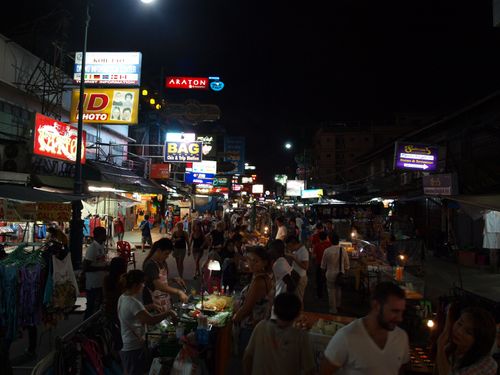
Bangkok’s backpacker carnival: curbside bars, live bands and DJs from 3pm–2am (midnight Sun). Street eats are cheap — pad thai 70–100 THB, mango sticky rice 60–100 THB. Come for wild people-watching; duck into Rambuttri for a calmer beer.
Rambuttri House
Hotels
At Rambuttri House, exceptional service and top-notch amenities create a memorable experience for guests.Complimentary internet access is available in the hotel to ensure you stay connected during your visit. Continuously receive the support you require through front desk amenities such as luggage s

Ao Nang Beach
Attractions
Krabi’s sunset strand with longtails lined up for Railay and the 4 Islands. Swim by day, then hit the promenade for cheap eats and foot massages after dark; for quieter sand, wander west to Noppharat Thara.
Koh Lipe
Attractions
Recommended Products
More Khao San Road Guides
- What to Pack for Thailand for Overnight Ferry and Boat Travel: Sleep, Security, and Dry Bags
- Backpacker Packing List for Thailand’s Island and Boat Days: Dry Bag Setup, Slip-On Shoes, and Water-Ready Carry
- Backpacker Packing List for Thailand’s Ferry and Speedboat Days: Onboard Comfort, Motion Sickness, and Dry Storage
- What to Pack for Thailand for a Backpacker Island Hopping Trip: Ferry Days, Wet Landings, and Fast-Dry Essentials