
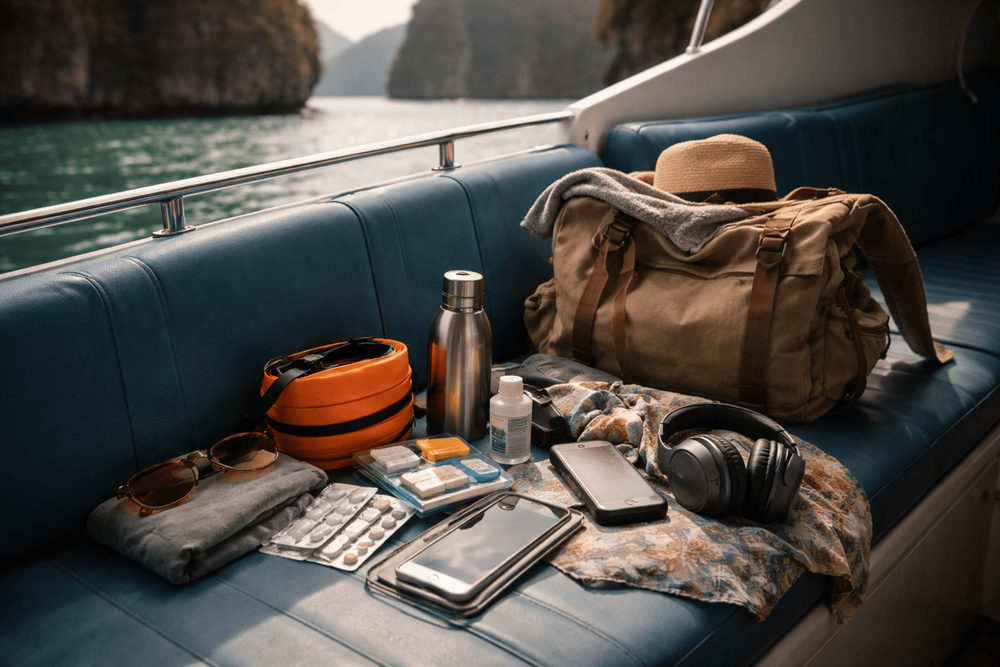
Backpacker Packing List for Thailand’s Ferry and Speedboat Days: Onboard Comfort, Motion Sickness, and Dry Storage
Pack smart for Thailand speedboat days: dry bags, sun protection, motion-sickness fixes, and onboard hacks with local prices. Keep it light, sealed, and ready.
We’re at the pier before the sun burns off the morning haze, diesel humming, gulls gossiping, the air a cocktail of salt, sunscreen, and fried garlic from the last boat’s lunch boxes. The deckhand waves us forward with a grin, and we wedge into the bow with our dry bags between our knees. Spray kisses our shins; someone yelps; the captain throttles up—and this is exactly why a Thailand ferry packing list matters. Speedboat days are fast, fun, and a little feral. Pack smart and your gear stays dry, your stomach stays steady, and you roll into the next beach like you planned it that way.
Data Freshness + Pricing:
- Prices are approximate and in THB.
- Last checked: July 2026.
- Happy hour and promo details change frequently—confirm locally.
Why a Thailand Speedboat Packing List Matters
Speedboats aren’t ferries. There’s no wandering deck, no café selling instant noodles, and rarely a dry corner for your daypack. Boats slam into chop, unload at wet beaches, and blast you with sun and spray. A focused kit—quick-dry clothes, solid sun defense, real waterproofing, and a small stash of motion-sickness and hydration gear—turns a rough crossing into a sanuk day out.
Thailand Speedboat Packing List: What Matters and Why
We’re not packing for a week at sea—this is for 30–120 minutes of fast hops, plus island time in between. Think compact, sealed, and hands-free.
1) Essential clothing and accessories for speedboat days
Quick-dry core layers
- Lightweight synthetic or merino T-shirt or tank: dries fast if a wave says sawadee. Cotton turns into a damp rag.
- Boardshorts or quick-dry shorts with zip pocket: secure for cash and ferry stubs. Many street markets around Khao San Road and Soi Rambuttri sell decent pairs for approx. 150–250 THB.
- Rash guard or long-sleeve sun shirt: doubles as sun armor and spray jacket (approx. 300–800 THB).
- Microfiber travel towel: packs tiny, dries fast (approx. 120–250 THB).
- Sarong or light cover-up: beach modesty for temples on the other end, and a quick blanket when the AC on the van transfer is set to Arctic.
Swim gear
- Swimsuit under your clothes so you’re ready to hop straight into a blue-green cove.
- Reef-safe sunscreen (SPF 50+): non-nano mineral if you can find it (approx. 250–550 THB). Your future self and the coral both say khop khun.
Footwear that earns its keep
- Strap sandals or water shoes with good grip: perfect for wet landings and slippery piers (market pairs run approx. 250–600 THB).
- Flip-flops for boat-to-beach—just don’t bring the fancy ones. Deckhands sometimes toss a jumble of sandals into a crate. Mark yours with tape.
2) Sun, wind, and spray protection
Sunscreen strategy
- Layer a long-sleeve rash guard and reapply sunscreen. The wind fools you—sun still bites hard.
- Lip balm with SPF (approx. 60–120 THB) saves you from lizard-mouth by sunset.
Eyes, face, and ears
- Polarized sunglasses with a retainer strap (strap approx. 40–100 THB). If your shades go into the khlong, they’re gone.
- Cap with a clip or a snug bucket hat. Wide brims are great until the wind turns them into flying saucers—use a chin cord.
- Buff/neck gaiter (approx. 50–120 THB): dust on the ride to the pier, sun on the boat, makeshift mask when diesel fumes get cheeky.
Waterproof bags that actually work
- Roll-top dry bag, 10–20L (approx. 150–500 THB for basics; 600–1,200 THB for heavy-duty). One per person is the sweet spot.
- Small waterproof phone pouch with lanyard (approx. 80–200 THB). Test it in the sink before you trust it with your digital life.
- Extra 2–3L dry sack for wet swimsuits so you don’t marinate everything else.
3) Waterproof and travel-safe storage for valuables
Phones, cameras, and electronics
- Double up: device in a waterproof pouch, then into the dry bag. Add a silica gel packet (approx. 20–40 THB) to fight humidity.
- Power bank (5,000–10,000 mAh): boats seldom have outlets. Keep it in a small zip bag.
Documents and cash
- Passport stays at the hotel safe unless a check-in needs it. Carry a passport photo and a copy inside a zip-top bag.
- Waterproof wallet or zip pouch with small bills (20s and 50s) for island fees, beach chairs, and coconut fixes. Keep a second micro-stash in a different pocket.
Clips, cords, labels
- Mini carabiners (approx. 20–50 THB each) to secure pouches inside your dry bag so nothing leaps out in a gust.
- Painter’s tape + marker: label your bag with your name and pier; handy when crews stack 40 identical black cylinders.
4) Motion sickness, hydration, and comfort
Motion-sickness options
- Over-the-counter tablets like dimenhydrinate or meclizine are easy to find in Thai pharmacies (approx. 20–50 THB for a strip). Take 30–60 minutes before boarding if you know you’re a roller-coaster hater. If you use prescription options like scopolamine patches, plan ahead.
- Ginger chews or crystallized ginger (approx. 30–70 THB) as a natural back-up.
- Sit near the stern where motion is gentler; keep your eyes on the horizon. Window-gazing at waves will betray you.
Hydration and heat management
- Refillable bottle, 750 ml–1 L. Many operators ask you not to bring single-use plastic aboard.
- Electrolyte packets (approx. 10–20 THB each) help when the sun bakes you from above and the sea salts you from below.
- Light snacks: bananas, crackers, or a 7-Eleven onigiri—fuel that won’t fight back.
Comfort smalls
- Earplugs for engine thrum, especially on boats where the bassy growl sits under your seat.
- Lightweight windbreaker if you chill easily; the slipstream can be brisk even at noon.
- Compact first-aid basics: plasters, antiseptic wipes, after-bite. Toss in a tiny aloe gel (approx. 40–80 THB) for the overconfident.
5) Practical tips for island-hopping and beach stops
Boarding and bag choreography
- Keep one bag. Two turns you into a farang juggling act on a wet ladder.
- Pack heaviest at the bottom of your dry bag to keep it upright. Roll the top at least three full turns before clipping.
- If crew stows bags in the bow, pull out your phone, water, and hat first. You won’t be allowed to rummage mid-run.
Wet landings like a pro
- Many speedboats nose into the beach. You’ll hop into shin-deep water. Wear sandals, hold your bag high, and step down facing the boat for balance.
- Don’t block the ramp. Move up the sand before you Instagram the moment.
Keep it all dry(ish)
- Assume the floor is a puddle. Your bag lives on your lap or on top of your feet.
- Zip every zipper. Even “water-resistant” daypacks drink spray like it’s happy hour.
Etiquette and environment
- Reef-safe sunscreen and no standing on coral—guides will call it out and they’re right.
- Pack out trash. Wind + plastic = instant ocean confetti.
Know Before You Go: Speedboat Realities in Thailand
- Luggage limits: Most operators allow one small bag per person on speedboats. Big suitcases are happier on ferries or in a van transfer—ask your operator the day before.
- Safety: Life jackets should be visible and available for everyone. If the sea looks gnarly and the captain delays, that’s a good sign. Crews know their monsoon moods.
- Timing: Check-in can be 30–60 minutes before departure for popular routes (Phuket–Phi Phi, Ao Nang–Phi Phi, Koh Samui–Koh Phangan). Piers like Rassada (Phuket) and Nopparat Thara (Krabi) get hectic—arrive early and buy snacks before you’re herded.
- Transfers: Tickets often include hotel pick-up in a minivan. Keep your day bag with you—luggage on the roof racks can get a surprise rinse.
Gear Buying in Thailand vs. Bringing from Home
- Buy here if you forgot: basic dry bags, phone pouches, buffs, sun hats, and microfiber towels—easy finds at beach-town markets and 7-Eleven-adjacent stalls. Expect approx. 80–500 THB depending on quality.
- Bring from home if you’re picky: polarized sunglasses, high-zinc reef-safe sunscreen, and rash guards in specific sizes. You’ll find options in Bangkok malls, but they may cost more.
Route-Specific Notes we’ve learned the salty way
- Andaman choppiness: Phuket–Phi Phi and Phi Phi–Lanta can slap in the afternoon winds. Morning runs are usually calmer; pack tablets accordingly.
- Gulf spray factor: Koh Samui–Koh Phangan party runs can be fast and wet near Haad Rin. Sit mid-boat and keep devices sealed.
- Similan/Surin day trips: Operators often provide a dry box for phones and a cooler with drinks. Still bring your own dry bag and electrolytes. If you’re diving or snorkeling heavy, see our dedicated water-gear piece: What to Pack for Thailand for Dive Trips and Snorkeling Days: Water Gear, Dry Storage, and Boat Comfort.
Mini Checklist (print to your brain)
- 10–20L roll-top dry bag (primary), 2–3L dry sack (wet swimwear)
- Waterproof phone pouch + lanyard; power bank; silica gel
- Quick-dry tee + boardshorts; rash guard; swimsuit
- Strap sandals/water shoes; flip-flops
- Polarized sunglasses + strap; cap or bucket hat with cord; buff
- Reef-safe sunscreen SPF 50+; SPF lip balm
- Microfiber towel; sarong
- Motion-sickness tablets; ginger chews
- Refillable bottle; electrolytes; simple snacks
- Small first-aid; aloe gel; plasters
- Cash in small bills; ID copy; ferry stubs
- Carabiners; painter’s tape + marker
Getting There: Piers, transfers, and a few land-side hacks
- Bangkok to the islands: We’ll taxi or Grab to the airport from Khao San, blasting AC past the Golden Mount, then fly to Phuket/Krabi/Samui. If you’re doing an overnight bus and ferry combo, stash your valuables on you—bus holds can be a free-for-all.
- Phuket: Rassada Pier handles many Andaman runs. Expect crowds and a bazaar of last-minute gear—dry bags and phone cases here are usually legit enough. Chalong Pier is common for day trips to Coral Island and Raya. Build 30 minutes of “Thai traffic time” into any tuk-tuk ride.
- Krabi/Ao Nang: Nopparat Thara Pier runs to Phi Phi and beyond. Songthaews rumble along the beachfront road; bring small change.
- Samui/Phangan/Tao: Speedboats often leave from Bangrak (Big Buddha), Maenam, or nearby piers. Gulf weather can flip fast—watch the flags and listen to crew calls.
- Food and ATMs: Hit a 7-Eleven near the pier for snacks and electrolyte drinks (approx. 10–20 THB per packet). That blast of AC is a pre-boat blessing.
When a Ferry Beats a Speedboat
If you’re hauling big luggage or crave legroom, ferries win. Different boat, different strategy—more space, less spray. For a ferry-focused list (clothes that won’t scuff decks, smarter storage), we’ve laid it out here: What to Pack for Thailand for Ferry and Boat Travel: Dry Bags, Deck-Friendly Clothes, and Motion-Safe Extras. And if your plan is an archipelago marathon, broader island-hop guide zooms out: What to Pack for Thailand for Island Hopping: Ferry, Beach, and Wet-Storage Essentials.
Real talk: downsides and how we dodge them
- Heat: Morning departures are cooler. We pre-freeze a water bottle in the guesthouse mini-fridge—melts into a slushy morale boost.
- Noise: Sit away from the engines if you’re sensitive and carry earplugs.
- Scams: At busy piers, ignore “helpers” who demand extra fees for mandatory check-ins. Pay only at the operator desk and keep your ticket handy.
- Seasick neighbors: Carry spare ginger chews. Karma points if you share.
Sea to Summit Big River Dry Bag
We’ll leave you with this: pack like every wave has your name on it and every island will steal your heart. Keep it light, keep it sealed, and when the captain guns it across that last glittering stretch, we’ll be the ones laughing in the spray—phones dry, sunblocked to the ears, already plotting the next hop.
Related Hotels & Places
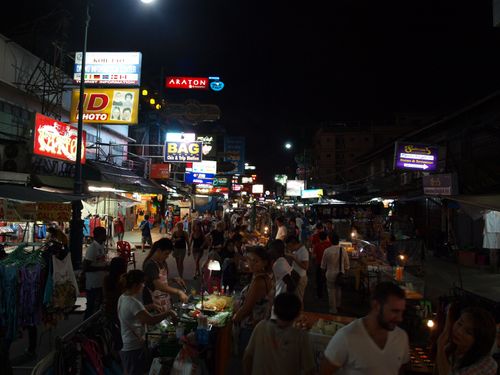
Khao San Road
Attractions
Bangkok’s backpacker carnival: curbside bars, live bands and DJs from 3pm–2am (midnight Sun). Street eats are cheap — pad thai 70–100 THB, mango sticky rice 60–100 THB. Come for wild people-watching; duck into Rambuttri for a calmer beer.
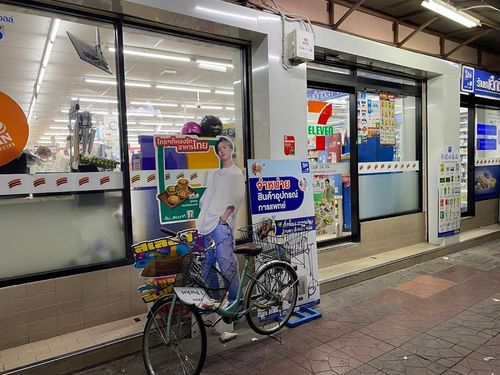
7-Eleven
Shops
Khao San’s 24/7 reset button: ice‑cold A/C, ham‑cheese toasties, All Café iced lattes, water for 7–14 THB, and late‑night supplies from snacks to sunscreen—right by Rikka Inn.
Recommended Products
More Khao San Road Guides
- What to Pack for Thailand for Ferry and Boat Travel: Dry Bags, Motion-Sickness Gear, and Waterfront Essentials
- What to Pack for Thailand for Overnight Ferry and Boat Travel: Sleep, Security, and Dry Bags
- What to Pack for Thailand for Ferry and Boat Travel: Dry Bags, Deck-Friendly Clothes, and Motion-Safe Extras
- Backpacker Packing List for Thailand’s Overnight Boat Trips: Sleep, Storage, and Sea-Day Comfort