
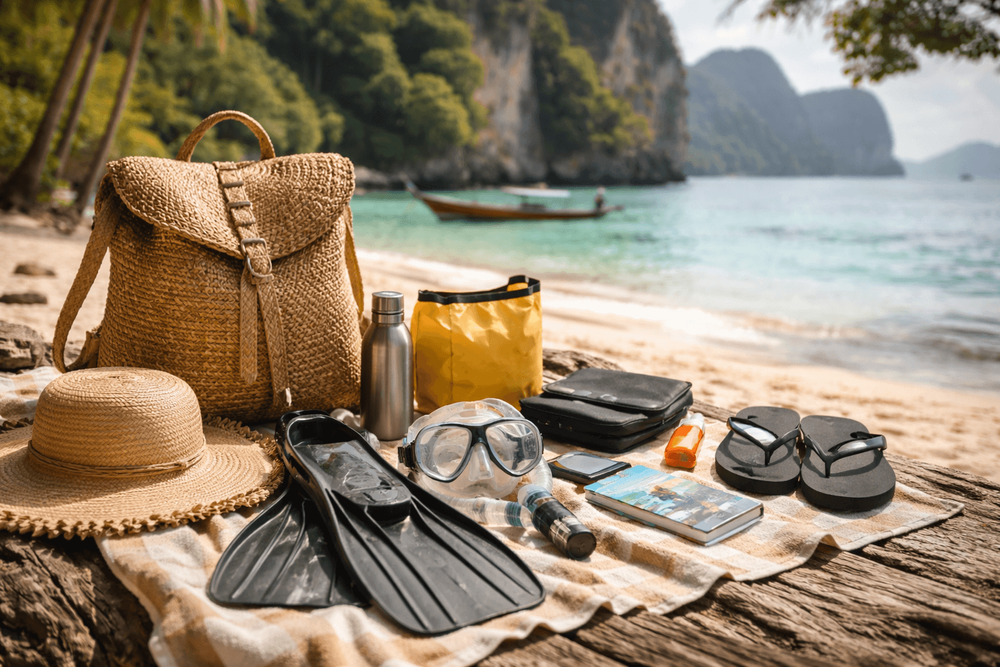
Backpacker Packing List for Thailand: Beach and Island Day Bag Essentials for Ferries, Snorkeling, and Sun
Build the perfect Thailand island day bag: waterproof setup, sun-safe kit, snorkel gear, cash tips, and lightweight essentials for ferries and boat days.
We zip our bag on Backpacker Packing List for Thailand for Wet Shoes and Beach Days: Flip-Flops, Dry Bags, and Sand Management just after the morning rinse hits the pavement, grab a 13‑baht Water from 7-Eleven, and point ourselves south. Today’s mission: build the perfect Thailand island day bag. Longtail spray in our face, reef below us, the slap of flip‑flops on the pier—if we pack smart, the day is all sanuk, no stress.
Thailand island day bag: the essentials we actually carry
If you remember nothing else, remember this: salt, sun, and sudden rain will test everything you bring. Our Thailand island day bag has one job—to keep the fun stuff dry and the hot stuff cool while we bounce between ferries, longtails, and powdery beaches.
Here’s our no‑nonsense kit, honed from Koh Tao to Koh Lipe, Phi Phi to Railay:
- 10–15L roll‑top dry bag (primary): Waterproof, floats if it takes a swim; bright colors are easier to spot on a crowded longtail. Expect 300–700 THB on Khao San Road or island shops.
- Small packable mesh tote (secondary): For wet gear and sandy bits; folds up to nothing. 100–200 THB.
- Waterproof phone case with lanyard: Photos from the bow without heart attacks. 100–250 THB.
- Power bank (10,000 mAh) + short cable: Boats have no outlets; the sunset shot waits for no one. 400–900 THB.
- Reef‑safe sunscreen (SPF 30–50), 50–100ml: Reapply every swim break. 300–600 THB; look for “reef safe.”
- UPF rash guard or long‑sleeve: Beats sunburn and jellyfish tickles. Quick‑dry only.
- Lightweight microfiber towel (small): For shoulders, seats, and sudden swims. 150–400 THB.
- Hat with cord + polarized sunglasses: The hat flies; the cord saves it. Polarized cuts glare to spot coral.
- 1–2L water in sturdy bottle + electrolyte sachets: We sweat like it’s a sport; hydration wins days. Waters from 13 THB; electrolytes 10–20 THB/sachet.
- Snacks that don’t melt: Banana chips, peanuts, dried mango, sticky rice. 20–60 THB.
- Mask and snorkel (own or rent): Rentals run 100–200 THB/day; carrying our own fits better and doesn’t leak.
- Thin reef shoes or strap‑on sandals: Land on coral rubble without yelping.
- Lightweight rain shell or compact poncho: Storms roll in fast; 20–60 THB ponchos work fine.
- Cash in small notes + ID copy: 500–1,000 THB in 20s/50s for longtails, park fees, fruit shakes. Keep passport safe at your bungalow; carry a photocopy and a pic on your phone.
- Dry wallet or zip pouch: Keep cash/cards separate from wet chaos.
- Small first‑aid: Plasters, ibuprofen, antihistamine, motion‑sickness tabs, antiseptic wipes; a dab of vinegar helps jellyfish stings.
- Mosquito repellent (DEET or picaridin): Dusk pier waits are a buffet—for them.
- Tissue pack + hand sanitizer: For mystery bathrooms and post‑boat snacks.
- Lightweight sarong: Beach blanket, temple cover‑up, emergency shade. 120–200 THB in markets.
- Tiny carabiners + spare hair ties: Clip the case, tame the chaos.
If you’re deep in the planning weeds, these related guides nail the details we skip here:
- Island‑to‑island specifics and ferry hacks: What to Pack for Thailand for Island Hopping: Dry Bags, Reef-Safe Gear, and Ferry Essentials
- What to Pack for Thailand for Beach Hopping and Island Transfers: Dry Bags, Sand-Friendly Clothing, and Ferry Day Essentials: What to Pack for Thailand for Island and Beach Day Bags: Snorkel Gear, Waterproof Storage, and Sun Protection
- Backpacker Packing List for Thailand’s Adventure Islands: Snorkeling, Boat Days, and Waterproof Tech Protection: Backpacker Packing List for Thailand’s Adventure Islands: Snorkeling, Boat Days, and Waterproof Tech Protection
- If you want a Backpacker Packing List for Thailand’s Islands: Ferry Bags, Beachwear, and Wet-Season Extras: Backpacker Packing List for Thailand’s Islands: What to Bring for Ferries, Beaches, and Boat Days
Practical essentials: sun, swim, cash, docs, and power
Sun protection that actually works here
Thailand’s island sun laughs at lazy sunscreen. We go reef‑safe SPF 30–50, applied 20 minutes before the boat leaves, then every 90 minutes or after swims. A UPF long‑sleeve rash guard plus a brimmed hat with a chin cord beats any reapplication schedule when the wind picks up. Polarized sunnies matter—the glare off turquoise water hides rocks and coral; with polarization, we can spot stingrays sliding past the bow.
Pro tip: Keep a tiny blob of zinc for nose and shoulders. It doesn’t wash off mid‑snorkel.
Swimming and snorkel sanity
Bring your own mask and snorkel if you can—fit is everything. Rentals are fine (100–200 THB), but the mask you’ve tested won’t fog or flood when a wave smacks you mid‑reef. A small bottle of baby shampoo or defog drops solves fog better than ocean saliva. Reef shoes keep you upright on slippery ladders and brutal coral rubble; just never step on live coral—follow your boatman’s sawadee‑gentle warning and float until you’re clear.
Cash, documents, and the little fees no one tells you about
We split our cash: some in a dry wallet, some in a hidden zip pocket. Longtail hops are typically 100–200 THB per person (more at sunset), national park fees can be 200–400 THB, and island taxis or songthaews often want small notes. Keep a photo of your passport and visa stamp on your phone, plus a paper photocopy in your bag. The real passport lives in your locked room safe (ask reception). If you’re island‑hopping days in a row, we stash a second laminated ID copy under the foam base of our dry bag.
Power in a place with no outlets
Boats don’t care about your battery anxiety. A 10,000 mAh power bank keeps phones and action cams alive from sunrise to that last gold‑hour longtail. Short cables tangle less in salt wind. Pack a tiny microfiber to wipe lenses—salt spray is sneaky.
Lightweight gear for heat, humidity, and sudden rain
Thailand teaches minimalism fast. Heavy canvas turns into a damp sponge, and cotton sulks forever once wet. We choose:
- Fabrics: Nylon and polyester, always quick‑dry; UPF weaves beat greasy reapplications.
- Towel: A small microfiber is enough for two people if we share and sun‑dry between stops.
- Footwear: Strap‑on sandals or reef shoes; flip‑flops are fine on the sand, useless on a rolling pier.
- Rain plan: A 20‑baht poncho is ugly but perfect. We add a packable umbrella if the forecast screams.
- Layers: A light long‑sleeve for shade and temple stops if your lunch run threads through a wat.
- Organization: One dry bag, two color‑coded pouches—wet vs. dry. Nothing raw‑dog loose.
Humidity tip: Leave leather at the bungalow. Salt plus sweat equals permanent funk. We learned this the nose‑hard way.
A packing workflow that keeps sand out of your soul
- Stage everything on the bed. If it doesn’t scream “water, sun, or snack,” it stays home.
- Pre‑apply sunscreen and insect repellent before leaving the room; way easier than wrestling spritz on a rocking pier.
- Roll your clothes—don’t fold. Heavier items at the bottom of the dry bag to help it float bottom‑first.
- Separate pouches: one for wet (towel, snorkel, reef shoes), one for valuables (wallet, phone, power bank). Wet pouch lives in the mesh tote after the first swim.
- Cash split into two places. If one zip fails, the day doesn’t.
- Clip the waterproof phone case lanyard to the bag with a carabiner. Salt wind steals.
- Close the dry bag with three clean rolls and snap the buckle. Test by squeezing air—no hiss, no problem.
Common mistakes on Thailand island day trips (and how we dodge them)
- Overpacking: A 25L monster turns into a sweaty, sandy regret. 10–15L is the Goldilocks zone.
- Cotton carnage: Cotton tees, towels, and totes never dry mid‑day. Nylon only.
- No small cash: Boatmen can’t break 1,000 THB when the whole pier wants a ride. Carry 20s/50s.
- Sunscreen sins: Non‑reef‑safe goop clouds coral gardens. Also, “I’ll apply on the boat” becomes “oops.” Do it in your room.
- Trusting plastic zips: Splashproof isn’t waterproof. If it doesn’t roll or seal, it sinks your phone.
- Leaving valuables on the beach: Even quiet coves have wandering eyes. Everything either on you, clipped, or with a trusted mate.
- Ignoring jellyfish season: Some islands get blooms. A rash guard helps; ask locals at the pier, and keep vinegar in the kit.
- Dead power bank: Charge it the night before and check the LED. Salt air equals ghost drains.
- Food fail: No shade on the boat at noon? You’ll pay double for sad snacks. Pack something from a morning market.
- Wet everything: Jumping in with your carabiner’d phone is normal. Double‑check what’s clipped vs. sealed before you leap.
Choosing the right compact bag: comfortable, water‑ready, easy to carry
We’ve tried them all: zip backpacks, sling bags, and the classic roll‑top dry bag. Here’s how we pick the winner for a Thailand island day bag.
Dry bag vs. water‑resistant daypack
- Roll‑top dry bag (10–15L): Best for boat days with spray, snorkel runs, or beach‑to‑beach longtails. Pros: waterproof, floats, simple. Cons: sweaty back, minimal organization.
- Water‑resistant daypack (10–18L): Better if your “island day” is mostly cafes, viewpoints, and the odd beach. Pros: comfy straps, pockets galore. Cons: not dunk‑proof; you’ll still want a small inner dry pouch.
We often do a hybrid: small dry bag inside a lightweight daypack. Dry within dry. When we hit the sand, the outer pack stays shaded; the inner dry bag plays lifeguard.
Straps and comfort in island heat
- Look for thin, ventilated shoulder straps; padded bricks just soak sweat.
- A removable cross‑body strap helps on boats where you’re sitting sideways and need hands free.
- Keep the profile slim so the captain doesn’t side‑eye you when 20 backpacks try to board one longtail.
Design details that matter more than logo
- Transparent window or bright color: Find it fast among 30 lookalikes.
- D‑rings and lash points: Clip phone case, hat, or fins.
- Flat base: Helps the bag stand on a rolling deck without rolling into someone’s lap.
- Quick‑grab pocket (splashproof): Tickets, small cash, motion tabs. Anything sensitive goes into a full dry pouch.
- Size sweet spot: 10L for solo minimalists, 15L if you’re carrying snorkel gear or sharing with a mate.
Know before you go: boats, fees, and timing
- Ferry vs. longtail: Ferries are stable and shaded but still windy—keep lenses wiped. Longtails are splash city; assume everything outside the dry bag gets soaked.
- Boarding chaos: Piers from Ao Nang Beach to Tonsai run on island time. Be early, queue loosely, and watch your toes on wet planks.
- Park fees: Ask your boatman if your island stop enters a national park (200–400 THB). Cash only, sometimes on‑island, sometimes at the pier.
- Weather windows: Storms can blast through in 10 minutes, then deliver a rainbow. Don’t cancel your day—pack the poncho and go.
- Snacks and water: Stock up before you leave your bungalow. Beach kiosks charge island prices; we still splurge on a coconut because it’s Thailand and we’re not robots.
If you’re staging in Bangkok before heading south, Backpacker Packing List for Thailand’s Island and Boat Days: Dry Bag Setup, Slip-On Shoes, and Water-Ready Carry and Phra Athit Road have every dry bag and snorkel trinket you need. We’ve bargained on the curb while the thump of a bar on Khao San mingled with the hiss of a wok and a durian cart rolled past—pure sensory chaos, and somehow we still found the right lanyard.
Sample 15L day bag loadout (fits, floats, and doesn’t feel like homework)
- Bottom: Power bank, spare tee in zip bag, first‑aid kit, mosquito repellent
- Middle: Towel, rash guard, snacks, electrolytes
- Top: Waterproof wallet, sunscreen, sunglasses case, tissues
- Clip outside: Hat (with cord), waterproof phone pouch
- Separate mesh tote: Mask/snorkel, reef shoes, wet towel after the first swim
Weight check: Under 3 kg keeps it comfy on hot dock walks.
Quick price cheat sheet (so you can budget in baht)
- Dry bag 10–15L: 300–700 THB (markets), 800–1,500 THB (brand shops)
- Waterproof phone case: 100–250 THB
- Mask/snorkel rental: 100–200 THB/day; fins +100 THB
- Poncho: 20–60 THB; compact umbrella: 100–200 THB
- Reef‑safe sunscreen: 300–600 THB (50–100ml)
- Power bank 10,000 mAh: 400–900 THB
- Longtail rides: 100–200 THB pp per hop, more for private hires or sunset runs
- National park fees: 200–400 THB (cash)
Where we stage and crash between boat days
We keep it simple: somewhere walking distance to the pier, with a rinse‑off hose and an early breakfast. On busy islands, a room with a small balcony is gold for drying towels and rash guards. A pool helps when the sea turns choppy but we still crave a float. In Krabi or Phuket, we pick spots on quiet sois back from the main drag so we sleep while the bars roar. Near Sairee Beach on Koh Tao, being a five‑minute walk from the longtail cluster means we can bail for snacks or swap gear without a sweaty slog.
No matter where we stay, we ask reception about tide times, boat schedules, and jellyfish chatter—local intel beats any app.
Final word from the bow
Pack light, seal tight, and bring more water than feels cool. We’ll be the ones grinning at the rail as the longtail noses into a secret cove, sunscreen already set, dry bag clipped to the bench, ready to slide into that glass‑clear blue. See you out there.
Related Hotels & Places
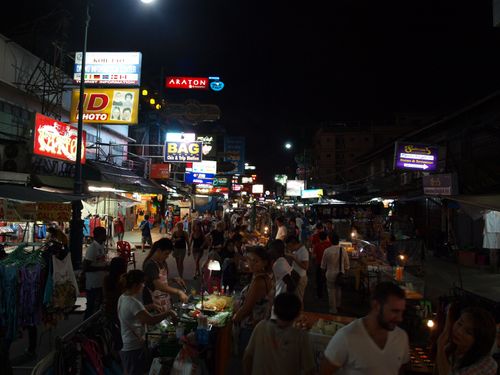
Khao San Road
Attractions
Bangkok’s backpacker carnival: curbside bars, live bands and DJs from 3pm–2am (midnight Sun). Street eats are cheap — pad thai 70–100 THB, mango sticky rice 60–100 THB. Come for wild people-watching; duck into Rambuttri for a calmer beer.
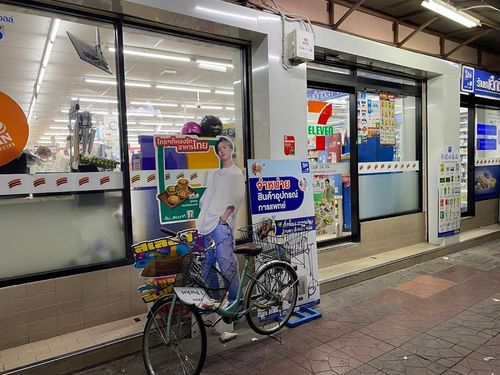
7-Eleven
Shops
Khao San’s 24/7 reset button: ice‑cold A/C, ham‑cheese toasties, All Café iced lattes, water for 7–14 THB, and late‑night supplies from snacks to sunscreen—right by Rikka Inn.
Khaosan Bar Ayutthaya
Bars
Wat
Temples
Koh Lipe
Attractions
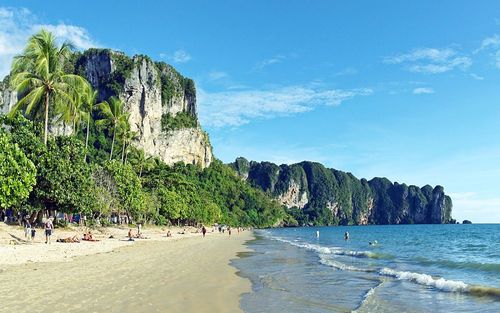
Ao Nang Beach
Attractions
Krabi’s sunset strand with longtails lined up for Railay and the 4 Islands. Swim by day, then hit the promenade for cheap eats and foot massages after dark; for quieter sand, wander west to Noppharat Thara.
More Khao San Road Guides
- Backpacker Packing List for Thailand for Wet Shoes and Beach Days: Flip-Flops, Dry Bags, and Sand Management
- Backpacker Packing List for Thailand’s Islands: Ferry Bags, Beachwear, and Wet-Season Extras
- Backpacker Packing List for Thailand’s Island and Boat Days: Dry Bag Setup, Slip-On Shoes, and Water-Ready Carry
- Backpacker Packing List for Thailand’s Adventure Islands: Snorkeling, Boat Days, and Waterproof Tech Protection