
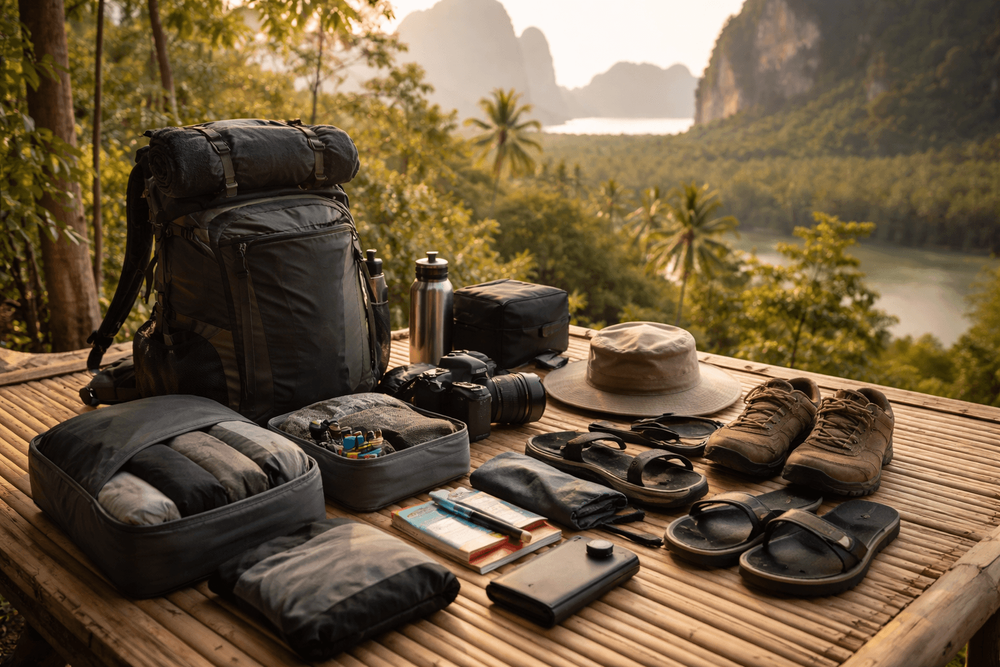
What to Pack for Thailand for Southeast Asia Multi-Country Backpacking: One-Bag Gear That Works Across Borders
Your one-bag Southeast Asia packing list for Thailand and beyond: temple-ready, monsoon-proof gear, smart health/safety kit, and pro tips to keep it light.
We’re standing under a rattling fan on Khao San Road, peeling a damp T-shirt off our back while a street wok hisses like summer rain. The 7-Eleven door exhales that blissful blast of AC and cardamom-sweet steam curls off a plastic bag of boat noodles. This is where a smart Southeast Asia packing list earns its keep: less weight, more sanuk, zero drama when a tuk-tuk splashes khlong water on your only shoes five minutes before a temple visit.
This guide is our one-bag capsule setup that works in Thailand, Vietnam, Laos, Cambodia, and beyond. It’s temple-appropriate, monsoon-ready, and ruthless about what you actually use after two sweaty weeks on the road.
Southeast Asia packing list: clothing and footwear that breathe, cover, and dry fast
Core clothing (for hot, humid, and rainy)
- 3–4 quick-dry tops: breathable synthetics or merino. Avoid heavy cotton; it never fully dries once the humidity sinks its teeth in.
- 2–3 bottoms: one lightweight long pant (or maxi skirt/pants) for temples and buses; one pair of technical shorts; one breezy casual short or skirt.
- 1–2 airy dresses/long shirts (any gender welcome) for packable polish that still breathes.
- 1 light layer: a packable sun shirt or featherweight long-sleeve for AC blasts and dawn rides on the Tha Chang Bangkok.
- 1 compact rain layer: a thin shell or a decent poncho. In monsoon, a poncho that covers your daypack is gold.
- 3–5 underwear, 2–3 socks: quick-dry, easy sink-wash.
- 1 swim kit: trunks or suit; a rash guard pulls double-duty as sun armor on island ferries.
- 1 scarf/sarong: temple cover-up, bus blanket, beach towel, makeshift curtain when your hostel bunk faces the corridor nightlight.
Temple note: shoulders and knees should be covered for most wats. Wat Phra Kaew is stricter than Wat Phra Chetuphon Wimon Mangkhalaram Rajwaramahawihan or Wat Arun Ratchawararam Ratchawaramahawihan; play it safe with long pants/skirts and a non-sheer top. You’ll thank us when you breeze past rental-wrap queues.
Footwear (keep it to two)
- Sandals you can walk in: secure straps, non-slip sole, happy on wet tile. Think market-to-temple-to-noodles in one go.
- Lightweight sneakers or trail runners: for urban miles, waterfall steps at เอราวัณ นวดแผนไทย ยโสธร, or a sunset climb up the Golden Mount.
- Optional: flip-flops for hostel showers and beach hops if your sandals aren’t rubber-friendly.
Tip: Skip heavy boots. If you’re tracking mud in Sapa or racing scooters up Pai’s switchbacks, grippy trail runners still win once the humidity hits.
How much is enough?
- One week’s worth max. Laundry is easy and cheap (per-kilo services everywhere); confirm prices locally. Quick-dry gear means a sink wash after Khao San’s thump-thump night and you’re good by breakfast.
Travel docs, money, health, and safety: the adulting pocket of your pack
Documents and backups
- Passport with 6+ months validity and spare pages.
- Visas/onward travel as required. Rules vary by nationality and change; check official consulates before you fly.
- Digital + paper copies of passport, visas, insurance, and cards. We keep a PDF in secure cloud storage and a hard copy zipped inside our daypack liner.
- International Driving Permit if you plan to rent a car or scooter. Helmets are non-negotiable.
Money and payments
- Two debit/credit cards from different banks in case one balks at a Thai ATM.
- A small stash of clean USD/EUR for emergencies or border runs.
- Expect ATM fees in many countries; consider withdrawing larger amounts less often and using a no-foreign-fee card if you have one. Carry small bills for markets and street food.
- Keep daily cash in an easy pocket; keep bigger bills buried. We don’t flash a bulging wad when buying mango sticky rice on Phra Athit Road.
Health and meds
- Travel insurance that covers medical care and evacuation. It’s the one thing you hope not to use.
- Personal meds + copies of prescriptions. Pack extras; finding your exact brand can be hit-or-miss.
- Basic kit: plasters, antiseptic wipes, pain/fever relief, antihistamines, anti-diarrheals, oral rehydration salts (the tropics are thirsty), motion sickness tabs for ferries.
- Mosquito defense: DEET or picaridin repellent, plus a light long-sleeve for dusk. Dengue’s the real deal. Permethrin-treated clothing helps in jungle zones.
- Sun care: high-SPF sunscreen (reef-safe for islands), lip balm, aloe gel for the “we forgot the shoulders” moment.
- Hygiene: hand sanitizer, tissue packs, a few wet wipes. Public loos range from gleaming malls to hose-and-hope.
Safety extras
- Small combination padlock for hostel lockers and a cable lock to loop your daypack to a train seat.
- Discreet pouch or flat belt for passports when transiting crowded stations. Day-to-day, we prefer a zipped inner pocket.
- Dry bag or pack liner: clutch on Songkran week, longtail boats, and surprise cloudbursts.
Electronics and practical gear for the tropics
Power and connectivity
- Universal adapter. Thailand’s sockets commonly accept flat (Type A) and round (Type C) prongs; voltage is ~220V, 50Hz.
- Power bank (carry-on only): airlines generally allow up to 100 Wh without special approval; 10–20k mAh is the sweet spot.
- Cables galore: USB-C, Lightning, micro-USB if you’ve got legacy kit. A short 3-way splitter is a dorm diplomacy tool.
- Local SIM or eSIM: cheap data is everywhere; pick up a SIM at the airport or 7-Eleven; confirm current packages locally.
Pack helpers
- 30–40L backpack with a supportive hip belt. One bag keeps border hops simple and tuk-tuk trunks uncluttered.
- 12–18L packable daypack for markets, temple rounds, and bus snacks.
- Packing cubes or stuff sacks: one for clothes, one for “wires and witchcraft,” one for meds.
- Microfiber towel: not glamorous, always dry by morning.
- Collapsible water bottle or a filter bottle. Tap water isn’t universally potable; you’ll find refill stations in some cafes/hostels.
- Tiny laundry kit: travel soap and a line. Hostel balconies make great wind tunnels.
- Headlamp or tiny flashlight: night trains, dawn hikes, and dorm etiquette during 2 AM exits.
- Zip bags: keep passports sweat-free, separate damp swimsuits from clean tees, and shield your phone during squalls.
Seasonal and destination-specific tweaks
Beaches and islands (Phuket, Koh Tao, Koh Lanta, Nha Trang, Cebu)
- Reef-safe sunscreen, rash guard, quick-dry towel, dry bag, and spare phone case.
- Lightweight long sleeve for UV and that ocean breeze after sundown.
- Snorkel mask only if you’re picky; rentals abound.
Cities and temples (Bangkok, Chiang Mai, Siem Reap, Luang Prabang)
- Temple kit: long pants/skirt and covered shoulders. Slip-on sandals help with on/off at wats.
- Modest, breathable layers for AC-soaked malls and night buses.
- Small scarf for incense-heavy shrines and the occasional overzealous AC on the BTS.
Jungles and hikes (Khao Sok, Erawan, Sapa, Cameron Highlands)
- Trail runners, light long pants, moisture-wicking socks.
- Leech socks in peak wet seasons in some parks; ask rangers.
- Cap with neck shade, strong repellent, and a pack cover.
Cool-season notes (Dec–Feb, north and highlands)
- Bangkok stays warm, but Chiang Mai, Pai, and Sapa can serve crisp mornings and chilly nights. Pack a thin fleece or insulated vest and sleep socks.
Monsoon strategy
- Embrace the poncho. Road spray, sudden dumps, and ferry splashes happen.
- Quick-dry everything. Cotton jeans and heavy hoodies are mood killers.
- Shoes with grip; wet tiles are slapstick waiting to happen.
Smart packing habits for multi-country backpacking
- One-bag rule: 7–10 kg target packed weight. If you can jog across Hualamphong Station without panting, you nailed it.
- Buy local: need a hat, sarong, or rain poncho? Chatuchak, MBK, and market stalls have you covered for less than your airport impulse buy; confirm current prices locally.
- Decant liquids to small bottles. Airport security smiles on 100 ml; your back does too.
- Color code cubes: clothes (light), tech (dark), meds (bright). In a dorm at 3 AM, you’ll thank your past self.
- Keep a “temple outfit” on top for quick respectability flips.
- Earplugs and an eye mask: Khao San bass lines don’t tuck in early.
- A small tote or mesh bag: for wet clothes, beach bits, or market hauls.
- Leave-behinds: bulky sleeping bags, hair dryers, “just in case” shoes, and hardcover books. Swap reads at hostels; carry stories, not spines.
We usually crash near Soi Rambuttri or along Phra Athit when we’re in temple mode — quiet enough for sleep, close enough for a sunrise stroll to the river. If we’re planning an island dash, we’ll pick a spot near a BTS/MRT interchange so the airport link is painless and the pack stays on our shoulders, not in a taxi trunk.
Know before you go: cultural and practical notes
- Temples: dress modestly, speak softly, remove shoes where asked, and never point your feet at Buddha images. A soft sawadee and a smile go a long way.
- Scams: if a stranger insists “the temple is closed,” it probably isn’t. Check posted hours or ask at an official counter.
- Transport: meter taxis or ride-hail help avoid haggling. For tuk-tuks, agree on a price before you hop in.
- Water: stick to sealed bottles or trusted refills. Ice is usually factory-made and safe in Thailand.
- Respect the rain: stash electronics in a liner or dry bag. When the sky opens on Sukhumvit, it really opens.
Quick Plan
A simple Bangkok loop to road-test your one-bag setup before crossing borders.
- Day 1: Bangkok → Ayutthaya (~80 km, 1.5 hrs). Key stops: Ayutthaya Historical Park, sunset at Wat Chaiwatthanaram. Overnight: Ayutthaya old town.
- Day 2: Ayutthaya → Kanchanaburi (~200 km, 3–4 hrs). Key stops: Bridge over the River Kwai, Thai-Burma Railway Centre. Overnight: Kanchanaburi by the river.
- Day 3: Kanchanaburi → Erawan National Park (~65 km, 1.5 hrs). Key stops: Erawan Falls tiers 1–7. Overnight: Kanchanaburi.
- Day 4: Kanchanaburi → Bangkok (~200 km, 3–4 hrs). Key stops: Food crawl on Soi Rambuttri, Golden Mount at dusk. Overnight: Old Town.
Optional ASCII route: Bangkok → Ayutthaya → Kanchanaburi → Erawan → Bangkok
Costs at a Glance (THB)
- Fuel price per liter range: approx 35–50 THB/L (confirm locally; varies by fuel type and city).
- Estimated fuel cost per segment (small car ~6 L/100 km; confirm locally):
- Bangkok→Ayutthaya (80 km): ~170–240 THB
- Ayutthaya→Kanchanaburi (200 km): ~420–600 THB
- Kanchanaburi→Erawan (65 km): ~140–200 THB
- Erawan→Bangkok (200 km): ~420–600 THB
- Tolls per segment: Bangkok expressways may apply; ~0–200 THB per hop depending on route (confirm locally).
- National park/attraction fees per person: Thai national parks often charge tiered rates for foreigners; expect ~200–500 THB+ at major sites like Erawan (confirm via official park pages on the day).
- Parking per night: ~0–200 THB at many guesthouses/hotels outside central Bangkok; confirm with your property.
Last checked: Oct 2026
Booking Pathways
- Car rental: Compare rental deals at https://www.rentalcars.com for airport or city pickup.
- Hotels: Browse stays with map filters at https://www.agoda.com to stay near BTS/MRT or the river piers.
- Attraction tickets: Check skip-the-queue and combo passes at https://www.klook.com for popular temples, parks, and transfers.
Verification
- Prices and opening hours shift by season and policy. Where exact figures aren’t cited from at least two recent official sources, we provide safe ranges and “confirm locally.” For national park fees, consult the park’s official page or visitor center on the day you go. For fuel and tolls, check the latest at local stations, official highway signage, or rental counters before departure.
Pack this once, and you’re set from Bangkok’s night markets to Luang Prabang’s dawn alms, from island ferries to misty mountain buses. When we’re back on Phra Athit Road with a bag that still zips and shoulders that still smile, we know we brought just enough to play — and not a gram more.
Related Hotels & Places
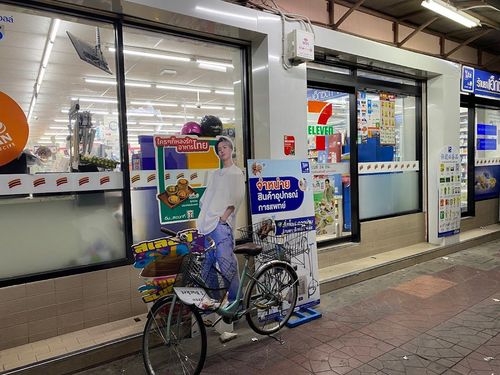
7-Eleven
Shops
Khao San’s 24/7 reset button: ice‑cold A/C, ham‑cheese toasties, All Café iced lattes, water for 7–14 THB, and late‑night supplies from snacks to sunscreen—right by Rikka Inn.
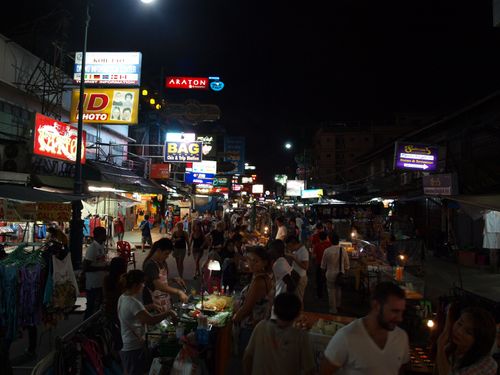
Khao San Road
Attractions
Bangkok’s backpacker carnival: curbside bars, live bands and DJs from 3pm–2am (midnight Sun). Street eats are cheap — pad thai 70–100 THB, mango sticky rice 60–100 THB. Come for wild people-watching; duck into Rambuttri for a calmer beer.
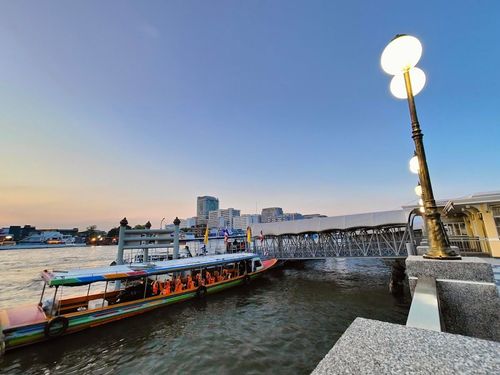
Tha Chang Bangkok
Bars
Bar on Khao San Road.
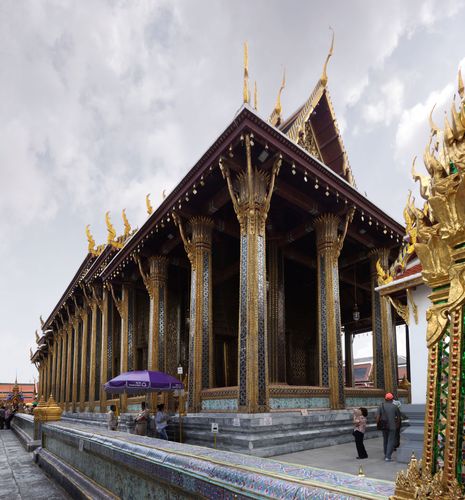
Wat Phra Kaew
Temples
Bangkok’s holiest temple inside the Grand Palace. Go early (8:30am–3:30pm). Buy the 500 THB ticket at Na Phra Lan Rd gate. Dress code enforced. Marvel at Ramakien murals and the tiny Emerald Buddha whose robes change with the seasons. 10–15 minutes’ walk from Khao San.
Wat Phra Chetuphon Wimon Mangkhalaram Rajwaramahawihan
Temples
Wat Arun Ratchawararam Ratchawaramahawihan
Temples
เอราวัณ นวดแผนไทย ยโสธร
Massage
More Khao San Road Guides
- What to Pack for Thailand for Multi-Stop Backpacking Trips: Daypack Setup, Laundry Rotation, and Travel-Day Essentials
- Thailand Packing List for Backpackers on a Multi-City Route
- What to Pack for Thailand for a Capsule Backpacking Trip: One-Bag Clothing, Laundry Strategy, and Multi-Use Gear
- Backpacker Packing List for Thailand: Essential Gear for First-Time Southeast Asia Backpackers