
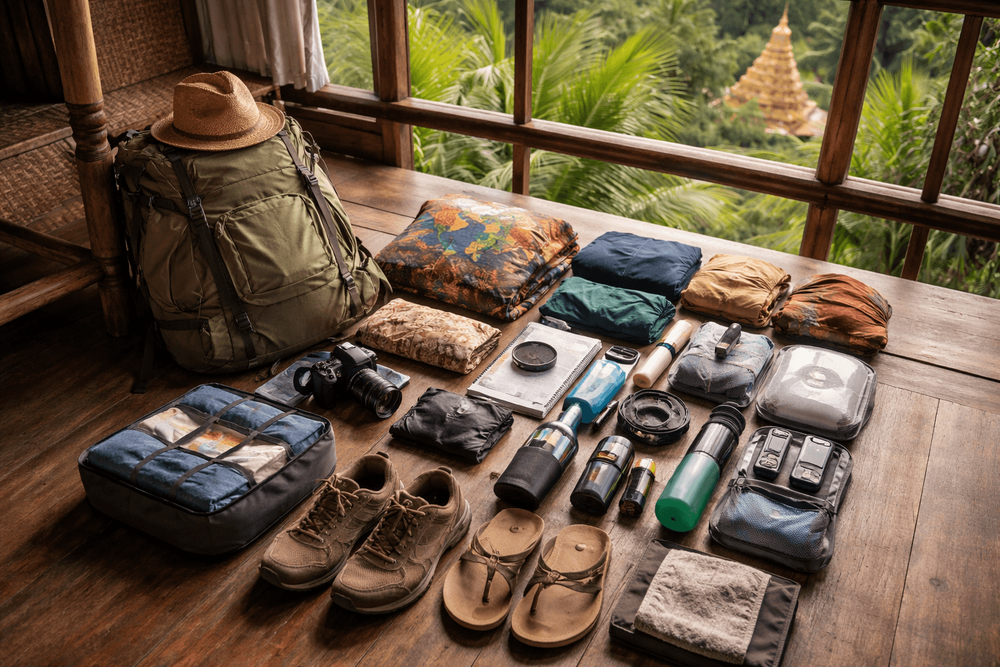
What to Pack for Thailand for a Long-Term Backpacking Trip: Multi-Week and Multi-City Essentials
Our long term Thailand packing list for multi-week, multi-city trips—clothes, meds, tech, and money tips, plus what to skip and what to buy once you land.
We’re crouched on a guesthouse floor off Soi Rambuttri, wrestling a zipper while the wok-sizzle from the street stalls below mixes with the sweet rot of durian from a passing cart. The bass from a Khao San Road thumps through the walls, and the promise of night ferries, mountain mornings, and island sunsets sits in a neat pile at our feet. This is the long term Thailand packing list we wish we’d had before our multi-week, multi-city runs—lean enough to carry up the Golden Mount steps, smart enough for temples, and rugged enough for monsoon downpours.
Know before you pack: climate, laundry, and luggage reality
Thailand’s seasons matter when you’re living out of a bag:
- Cool(ish) and dry: November–February. Bangkok still sweats; Chiang Mai mornings can nip—bring a light layer.
- Hot season: March–May. Bangkok is a sauna. Quick-dry everything.
- Rainy season: May–October, peaking August–October. Expect sudden, biblical dumps of rain—then sunshine.
Laundry is everywhere. Wash-and-fold spots charge 40–60 baht per kilo; coin machines go for 30–50 baht a cycle. Translation: you only need 7–10 days of clothes, even for months. Hostels and guesthouses near Phra Athit Road, Soi Rambuttri, and across the islands advertise next-day laundry like it’s a national sport.
Bags that work in Thailand:
- One 35–45L backpack you can carry on buses, boats, and up ferry gangways without cursing.
- One 10–15L daypack for temples, markets, and the Chao Phraya Express boat.
- A 5–10L dry bag for island hops and surprise downpours.
If you want to go carry-on only, we’ve road-tested a lean setup here: Thailand Carry-On Packing List: How to Travel Light on a Long-Term Backpacking Trip.
Essential clothing for a long term Thailand packing list
We’re dressing for heat, humidity, AC blasts from 7-Eleven, and the occasional rooftop bar with a view that doesn’t rinse your wallet.
Everyday hot-weather kit (city and travel days)
- 4–5 breathable tops: cotton, bamboo, linen, or moisture-wicking synthetics (Uniqlo AIRism-level). Darker colors hide street-stall splashes.
- 2–3 lightweight shorts or skirts: quick-dry helps after an afternoon monsoon.
- 1–2 airy long-sleeve shirts: sun protection and temple-friendly; also perfect when the bus AC is set to Arctic.
- 1 pair ultralight long pants: linen or quick-dry. Skip heavy denim; it’s a swamp in May.
- 5–7 pairs underwear + 3 socks: quick-dry if you’re hand-washing.
- 1 sleep set: the fan-room uniform.
Temple-ready and modest options
Wat days are sacred and strict: cover shoulders and knees. No ripped stuff, no see-through. Pack:
- 1–2 temple-ready bottoms: light trousers or a midi/maxi skirt.
- 1 non-revealing top or a scarf to cover shoulders. A sarong doubles as a temple wrap, beach blanket, bus blanket.
Beach and island essentials
- 1–2 swimsuits (they dry slow in humidity—two helps).
- Rash guard or light long-sleeve swim top for all-day snorkel runs.
- Sarong: your most MVP item—temple, beach, impromptu picnic on Phra Sumen Fort lawn.
- Lightweight cover-up for beach-to-street.
Northern detours and cool snaps
Chiang Mai or Pai in December/January can be brisk at dawn.
- 1 light fleece or packable windbreaker.
- 1 beanie if you’re doing mountain sunrises (Doi Inthanon stings at 5 AM).
Footwear that makes sense here
- 1 pair breathable sneakers: pavement, light hikes, motorbike days.
- 1 pair sandals you can actually walk in: think Chao Phraya pier to Chinatown Bangkok (Yaowarat) noodles without blisters.
- Optional flip-flops: hostel showers and beach shuffles. You can buy for 100–200 baht.
Rain armor
- Ultralight rain jacket or compact umbrella. Ponchos cost 20–30 baht at 7-Eleven but feel like a sauna suit.
- Dry bag or pack cover. Monsoon rain laughs at cotton.
If you want a gender-specific breakdown of breathable basics that actually play nice with Thai humidity, we’ve put our notes here: Thailand Packing List for Male Travelers: Lightweight Clothing and Travel Essentials. First-timers getting their bearings will find temple-dress details here: Thailand Packing List for First-Time Backpackers: What to Bring and What to Leave Behind.
Health, hygiene, and meds that actually earn their place
You’ll find excellent pharmacies on nearly every soi. Still, the heat, bugs, and ferries will test you.
- Mosquito repellent: DEET 20–30% or picaridin 20%. Dengue is a thing; malaria rarely concerns typical routes, but bites are bites.
- Sunscreen: at least 30 SPF. Reef-safe for island days. Good brands cost more here (300–500 baht), and many have whitening agents—bring your first bottle from home.
- After-sun or aloe gel: you will underestimate the Andaman sun exactly once.
- Electrolyte packets (ORS): clutch for heat days, food misadventures, and hangovers that hit like a tuk-tuk.
- Basic first aid: plasters/band-aids, blister patches, antiseptic wipes, small tube of antibiotic cream, tweezers.
- Personal meds: bring enough plus a paper copy of your prescription in the original packaging. Thai pharmacies can usually refill common meds, but customs likes labels.
- Motion sickness pills: for Gulf ferries on choppy days and winding roads to Pai.
- Hand sanitizer and tissues: public bathrooms vary wildly; BTS is spotless, some rural stops are… rustic.
- Menstrual supplies: tampons can be scarce outside Bangkok—consider a menstrual cup or pack what you need.
- Toiletries: travel-size to start (deodorant, toothpaste, razor). Refill at 7-Eleven or Watsons once you know what you actually use.
- Microfiber travel towel: dries fast in humid rooms and doubles as a beach towel in a pinch.
Travel documents, money, and tech for long stays
Documents and backups
- Passport + 2–3 paper copies: keep one in your daypack, one buried in your main bag.
- Digital scans of passport, visa stamp, and travel insurance saved offline to your phone and an encrypted cloud.
- Visa game plan: check current visa/exemption rules before you fly; print confirmation emails for extensions.
- International driver’s permit if you’ll rent scooters up north or on the islands.
Money: fees and failsafes
- Primary debit card + backup debit + backup credit card. ATM fees in Thailand are usually 220–250 baht per withdrawal; pull larger amounts less often if you can.
- Wallet + decoy card sleeve: not for scams, just to separate “daily spend” from “never lose this.”
- Stash of emergency USD/EUR, small bills tucked deep in your pack.
- Revolut/Wise-style cards are handy for good FX rates, but still expect ATM fees on Thai machines.
Phones, power, and connectivity
- Unlocked phone + eSIM or local SIM (AIS/DTAC/True). Tourist SIMs are easy at the airport; for longer stays, monthly packages with 5–20GB cost roughly 200–400 baht.
- Power bank (10,000–20,000 mAh): keep Google Maps alive from Chatuchak to Chinatown.
- Cables: at least 2 USB-C, 1 Lightning if needed. Short + long.
- Universal adapter: most Thai sockets accept two flat (Type A) or two round pins (Type C). Voltage is 220V, 50Hz.
- Small travel power strip if you carry laptop + phone + camera.
- Noise-cancelling earbuds: overnight buses, long flights, and café coworking sanity.
- Laptop security cable if you’re working from cafes.
- Rugged USB or SSD for offline backups of photos and work. Cloud is great until Railay’s Wi-Fi decides it’s on island time.
Digital hygiene
- PINs and passwords saved to a manager you can access offline.
- Offline Google Maps for Bangkok, Chiang Mai, Phuket/Krabi.
- Transit apps: Grab for rides; keep cash for tuk-tuks and river ferries.
Packing by traveler type (because not all long stays look the same)
Digital nomads
- Laptop or tablet with keyboard, compact stand, and a Bluetooth mouse. Your back will thank you after a week of café tables on Nimmanhaemin Road.
- USB-C hub and a slim extension cord.
- Light, plain shirt and trousers: coworking days and casual meetings. Bangkok’s mall AC can turn you into a popsicle.
- Extra drive for backups and a VPN if you need one for work.
- Bonus comfort: a tiny fold-flat lap pillow or scarf for AC-blasted BTS rides between Asok and Ari.
Classic backpackers moving every few days
- Keep it sub-10 kg. You’ll love yourself when sprinting for the Chao Phraya Express or climbing ferry piers in Surat Thani.
- Eye mask + earplugs: Khao San’s bass doesn’t respect schedules.
- Padlock for hostel lockers.
- Quick-dry laundry soap sheets + a short travel clothesline with pegs.
- Collapsible tote for market raids and temple days.
We keep an evolving master list here with counts and weights: Backpacker Packing List for Thailand.
Island-hoppers
- Dry bag, always.
- Reef-safe sunscreen and a long-sleeve swim top.
- Water shoes if you’re landing on rocky beaches or hopping into longtails.
- Headlamp for beach paths after dark and the odd island power cut.
- Motion sickness tablets for windy-season crossings.
City-based slow travelers
- Nicer smart-casual outfit for a rooftop bar or jazz at Phra Athit—long pants/skirt and a clean shirt. Dress codes aren’t strict everywhere, but flip-flops can get you turned away.
- Compact umbrella for sudden storms while you wander Talat Noi’s street art.
- Lightweight reusable shopping bag for markets; everyone has one.
Items to avoid overpacking (and what to buy after arrival)
Things you won’t miss:
- Heavy jeans and bulky hoodies: you’ll wear them once, regret them forever.
- Hiking boots: unless you’re doing multi-day treks in the northwest, breathable sneakers are fine.
- Full pharmacy: Thai pharmacies are well-stocked and cheap; carry your essentials, replace the rest here.
- Hair dryer or giant toiletries: 7-Eleven, Watsons, and Boots have your back.
- Mosquito nets: most lodgings have them if needed; nets take up oceanic space.
- Books: swap shelves are everywhere; use an e-reader.
What’s cheap and easy to buy in Thailand:
- Rain ponchos (20–30 baht), flip-flops (100–200 baht), sarongs (100–200 baht), elephant pants if you must (100–200 baht), tees (100–200 baht).
- Laundry by the kilo (40–60 baht). Coin dryers? Less common—pack a clothesline.
- SIM cards and top-ups at 7-Eleven.
What’s trickier to find:
- Larger shoe/clothing sizes; grab beach sandals at home if you have big feet.
- Specific tech accessories outside Bangkok’s big malls.
- Western-brand sunscreen without whitening.
Sample long-term pack (4–8 weeks, mixed city/island/temple)
- Tops: 5 (3 tees, 1 tank, 1 long-sleeve linen or tech)
- Bottoms: 4 (2 shorts/skirts, 1 light trousers, 1 temple-friendly skirt or pants)
- Underwear: 7; Socks: 3
- Swim: 2; Sleepwear: 1
- Layers: 1 light fleece or windbreaker, 1 ultralight rain jacket
- Footwear: 1 sneakers, 1 walkable sandals, 1 flip-flops
- Accessories: hat, sunglasses, sarong, compact umbrella, lightweight tote
- Toiletries: travel-size kit, sunscreen, repellent, meds, ORS, microfiber towel
- Tech: phone + SIM, charger kit, power bank, adapter, laptop + hub (if needed), SSD/USB
- Admin: passport + copies, insurance printout, cards x3, emergency cash, driver’s permit
- Extras: padlock, travel clothesline, laundry soap sheets, headlamp, earplugs + eye mask
Pack this and you’ll have room for the market tee you absolutely will buy on Soi Rambuttri.
Streetwise packing tips we learned the sweaty way
- Separate “temple kit”: long pants/skirt and scarf together so you can grab-and-go for Wat Pho mornings.
- Stash a shirt in your daypack: some BTS rides feel like meat lockers.
- Use a small dry bag inside your daypack during rainy season. Phones and passports don’t like khlong water.
- Label cables. The one you need will hide.
- Keep a snack in your bag: sticky rice and grilled pork skewers save lives when the overnight bus drops you early.
Know before you go: quick FAQs
- Plugs and power: Most sockets take two flat or two round pins. Voltage 220V. Bring a slim adapter.
- Temple dress codes: shoulders and knees covered; no ripped clothes. Shoe removal at most wats—easy if you’re in sandals.
- Water: buy sealed bottles or use refill stations; carry a small reusable bottle.
- Scams: the “grand palace is closed” myth, tuk-tuk city tours with gem shops—smile, say “mai ao, khop khun” (no thanks, thanks), and keep walking.
- Transport: Grab for point-to-point; river boats beat traffic between Phra Athit and Sathorn; long-haul buses crank the AC—keep that long-sleeve handy.
If you’re the methodical type and want a different angle on kit, these deep-dives help: Backpacker Packing List for Thailand and, for first-timers dialing in the basics, Thailand Packing List for First-Time Backpackers: What to Bring and What to Leave Behind.
We’ll see you under the shade of the tamarind trees on Phra Athit Road, sweating into a perfect bowl of boat noodles, smug with a bag that closes on the first try. Pack light, leave space for sanuk, and when in doubt—buy it here after a blissful blast of 7-Eleven AC.
Related Hotels & Places
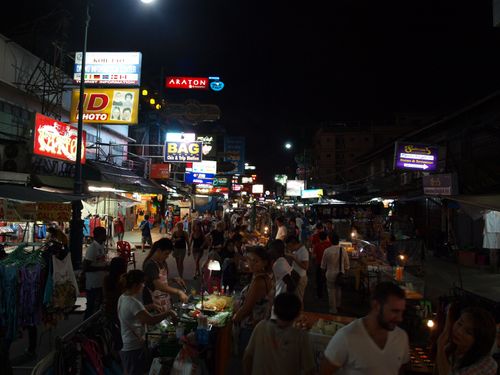
Khao San Road
Attractions
Bangkok’s backpacker carnival: curbside bars, live bands and DJs from 3pm–2am (midnight Sun). Street eats are cheap — pad thai 70–100 THB, mango sticky rice 60–100 THB. Come for wild people-watching; duck into Rambuttri for a calmer beer.
Khaosan Bar Ayutthaya
Bars
Phra Sumen Fort
Attractions
1783 riverfront fort on Phra Athit with white battlements, park breezes, and killer sunset views over Rama VIII Bridge. Free entry; best from 5–7pm before the gates close at 9pm.
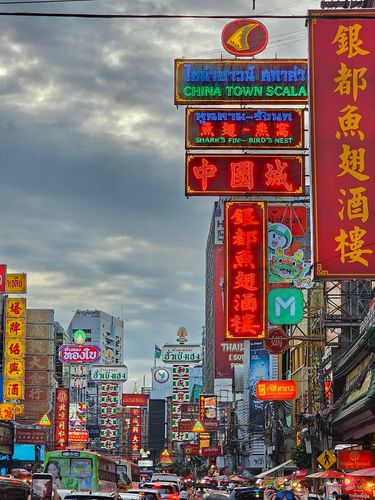
Chinatown Bangkok (Yaowarat)
Attractions
Neon, woks, and queues: Yaowarat is Bangkok’s street‑food strip. Start at Wat Mangkon MRT, graze T&K Seafood and Nai Ek’s peppery guay jub, snag toasted buns, and finish with mango sago at Sweet Time. Best 6pm–late; ~10‑minute taxi from Khao San.
More Khao San Road Guides
- What to Pack for Thailand for Long-Stay Backpacking: Reusable Essentials, Repair Items, and Comfort Upgrades
- What to Pack for Thailand for Long-Term Backpacking: Reusable Basics, Resupply Strategy, and Multi-Week Travel Gear
- Backpacker Packing List for Thailand by Trip Length: One-Week, Two-Week, and One-Month Packing Basics
- What to Pack for Thailand: Backpacker Essentials, Nice-to-Haves, and What to Skip