
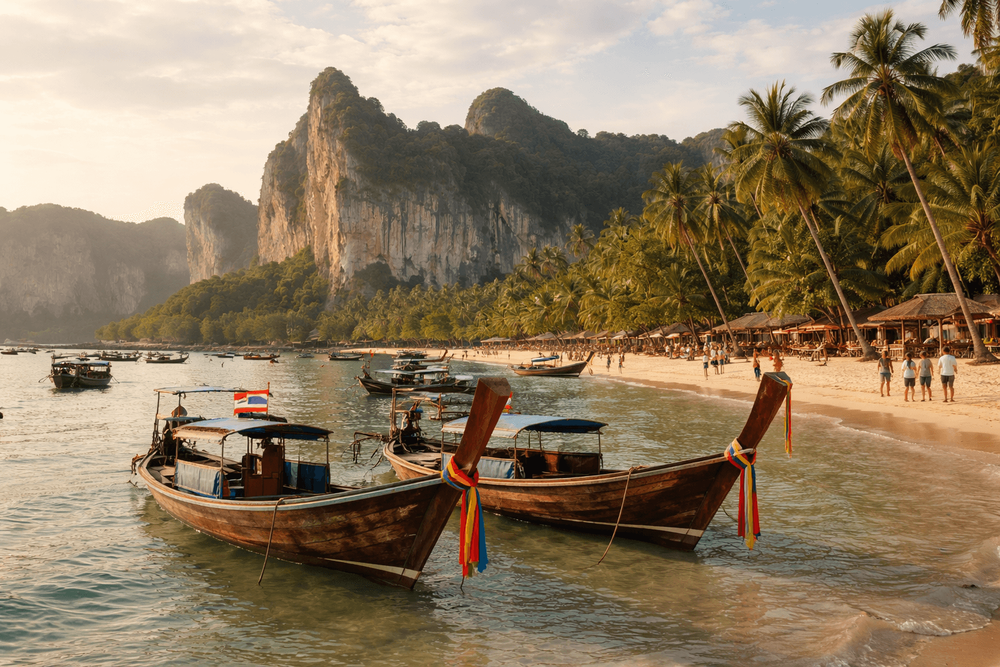
Best Time to Go to Thailand: Month-by-Month Travel Guide
A month-by-month guide to the best time to go to Thailand—by beaches, cities, culture, and festivals—plus savvy booking tips and regional weather truths.
We’re shoulder-to-shoulder on Baan Manee BKK, the woks are hissing, and a tuk-tuk coughs by with neon underglow while the night market warms up. Bangkok’s sky is that deep, inky blue and the air is soup. If you’re wondering the best time to go to Thailand, this is the question humming under the bass line thumping from a Khao San Road: when do we get perfect beach days, cool temple mornings, and fewer crowds without getting drenched?
Quick answer: best time to go to Thailand by trip style
- Beaches (Andaman side: Phuket, Krabi, Phi Phi): December–April for calm seas and clear water; January–March is peak perfection. Shoulder sweet spots: late November and late April if you don’t mind a little heat.
- Beaches (Gulf side: Koh Samui, Koh Phangan, Koh Tao): February–August for sunny spells; June–August is great if you’re dodging Andaman monsoon. Watch for heavier rain in October–November.
- City breaks (Bangkok, Ayutthaya): November–February for cooler, walkable days. September–October can be rainy but atmospheric—with cheaper rooms and moody skies over the Chao Phraya Princess Cruise Office.
- Culture and temples (Chiang Mai Night Bazaar, Sukhothai, Isan): November–February is prime—cool mornings, golden rice fields, and mountain breezes. Late October and early March can also be great, with fewer farang crowds.
- Island hopping (mixing coasts): December–April if you’re sticking West Coast; June–August if you pivot to the Gulf islands.
- Nightlife (Bangkok, Pattaya, Phuket): Year-round. December–February is buzzy and comfy; April is a sweaty blast (literally) around Songkran. Full Moon Party? Avoid heavy-rain months on the Gulf (Oct–Nov) if you’re picky about beach conditions.
If you just want one window with the fewest weather headaches across most regions, pick late November through February. But Thailand is huge and the monsoons don’t move in unison—let’s break it down sanuk-style.
Thailand’s seasons, explained in plain English
Cool season (roughly November–February): We’re talking relatively cool, not sweater weather. Expect 22–30°C in the north and 25–32°C in Bangkok. Skies are crisp, humidity dips, and the breeze off the khlongs feels like a reward. On the Andaman coast, seas are calm and crystal. This is high season; prices rise, rooms book out.
Hot season (March–May): It’s oven-on, wok-sizzle hot. Bangkok and central Thailand hit 33–38°C by mid-afternoon. Chiang Mai can scorch. Beach days are gorgeous, especially on the Andaman, but plan like a local—temples at sunrise, naps or museums midday (hello, AC blast at 7-Eleven), and riverside dinners at sunset on Phra Athit Road. April’s Songkran water fights make the heat actually fun—bring a dry bag.
Rainy/monsoon season (May–October, but varies by coast): Think big, theatrical downpours that blow in, dump the sky, and clear to blue—especially early in the season. It’s lush, prices dip, and crowds thin. The Andaman coast (Phuket, Krabi) usually gets rougher seas and more frequent storms June–October; many long-tail trips pause. The Gulf (Samui, Phangan, Tao) often stays brighter June–August but sees heavier rain October–November. Bangkok gets dramatic evening storms—watch them roll over the river with a 120‑baht lime soda and a grin.
Expectations check: Rainy doesn’t mean nonstop rain. It means carrying a light poncho, swapping a boat trip for a massage when the sky opens, and planning ferries and flights with buffer time.
Regional timing differences you actually feel
Bangkok and Central Thailand
- Best overall: November–February (cooler, walkable, golden light over the The Grand Palace)
- Good shoulder: Late October and March
- Watch-outs: September–October can flood certain areas; taxis get scarce during peak downpours. Plan river transport (Chao Phraya Express Boat is 16–32 THB depending on flag) and BTS/MRT to dodge gridlock.
Chiang Mai and the North
- Best overall: November–February (cool mornings, misty mountains)
- Lovely shoulder: Late October for green hills; early March before real heat
- Watch-outs: Late Feb–April can bring smoky skies from agricultural burning; check air quality if you’re sensitive. Nights in Dec–Jan can dip below 15°C in the hills—pack a layer.
Andaman Coast (Phuket, Krabi, Phi Phi, Khao Lak)
- Best overall: December–April (clear seas, dive visibility, long-tail island-hopping)
- Shoulder: November and May (some showers, fewer boats canceled, nicer prices)
- Watch-outs: June–October sees rough seas; many operators scale back. Beach flags matter—red means don’t swim.
Gulf Islands (Koh Samui, Koh Phangan, Koh Tao)
- Best overall: February–August (sparkly seas, consistent sun)
- Shoulder: January and September (mixed but manageable)
- Watch-outs: October–November often brings heavy rain and choppy crossings. Time Full Moon trips outside these months if you’re tide-picky.
Festivals, holidays, and peak periods that change the game
- New Year (Dec 31–Jan 1): Fireworks over the river, packed rooftops. Bangkok rooms and island ferries sell out; book weeks ahead. Cocktails on simple rooftops can still run 250–500 THB.
- Chinese New Year (late Jan/Feb): Yaowarat Chinatown Heritage Center is a sensory overload. Prices nudge up, but it’s worth the dragon dances and lanterns.
- Songkran (Thai New Year, April 13–15): Citywide water fights—Khao San explodes into a super-soaker battlefield. It’s sweltering, joyous chaos. Transport books out; some businesses pause.
- Vegetarian Festival (late Sep/Oct, Phuket and Bangkok): White-clad devotees, shrine processions, and crunchy, fragrant street eats. Shoulder-season showers but unforgettable.
- Loy Krathong & Yi Peng (usually Nov): Float candlelit krathongs on rivers and watch lanterns lift over Chiang Mai. Hotels in the north book early.
- Domestic long weekends and school breaks (March–May and October): Thais hit the beaches; popular spots fill. Expect higher room rates even off international high season.
- Full Moon Party (monthly, Koh Phangan): Spike pricing and minimum stays near the party date, rain or shine.
Month-by-month guide: best time to go to Thailand
January
- Weather: Cool, dry almost everywhere. Andaman seas are postcard-level gorgeous. Gulf is stable.
- Best for: Island hopping on the Andaman; temple mornings in Bangkok and Ayutthaya without melting.
- Watch: Peak season rates. Book ferries and long-tails a day or two ahead. A basic fan room near Ratchadamnoen might jump from 700 to 1,200 THB.
February
- Weather: Similar to January, slightly warmer. North still fresh in the mornings.
- Best for: Diving on Koh Tao begins ramping; sunsets on Railay Beach Cafe that make you text your ex.
- Watch: Valentine’s weekend bumps room prices. Lantern festivals may pop in Chinese communities.
March
- Weather: Heat creeps in; Bangkok afternoons sizzle. Still great on most beaches.
- Best for: Early beach starts, late temple visits. Chiang Mai is warm but evenings are pleasant.
- Watch: Potential smoke haze in the north late month. Hydrate like it’s your job—iced lemon tea is 30–50 THB and a lifesaver.
April
- Weather: Hot, hot, hot. Still sunny and flat seas on the Andaman.
- Best for: Songkran madness—pack a waterproof phone pouch and lean into the splash.
- Watch: Nationwide travel crunch; some shops close for holidays. Plan intercity moves before or after the 13–15 window.
May
- Weather: First real rains arrive in many places. Showers are short but intense; everything goes green.
- Best for: Value hunters—fewer crowds, deals on rooms. Gulf and Andaman both can be fine; pick days around storms.
- Watch: Sudden squalls; keep ferry days flexible. Afternoon museum runs for AC sanity.
June
- Weather: Southwesterly monsoon in swing. Andaman gets choppy; Gulf often drier.
- Best for: Koh Samui/Koh Phangan beach time, jungle waterfalls at full gush.
- Watch: Reduced boat services on the Andaman; bigger ferries are safer picks when seas are up.
July
- Weather: Similar to June. Short, dramatic rains in Bangkok; Gulf keeps shining.
- Best for: Samui archipelago, café-hopping in Ari or Thonglor when clouds open.
- Watch: European school holidays kick off; families fill beach resorts. Book popular bungalows ahead.
August
- Weather: Gulf still favorable; north is lush and photogenic after showers.
- Best for: Samui side beaches, trekking around Pai and Mae Hong Son between rains.
- Watch: Continued Euro-holiday crowds; prices nudge up. Night markets are back in full swing.
September
- Weather: Rainiest stretch for many regions; Bangkok sees big storms.
- Best for: Culture trips—Ayutthaya ruins in moody light, massages, cooking classes, café hideouts when it pours.
- Watch: Flash flooding in low-lying spots; plan indoor backups. Room rates are at their friendliest.
October
- Weather: Transitional. Andaman starts to brighten late month; the Gulf gets wetter. Up north is lush and cooling.
- Best for: Green season deals, waterfall chases, early cool-season vibes in Chiang Mai.
- Watch: Vegetarian Festival (dates vary) boosts Phuket bookings. Gulf islands can be soggy.
November
- Weather: Cool season kicks in. North turns crisp; Andaman flips to bluebird days. Gulf may still see heavy rain early month, easing later.
- Best for: Chiang Mai’s Yi Peng, Loy Krathong floats on city canals, and Andaman island-hopping.
- Watch: Early cool-season demand spikes. Book train sleepers and river-view rooms in advance.
December
- Weather: Peak pleasant—dry, breezy, and bright almost everywhere.
- Best for: New Year in Bangkok, Krabi long-tails, crisp mornings climbing the Golden Mount.
- Watch: Top-tier pricing over Christmas/New Year. Reserve ferries and rooms early; airport taxis (400–600 THB with tolls) get snatched quickly.
Practical timing tips: booking, budgets, and monsoon hacks
- Booking windows: For December–February, snag flights 2–4 months out and island rooms 4–8 weeks ahead. For shoulder and green seasons, a week or two is often fine, especially in Bangkok where options are endless.
- Island logistics: In the monsoon months, prioritize larger ferries over speedboats and keep a buffer day on either side of transfers. If a captain says no-go, trust them and find a hammock; safety first.
- Coast logic: Want sun in July? Aim for Koh Samui/Koh Phangan/Koh Tao. Craving Andaman clarity? January–March is your window.
- Daily rhythm: Beat heat and crowds—temples at opening bell, naps or malls midday, river breezes and street food after dusk. The Chao Phraya Express boat is cheap (from about 16–32 THB) and scenic; tuk-tuks are fun but agree the fare up front (short hops 60–150 THB) and skip unsolicited “gem shop” detours.
- Budget reality: High season can bump simple Bangkok rooms from 800 to 1,500 THB and island bungalows even more around New Year. Green season deals can slice 20–40% off. Street eats still sing at 50–100 THB a dish.
- Weather gear: A compact poncho, quick-dry clothes, and sandals that grip wet tiles. For temple days, carry a light scarf and modest wear—knees and shoulders covered.
- First-timer window: If you’re choosing one month for a classic mix—Bangkok buzz, northern temples, and Andaman beaches—go late November to February. If your dates are fixed in July/August, aim for the Gulf islands and save the Andaman for another trip.
Know before you go (and what to pack)
Thai seasons are forgiving if we play them smart. Pack for heat, respect the rain, and build in wiggle room If you’re building your first itinerary Trip to Thailand: A Complete Travel Guide. For your bag, tailor by season with: What to Pack for Thailand by Season: Hot, Rainy, and Cool-Weather Essentials, and don’t forget respectful temple attire: What to Pack for Thailand Temple Visits and Cultural Sites. Backpacking? We keep it light and right here: Backpacker Packing List for Thailand.
We usually crash around Soi Rambuttri or Phra Athit when we’re in town—easy river access, cheap bowls of boat noodles, and a short stumble to the Chao Phraya pier. On islands, we pick places with shade, a fan that actually moves air, and a five-minute stroll to the beach; in high season, that sanity can cost a couple hundred baht more but pays back in naps.
When the first fat raindrops tap the tin awnings and fried garlic perfumes the soi, we’ll duck into 7‑Eleven for that blissful AC blast and a 20‑baht water, then stride back out smiling. Pick the right month for your style, and Thailand plays along. Ready to chase cool mornings on the Golden Mount or a glassy Andaman bay at sunrise? We’ll meet you by the river and ride the orange flag boat down together—the best time to go to Thailand is the one we plan for and then fully lean into.
Related Hotels & Places

Baan Manee BKK
Hotels
Riverside boutique stay and café in a restored 118-year-old family home. Quiet Bang Yi Khan vibes, 10–15 mins from Khao San. Come for river views, iced coffee, and a slow afternoon; stay in character-filled rooms steps from Wat Daowaduengsaram.
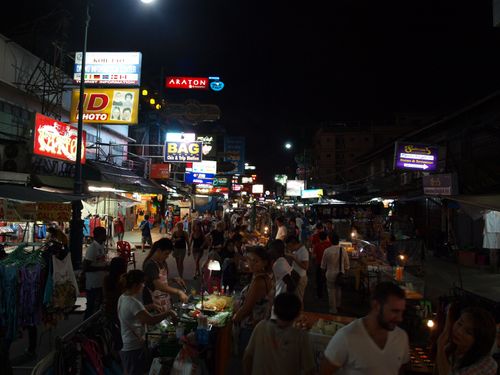
Khao San Road
Attractions
Bangkok’s backpacker carnival: curbside bars, live bands and DJs from 3pm–2am (midnight Sun). Street eats are cheap — pad thai 70–100 THB, mango sticky rice 60–100 THB. Come for wild people-watching; duck into Rambuttri for a calmer beer.
Chao Phraya Princess Cruise Office
Services
ICONSIAM Pier 2/4 ticket desk for Bangkok’s popular dinner cruise. Open 9am–8pm for bookings and boarding passes. Expect live band, a big Thai‑international buffet, and night views of Wat Arun and the Grand Palace. Prices often 1,200–1,900 THB.
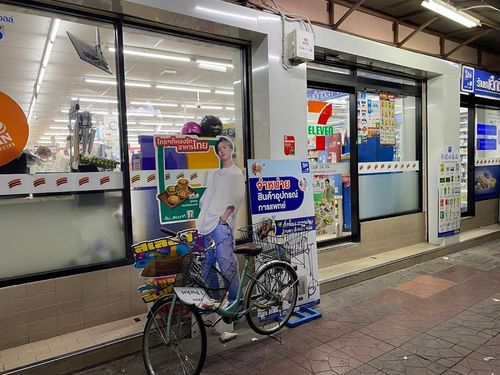
7-Eleven
Shops
Khao San’s 24/7 reset button: ice‑cold A/C, ham‑cheese toasties, All Café iced lattes, water for 7–14 THB, and late‑night supplies from snacks to sunscreen—right by Rikka Inn.
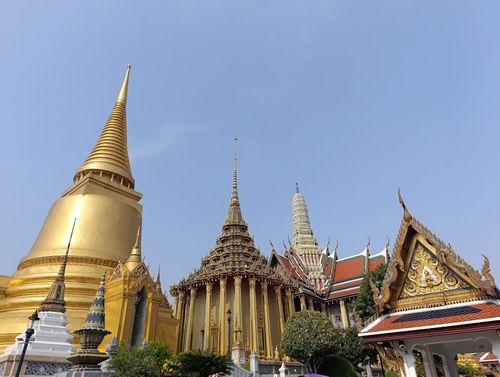
The Grand Palace
Attractions
Bangkok’s royal showpiece a short hop from Khao San: glittering Wat Phra Kaew, Ramakien murals, and gold-on-gold rooftops. Go 8:30am to dodge the heat, dress modestly, and boat to Tha Chang for the prettiest arrival.
Yaowarat Chinatown Heritage Center
Attractions
Inside Wat Traimit by Chinatown Gate, this tidy museum charts Yaowarat’s Chinese roots with bilingual displays, period photos and short films. Open Tue–Sun 8:30am–4:30pm; closed Mon. Pair it with the Golden Buddha upstairs.
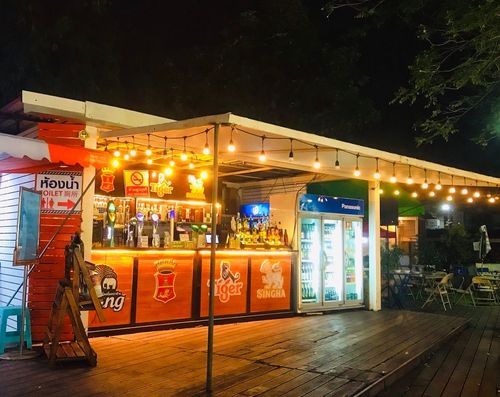
Chiang Mai Night Bazaar
Markets
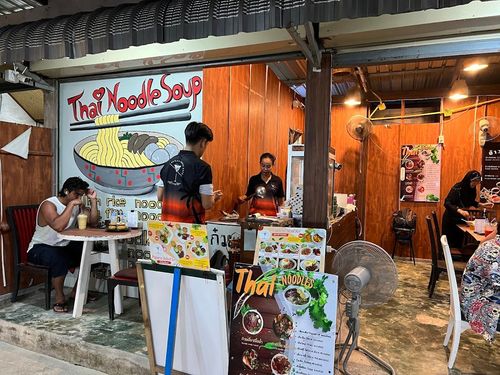
Railay Beach Cafe
Restaurants
Beachfront tacos and sundowners on Railay West. Nab a front table for golden‑hour views; order the tacos, som tam with crispy seafood, icy fruit shakes, and happy‑hour margaritas. Casual crowd straight off the long‑tails; stay for sunset.