
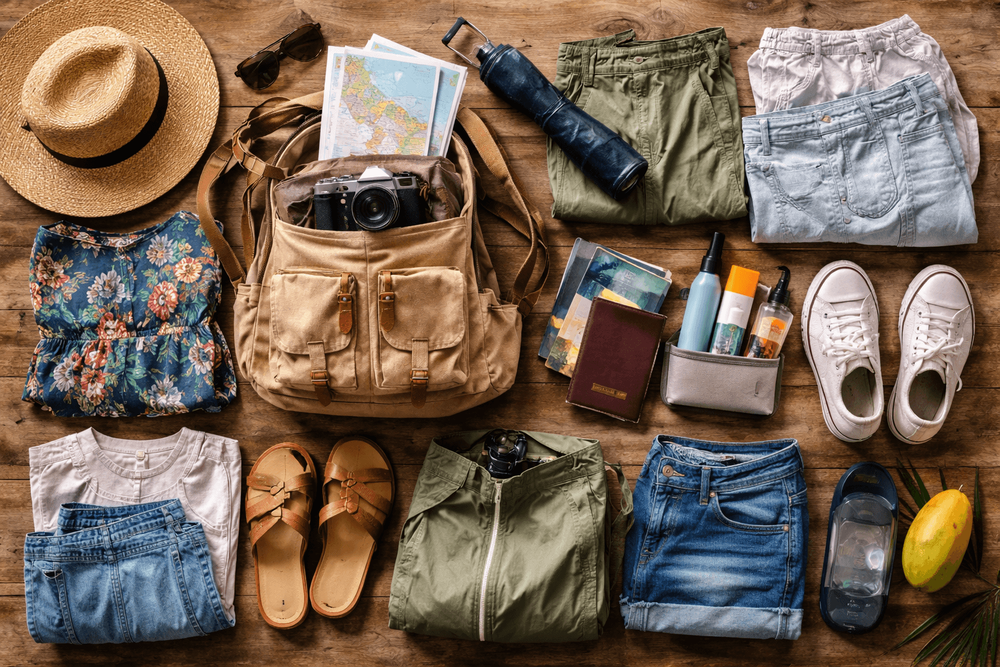
Thailand Packing List by Month: What to Bring for Hot, Cool, and Rainy Season
Month-by-month Thailand packing guide: what to wear and bring for hot, cool, and rainy seasons — plus regional tips, essentials, and how to pack light.
We step out of the blast-chill of 7-Eleven and into Bangkok’s soup-thick air, the sky threatening a 10-minute monsoon. Do we reach for the poncho or the sunnies? That’s the puzzle of a Thailand packing list by month — same latitude, wildly different moods. We’ve lived this city from Thanon Ram Buttri Night Market to Phra Athit Road, and we’ll pack you right whether you’re temple-hopping, island-hopping, or just hopping between pad thai stalls and rooftop bars.
Thailand Packing List by Month
Here’s your month-by-month cheat sheet with seasonal shifts and regional quirks. Thailand runs on three broad moods — hot, rainy, and cool — but the coasts don’t follow the same script.
January
- Vibe: Cool and dry up north and in Bangkok; beach-perfect on both coasts. Nights in Chiang Mai can be crisp.
- Pack: Light layers (a thin sweater or Uniqlo-style hoodie), breathable pants for temples, sandals and sneakers, sun hat, reef-safe sunscreen. If you’re heading to Pai or the Golden Mount at dawn, add a light jacket.
February
- Vibe: Still pleasant; warming up. North starts its “smoky season” late Feb.
- Pack: As per January plus an N95/KN95 mask if you’ll be in Chiang Mai/Chiang Rai. Hydration salts (10–20 baht a sachet) for longer days out.
March
- Vibe: Hot is arriving, smoky north still an issue.
- Pack: Extra quick-dry tees, shorts, airy dresses, deodorant refills. Lightweight umbrella or packable rain jacket for the odd thunderburst.
April
- Vibe: Peak hot season. Songkran water fights mid-month everywhere.
- Pack: Fast-dry clothes, waterproof phone pouch (100–200 baht on Khao San Road), sandals with grip, small dry bag (5–10L). Temple cover-up still required even if you’re dripping.
May
- Vibe: Hot and humid; rains begin on the Andaman (Phuket/Krabi). Bangkok gets dramatic evening storms.
- Pack: Compact umbrella, poncho (30–60 baht at 7-Eleven), quick-dry everything, travel laundry soap. Stick-on mosquito patches for kids.
June
- Vibe: Rainy season building on the Andaman side; Gulf (Samui/Phangan/Tao) more settled.
- Pack: Light rain jacket, dry bag for boat rides and khlong crossings, non-slip sandals, spare socks in a ziplock. Power bank for storm delays.
July
- Vibe: Proper monsoon in much of the country; showers are short but heavy.
- Pack: Umbrella + poncho combo, microfiber towel, pack cover, silica packets to keep electronics dry. A spare T-shirt for when a tuk-tuk splashes you on Phra Athit.
August
- Vibe: Similar to July; lush landscapes, cheaper rooms.
- Pack: Everything wet-friendly. Flip-flops for guesthouse showers, quick-dry towel, extra insect repellent (DEET 20–30% or picaridin).
September
- Vibe: Wettest month for many regions; travel still perfectly doable if you roll with it.
- Pack: Serious rain kit. Waterproof pouch for passport, dry sack for daypack, cap to keep rain off your face. Temple pants that won’t cling.
October
- Vibe: Transition month. Andaman still rainy early; Gulf starts its wet season late.
- Pack: Versatile layers, both coast options. If you’ll hit both sides, carry one good rain layer and swap to umbrella on drier days.
November
- Vibe: Clear, cooling. Loy Krathong/Yi Peng lantern festivals up north.
- Pack: Light long sleeves for evenings, insect repellent for riverside events, nicer outfit for festival photos. Bring a shawl for temple evenings.
December
- Vibe: Peak cool and dry in most places. Absolute beach magic.
- Pack: Long-sleeve shirt or thin sweater for dawn boat rides and rooftop bars, closed-toe shoes for scooter days, reef-safe sunscreen.
Regional quick hits
- North (Chiang Mai/Pai): Cool nights Dec–Jan; smoky Feb–Apr. Pack a light jacket and possibly a mask.
- Central (Bangkok/Ayutthaya): Hot nearly year-round, big rain May–Oct. Pack breathable clothes, umbrella, and temple-ready layers.
- Isaan (Udon/Khon Kaen): Dry heat late winter; strong rains May–Sep. Sun hat and electrolyte tabs are your best friends.
- Andaman Coast (Phuket/Krabi/Trang): Wet May–Oct; prime Nov–Apr. Serious wet-season rain gear if visiting in green season.
- Gulf Coast (Samui/Phangan/Tao): Best Mar–Sep; wettest roughly Oct–Dec. Shoulder a compact rain jacket in November.
For a deeper, season-first overview, we cross-check with our go-to notes here: Thailand Packing List by Season: Dry, Hot, and Rainy Weather Essentials.
Clothing and Footwear for What You’ll Actually Do
We’ve schlepped bags down Khao San, slipped off shoes at temple steps, and sprinted for the Chao Phraya Express with a storm breaking over Rattanakosin. Here’s how we pack for real days out.
Temples and cultural sites
- What to wear: Knees and shoulders covered for both men and women. Think breathable linen pants, light maxi skirts, or quick-dry travel trousers; a loose cotton tee or button-up. A light scarf or sarong (100–200 baht from markets along Soi Rambuttri) doubles as a cover-up.
- Shoes: Slip-on sneakers or sandals you can pop off quickly. Temple floors can be scorching at noon.
- Extras: Socks for hot tiles, small tote for your shoes, respectful demeanor — sawadee and a smile travel far.
City days (Bangkok heat management)
- Tops: Moisture-wicking tees or airy cotton. Dark colors hide the inevitable sweat maps.
- Bottoms: Quick-dry shorts or skirts; a pair of long pants for evening markets or A/C-heavy malls.
- Footwear: Cushioned sneakers for concrete miles from Phra Athit to Chinatown; sandals for canal-hopping days.
- Layer: Thin overshirt for freezing BTS/MRT and cinemas.
Beaches and islands
- Swimwear: Two sets so one is always dry. Rash guard if you burn easily or snorkel a lot.
- Cover-ups: Sarong or loose shirt for 7-Eleven runs and modesty near temples.
- Footwear: Grippy sandals for slick piers, flip-flops for sand. Water shoes if you’ll scramble over coral.
- Extras: Reef-safe sunscreen (SPF 30+), sun hat, dry bag for long-tail boat spray.
Outdoor and adventure
- North jungle treks: Light long sleeves and pants; leech socks in rainy months; small first-aid kit.
- National parks: Headlamp, bug repellent, quick-dry towel, and a packable rain layer.
- Scooters: Closed-toe shoes, sunglasses, lightweight jacket for wind and surprise rain.
If you’re packing a men’s capsule and want specifics down to fabrics and counts, we riff on it here: Thailand Packing List for Male Travelers: Lightweight Clothing and Travel Essentials.
Practical Essentials Travelers Forget
- Rain protection: A pocket umbrella plus a poncho is our monsoon power combo. Ponchos are 30–60 baht at 7-Eleven; sturdier ones run 100–200 baht in markets.
- Sun protection: Reef-safe sunscreen can be pricier here (300–600 baht), so bring your favorite. Sunglasses with polarization help on water.
- Insect repellent: DEET 20–30% or picaridin works. Local sprays run 80–150 baht. After-bite balm is magic on island nights.
- Power and adapters: Thailand runs 220V/50Hz. Outlets often accept Type A (flat) and Type C (round) plugs; carry a universal adapter. Pack a 10,000–20,000 mAh power bank for day trips.
- Lightweight day gear: 15–20L daypack with rain cover; packing cubes; ziplocks for electronics; a tiny microfiber towel; refillable water bottle. Electrolyte sachets are cheap and lifesaving.
- Health kit: Basic meds (painkiller, antihistamine, anti-diarrheal), motion-sickness tablets for ferries, and any prescriptions. If you’ll be up north Feb–Apr, an N95 mask makes a real difference.
- Connectivity: Local SIM or eSIM is easy — expect 200–400 baht for a week or two of data. Grab keeps you moving when the tuk-tuk quote smells like a farang premium.
Packing for Different Trip Styles and Durations
Backpacking Thailand
We aim for one carry-on backpack (40L-ish) and a small daypack. Three tops, two bottoms, one long-sleeve layer, one dress (or extra shorts), swimwear, sandals + sneakers. Laundry is everywhere — 40–80 baht per kilo; overnight in tourist zones.
- Pro move: A dry bag doubles as a laundry sack and boat-bag. Clip-on travel clothesline on the guesthouse balcony. We get granular in our full checklist here: Backpacker Packing List for Thailand.
Family travel
- Kids: UV shirts, wide-brim hats, and stick-on mozzie patches. Collapsible stroller for malls and BTS, but baby carriers are better on islands.
- Shared kit: Large dry bag for beach toys and damp clothes; electrolyte packs; lightweight rain covers for strollers in monsoon months.
Business trips
- The heat does not care about your blazer. Go breathable: wrinkle-resistant shirts, unlined jacket, and loafers you can slip off at temples between meetings.
- Keep AC shock at bay with a thin cardigan. Laundry/pressing is fast in Bangkok; pack fewer items and press on arrival.
Short city breaks
- Two outfits per day if you run hot; Bangkok rewards fresh clothes.
- Temple-ready outfit; one nicer set for rooftop bars on Sukhumvit or a riverside dinner.
- Compact umbrella, deodorant refresh, and a small tote for market hauls.
First-timers, we’ve laid out a simple, no-regrets loadout here: Thailand Packing List for First-Time Backpackers: What to Bring and What to Leave Behind.
What to Leave Behind (and How to Pack Light)
- Heavy jeans: They’re sweat sponges. One lightweight pair max, or swap for quick-dry trousers.
- Bulky hiking boots: Unless you’re doing serious trekking, trail runners or sturdy sneakers are plenty.
- Loads of makeup and hair tools: Humidity says no. Tinted sunscreen, lip balm, and a small comb win.
- Full-size toiletries: Every 7-Eleven has what you need — even travel-size everything.
- Excess “just-in-case” outfits: Laundry is cheaper than overpacking.
Light-pack strategy we swear by:
- Color-match a mini capsule: 3 tops x 2 bottoms x 1 layer = a week of combos.
- Wear the heaviest items on the plane. Stuff socks and chargers into your sneakers.
- Use packing cubes and a compression bag for dirty laundry; keep clean items aired out.
- Split rain kit: Umbrella in daypack, poncho in pocket. You’ll thank yourself when clouds crack over Democracy Monument.
Month-by-Month Packing Tweaks for Popular Routes
Bangkok + Chiang Mai in December
- Add: Thin sweater for cool mornings, long pants for night markets, socks for temple floors.
- Footwear: Sneakers for city walking; sandals for midday heat.
- Bonus: A nicer top for Loy Krathong photos by the river.
Phuket/Krabi in July
- Add: Serious rain plan — poncho, umbrella, dry bag, and a spare tee in a ziplock.
- Footwear: Non-slip sandals for wet piers and long-tail boats.
- Bonus: E-reader or card deck for stormy afternoons. Prices dip this month; more sanuk with fewer crowds.
Koh Samui/Koh Phangan in March
- Add: Extra sun gear, light rash guard, reef-safe sunscreen.
- Footwear: Flip-flops + water shoes if you’re snorkeling near shallow reef.
- Bonus: Lightweight sarong for temple visits around Fisherman’s Village.
Isaan road trip in May
- Add: Wide-brim hat, electrolyte salts, super-breathable shirts.
- Footwear: Sneakers for ruins and countryside rambles.
- Bonus: Cash for small towns; ATMs thin out between cities.
Chiang Mai/Pai in late February
- Add: N95 mask, lubricating eye drops, and a light jacket for cooler nights.
- Footwear: Sneakers for canyon hikes; sandals for café days.
- Bonus: Consider flexible plans — some days are better spent in A/C cafés along Nimman.
Know Before You Pack
- Respectful dress gets you everywhere. Temples won’t budge on knee/shoulder coverage — loaner wraps are a hassle. Pack your own.
- Rain is part of the charm. Storms thump in fast, like bass from a Khao San bar, then clear to glistening streets. Keep rain gear handy and carry on.
- Scams exist, but sanuk wins. If a tuk-tuk ride sounds too cheap, there’s a gem shop at the end of it. Grab or metered taxis are your baseline.
- Shopping is your safety net. Forgot something? We grab sarongs and sun hats from Banglamphu markets, and tech bits from MBK or CentralWorld.
- Cash vs. card: Cards work in malls and big hotels; street food and boats are cash-first. ATMs are everywhere in Bangkok; some islands are spottier.
We’ll leave you with this: pack like the weather will change twice before lunch and once after. Tuck a poncho in your pocket, keep a scarf for temples, and leave room for the unexpected — like a detour down a quiet soi where the wok sizzles at midnight and the mango sticky rice is still warm. See you on the Chao Phraya Express when the clouds crack and the city smells like rain.
Related Hotels & Places
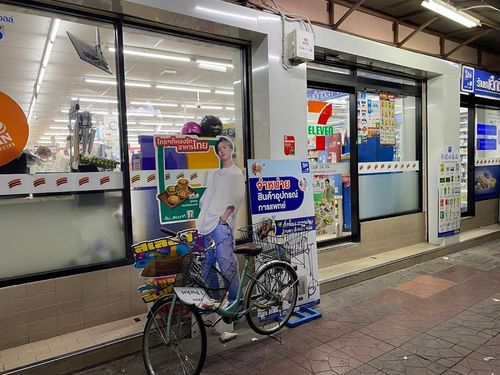
7-Eleven
Shops
Khao San’s 24/7 reset button: ice‑cold A/C, ham‑cheese toasties, All Café iced lattes, water for 7–14 THB, and late‑night supplies from snacks to sunscreen—right by Rikka Inn.
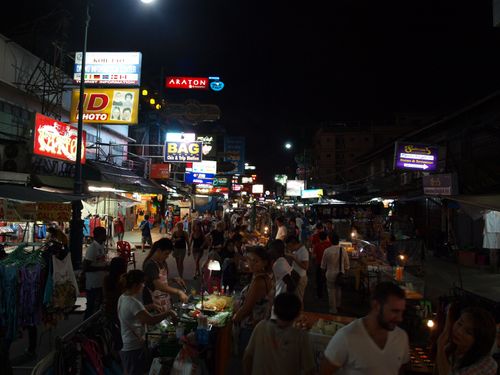
Khao San Road
Attractions
Bangkok’s backpacker carnival: curbside bars, live bands and DJs from 3pm–2am (midnight Sun). Street eats are cheap — pad thai 70–100 THB, mango sticky rice 60–100 THB. Come for wild people-watching; duck into Rambuttri for a calmer beer.
Thanon Ram Buttri Night Market
Markets
Laid‑back Rambuttri after dark: sizzling street food (50–80 THB), cold beers (80–120 THB), neon cocktail vans, live acoustic bars, and stalls of travel gear and hippie pants — a calmer pregame spot a minute from Khao San, best from sunset till late.
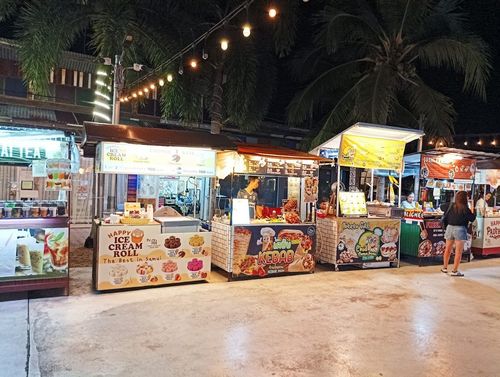
Fisherman's Village Night Market
Markets
More Khao San Road Guides
- Thailand Packing List by Season: Dry, Hot, and Rainy Weather Essentials
- What to Pack for Thailand by Season: Hot, Rainy, and Cool-Weather Essentials
- Backpacker Packing List for Thailand’s Hot Season: Cooling Gear, Sweat-Proof Clothing, and Heat-Safe Essentials
- What to Pack for Thailand in the Dry Season: Lightweight Gear for Hot Weather and Dusty Days