Best Street Food Markets Near Khao San Road for a One-Stop Eat Crawl
From Wang Lang to Nang Loeng, here’s how we eat the best street food markets near Khao San—what to order, when to go, and how to get there like a local.
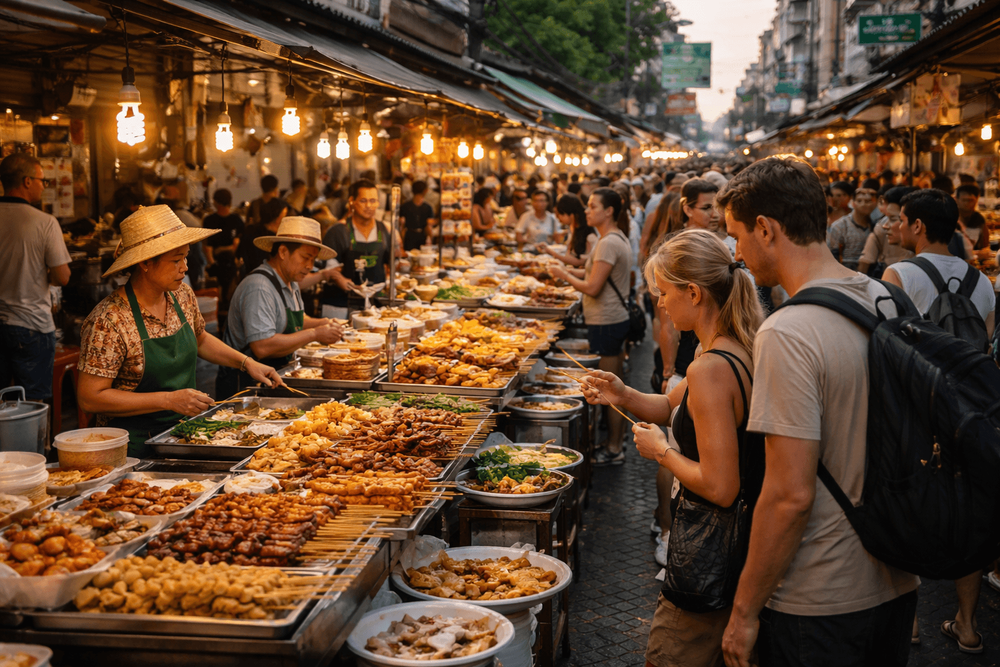
We slip off Soi Rambuttri, past the thump of bass and buckets, and into the soft glow of a cart where pork skewers hiss over charcoal. The air tastes like smoke and palm sugar. A tuk-tuk bleats. Someone says “sawadee krub,” hands us a bag of sticky rice for 10 baht, and suddenly our plans are clear: tonight we’re eating our way through the best street food markets Bangkok can throw at us—no reservations, just sandals, small bills, and a dangerously open mind.
If you want a concentrated hit of Bangkok flavors without zigzagging across the city, the markets near Khao San Road are our favorite kind of chaos. They’re compact, lively, and stacked with vendors who’ve been perfecting the same bowl, skewer, or curry for decades. Below, we’ll show you where to graze, what to order, when to go, and how to eat street food like you were born in Banglamphu.
Street Food Markets Bangkok: The Hits Near Khao San
Wang Lang Market (Siriraj Side)
- Vibe: Tight sois, hospital staff on lunch break, students darting between stalls. It’s a daytime market with serious snack stamina.
- When: Roughly 10:00–17:00 daily; liveliest on weekdays lunch. Some stalls close Sundays.
- How to get there: From Phra Arthit Pier (a short stroll from Khao San), hop the cross-river ferry to Wang Lang (3–5 baht). Follow the food.
- What it’s known for: Deep snack bench—moo ping (grilled pork), khao kriab pak mor (steamed rice crepes), fried chicken dusted with MSG sparkle, and boat noodles by the bowl.
- What we order: A skewer or two (10–15 baht each), a small bowl of boat noodles (20–40 baht), and a cup of cha yen (Thai iced tea, 20–30 baht). Pace yourself; this soi snakes on forever.
Nang Loeng Market (Nakhon Sawan Rd.)
- Vibe: Old Bangkok soul in a covered courtyard with wooden shop-houses and dessert stalls that look unchanged since Rama V.
- When: Best 09:00–15:00, Monday–Saturday; many vendors rest Sunday.
- Getting there: 20-minute walk or a short tuk-tuk from Khao San. Tell the driver “talat Nang Loeng.”
- What it’s known for: Heritage recipes—khao gaeng (curry over rice), kanom krok (coconut griddled cakes), and the kind of pork crackling that makes time stop.
- What we order: Duck noodles or beef stew over rice (40–70 baht), followed by longan juice on ice and a crisp-edged kanom krok (20–30 baht a tray).
Tha Prachan Market (by Thammasat University)
- Vibe: University canteen energy—fast, cheap, and cheerful. Vendors shuttle plastic plates like they’re running relay.
- When: Weekday lunches are prime, roughly 10:00–16:00. Quieter on weekends.
- Getting there: Walk from Khao San toward Sanam Luang; the market hugs the river near Thammasat and the Tha Prachan pier.
- What it’s known for: Som tam (papaya salad), fried chicken with sticky rice, and curries scooped from battered pots.
- What we order: Som tam Thai (40–60 baht), gai tod (fried chicken, 20–30 baht per piece), and a cup of nam manao (lime juice) when the heat smacks us in the face.
Thewet Market (Wet Market + Quick Bites)
- Vibe: Dawn patrol. Fish glisten on ice; herbs pile into wild, fragrant heaps; monks collect alms along the khlong.
- When: Early morning, roughly 05:00–12:00.
- Getting there: Boat to Thewet Pier or a short taxi from Khao San. Perfect for breakfast before temple-hopping.
- What it’s known for: Fresh produce and simple bowls—rice porridge (jok), soy milk, dough sticks (patongo) dunked into sweetness.
- What we order: Jok with minced pork and egg (30–50 baht), hot soy milk (10–20 baht), and a paper bag of patongo (10–15 baht).
Yaowarat (Chinatown) Night Stalls
- Vibe: Neon, queues, blowtorches, clatter. Not “near” Khao San on foot, but a short river-boat and MRT hop away and absolutely worth a night.
- When: Most action 18:00–24:00, nightly.
- Getting there: Chao Phraya Express Boat to Ratchawong Pier or MRT Blue Line to Wat Mangkon.
- What it’s known for: Grilled seafood, guay jub (peppery rolled noodle soup), legendary mango sticky rice, and pomegranate juice that stains your soul crimson.
- What we order: Guay jub moo (50–80 baht), oyster omelette (80–150 baht), and a bag of chestnuts roasting in sesame oil.
If you want to branch even farther afield once you’ve conquered Banglamphu, we’ve mapped out more options in our guide to the Best Bangkok Street Food Markets Beyond Khao San Road: Where to Eat Like a Local.
Must-Try Thai Street Foods You’ll Actually Find Here
Street food markets Bangkok style are built for grazing. Think four or five bites across different vendors and you’re golden.
- Boat noodles (kuay tiao reua): Dark, herby broth cut with a lick of pig’s blood for body. Order sen lek (thin rice noodles) or sen mee (vermicelli). Small bowls are 20–40 baht—stack two or three.
- Som tam + friends: Som tam Thai (peanuts, dried shrimp), som tam Laos (funkier, more pla ra fermented fish sauce), and the riotously good combo with gai yang (grilled chicken) and sticky rice. 40–80 baht.
- Moo ping + khao niao: Sweet-salty pork skewers and warm sticky rice. Breakfast of champions or midnight snack. 10–15 baht per skewer; 10 baht for rice.
- Kanom krok: Coconut-rice cakes, crisp at the edges, soft at the center. Sometimes studded with sweetcorn or spring onion. 20–30 baht per tray.
- Guay jub: Rolled rice noodles in a peppery broth with pork belly and offal if you’re brave. 50–80 baht.
- Fried chicken (gai tod) + sticky rice: Crunch that echoes down the soi. 20–30 baht a piece.
- Hoy tod: Oyster or mussel omelette—crispy, slippery, glorious. 80–150 baht.
- Khao gaeng: “Curry over rice,” the ultimate choose-your-own lunch. Point, smile, and let auntie heap your plate. 40–70 baht for two curries + rice.
- Desserts: Mango sticky rice (60–120 baht depending on season), tub tim grob (rubies in coconut milk, 30–50 baht), or a wedge of durian when you’re feeling brave and your room has a balcony.
- Drinks: Cha yen (Thai iced tea, 20–35 baht), nam manao (limeade), iced chrysanthemum, longan juice, and fresh pomegranate in Chinatown.
Want a primer on the kinds of carts you’ll encounter—skewers, soup pots, wok-fry stands? Our breakdown of Bangkok Street Food by Food Stall Type: Cart Classics, Skewers, Soups, and Grab-and-Go Meals will have you ordering like a regular.
Best Times to Visit, Prices, and Rookie-Smart Tips
- Timing is everything: Day markets like Wang Lang and Nang Loeng peak 11:00–14:00 on weekdays. Thewet is best before noon. Yaowarat shines after 18:00. If you hate queues, roll in at opening or near closing—fewer options, but calmer vibes.
- What it costs: Most single dishes run 30–80 baht; grilled seafood and specialty plates can hit 120–200 baht. Drinks hover around 15–40 baht. Cash rules—carry small bills and coins.
- Heat strategy: Shade is rare, tables rarer. We scout a seat first, then take turns ordering. If you overheat, the blast of AC at 7-Eleven is legal tender.
- Spice control: Say “phet nit noi” for a little spicy, “mai phet” for not spicy. If you love heat, “phet mak” does the trick. Jalapeño bravado dies here—Thai chilies don’t play.
- Menus and photos: Pointing is fine. Many stalls have photo menus; some don’t. Smile, wai lightly, and you’ll get more help than you expect.
- Lines are intel: Ten locals in line beats any online review. If you can’t decode the queue, watch the choreography—order, pay, step aside, wait for your number or a nod.
- Sanam Luang backup plan: If Banglamphu stalls feel thin (occasional crackdowns happen), we pivot to Tha Prachan or hop the ferry to Wang Lang. Markets adapt; so should we.
For a wider look at night options citywide, see our Bangkok Street Food Night Market Guide: Best Stalls, Hours, and What to Order.
Getting There from Khao San: Boats, Feet, and a Tuk-Tuk When You’re Done
- By river boat: From Phra Arthit Pier, the Chao Phraya Express Boat is your best friend. Northbound to Thewet, southbound to Ratchawong (for Chinatown), and a quick cross-river hop to Wang Lang. Fares are 15–30 baht depending on distance; the cross-river ferry is 3–5 baht.
- On foot: Tha Prachan and Sanam Luang areas are an easy walk. Keep the Grand Palace walls on your left, the river on your right, and follow your nose.
- Tuk-tuks: Great for short hops (60–120 baht around Old City). Agree on the fare first. If they pitch a “gem shop,” smile and decline. You’re here for noodles, not sapphires.
- Buses and MRT: Old City buses rumble through Banglamphu, but for Chinatown the slick move is boat to Ratchawong, then walk, or just MRT to Wat Mangkon if you’re farther afield later.
If you’re curious about produce-forward markets beyond the nighttime scene, we break down wet and fresh markets (and what to eat in them) here: Bangkok Street Food at Local Markets: Best Fresh and Wet Markets for Affordable Eats.
Hygiene, Ordering, and Etiquette: Eat Brave, Not Reckless
- Follow the turnover: Busy stalls mean fresh pots. If it’s been simmering all day and there’s a queue, that’s a feature, not a bug.
- Watch the water: Ice is generally safe from reputable vendors. If your gut is delicate, skip raw veg garnish and opt for cooked dishes early on.
- Hand hygiene: A small sanitizer bottle is a Bangkok superpower. Tissues too—stalls rarely provide napkins.
- Condiment wisdom: The four-friends caddy—fish sauce, chili flakes, vinegar chilies, and sugar—exists to balance your bowl. Taste first, season second, then chase with a sip of iced tea.
- Returnables: Bowls and plates are community property. Bus them back to the cart when you’re done; you’ll earn appreciative nods and faster refills next time.
- Ordering Thai 101:
- “Khor … krap/ka” (I’d like …)
- “Mai sai pak chee” (no coriander) if you must; we won’t judge. Much.
- “Mai ao toong” (no bag) if you’re eating right there—less plastic, more sanuk.
Where to Base Yourself for Maximum Snack Radius
If you want to roll out of bed and be eating in five minutes, the cluster of guesthouses around Soi Rambuttri and Phra Athit is unbeatable. We usually grab a simple room within earshot of Phra Arthit Pier so the morning boat to Thewet or the ferry to Wang Lang is a literal stroll. If you prefer quiet nights and poolside afternoons, look for riverside stays along Phra Athit Road; the breeze off the Chao Phraya makes that first sundowner hit harder.
Because options churn and deals come and go, we keep it flexible—two nights near Khao San for Wang Lang/Nang Loeng runs, then a night closer to Chinatown if we’re planning a heavy Yaowarat session. Either way, stash a small tote in your room; you’ll want a place to park tomorrow’s snacks.
A Sample Eat Crawl from Khao San (Half-Day)
- 10:00 – Coffee and jok at Thewet. Wake up soft.
- 11:30 – Ferry to Wang Lang. Moo ping, boat noodles, kanom krok, and a sticky rice chaser. Grab longan juice for the walk.
- 14:00 – Tuk-tuk to Nang Loeng for heritage sweets and a curry-over-rice finale.
- 16:00 – Siesta and cold shower. You earned it.
- 19:00 – MRT/boat to Yaowarat. Guay jub, oyster omelette, grilled squid, mango sticky rice, and a pomegranate juice you’ll dream about on the flight home.
Weekend with more time? Trade Yaowarat for a floating-market morning—Taling Chan or Khlong Lat Mayom—then come back to Banglamphu for a papaya-salad nightcap. Our Bangkok Floating Market Food Guide: What to Eat, When to Go, and Which Markets Are Worth It has the skinny.
Know Before You Go
- Cash: ATMs cluster around Khao San; pull a 500 and break it into small notes at 7-Eleven with water and wet wipes. Some stalls accept QR (PromptPay), but don’t bank on it.
- Dress code: Markets are casual; temples are not. If you’re pairing lunch with the Grand Palace or Wat Pho, cover shoulders and knees.
- Weather: Rain hits hard and fast. A fold-up poncho and sandals that don’t panic in puddles will save your day.
- Safety: Markets are safe, but crowded. Keep your phone deep and your bag zipped. The only thing you should lose is track of how many skewers you’ve had.
We’ll save you a seat under the rattling fan by the wok. Meet us at Phra Arthit Pier around eleven—we’ll ride the river, chase the smoke, and eat until the city goes soft around the edges.
Related Hotels & Places
Khao San Road
Attractions
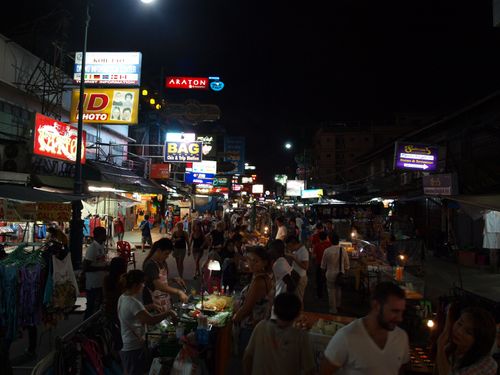
Bangkok’s backpacker carnival: curbside bars, live bands and DJs from 3pm–2am (midnight Sun). Street eats are cheap — pad thai 70–100 THB, mango sticky rice 60–100 THB. Come for wild people-watching; duck into Rambuttri for a calmer beer.
Sanam Luang
Attractions
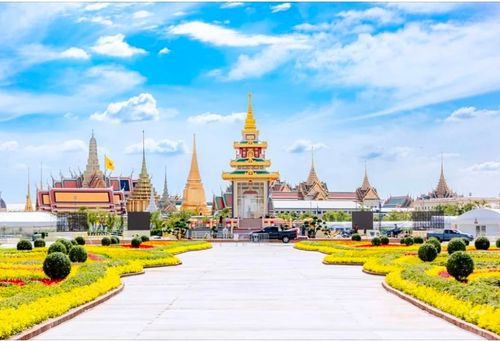
Bangkok’s royal lawn facing the Grand Palace. Free to wander, ringed by tamarind trees, popular for kite flying (Feb–Apr) and lazy green‑space hangs. A 10‑minute walk from Khao San; come early for soft light and street snacks along Na Phra That Rd.
River Bar - Ayutthaya
Bars
Rambuttri
Markets
Khao San’s calmer cousin: a tree‑shaded lane of VW van cocktail bars, open‑air foot massages, pad thai grills, and easygoing live bands. Best from sunset to 11pm; beers 80–120 THB, cocktails 150–220 THB. One block from the chaos, all the charm.
More Khao San Road Guides
- Best Bangkok Street Food Markets Near Khao San Road for a One-Night Eat Crawl
- Best Bangkok Street Food Streets Near Khao San Road: Where to Go When You Want Real Local Dishes
- Best Street Food Markets Near Khao San Road: Where to Go for the Biggest Variety
- Best Bangkok Night Market Food Stalls to Try from Khao San Road