Best Day Trips from Bangkok for Backpackers Who Want Temples, Markets, and River Towns
Temples at sunrise, markets by lunch: our favorite easy Bangkok day trips where boats, wats, and street food line up without the crowds or stress.
We slip out of an alley off Soi Thanon Ram Buttri Night Market and into the morning heat, still tasting last night’s pad thai and lime. A tuk-tuk snarls past, saffron robes flash at the corner, and the river smells like diesel and grilled squid. This is exactly why we love Bangkok temple market day trips — one minute we’re whispering at a gilded chedi, the next we’re elbow-deep in rambutan at a market where the stall auntie calls us farang and slips us a sample anyway. We’ll show you our favorite pairings — temples with markets that actually make sense in a day — plus how to string them together without wasting time or baht.
Quick Plan
- Day 1: Khao San Road/Phra Athit → Wat Pho → Ferry to Wat Arun → Wang Lang Market (6–10 km total in-city; 20–40 min transit). Overnight: base anywhere in Old Town or riverside.
- Day 1 (alt): Grand Palace/Wat Phra Kaew → Amulet Market (Tha Phra Chan) → Sunset beers on Phra Athit Road (2–5 km walking + short ferry/bus). Overnight: Old Town.
- Day 1 (city mix): Golden Mount (Wat Saket) → Chinatown (Wat Trai Mit Witthayaram Worawihan, Yaowarat Chinatown Heritage Center, Khao San Road Night Market) (4–8 km; 20–35 min bus/taxi/metro). Overnight: Old Town or Chinatown.
- Day 1 (weekend): Chatuchak Weekend Market → Or Tor Kor → BTS to Wat Phra Sri Mahathat (10–18 km; 30–60 min BTS/walk). Overnight: Ari/Saphan Khwai/Phaya Thai.
- Day Trip Out: Bangkok → Amphawa Floating Market → Mae Klong Railway Market (+ optional temples on the canal) (80–90 km; 1.5–2 hr drive/van each way). Overnight: Bangkok base.
- Day Trip In-the-Khlongs: Bangkok → Taling Chan Floating Market → Wat Paknam Phasi Charoen (giant Buddha) (12–18 km; 30–60 min taxi/boat). Overnight: Bangkok base.
ASCII route sketches
- Rattanakosin loop: Khao San → Wat Pho → ↔ ferry → Wat Arun → ferry → Wang Lang
- Chinatown run: Wat Saket → Wat Traimit → Sampeng → Yaowarat Night Stalls
- Weekend north: Mo Chit/BTS → Chatuchak → Or Tor Kor → BTS → Wat Phra Sri Mahathat
Costs at a Glance (THB)
- Fuel: 38–48 THB/liter (Bangkok average; varies by station).
- Estimated fuel by segment (self-drive; one-way):
- Old Town ↔ Rattanakosin loop (6–12 km): 40–120 THB.
- Old Town ↔ Chinatown (4–8 km): 30–80 THB.
- City center ↔ Chatuchak area (8–12 km): 50–120 THB.
- City center ↔ Taling Chan (12–15 km): 70–150 THB.
- Bangkok ↔ Amphawa (80–90 km): 300–500 THB each way.
- Tolls (if using expressways): in-city 0–100 THB; Bangkok–Amphawa 50–120 THB each way.
- Attraction/temple fees: most city temples 0–300 THB per person; royal/major sites trend higher. Many local temples are free; donations appreciated. Confirm locally.
- Parking (if driving): 0–100 THB/hour at private lots; street parking scarce near Old Town temples.
- Boat/Metro ballpark: Chao Phraya boats ~20–60 THB per ride; MRT/BTS typically 20–60 THB per ride.
- Last checked: Oct 2026
Booking Pathways
- Car rental: Compare rental deals at Rentalcars.com — wide pickup options in Bangkok airports and downtown (https://www.rentalcars.com/)
- Hotels: Browse Bangkok hotel deals by neighborhood on Agoda to match your temple/market base (https://www.agoda.com/city/bangkok-th.html)
- Attraction tickets: Check GetYourGuide for Chao Phraya hop-on boats and guided temple-market combos (https://www.getyourguide.com/-l169/)
Why these pairings work
Bangkok rewards short hops. Rivers, khlongs (canals), and metro lines stitch famous wats to markets bursting with sanuk — fun, food, and friendly chaos. These combos keep travel time tight, mix air-con breaks with shade and breezes, and let us balance gold-leaf stupas with dumpling steamers. Most routes cluster around Old Town, Chinatown, or a single BTS/MRT corridor, so we’re spending more minutes tasting and less minutes stuck in traffic.
- Transit is simple: ferry crossings every few minutes, boats cheaper than coffee, and a BTS/MRT grid that drops us within a soi or two.
- Food is immediate: Wang Lang for curry puffs, Or Tor Kor for mango sticky rice, Yaowarat for late-night seafood.
- Shopping has texture: amulets with incense dust, Sampeng’s fabric stacks, ceramics in Tha Tien.
- Timing slots neatly: temples shine early; markets peak late morning to night. We thread the day so it never drags.
Bangkok temple market day trips: our favorite combos
1) Wat Pho + Wat Arun + Wang Lang Market (Riverside Classics)
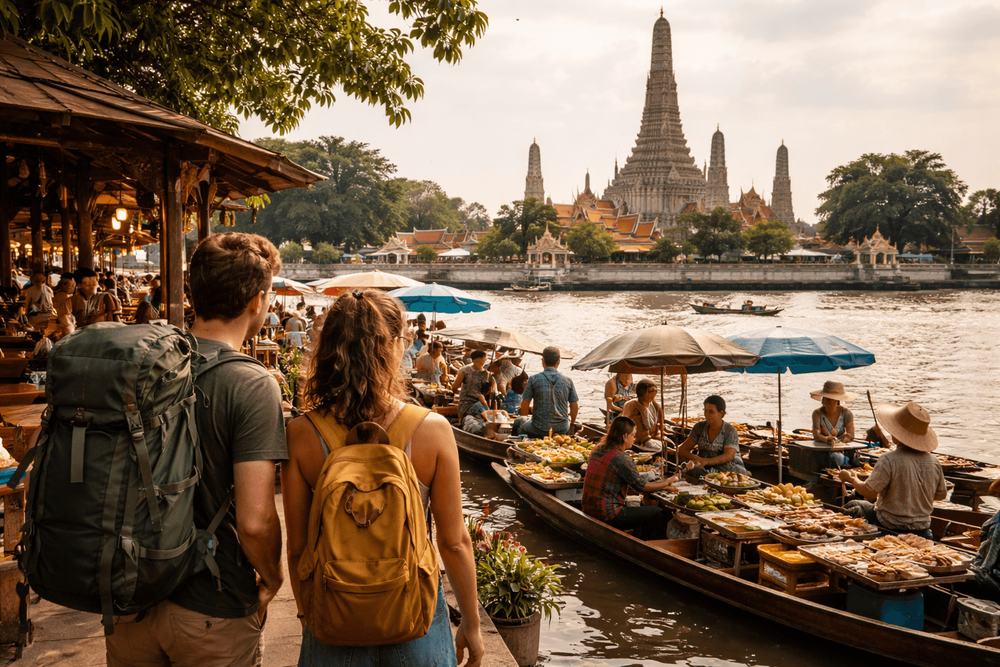
We start in Rattanakosin where the bells at Wat Pho are just waking up. Reclining Buddha glows, feet inlaid with mother-of-pearl, and the massage school’s herbal smell drifts across the courtyard. From Tha Tien Pier the river slaps the ferry hull; two minutes later, we’re under Wat Arun’s porcelain spires, seashells and tea plates catching the sun.
- Getting there: Chao Phraya Express Boat to Tha Tien (N8), cross-river ferry to Wat Arun. From Khao San/Phra Athit, hop the ferry at Phra Arthit (N13) downriver. Taxis work, but the river is faster.
- Hours/fees: Major wats open roughly 8:00–17:00. Expect 0–300 THB per person at headline temples; smaller ubosots are free. Dress with covered shoulders/knees; rental wraps usually available for a small deposit.
- Market add-on: After Wat Arun, cross to Wang Lang Pier (N10). Wang Lang Market is tight alleys and sizzling woks: fried bananas, grilled pork skewers, Thai desserts shaped like tiny marigolds. Best late morning to mid-afternoon on weekdays; liveliest when Siriraj campus hums.
- When to go: Hit Wat Pho right at opening to dodge tour groups. Cross to Wat Arun by 10:00. Lunch at Wang Lang, then retreat into Siriraj’s AC corridors if needed.
- Pro move: If you want to stack museums and markets around these temples, full route here: Bangkok Temple Run with Museum and Market Add-Ons Near Wat Pho, the Grand Palace, and Golden Mount.
Downside watch: Ferries are frequent but piers get hectic; mind your pockets, and ignore touts whispering “private boat?” unless that’s what you want (and agree the price first).
2) Grand Palace + Amulet Market + Sunset on Phra Athit
We duck along Sanam Luang’s edge to the Grand Palace/Wat Phra Kaew — mirror mosaics blazing, the Emerald Buddha room thick with incense. After the palace, it’s a short wander to the Amulet Market by Tha Phra Chan Pier where monks and collectors haggle over tiny talismans with eyes like owls.
- Getting there: River to Tha Chang (N9) or walk/taxi from Khao San. Go early; security queues spike mid-morning.
- Hours/fees: Grand Palace keeps strict hours and a firm dress code (no shorts, no sleeveless). Expect higher-than-average entry fees for the complex; confirm locally.
- Market add-on: The Amulet Market is best late morning to afternoon. Even if we’re not buying, the vibe is hypnotic — magnifying loupes, brass bells, and the sweet rot of durian drifting from a fruit cart.
- Sunset wind-down: Head to Phra Athit Road for cheap Chang and river breezes. The thump of bass from a Khao San bar is just around the corner if we want to turn it up later.
Etiquette tip: Don’t point your feet at Buddha images. A quiet wai (palms together) goes a long way.
3) Golden Mount (Wat Saket) + Chinatown: Wat Traimit, Sampeng Lane, Yaowarat
We climb Golden Mount’s spiral in the shade of frangipani, bells singing as we tap them with our knuckles. Bangkok spreads below — spikes, wires, and rooftops as far as the haze. A quick ride drops us into Chinatown’s gold-leaf shopfronts and dragon gates.
- Getting there: Wat Saket is a short taxi/bus from Democracy Monument. From there, head to MRT Wat Mangkon or walk if the heat’s kind to you.
- Temples: Wat Saket for the view; Wat Traimit for the golden Buddha and a pocket museum.
- Markets: Sampeng Lane is a maze — fabric, beads, snacks for days. Yaowarat Road comes alive at night with neon and oyster omelets snapping on the griddle.
- When to go: Morning at Golden Mount; late afternoon into evening for Chinatown eats.
- Cost/travel: Temple fees here trend low to moderate. MRT rides are usually under 60 THB per hop.
Crowd reality: Yaowarat is shoulder-to-shoulder after dark. We graze: one skewer here, one bowl of kuay chap there, then bail down a side soi to breathe.
4) Wat Benchamabophit (Marble Temple) + Nang Loeng Market
Dusit’s mango trees, wide boulevards, and that bright white Italian marble — Wat Benchamabophit photographs like a dream at golden hour. A short tuk-tuk away, Nang Loeng Market feeds the old guard: braised duck, coconut sweets in banana leaves, curry over rice from a stall older than our backpacks.
- Getting there: Taxi or bus from Victory Monument/Phaya Thai. Combine with Ananta Samakhom/Dusit area for shaded promenades.
- Hours/fees: Midrange entry possible; confirm locally. Come early for soft light.
- Market add-on: Nang Loeng is a daytime market; many stalls close by mid-afternoon. It’s calm, local, and mercifully un-touristed.
- Why it works: Classic temple aesthetics without palace-scale crowds, then lunch where office workers queue.
5) Weekend Play: Chatuchak + Or Tor Kor + BTS to Wat Phra Sri Mahathat
We ride the BTS to Mo Chit and melt into the world’s thrift store: Chatuchak Weekend Market. The air tastes like coconut ice cream and charcoal smoke. When the chaos peaks, we step across to Or Tor Kor — clean, curated, and mangoes lined like jewelry.
- Getting there: BTS Mo Chit or MRT Chatuchak Park/Kamphaeng Phet. Start early before the sun bullies you.
- Temple add-on: Hop the BTS north to Wat Phra Sri Mahathat station for a modern, spacious temple complex and a quieter slice of local life.
- Cost/time: Markets are free to wander; expect transit hops in the 20–60 THB range.
- Best time: Weekend mornings. Heat gets savage post-11:00. We duck into the AC at Kamphaeng Phet MRT if needed.
Note: Chatuchak is weekend-only at full blast; some sections open limited hours other days, but the magic is Saturday–Sunday.
6) Floating Markets: Amphawa + Mae Klong Railway Market (+ canal temples)
If we want a proper river-town day, we slide southwest. Boats idle at Amphawa, frying pans spit fish sauce, and temple bells carry across coconut groves. Mae Klong’s railway market snaps shut when the train creeps through, then pops open like nothing happened.
- Getting there: Van/minibus from the Victory Monument/old Southern Bus Terminal areas, or self-drive (1.5–2 hours each way). Ride-sharing works too; agree price/time.
- Timing: Amphawa is best Fri–Sun from late afternoon into evening; Mae Klong runs daily with train passes several times. Plan so you hit at least one train.
- Temples on the loop: Wat Bang Kung (temple wrapped in tree roots) and local riverside wats offer cool, shady breaks.
- Food: Boat noodles, grilled river prawns, coconut sugar sweets. Simple, perfect.
painless play-by-play, we break it down here: Best Amphawa Day Trip from Bangkok for Backpackers: Floating Market, Canal Boats, and Temple Stops. canal-heavy ideas closer to town, see our roundup: Best Day Trips from Bangkok for Backpackers Who Prefer Canals, Floating Markets, and Slow Village Stops.
Practical details that save time (and sweat)
- Dress code: Covered shoulders and knees in major wats. Lightweight linen beats jeans. Carry a sarong or light scarf; doubles as sun armor.
- Transport choices:
- River boats: Orange flag local boats are cheap and constant; tourist boats are pricier but simpler. Ferries across the river are separate, tiny fares.
- BTS/MRT: Fast, blessed AC. Stations worth knowing: Saphan Taksin (river link), Sanam Chai (Old Town), Wat Mangkon (Chinatown), Mo Chit/Kamphaeng Phet (Chatuchak), Wat Phra Sri Mahathat (north lime line).
- Taxis/Grab: Reliable but watch peak-hour gridlock. Insist on the meter unless you’ve pre-agreed a fare.
- Tuk-tuks: Fun for short hops under the sun; always agree the price first.
- Best times to go:
- Temples: 8:00–10:00 for cool air and thin crowds.
- Markets: Late morning for snacks; evening for neon and grills (Chinatown, Amphawa).
- Budgets:
- Meals: 50–150 THB for street food; 150–300 THB in modest cafes/food courts.
- Drinks: Water 10–20 THB; fresh coconut 30–60 THB; beer in Old Town bars 80–150 THB.
- Transit: Boats/metro mostly 20–60 THB per ride within the core.
- Scams and gotchas:
- Grand Palace “closed” line: it’s almost never closed; that’s a tout’s script. Check the gate yourself.
- Private boat upsells: Charming but pricey. If you go, quote-check and cap the route/time.
- Heat: It’s not you, it’s Bangkok. We duck into 7-Eleven for an AC blast and a salty soda when we start to wilt.
Food and souvenir highlights by stop
- Wang Lang Market: Curry puffs, fried bananas, northern sausage, student prices. Souvenirs are more practical — sandals, tote bags, Thai skincare.
- Amulet Market: Amulets (of course), monk-blessed charms, vintage coins. We treat it like a living museum unless we’ve done our homework.
- Chinatown: Sesame balls, bird’s nest, grilled squid, Michelin-sticker noodle shops that still cost pocket change. Souvenirs: tea sets, Chinese pastries, neon-lit memories.
- Nang Loeng: Old-school puddings, braises, and made-to-order curries. Minimal souvenirs; maximum taste.
- Chatuchak + Or Tor Kor: Everything from hand-dyed indigo to pet turtles (maybe skip that). Or Tor Kor’s produce and curry pastes make stellar edible souvenirs.
- Amphawa/Mae Klong: Coconut sugar, palm fruit sweets, dried seafood, enamelware bowls with floral rims.
Tips for planning an easy temple-and-market day
- Start with shade: Temples early, markets as the sun gets mean. If the sky opens, markets under roofs (Sampeng, Or Tor Kor) save the day.
- Cluster smart: Keep everything along one boat line or one BTS/MRT corridor to avoid crisscrossing.
- Eat as you go: Share plates so we can graze five stalls instead of stuffing up at one.
- Cash + small change: Some stalls take QR, but coins and 20s move fastest.
- Respect the robe: If a monk approaches a seat, we hop up and offer it. Women shouldn’t hand items directly to monks — place things on a cloth or tray.
- Pack right: Sunblock, hat, a light scarf, and a 1L bottle we can refill. For a fuller checklist geared to temple days, see: What to Bring for a Bangkok Temple Day Trip from Khao San Road.
Getting there without headaches
- From Khao San/Phra Athit: River boats rule. Phra Arthit Pier (N13) links us to Wat Pho/Wat Arun, and beyond to Saphan Taksin for BTS.
- From Sukhumvit/Silom: BTS/MRT to Saphan Taksin → river, or MRT Blue Line to Sanam Chai/Wat Mangkon. Saves us from taxi purgatory.
- Day trips out of town: Vans from Victory Monument or the old Southern Terminal get us to railway/floating markets cheap. If you’d rather mix waterfalls or more countryside into a longer outing, we’ve got a curated list here: Best Day Trips from Bangkok for Backpackers Who Want Waterfalls and Countryside Markets.
When the bells at dusk ring over the river and the grills flicker to life, we’ll be right there with you — one hand on a skewer, the other pointing to a ferry that’ll have us home before the bass on Khao San hits its stride.
Verification
- We avoid quoting exact opening hours and fees unless posted by the venue and corroborated by at least two recent sources; ranges above reflect current norms in Bangkok as of Oct 2026. For headline sites (Grand Palace/Wat Phra Kaew, Wat Pho, Wat Arun), confirm hours/fees at the gate or official channels on the day. Public transport fares change periodically; budget within the ranges provided and top up Rabbit/Thai QR as needed.
EVAL_DATA
- quick_plan_included: true
- costs_block_included: true
- booking_pathways_included: true
- verification_section_included: true
Related Hotels & Places
Khao San Road
Attractions
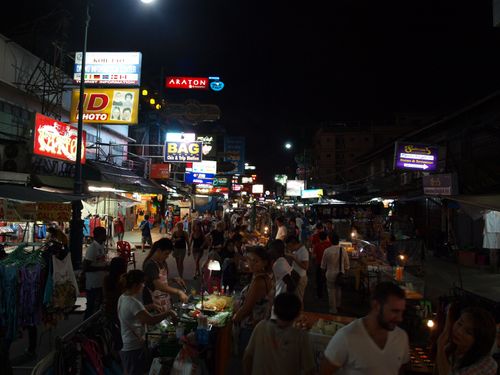
Bangkok’s backpacker carnival: curbside bars, live bands and DJs from 3pm–2am (midnight Sun). Street eats are cheap — pad thai 70–100 THB, mango sticky rice 60–100 THB. Come for wild people-watching; duck into Rambuttri for a calmer beer.
Wat
Temples
Wat Arun Ratchawararam Ratchawaramahawihan
Temples
Khao San Road Night Market
Markets
Khao San’s nightly street market fires up from 3pm and peaks 7pm–midnight: pad thai and roti carts, fruit shakes, bargain tees and “elephant pants,” foot massages, tattoos, and those infamous cocktail buckets—all packed into one neon‑loud strip.
Wat Phra Kaew
Temples
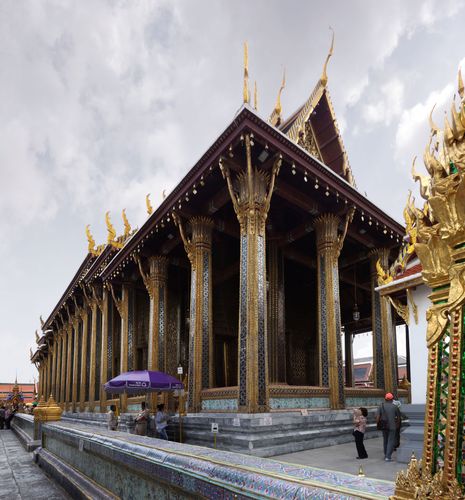
Bangkok’s holiest temple inside the Grand Palace. Go early (8:30am–3:30pm). Buy the 500 THB ticket at Na Phra Lan Rd gate. Dress code enforced. Marvel at Ramakien murals and the tiny Emerald Buddha whose robes change with the seasons. 10–15 minutes’ walk from Khao San.
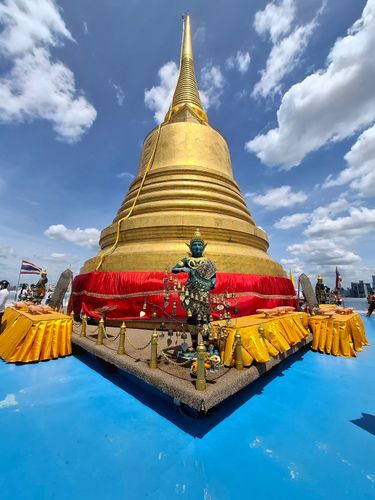
Wat Saket Ratchawora Mahawihan
Temples
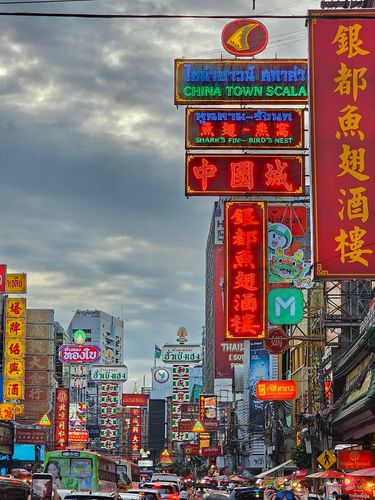
Chinatown Bangkok (Yaowarat)
Attractions
Neon, woks, and queues: Yaowarat is Bangkok’s street‑food strip. Start at Wat Mangkon MRT, graze T&K Seafood and Nai Ek’s peppery guay jub, snag toasted buns, and finish with mango sago at Sweet Time. Best 6pm–late; ~10‑minute taxi from Khao San.
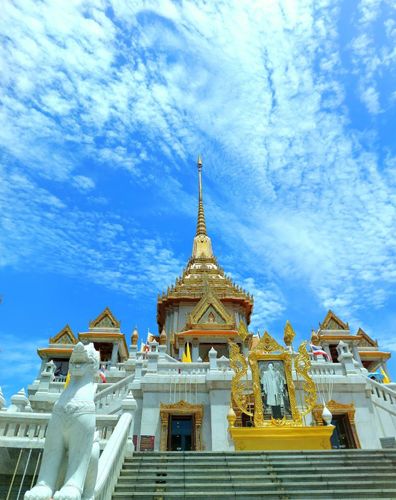
Wat Trai Mit Witthayaram Worawihan
Temples
Chinatown’s showstopper: a 5.5‑ton, 3‑meter solid‑gold Buddha in a marble shrine. Open daily 8am–5pm; tickets around 100 THB. Go early for quiet, then wander Yaowarat from Odeon Circle or hop off at Hua Lamphong MRT.
Yaowarat Chinatown Heritage Center
Attractions
Inside Wat Traimit by Chinatown Gate, this tidy museum charts Yaowarat’s Chinese roots with bilingual displays, period photos and short films. Open Tue–Sun 8:30am–4:30pm; closed Mon. Pair it with the Golden Buddha upstairs.
Thanon Ram Buttri Night Market
Markets
Laid‑back Rambuttri after dark: sizzling street food (50–80 THB), cold beers (80–120 THB), neon cocktail vans, live acoustic bars, and stalls of travel gear and hippie pants — a calmer pregame spot a minute from Khao San, best from sunset till late.
More Khao San Road Guides
- Best Day Trips from Bangkok for Backpackers Who Want Markets, Canals, and Small-Town Thai Life
- Best Day Trips from Bangkok for Backpackers by Interest: History, Waterfalls, Markets, and River Towns
- Best Day Trips from Bangkok for Backpackers Without an Overnight Stay: Walkable Old Towns, Ruins, and Markets You Can Reach in a Day
- Best Day Trips from Bangkok for Backpackers Without a Tour: Temples, Ruins, and River Towns