
Best Cheap Day Trips from Bangkok by Train for Backpackers
Skip tours and ride the rails: our favorite cheap, backpacker-friendly Bangkok train day trips with routes, prices, and what to do at each stop.
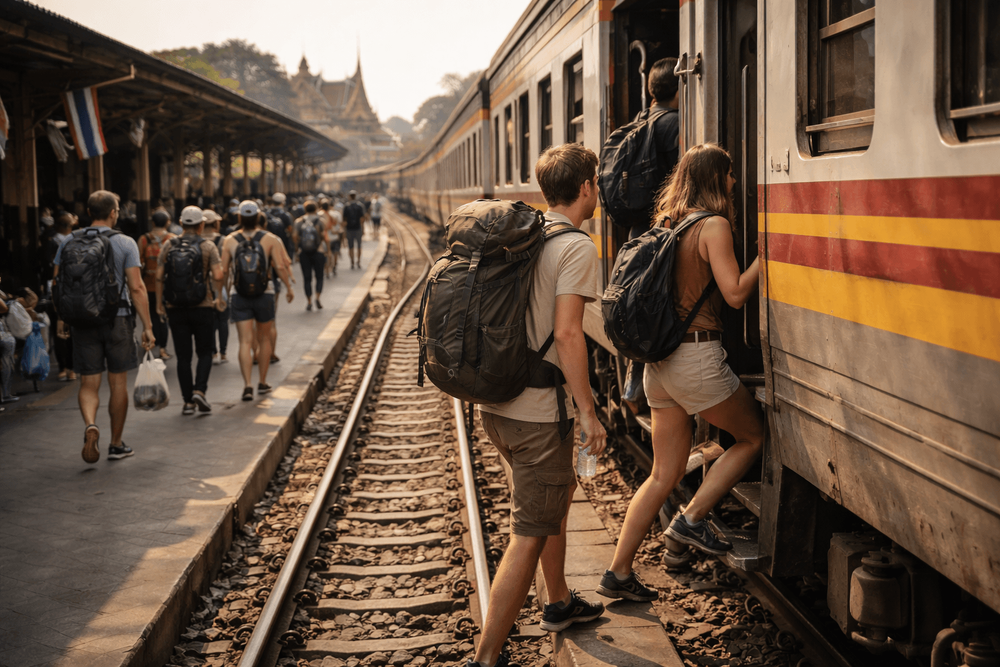
We step out of Baan Manee BKK with a bag of sticky rice and grilled pork skewers, the morning already humming. Tuk-tuks purr past, a monk pads by in saffron, and the blast of AC from 7-Eleven tempts us inside. Not today. Today is for bangkok train day trips—the clack of wheels, the rattle of third-class fans, and the joy of watching Bangkok dissolve into rice fields one station at a time.
Best Bangkok Train Day Trips: Where We Actually Go
These are the rail runs we keep repeating—cheap, cheerful, and full of sanuk.
1) Ayutthaya: Ruins, River Breezes, and Boat Noodles
- Getting there: Northern Line commuter/ordinary trains run frequently in the morning. Expect 1.5–2 hours depending on the train. Third-class fares are cheap—think small bills and coins (20–50 baht range). Departures are from the main Bangkok terminals (most long-distance services now use Krung Thep Aphiwat; some commuter runs may still use Hua Lamphong—ask at the counter or check the SRT app). From Ayutthaya station, hop a 5‑baht ferry across the river to the island old town.
- What to do: Rent a bicycle right off the Ayutthaya Boat and Travel (50–100 baht) and make a lazy loop: Wat Mahathat’s Buddha head in tree roots, Wat Ratchaburana’s prang for skyline views, and Wat Chaiwatthanaram for late-afternoon light on the Chao Phraya. Slurp boat noodles along U-Thong Road, then cool down with nam keng sai (shaved ice) from a cart.
- Photo tip: The golden hour at Wat Chaiwatthanaram is pure magic—bring water and patience.
Side quest: Bang Pa-In Summer Palace is one stop before/after Ayutthaya depending on your direction. If you’re into gilded gazebos and manicured lakes, you can hop off for an hour, then catch the next ordinary train.
2) Lopburi: Monkey Mayhem and Old Town Charm
- Getting there: Same Northern Line as Ayutthaya, just farther—about 2.5–3 hours from Bangkok on ordinary trains. Third-class fares stay friendly (under 100 baht). Lopburi station drops you right in the old town.
- What to do: The macaques rule around Phra Prang Sam Yot and San Phra Kan. Keep your sunnies and snacks locked down—these farang-savvy thieves have fast hands. Duck into the Old Town shophouses for khao krieb wow (crispy rice crackers), then wander the ruins stitched into daily life.
- Seasonal note: Sunflower fields bloom around Nov–Jan in the surrounding province; you’ll need a songthaew or motorbike taxi if you want to chase them.
3) Kanchanaburi: Bridge, Museums, and River Shade
- Getting there: Western Line from Thonburi (Bangkok Noi) station, behind Siriraj Hospital across the river. Ordinary trains trundle out morning and mid-day; the ride takes roughly 2.5–3 hours. Third-class fares hover around small-notes territory (20–100 baht depending on how far you go). On weekends, look for special tourist trains that continue to Nam Tok.
- What to do: Visit the Bridge on the River Kwai, the Thailand–Burma Railway Centre, and the war cemeteries for context. Then grab a riverside lunch—grilled river prawns if you’re splurging, khao moo daeng (BBQ pork rice) if you’re counting baht. If you’ve got time, continue to the teakwood Wang Pho viaduct stretch for dramatic river bends.
- Insider note: Erawan Falls is too ambitious for a pure train day unless you nail an early departure and quick songthaew transfers. For a chill day, stick to Kanchanaburi town and the bridge loop.
4) Nakhon Pathom: Giant Chedi, Night Market Feasts
- Getting there: Southern Line ordinary trains from Thonburi or the main terminals. It’s close—roughly 1–1.5 hours. Third-class tickets are coin-purse cheap. The station is walkable to Phra Pathom Chedi, one of the tallest stupas in the world.
- What to do: Circle the chedi clockwise with locals offering incense, then graze the market: kanom jeen curry noodles, grilled pla pao (salt-crusted fish), and coconut ice cream served in a cup that sweats faster than we do. As dusk hits, neon food stalls light up the square.
- Easy win: Short ride, big payoff. Great first train outing if you’re nervous about timing.
5) Mahachai + Mae Klong Railway Market: Two Trains, One Ferry, Zero Boredom
- Getting there: Start at Wongwian Yai station (not the BTS platform—walk 5–10 minutes to the little SRT terminus). Ride the commuter line about an hour to Mahachai (Samut Sakhon). Wander the seafood market, then take the short river ferry to Ban Laem and catch the branch line to Mae Klong (Samut Songkhram)—about another hour. Each leg costs pocket change; budget 30–50 baht per segment.
- What to do: Mae Klong’s “umbrella” market folds back as the train inches through—vendors tug awnings, tourists gasp, durian scent hangs thick. Grab miang kham (leaf-wrapped bites) or a cold sugarcane juice and watch the dance. If it’s a weekend, hop a quick songthaew to Amphawa Floating Market for grilled squid on skewers.
- Timing tip: The market train passes several times a day, generally in daylight hours. Confirm the next arrival at the station board—Thai rail sanuk includes schedule wiggles.
6) Chachoengsao (Paet Riu): Temples and a Sleepy River Town
- Getting there: Eastern Line commuter trains head out in the morning; ride is about 1–1.5 hours. Third-class fares can be startlingly low. Stations to ask for include Chachoengsao Junction; conductors will nudge you when it’s time if you ask nicely.
- What to do: Walk or tuk-tuk to Wat Sothon Wararam, then the old market lanes along the Bang Pakong River for Chinese-Thai snacks and herbal drinks. On weekends, detour to Khlong Suan 100‑Year Market (a short ride away) for old-school sweets and sepia photo vibes.
- Why we love it: It feels like a slow exhale after Bangkok’s thump, with enough food to keep us happy all afternoon.
7) Ratchaburi: Dragon Jars and River Murals
- Getting there: Southern Line from Thonburi or the main terminals. Plan on about 2–2.5 hours on an ordinary train. Third-class fares remain very backpacker-friendly.
- What to do: The town’s famous for “dragon jar” ceramics—look for workshops where you can watch artisans paint the coils by hand. Stroll the Mae Klong River promenade for murals and coffee. If you’re feeling ambitious, hire a quick motorbike taxi to Khao Ngu Stone Park for jagged karst and a lake that mirrors the sky.
- Snack plan: Gub glam (beer snacks without the beer)—fried fishcakes and crispy pork from market stalls near the station.
8) Suphan Buri (for Rail Nerds): A Rare Branch and Rice-Field Views
- Getting there: There’s a sleepy branch line from Bangkok that doesn’t run often. If you catch it, it’s a slow, photogenic roll through paddies and small towns. If you miss the return, buses and minivans back to Bangkok are frequent and cheap.
- What to do: Visit the city pillar shrine, hunt down hearty bowls of guay jab (peppery rolled rice noodles), and wander a provincial town few farang ever see.
- Reality check: Check schedules meticulously; this one’s about the journey more than the destination.
If you prefer to mix rail with buses and boats, we’ve got more ideas over here: Best Day Trips from Bangkok for Backpackers by Train, Bus, and Ferry. And if you just want more rails-and-ruins inspo, see our train-heavy picks: Best Day Trips from Bangkok for Backpackers by Train: Easy, Cheap Escapes Without a Long Transfer.
Train Travel Basics from Bangkok (Read This Before You Go)
Bangkok has a few rail heads, and knowing which one you need saves sweaty detours.
- Krung Thep Aphiwat Central Terminal (Bang Sue Grand Station): Bangkok’s main long-distance hub now. Northern and Northeastern lines to Ayutthaya/Lopburi and beyond typically start here. Big, modern, plenty of signage.
- Hua Lamphong (Bangkok Railway Station): The grand old dame. Some commuter/ordinary services may still use it, but many moved to Bang Sue. If you’re in Chinatown, it’s an easy walk.
- Thonburi (Bangkok Noi): Small riverside station for the Southern Line commuter trains—your gateway to Kanchanaburi, Nakhon Pathom, Ratchaburi. Cross the river near Siriraj Hospital.
- Wongwian Yai: Tiny terminus for the Mahachai (Samut Sakhon) commuter line. Do not confuse it with the BTS platform of the same name—ask for the SRT station.
Tickets and classes
- Ordinary/Commuter (3rd class): Wooden or padded benches, windows wide open, fans creaking overhead. No seat reservations; buy on the day. Prices are gloriously low—often 10–60 baht for nearby trips.
- Rapid/Express (2nd/3rd class): Fewer stops, assigned seats in 2nd class, sometimes AC. Cost more but still budget-friendly.
- Weekend specials: Tourist trains run on some weekends to Kanchanaburi/Nam Tok and seasonal destinations. They sell fast—ask at the station a few days ahead.
Departure times and durations
- Morning trains around 6:00–9:00 are your sweet spot for day trips; you’ll beat the heat at your destination.
- Typical durations: Ayutthaya 1.5–2h; Lopburi 2.5–3h; Nakhon Pathom 1–1.5h; Kanchanaburi ~3h; Mahachai ~1h (plus the ferry and second train to Mae Klong ~1h more); Chachoengsao ~1–1.5h.
Budgeting
- Expect to spend 50–200 baht total on train tickets for most of these day trips, plus local transport (tuk-tuks 40–150 baht short hops, songthaews even cheaper) and food (50–100 baht per plate at markets). You can do a full day under 500–700 baht without trying too hard.
What to Do When You Land: Our Go-To Moves
- Eat first, temple later: A quick bowl of boat noodles near Ayutthaya station or skewers at Mahachai powers the day. Hunger plus heat equals cranky.
- Walk the back sois: In Lopburi and Chachoengsao, slip off the main drag. That’s where grandma still steams khanom tuay in blue-and-white cups.
- Ride the river: In Ayutthaya, sunset long-tail boats circle the island. In Kanchanaburi, cross the bridge, then follow the riverfront footpaths for shade and photos.
- Market-hop with restraint: We know, the sweet rot of durian calls. Maybe start with mango sticky rice, then escalate.
- Document the details: The patina on a Lopburi shophouse door, the reflection of Phra Pathom Chedi in a puddle after a noon squall—that’s the good stuff.
For even more budget-friendly ideas you can mix with trains, have a browse: Best Budget Day Trips from Bangkok by Train or Bus for Backpackers.
Tips for Smooth, Cheap, and Comfortable Train Days
- Start early and commit: Be at the station 20–30 minutes before departure to buy tickets without stress. If you miss one, another ordinary train usually isn’t far behind.
- Sit in the breeze: On 3rd class, choose a window that opens. The fan’s squeak plus rice-field wind is better than any AC.
- Hydrate like a local: Carry a refillable bottle. Trains and stations sell water cheaply (10–20 baht). The blast of cold air when you duck into a station 7‑Eleven will save your soul.
- Dress temple-smart: Shoulders and knees covered for major wats (Ayutthaya, Wat Sothon). A light sarong in your daypack weighs nothing.
- Sunscreen and cash: Some small stations don’t do cards. Keep change for station toilets (3–5 baht) and ferries.
- Mind your stuff: Trains are safe but bustling. Keep your bag in sight, especially on the Mahachai–Mae Klong run where you hop on/off.
- Watch the last train: Snap a photo of the return timetable when you arrive. If you blow it, there’s almost always a bus or minivan back to Bangkok—just ask.
- Skip the tuk-tuk touts: Walk a block off the station and fares get saner. Know a ballpark price: short hops 40–80 baht, longer town crosses 100–150.
- Eat what the queue eats: If there’s a line, join it. The wok sizzle, the garlic blast—worth the wait.
Which Train Day Trip Fits You?
- First-timers: Nakhon Pathom or Ayutthaya. Short rides, easy navigation, big wow factor.
- Families: Ayutthaya with a bike-and-boat combo, or Kanchanaburi’s bridge plus museum loop. Plenty of snacks and shade.
- Tight budgets: Mahachai–Mae Klong combo or Chachoengsao. Multiple markets, tiny fares, maximum people-watching.
- Culture seekers: Lopburi’s temple-in-the-streets vibe and Chachoengsao’s riverside shrines.
- Train geeks: Suphan Buri branch if you catch it; weekend specials over the Wang Pho viaduct.
- Photographers: Ayutthaya at golden hour, Mae Klong’s umbrella ballet, and Phra Pathom Chedi’s night glow.
Know Before You Go
- Stations move services: Bangkok’s rail network has been shifting from Hua Lamphong to Krung Thep Aphiwat. Ask at the counter which station your train uses the day you travel.
- Weather is a character: April is a sauna; rainy season brings surprise downpours and dramatic skies. We carry a light poncho and laugh when the streets become khlongs.
- Food hygiene: Street food here is generally great. Join the stall with the freshest turnover, and you’re golden.
- Where to crash: If you’re stacking multiple day trips, we like staying near Khao San/Phra Athit for easy river access to Thonburi station, or near MRT/BTS lines for quick hops to Bang Sue and Makkasan. A pool back in town after a day on wooden benches? Chef’s kiss.
Getting There and Back, Fast
- From Khao San/Phra Athit: Flag a metered taxi or Grab to Thonburi station (15–25 minutes without traffic) for Southern Line trips, or to Bang Sue for Northern/Eastern runs. The Chao Phraya Express boat to Wang Lang pier gets you close to Thonburi with a breezy river ride.
- From Sukhumvit: MRT connects you toward Bang Sue; BTS gets you near Wongwian Yai (then walk to the SRT station for Mahachai).
- Buying tickets: Same-day at the counter is fine for ordinary trains. Bring your passport if you end up booking a higher-class reserved seat.
Bangkok by rail is the opposite of a packaged tour: it’s the fan squeak, the rice-field glare, the auntie who presses grilled bananas into your hand and refuses your extra five baht. Pick a line, grab a bench, and let the city loosen its grip. Tomorrow, we’ll meet you on Phra Athit Road for a cold Leo and plot the next set of tracks.
Related Hotels & Places
7-Eleven
Shops
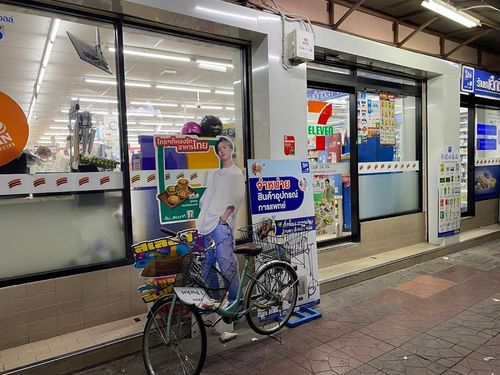
Khao San’s 24/7 reset button: ice‑cold A/C, ham‑cheese toasties, All Café iced lattes, water for 7–14 THB, and late‑night supplies from snacks to sunscreen—right by Rikka Inn.
Baan Manee BKK
Hotels
Riverside boutique stay and café in a restored 118-year-old family home. Quiet Bang Yi Khan vibes, 10–15 mins from Khao San. Come for river views, iced coffee, and a slow afternoon; stay in character-filled rooms steps from Wat Daowaduengsaram.
Ayutthaya Boat and Travel
Services
Wat Mahathat
Temples
Wat Ratchaburana
Attractions
More Khao San Road Guides
- Best Day Trips from Bangkok for Backpackers Who Want Cheap Trains, Local Buses, and Easy Overnights
- Best Day Trips from Bangkok for Backpackers by Train: Easy, Cheap Escapes Without a Long Transfer
- Best Day Trips from Bangkok for Backpackers: Easy Train, Bus, and Boat Escapes
- Best Day Trips from Bangkok for Backpackers by Train, Bus, and Ferry