
Best Boutique Hotels Near Yaowarat (Chinatown) for Couples, Foodies, and Easy MRT Access
Boutique hotels near Yaowarat put you by Bangkok’s best street food, MRT access, and riverside rambles. Here’s how to pick the perfect Chinatown stay.
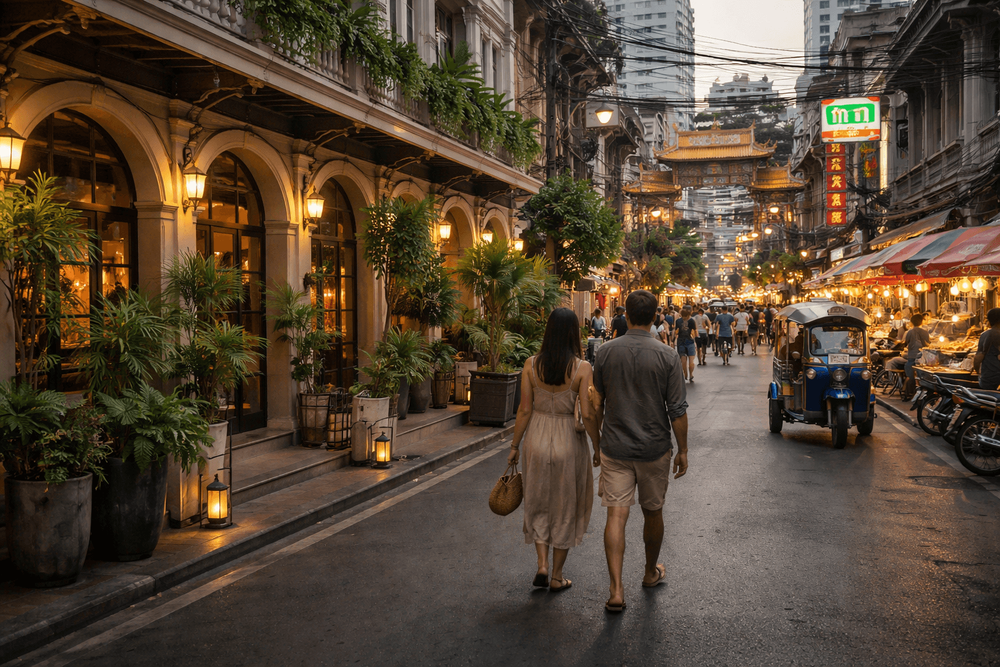
We slip off Yaowarat Road just as the neon flickers on and the woks start to scream. The air tastes like chili and charcoal; a kid in a red apron slaps fish balls into broth; a motorbike leans on its horn and vanishes down a soi. We duck through a brass-handled door, hit by that glorious 7-Eleven-grade AC, and into a restored shophouse lobby where the tiles are vintage, the ceiling fans lazy, and the staff greets us with a soft sawadee. This is why we chase boutique hotels near Yaowarat: style with soul, a bed steps from the best street food in Asia, and the MRT at Wat Mangkon Kamalawat (Wat Leng Noei Yi) to whisk us under the old city when the heat gets bossy.
Why stay in boutique hotels near Yaowarat
Bangkok has a thousand ways to do a night, but nothing hits quite like Chinatown. Booking boutique hotels near Yaowarat puts us in the thump of the action—Wong Amat Beach rattling their shakers, Talat Noi’s peeling paint and street art, and the evening parade of seafood carts along Yaowarat Road itself. We can roll out of bed for steamed buns at dawn, then slide onto the MRT Blue Line at Wat Mangkon or Hua Lamphong. By boat, Ratchawong Pier (N5) connects us to the Chao Phraya Express for lazy rides to Wat Pho, Wat Arun Ratchawararam Ratchawaramahawihan, or Saphan Taksin.
- Food and night markets: Street grills flame nightly, with Monday sometimes quieter. Late-night snacks run to 1–2 a.m. in high season. Expect 50–200 baht per bite and long queues for viral stalls—worth it if you’ve got sanuk in your soul.
- Transit: Wat Mangkon MRT sits under Charoen Krung with lifts and escalators; Hua Lamphong MRT is a 10–15 minute walk from the Odeon Circle side. One or two stops west puts us near the Old Town (Sam Yot/Sanam Chai).
- Landmarks: Wat Traimit (Golden Buddha) shimmers at the Yaowarat gateway; Talat Noi’s alleys hide Taoist shrines, old auto parts shops, and coffee bars. For an area primer, start with our guide to Yaowarat Chinatown Heritage Center.
The boutique stays we seek out around Yaowarat
We won’t spam you with a dozen cookie-cutter names. Instead, here’s how we choose our boutique base by vibe and location—so you can match your mood to the right kind of hideaway. Rates fluctuate with season, festivals, and weekends, but these ranges keep us honest.
1) Riverside shophouse romance (couples)
- The vibe: Timber floors, antique tiles, a narrow balcony over the river breeze. Morning light, evening clinks of ice in your glass.
- Where: Down by Ratchawong Pier or along quiet riverside sois feeding into Charoen Krung.
- Rooms: 20–30 sqm, high ceilings, rain showers, maybe a clawfoot tub if the renovation was indulgent.
- Breakfast: Set menu—eggs the way you like them, fruit, and strong coffee; or a voucher for a cafe next door.
- Nearby: Ratchawong boat to Tha Tien for Wat Pho; stroll to Talat Noi for shrine incense and alleys that smell like old iron and orange peel.
- Watch for: Street noise carries over water. Ask about window glazing and top-floor rooms.
2) Soi Nana cocktail crawl base (night owls)
- The vibe: Industrial-chic—polished concrete, brass lamps, vinyl on the turntable. The mini-fridge has tonic for your gin.
- Where: Off Maitri Chit Road by Soi Nana (Chinatown—don’t mix it up with Sukhumvit’s Nana).
- Rooms: Compact 16–22 sqm but ace use of space; blackout curtains; OTT or smart TV.
- Breakfast: Late start, please. Or ditch it and grab soy milk and youtiao on the street.
- Nearby: Teens of Thailand, Asia Today, TEP BAR - Cultural Bar of Thailand—bars with actual craft and not a rooftop tax. Late-night congee one block over when you’re peckish.
- Watch for: Weekends thump till 1–2 a.m. Light sleepers should request back-facing rooms or higher floors.
3) Wat Mangkon station sprint (MRT mission)
- The vibe: Sleek minimalism—white walls, warm wood, a desk that begs for laptop time.
- Where: Steps from Wat Mangkon MRT, ideal if you’re chasing temples by day and noodles by night.
- Rooms: 18–24 sqm; good task lighting; strong Wi‑Fi; efficient bathrooms.
- Breakfast: Continental or Thai set; sometimes a light buffet when groups are in-house.
- Nearby: Sampeng Lane’s fabric chaos, shrines around Leng Buai Ia, and a short hop to Sam Yot for Old-Bangkok wandering.
- Watch for: Some rooms may be internal with no windows—great for sleep, weird for claustrophobes. Confirm when you book.
4) Designer heritage conversion (IG-forward)
- The vibe: Cinematic staircases, chinoiserie prints, framed movie posters, and a scent of lemongrass as you pass reception.
- Where: Along Yaowarat’s side sois near Phat Sai or Charoen Chai.
- Rooms: 22–28 sqm, statement headboards, curated minibars, poured-over coffee in the lobby.
- Breakfast: A la carte, often with playful Thai twists—kai kata (pan eggs) or moo ping on toast.
- Nearby: Street snacks in every direction; a 10-minute wander to Talat Noi’s riverside nooks.
- Watch for: No lift in some heritage shophouses. If stairs and suitcases don’t mix, ask before you book.
5) Quiet-courtyard hideaway (light sleepers)
- The vibe: Green corners, trickling fountain, the clink of ice and the buzz of cicadas instead of traffic.
- Where: Deeper into the grid—farther from Yaowarat Road, closer to family homes and old workshops.
- Rooms: 18–24 sqm, softer beds, slower mornings.
- Breakfast: Simple Thai porridge or fruit and yogurt; you’ll be eating out anyway.
- Nearby: Wat Pathum Khongkha’s calm, backstreets of Talat Noi.
- Watch for: A 6–10 minute walk to the action. Fair trade for your REM cycles.
6) Family-friendly boutique (small groups)
- The vibe: Interconnecting rooms, a sofa bed that actually works, staff who smile when your toddler chases a lobby cat.
- Where: Edges of Chinatown near Hua Lamphong or on wider sois with van access.
- Rooms: 26–35 sqm, bathtubs in some categories; baby cots on request.
- Breakfast: Buffet on weekends; pancake station keeps the little ones from mutiny.
- Nearby: Train station curios, quick MRT to Sanam Chai for the Museum Siam stop.
- Watch for: Limited parking. If you’re self-driving, confirm a spot.
For even more family-fluent picks in the area, we’ve collected some favorites here: Best Hotels Near Yaowarat (Chinatown) for Families, Groups, and Longer Stays.
7) Work-from-Old-Town studios (digital nomads)
- The vibe: Sunlit windows, a real chair (not a barstool), multiple outlets, and coffee on drip.
- Where: Near Wat Traimit or Hua Lamphong for a faster escape to the rest of the city.
- Rooms: 22–30 sqm with a proper desk; some have small kitchenettes.
- Breakfast: Often voucher-based at the ground-floor cafe—perfect for one more email.
- Nearby: Odeon Circle for a quick photo op; alley coffees that remember your order in two days.
- Watch for: Patchy upload speeds in older buildings. Ask for the floor with the newer router.
8) Rooftop-peek boutique (sunset chasers)
- The vibe: Narrow stairs to a pocket rooftop, fairy lights, and a skyline cameo—maybe the Golden Mount in the distance, maybe a corner of the river.
- Where: Around Yaowarat Gate and Wat Traimit side streets.
- Rooms: 18–24 sqm; top-floor rooms can be warmer—check that AC.
- Breakfast: Light and early; grab a seat under the bougainvillea upstairs.
- Nearby: Walk to Ratchawong Pier for glowy river light.
- Watch for: Not a sky-bar, just a sweet perch. BYO beer from the 7-Eleven downstairs.
9) Pocket-lux shophouses (treat yo’self)
- The vibe: Thread-count upgrade, proper soundproofing, maybe a bathtub with golden fixtures if you’re lucky.
- Where: Prime Yaowarat-side sois and Charoen Krung corners.
- Rooms: 28–40 sqm; premium amenities, firm pillows, robes that don’t feel like napkins.
- Breakfast: A la carte with barista coffee.
- Nearby: Seafood grills on Yaowarat, dessert carts hawking bua loy and mango sticky rice.
- Watch for: Weekend surcharges and festival minimum stays.
10) Budget-boutique gems (under 2,000 baht)
- The vibe: No fluff, great bones—clean lines, cool tiles, and a staff that treats you like a regular.
- Where: A few sois off the main drag, or by Hua Lamphong.
- Rooms: 14–18 sqm, tidy bathrooms, powerful showers.
- Breakfast: Often skipped; grab pork satay or a banana roti on the street for 30–50 baht.
- Nearby: Everything. You’re in Bangkok—follow the fumes to the wok.
- Watch for: No elevators; thin walls; check-in deposits in cash.
If you want our shortlists with door-to-door convenience and street-food proximity, drop into these hand-picked guides:
- Best Hotels Near Yaowarat (Chinatown) for Easy Street Food, MRT Access, and Old-Bangkok Exploring
- Best Hotels Near Yaowarat (Chinatown) for Food Lovers, Night Markets, and Easy MRT Access
What to expect from boutique rooms and service
- Space and layout: In heritage shophouses, 16–24 sqm is normal. Clever storage helps, but if you pace while you talk on the phone, book a “deluxe” or “corner” for elbow room.
- Windows: Some internal rooms trade windows for silence and cool temps. Windowed rooms cost more—and face either a lively soi or a calming courtyard.
- Bathrooms: Expect walk-in showers, solid water pressure, and decent toiletries. Tubs show up mainly in premium categories.
- Amenities: Kettles, good AC (this is Bangkok; you’ll need it), and small fridges. Pools are rare in Chinatown; terraces are the luxury.
- Breakfast: Often a set—eggs, toast, fruit—or a cafe credit. We love a quick jok (rice porridge) from a street stall if the hotel spread is light.
- Service: Family-run warmth is the norm. Staff juggle English, Thai, and the universal language of “two more pillows, please.”
Practical booking tips around Chinatown
- Noise: Yaowarat is a symphony—motorbikes, occasional firecrackers during Chinese New Year and the Vegetarian Festival, clattering deliveries at dawn. If sleep is precious, request courtyard-facing or high-floor rooms and carry earplugs.
- Walkability: Footpaths are a contact sport. Expect to step into the road; watch for tuk-tuks and pushcarts. Pack breathable shoes you don’t mind getting splashed in rainy season.
- Parking: Tight to nonexistent at many boutique spots. If you’re renting a car, call ahead—seriously.
- Accessibility: Some buildings have no lifts. Ask about luggage help and lower floors if steps are an issue.
- Seasons and festivals: Cool and dry (Nov–Feb) is peak perfection and peak pricing. Chinese New Year (Jan/Feb) and the Vegetarian Festival (Sep/Oct) bring fireworks, yellow flags, and full houses. Book early or embrace spontaneity elsewhere.
- Deposits and check-in: Cash deposits (500–1,000 baht) aren’t unusual; passports will be scanned. Early check-in is rare—stash your bag and hit the noodles.
- Safety: Chinatown is busy and broadly safe. Watch your bag in crowds, especially around packed dessert stalls and night markets.
Getting around: MRT, boats, and by foot
- MRT Blue Line: Wat Mangkon drops us under the heart of Chinatown. Hua Lamphong is handy for mainline trains and a short walk to Yaowarat’s eastern end. Two stops to Sam Yot puts us near Old Bangkok’s temples and museums.
- Chao Phraya Express: From Ratchawong Pier (N5), zoom north to Tha Tien for Wat Pho and the cross-river shuttle to Wat Arun, or south to Sathorn to connect to BTS Saphan Taksin.
- Grab and taxis: Grab is easy; taxis are plentiful but can refuse short hops. Smile and wave for the next one.
- Walks: Best in the morning or late evening. Midday heat turns the asphalt into a skillet; duck into a 7-Eleven for an AC blast and a 10-baht water.
Nearby things to do from your boutique base
- Temples and shrines: Wat Traimit’s Golden Buddha gleams at the Chinatown Gate. Wat Mangkon Kamalawat (Leng Noei Yi) thrums with incense coils. Talat Noi’s Hon Wong Kung shrine feels like time travel.
- Food routes:
- Yaowarat seafood strip for grilled prawns and pepper crab.
- Guay jub (rolled rice noodles with crispy pork) on Yaowarat Soi 9—spicy broth that slaps you awake.
- Old-school sweet shops for black sesame dumplings and herbal drinks.
- Bars and late-night: Soi Nana’s craft scene—Teens of Thailand for classic gin, Asia Today for Thai botanicals, Tep Bar for heritage cocktails and live music. Expect 280–380 baht per drink and a friendly farang-to-local mix.
- Markets and alleys: Sampeng Lane for fabric and plastic treasures you didn’t know you needed. Talat Noi for car-part nostalgia and mural hunting by the khlong.
- River breezes: Sunset on the Express Boat to admire the skyline without paying a rooftop tax.
Know before you book a boutique stay in Chinatown
- Rooms with windows cost more; rooms without windows sleep great. Decide what matters.
- Stairs happen. Ask about elevators if you’re hauling a suitcase bigger than your hopes and dreams.
- Check exact location: “Chinatown” listings can drift into Bang Rak or Hua Lamphong. We aim to be within a 5–10 minute stroll of Yaowarat Road or Wat Mangkon.
- Festival nights are magic and madness. If you love crowds, lean in; if not, book just outside the thick of it and walk in.
Where we book—and where we’d point you
When we want specifics—room sizes, rooftop quirks, and which places put you within slurping distance of guay jub—we cross-check our shortlists here:
- Best Hotels Near Yaowarat (Chinatown) for Easy Street Food, MRT Access, and Old-Bangkok Exploring
- Best Hotels Near Yaowarat (Chinatown) for Food Lovers, Night Markets, and Easy MRT Access
- Best Hotels Near Yaowarat (Chinatown) for Families, Groups, and Longer Stays
We’ll keep chasing the perfect mix of crisp sheets, good coffee, and that first bite of charred garlic chive dumpling outside the door. Text us when you’re on Yaowarat tonight—we’ll meet you by the dragon gate at Wat Traimit and see which wok sings loudest.
Related Hotels & Places
Wat Mangkon Kamalawat (Wat Leng Noei Yi)
Temples
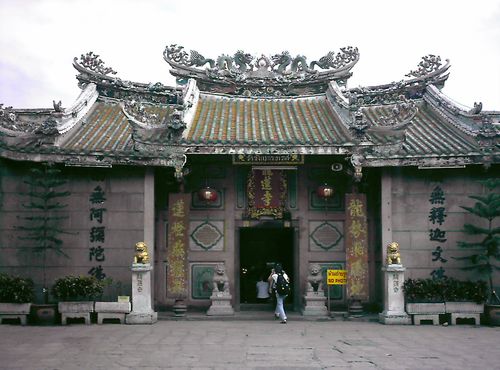
Chinatown’s grand Chinese Buddhist temple—smoky incense, red lanterns, and gilded altars. Free entry, donations welcome. Best early morning; electric during Lunar New Year and the Vegetarian Festival. Steps from MRT Wat Mangkon, 8am–5pm daily.
Yaowarat Chinatown Heritage Center
Attractions
Inside Wat Traimit by Chinatown Gate, this tidy museum charts Yaowarat’s Chinese roots with bilingual displays, period photos and short films. Open Tue–Sun 8:30am–4:30pm; closed Mon. Pair it with the Golden Buddha upstairs.
Wong Amat Beach
Attractions
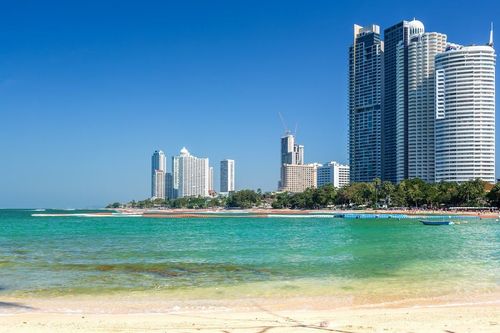
Quieter slice of Pattaya with soft sand, gentle surf, and sunset views to Koh Larn. Slip in via Naklua Soi 12/16, grab a lounger, and graze on som tam and grilled seafood. Best in the morning or at golden hour, far from the jetski buzz of central Pattaya.
Teens of Thailand
Bars
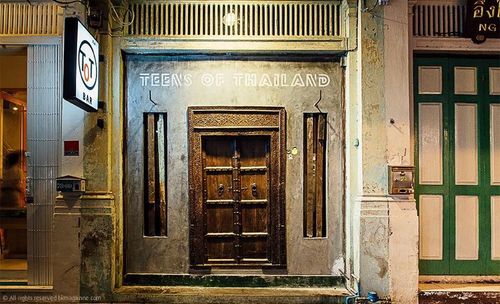
Bangkok’s OG gin bar on Chinatown’s Soi Nana. Heavy door, candlelit shophouse, bartenders who listen. Smart G&Ts and Thai infusions, cocktails ~320–420 THB. Best before 9pm for a seat; open daily noon–1am, with Friday/Saturday spilling onto the lane.
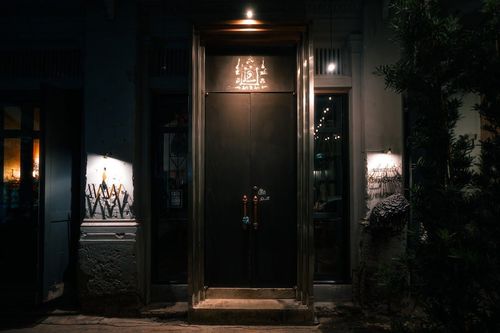
TEP BAR - Cultural Bar of Thailand
Bars
Chinatown’s shrine to Thai spirits: ya dong flights and herb-laced cocktails, live traditional music upstairs, and Thai bar snacks in a restored shophouse on Soi Nana. Open nightly from 6pm; book ahead on weekends.
Wat Arun Ratchawararam Ratchawaramahawihan
Temples
More Khao San Road Guides
- Best Hotels Near Yaowarat (Chinatown) for Food Lovers, Night Markets, and Easy MRT Access
- Best Hotels Near Yaowarat (Chinatown) for Easy Street Food, MRT Access, and Old-Bangkok Exploring
- Best Hotels Near Yaowarat (Chinatown) for Families, Groups, and Longer Stays
- Where to Eat Street Food in Yaowarat: Bangkok’s Chinatown Night Market Guide