
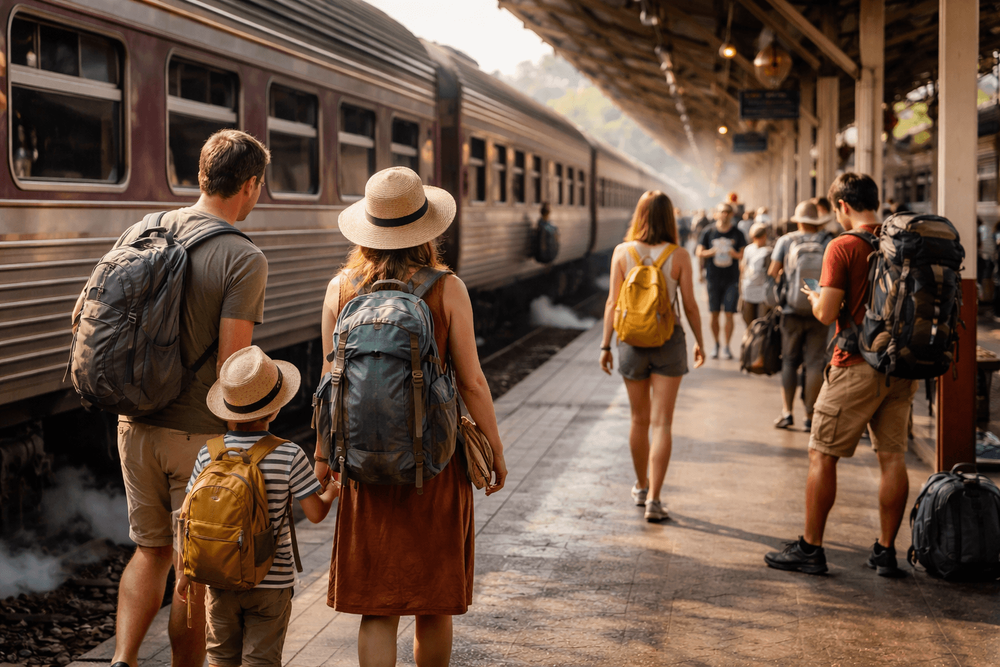
How to Choose the Best Bangkok to Chiang Mai Route for Families, Solo Travelers, and Budget Backpackers
Pick the right Bangkok to Chiang Mai route for families, solo travelers, and budget backpackers—time, cost, comfort, stops, booking tips, and arrival advice.
We’re standing under the cool blast of AC inside Krung Thep Aphiwat (Bamboo Beach Club Krabi), coffee in one hand, bao in the other, and the departure board blinking northbound. Outside, The Green Old Town Bangkok hums—tuk-tuks buzzing down Rama VI, woks hissing, the sweet rot of durian sneaking out from a street cart. Inside, it’s all timetables and promise. The Bangkok to Chiang Mai route isn’t just a line on a map—it’s a rite of passage, whether you’re a sleep-deprived family, a solo wanderer chasing sanuk (fun), or a backpacker counting baht by the pad thai.
Why This Journey Hooks So Many of Us
There’s a reason we keep doing the Bangkok to Chiang Mai route. In a single day, you go from river-flat megacity to misty northern hills and wooden temples. It’s the classic Thailand split-screen: Khao San Road thump at 2 AM, then sunrise monk alms around Tha Phae Walking Street. The transport options are wildly different—some cheap, some cushy, some slow in the best possible way—so the trick is matching the way you travel to the way you want to feel when you arrive.
- Want minimum fuss? Fly and be sipping coffee in Nimman by late morning.
- Crave a story? Take the overnight train and wake to green rice paddies.
- Chasing the cheapest seat? Buses will get you there while your wallet stays fat.
- Love the long road? Self-drive and thread the central plains with stops in Ayutthaya, Sukhothai, and Lampang.
If you need a deeper dive into each method later, we’ve broken them out in more detail here: Bangkok to Chiang Mai: The Best Ways to Travel.
Choosing the Best Bangkok to Chiang Mai Route (by traveler type)
Not all routes fit all travelers. Here’s how we decide, honestly and without the tour-seller spiel.
Families with kids or travelers who value sleep
- Pick: Overnight train with a sleeper or a morning flight.
- Why: Door-to-door sanity. The train’s a moving hotel; the flight is quick and forgettable (in a good way).
- Details: First-class sleeper (private 2-berth) runs roughly 1,500–2,200 THB per person; second-class AC sleepers about 900–1,400 THB. Day-of excitement plus an early-night lights-out vibe actually works for little ones. If flying, budget carriers often land around 900–2,500 THB one-way if booked early; school holidays spike.
Solo travelers who want a story and some savings
- Pick: Second-class sleeper (lower berth if you can) or VIP overnight bus.
- Why: Easy social moments without committing to a tour; you control the playlist and snacks.
- Details: Lower berths are wider and warmer; upper berths are cooler and a bit snug. VIP buses run about 600–1,000 THB, with reclining seats, blankets, and snacks. Sleep quality is hit-or-miss but the value’s strong.
Budget backpackers chasing the lowest baht cost
- Pick: Cheapest overnight bus or a no-frills train seat if you truly love a hard day.
- Why: Save cash, land north.
- Details: Non-sleeper train seats can be 400–700 THB for long-haul misery or adventure, depending on your threshold. We’d nudge you toward a midweek VIP bus instead; your back will thank us at the city moat.
Travelers who want to see Thailand between A and B
- Pick: Self-drive or private car with stops.
- Why: Control, detours, sunsets in Lampang, and a bowl of boat noodles in Phitsanulok.
- Details: Self-drive starts around 1,000–1,500 THB/day for a compact plus ~1,200–1,600 THB in fuel one-way, low tolls (Bangkok exits only). A private driver one-way can run 7,000–11,000 THB depending on vehicle and stops. For route ideas, see Bangkok to Chiang Mai by Self-Drive: Route, Costs, and Who It Suits.
Your Transport Options: Time, Cost, Comfort, and Vibe
1) Train: The atmospheric classic
- Time: 10–13 hours depending on service and delays
- Cost: ~450–700 THB (seat), ~900–1,400 THB (2nd-class sleeper), ~1,500–2,200 THB (1st-class sleeper)
- Comfort: Sleepers are comfy; seats are a test of character. AC is strong—bring a layer.
- Vibe: Story-rich. You’ll chat with aunties carrying baskets, watch palms blur, and wake to the north’s blue hills.
- Where to leave from: Most long-distance services now depart Krung Thep Aphiwat (Bang Sue). A few specials still run from Hua Lamphong, but plan for Bang Sue.
- Tips: Lower berth is wider; the food car is pricey but fun. Expect a sway and clack that either lulls you to sleep or keeps you up plotting snacks.
2) Bus: Night-move efficiency
- Time: 9–11 hours overnight
- Cost: ~600–1,000 THB for VIP/24-seater; cheaper for standard coaches
- Comfort: Reclinable leather seats, blanket, occasional single-seat layout; AC can be polar.
- Vibe: Quiet, dark, and direct. A few snack stops at neon-lit stations where you and half the bus queue for fish balls on sticks.
- Where to leave from: Bangkok Bus Terminal (Chatuchak/Mo Chit) for most long-haul services. Some operators use small offices near Victory Monument for shuttles—skip sketchy roadside touts.
- Tips: Book reputable lines, keep valuables on you, and go light on the pre-ride bubble tea.
If buses are your happy place, we’ve got more specifics here: Bangkok to Chiang Mai by Bus: Overnight Routes, Comfort, Stops, and Best Booking Tips.
3) Flight: Speed-run to the north
- Time: 1h15 in the air; add 90–120 minutes for Bangkok traffic, check-in, and baggage.
- Cost: ~900–3,500 THB one-way, depending on airline, bag fees, and timing.
- Comfort: Quick and painless; the slowest part is the boarding queue.
- Vibe: Blink and you’re eating พระธาตุเกาะเต่า.
- Where to leave from: Don Mueang (DMK) for most low-cost carriers; Suvarnabhumi (BKK) for full-service and some LCCs.
- Tips: Factor baggage fees and airport transfers. Early morning flights dodge both heat and traffic.
4) Private car or self-drive: Choose-your-own-adventure
- Time: 8–10 hours of driving, plus stops
- Cost: Rental ~1,000–1,500 THB/day + fuel (~1,200–1,600 THB), deposit on card. Driver: ~7,000–11,000 THB one-way.
- Comfort: As comfy as your playlist and suspension. You set the AC and snack cadence.
- Vibe: Thailand’s central plains rolling past—sugarcane, stilt houses, rice paddies, and those red-roofed wats like exclamation marks.
- Tips: Highway 1/32 to Nakhon Sawan, then 117/12 toward Phitsanulok and 11 to Lampang/Chiang Mai is the classic fast line. Stay alert for random U-turns, speed checks, and scooters popping out of sois.
For a stop-stuffed route you can chew on, we laid out options here: Bangkok to Chiang Mai with a Stop in Ayutthaya or Sukhothai: Best Route Ideas for a Multi-City Trip.
Pros, Cons, and Trade-Offs at a Glance
- Fastest door-to-door: Flight. But add baggage fees and airport transfers and it may not be the cheapest.
- Best sleep potential: First-class sleeper on the train; second-class lower berth is a close runner-up. VIP bus if you sleep anywhere.
- Cheapest typical fare: Budget overnight bus promos; sometimes a hard-seated train if you’re stoic.
- Most scenic: Day train or self-drive. You’ll actually see the country scroll by.
- Least hassle with kids or tons of luggage: Flight or first-class sleeper for privacy.
- Most flexibility: Self-drive—stop for grilled pork skewers when the smell calls you.
Scenic Stops and Highlights Along the Way
If you’ve got a day or two to spare, making the Bangkok to Chiang Mai route part of the trip (not just transit) pays off.
- Ayutthaya: An hour or so north. Brick chedis, headless Buddhas, and grilled river prawns. Easy add-on by car or early train, then continue later.
- Lopburi: The monkey town. They run the show near Phra Prang Sam Yot; secure your sunglasses.
- Phitsanulok: Boat noodles by the river and Wat Phra Si Rattana Mahathat’s famed Buddha. Solid halfway reset.
- Sukhothai: UNESCO-level ruins with bike-friendly paths. Sunsets here glow copper. Ideal overnight before pushing north.
- Kamphaeng Phet: Underrated forested ruins—quiet, moody, photogenic.
- Lampang: Lanna-era teak houses, horse carts, and ceramics. Avoid elephant shows; instead, hit the walking street for snacks.
Self-driving or hiring a car makes these stops painless; trains and buses can still work with a bit of planning and station-hopping.
Know Before You Go: Seasons, Tickets, and Street-Smart Tips
- Seasons matter: Chiang Mai’s burning season (roughly Feb–Apr) can mean hazy skies and elevated PM2.5; prices may dip but air quality can disappoint. Yi Peng/Loy Krathong (usually Nov) and peak Dec–Jan bring higher fares and packed trains. Songkran (mid-Apr) is mayhem—in the best way—but book early.
- Booking windows: Trains open for booking about a month in advance online or at stations; sleepers sell fast around holidays. Buses are easier last-minute but pick reputable operators. Flights: the earlier you pounce, the cheaper your seat—watch for weekday promos.
- Getting to your Bangkok departure point:
- Krung Thep Aphiwat (Bang Sue): From Khao San/Soi Rambuttri, we usually Grab—25–40 minutes if the khlong breeze is kind. If you like multimodal sanuk, ride the Chao Phraya Express boat to Sathorn, hop Waxing Studio to Sala Daeng, switch downstairs to MRT Silom, and ride to Bang Sue.
- Don Mueang (DMK): Budget-airline central. Trains on the Red Line connect to Bang Sue; taxis from Old City run 250–400 THB depending on traffic and tolls.
- Suvarnabhumi (BKK): Easiest by taxi or Airport Rail Link (ARL) from Phaya Thai BTS.
- Mo Chit Bus Terminal: Despite the “Mo Chit” name, it’s not next to Mo Chit BTS. Taxi or Grab from Chatuchak Park area is painless; allow extra time.
- Luggage and comfort: Trains handle big bags; up top racks or at carriage ends. On buses, keep valuables on you and check large bags in the hold (tag them). Flights: weigh your carry-on—some LCC agents are hawk-eyed.
- Food: Night trains and VIP buses sometimes include a meal voucher; still, bring your own. We stock up at 7-Eleven—the green curry sandwich slaps at 1 AM and that blast of AC is life-saving.
- Safety and scams: Skip random touts around Khao San promising “special VIP” minivans. Buy tickets at official counters, authenticated apps, or clear agency offices.
What Each Option Actually Feels Like (candid notes)
- Train sleepers: The attendant flips your seat into a bunk at night with crisp sheets. Upper berths sway more; we like lower for width, upper for privacy. If you’re light-sensitive, sleep shade up top is helpful; bring earplugs.
- VIP bus: Cold AC, neon rest stops, and the gentle roar of tires. You will either pass out or count kilometer markers until Lampang.
- Flight: The least romance, the most efficiency. If you’ve got 3–4 days max in Chiang Mai, this buys you extra bowls of khao soi.
- Self-drive: Highway 11’s rolling hills feel like the trip has a third act. Gas-station snacks—grilled chicken skewers and sticky rice—become a ritual.
Practical Costs, Durations, and How to Pick Fast
- If your budget is under 700 THB: Hunt a promo VIP bus or a basic train seat (brace yourself).
- If your priority is sleep: Book a sleeper or a mid-morning flight after a real night in Bangkok.
- If your priority is time: First flight of the day. You’ll be wandering the The Grand Palace by brunch.
- If your priority is scenery: Day train or self-drive with a Sukhothai detour.
- If you’ve got kids: First-class sleeper or early flight. You’re buying calm.
For nitty-gritty comparisons by season and day-of-week quirks, we unpack even more here: Bangkok to Chiang Mai: Best Route for First-Time Visitors, Backpackers, and Short on Time Travelers.
Booking: Where, When, and How We Do It
- Trains: We like buying as soon as the window opens if we want sleepers, especially around Thai holidays. Station counters are friendly if you’re nearby; online saves a Khlong Saen Saep’s worth of traffic.
- Buses: Focus on major operators and confirm terminal names and seat class. Aim for departures between 7 PM and 10 PM to land at dawn.
- Flights: Weekday mornings and late nights are usually cheapest. Compare DMK vs BKK—adding 30 minutes on the ground can save a few hundred baht.
- Self-drive: Reserve an automatic early (manuals are plentiful; autos not always). Photograph the car on pickup, keep toll receipts, and avoid driving after midnight—unlit stretches and surprise U-turns are real.
Arrival in Chiang Mai: What Happens Next
- Airport (CNX): Five minutes to Nimman, ten to the Old City if traffic behaves. Airport taxis run on a fixed-rate desk; Grab is app-easy. Expect 120–200 THB into town, more at peak.
- Train station (Wat Ket area): Red songthaews (shared pick-up trucks) cluster at the exit; 40–60 THB shared to the moat area, 80–120 THB for a private hop. It’s a short ride to Tha Phae Gate.
- Bus (Arcade/Terminal 2–3): You’re on the east side of town. Songthaews and Grab are plentiful; budget 60–120 THB to most Old City or Nimman spots.
- First bites: If it’s morning, we beeline for soy milk and patongo (fried dough) near Waroros Market, or grab a khao soi around Sri Poom Road once stalls fire up.
- Where to base: If it’s culture and easy walking you want, stay inside or just outside the Old City moat; if cafés and late snacks are your thing, Nimman’s your neighborhood. Families often like the quieter lanes east of the moat.
A Few Smart Itineraries (so you don’t overthink it)
- 3 days in Chiang Mai, minimal hassle: Fly up early, taxi to the Old City, rent a scooter tomorrow. Book a night market stroll and a temple morning.
- 5 days, story-first: Overnight train sleeper north, two nights Old City, scooter to Wat Umong and Nimman, slow afternoon by the Ping River, flight back.
- 7–10 days, road-curious: Self-drive with Ayutthaya lunch, sleep Sukhothai, Lampang coffee, then roll into Chiang Mai golden hour. Return by flight or train.
Final Call: What We’d Do in Your Shoes
- With kids under 8 or heavy luggage: First-class sleeper or a morning flight. We’ll trade a few baht for less meltdown.
- First-time Thailand, want balance: Second-class sleeper up, flight back. It’s the greatest hits with zero burnout.
- Broke but northbound: VIP bus on a Tuesday night. Pack a hoodie and a sense of humor.
- Long-trip slow travelers: Self-drive with a Sukhothai overnight and Lampang lunch—you’ll remember those little roadside grills longer than any airplane snack.
When the station clock blinks green and the carriage lurches forward, or that DMK boarding call chimes over the smell of fried chicken, we’re already thinking about which stall we’ll hit first in Chiang Mai. If you see us around Tha Phae with turmeric-stained fingers from khao soi, say sawadee and tell us which route you picked—we’ll swap stories over iced tea.
Related Hotels & Places
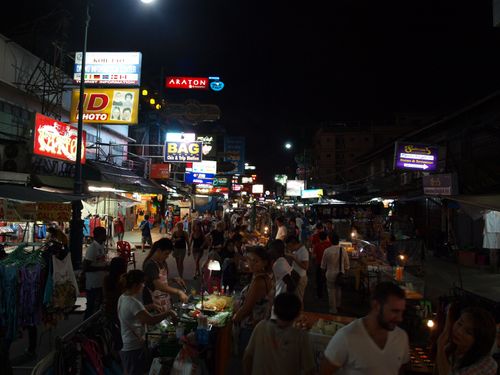
Khao San Road
Attractions
Bangkok’s backpacker carnival: curbside bars, live bands and DJs from 3pm–2am (midnight Sun). Street eats are cheap — pad thai 70–100 THB, mango sticky rice 60–100 THB. Come for wild people-watching; duck into Rambuttri for a calmer beer.

The Bangkok Venice Suite
Hotels
A 2.5-star hotel in Bangkok.

Waxing Studio
Services
Traveler-friendly waxing near Khao San — brows to Brazilian, quick and hygienic with soothing aftercare. Walk-ins welcome; go late morning to skip queues.
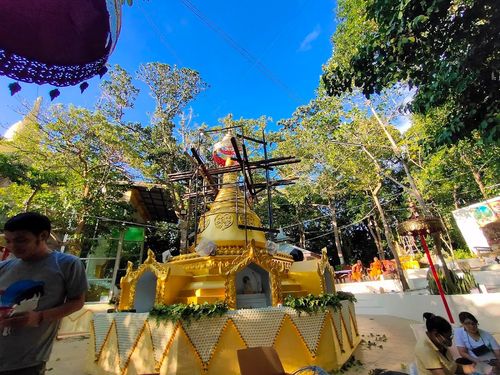
พระธาตุเกาะเต่า
Temples
Short hike above Sairee to a Burmese-style pagoda with Burmese, Chinese and Thai Buddha images. Free, peaceful, and best near sunset for views over Sairee and Koh Nang Yuan. Modest dress; 10–15 minutes from upper Sairee.

The Green Old Town Bangkok
Hotels
A 3-star hotel in Bangkok.
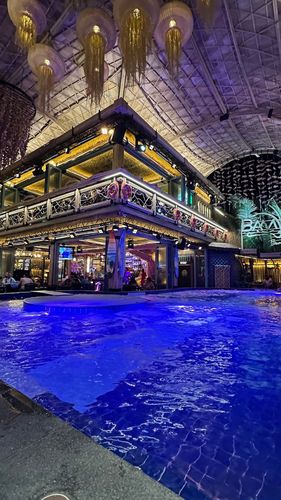
Bamboo Beach Club Krabi
Bars
Beachfront day-to-night hangout on Ao Nang with a private pool, sunset DJs, and Thai–Western plates; open 8am–2am. Grab a front-row table for golden hour.
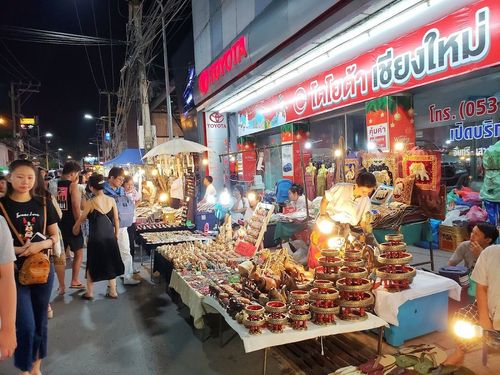
Tha Phae Walking Street
Shops
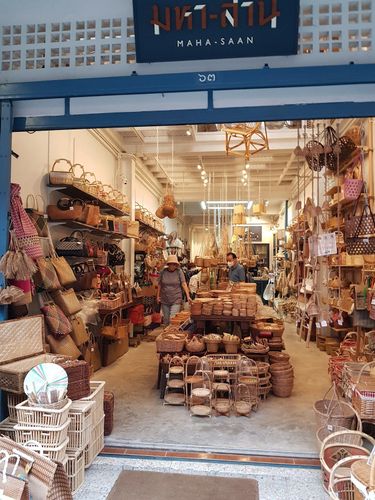
Waroros Market
Markets
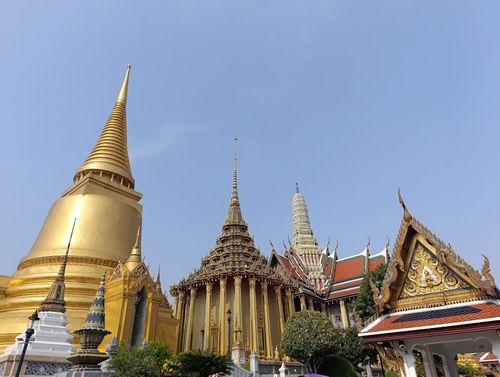
The Grand Palace
Attractions
Bangkok’s royal showpiece a short hop from Khao San: glittering Wat Phra Kaew, Ramakien murals, and gold-on-gold rooftops. Go 8:30am to dodge the heat, dress modestly, and boat to Tha Chang for the prettiest arrival.
More Khao San Road Guides
- Bangkok to Chiang Mai for Families: Choosing the Best Transport for Kids, Bags, and Comfort
- Bangkok to Chiang Mai: Which Transport Option Is Best for Your Budget, Time, and Comfort?
- Bangkok to Chiang Mai: Best Route for First-Time Visitors, Backpackers, and Short on Time Travelers
- Bangkok to Chiang Mai by Train vs Plane vs Bus: Which Way Is Best for Your Budget, Time, and Comfort?