
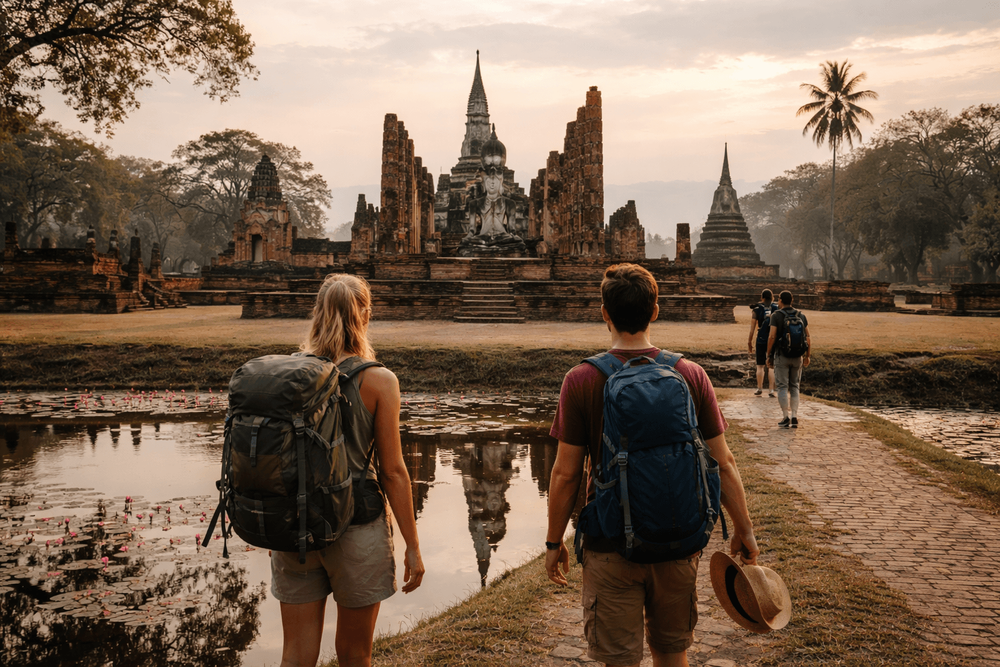
Bangkok to Chiang Mai With a Stop in Sukhothai: The Best Break-Up Route for Overland Travelers
Break up the Bangkok–Chiang Mai journey with a soulful Sukhothai stop: routes, buses and trains, what to see, costs, and street-smart tips in one guide.
We step off the bus into Sukhothai’s warm dusk and the air is sticky with lemongrass smoke from a roadside grill. A tuk-tuk driver calls out “Sawasdee krub!” and we bargain with a grin, because this is Thailand: sanuk first, details second. Bangkok to Chiang Mai by combined transport is the overland detour we keep coming back to—half practical pit stop, half time machine. You break the journey, sleep off the highway hum, then bike through 700-year-old ruins at sunrise before rolling into the north.
If you’re plotting Bangkok to Chiang Mai via Sukhothai, this guide is the no-nonsense, street-level version: which route makes sense, how to connect bus-train-minivan without a headache, what to see inside the Sukhothai Historical Park, and how long to budget without feeling rushed.
Quick Plan
- Day 1: Bangkok → Sukhothai (430–460 km; 5.5–7 hrs by car; 6–8 hrs by bus/train combo)
- Key stops (self-drive option): Ayutthaya river viewpoint coffee stop; Nakhon Sawan for lunch by the Nan River
- Overnight: Old Sukhothai (near the Historical Park) or New Sukhothai (city center)
- Day 2: Sukhothai → Chiang Mai (300–320 km; 4–5 hrs by car; 4.5–6 hrs by bus)
- Key stop (optional, self-drive): Lampang for khao soi and temple woodwork
- Overnight: Chiang Mai Old City or Nimmanhaemin
Alt without car
- Day 1: Train Bangkok → Phitsanulok (4–6.5 hrs), bus/taxi → Sukhothai (1–1.5 hrs). Overnight Sukhothai.
- Day 2: Bus Sukhothai → Chiang Mai (4.5–6 hrs).
ASCII route: Bangkok → Sukhothai → Chiang Mai
The Route: Bangkok to Chiang Mai via Sukhothai
We love this detour because it turns a long haul into a two-act play. Leg one gets us out of Bangkok’s concrete heat and into central Thailand’s rice-bowl plains. Leg two climbs gently toward misty mountains and the cool breath of the north. And in between? A UNESCO-listed cradle of Siamese architecture where dawn belongs to bicycles and temple spires.
- Distance snapshot: Bangkok → Sukhothai ~430–460 km depending on your route; Sukhothai → Chiang Mai ~300–320 km.
- Why choose it: break the trip, avoid overnight buses, time your Chiang Mai arrival for daylight, and swap roadside 7-Eleven snacks for a morning among lotus ponds and brick stupas.
If you still want the straight shot, our breakdown of the direct options is here: Bangkok to Chiang Mai: The Best Ways to Travel.
How to Travel Each Leg
Bangkok → Sukhothai
Pick your poison: wheels, rails, or wings. All work; each has a flavor.
Intercity bus (direct): Regular and VIP coaches leave from Bangkok’s northern terminal (Mo Chit). Expect 6–8 hours depending on traffic and rest stops. Pros: easy, no connections. Cons: one long sit; bring a light sweater for the Arctic AC. Budget: mid-hundreds THB range; confirm locally.
Train + bus combo: Take a train from Bangkok (Krung Thep Aphiwat or Don Mueang) to Phitsanulok, then bus or taxi the last leg (60–70 km) to Sukhothai. Total time: 5.5–8 hours depending on train class. Pros: bigger seats, a moving snack cart, scenery along the khlongs and rice fields. Cons: one transfer, last-bus timing matters. Cost: train ranges from low to mid-hundreds THB (3rd to 2nd/1st class), plus a modest bus/taxi fare; confirm locally.
Self-drive: We hop on Highway 32 (Asia Highway) via Ayutthaya and Nakhon Sawan, then across to Sukhothai. Drive time: 5.5–6.5 hours with sane stops. Pros: freedom to detour for boat noodles or a temple photo stop. Cons: tolls leaving Bangkok, city traffic at either end. Fuel and tolls: see Costs at a Glance below.
Fly + transfer: Flights to Phitsanulok operate on various schedules; from there it’s 1–1.5 hours by bus or taxi to Sukhothai. There are occasionally limited flights to Sukhothai’s private airport in some seasons—treat those as a bonus, not a guarantee. Flight times and fares fluctuate widely; confirm schedules before you commit.
Tip: Minivans pack tight; big luggage can cost you a seat or a grumble. Buses and trains handle backpacks and big rollers better.
Sukhothai → Chiang Mai
Intercity bus: Direct coaches connect Sukhothai’s bus terminal to Chiang Mai Arcade. Expect 4.5–6 hours depending on stops and traffic. Cost: mid-hundreds THB range; confirm locally.
Self-drive: Route 101 to 11, skirting Lampang. It’s a breezy 4–5 hours if we leave after rush hour. Early morning light over the paddies is worth the alarm.
Train? Not directly. If you crave rails, you’d backtrack to Phitsanulok and change in the central system—inefficient for most travelers.
Fly? Don’t count on it. Nonstop flights from Sukhothai to Chiang Mai aren’t a regular thing; if they exist seasonally, they’re rare. Buses or a private transfer win.
If you’re mixing planes with ground segments, we’ve sketched smart combos here: Bangkok to Chiang Mai by Combined Transport: Best Flight-and-Overland Itineraries.
Why Sukhothai Makes a Perfect Stopover
Morning in the Historical Park is all birdsong, temple silhouettes, and the clack of rental-bike kickstands. It’s the opposite of Khao San Road midnight thump, and that’s the point.
The Historical Park: Split into zones (central, north, west, etc.), with moats, lotus ponds, and classic Sukhothai-era chedis shouldered by serene Buddhas. Expect gentle riding on flat lanes shaded by tamarinds. Entry fees vary by zone; foreigners typically pay per-zone with small add-ons for bicycles. We recommend budgeting enough for at least the central and north zones. Opening is roughly around daylight hours; arrive early to beat heat and tour groups, and confirm exact hours locally.
How long to stay: If you’re efficient, a single overnight does it—arrive by evening, ride at sunrise, eat khao soi for lunch, then head north. History buffs and photographers will be happier with two nights to add Si Satchanalai Historical Park (about 55 km north) for another quiet, evocative ruin complex with practically empty pathways.
Old vs New Sukhothai: “Old City” tucks you right by the park—sleepy, leafy, easy bike access. “New City” (Muang Sukhothai) has more local eateries, markets, and buses. We often crash near the Old City for the predawn ride, then tuk-tuk into town for dinner if we’re restless.
Food mood: Night markets deal out sai ua (northern sausage), grilled pork skewers glossy with palm sugar, and bagged iced tea that sweats like you do. Morning coffee comes with a side of incense drifting from someone’s house shrine.
More background bits and inspiration here: Sukhothai.
Planning Essentials: Time, Costs, Seasons, and Luggage
Journey time at a glance
- Bangkok → Sukhothai: 5.5–6.5 hours driving; 6–8 hours bus; 5.5–8 hours train+bus; flights to Phitsanulok add airport time and a 1–1.5 hour transfer.
- Sukhothai → Chiang Mai: 4–5 hours driving; 4.5–6 hours bus.
Rough cost sense-check (confirm locally)
- Bus seats typically sit in the mid-hundreds THB band per leg; VIP classes cost more but buy you a bit of elbow room and colder AC.
- Trains range widely by class; 2nd-class A/C seats are the sweet spot for many.
- Private car/driver day rates vary by vehicle and season—expect a low-thousands THB ballpark for a full day if you negotiate in Bangkok or Sukhothai.
For the deeper dive on modes and when to pick flights over wheels, tap this overview: Bangkok to Chiang Mai: The Best Ways to Travel and the flight-specific notes here: Bangkok to Chiang Mai by Plane: How to Choose the Best Flight Time, Airport, and Fare.
Luggage & seats
- Minivans: One big bag per person can be a pain; soft-sided works better. If the van is packed with farang and fruit crates, we ask to stash gear under the back bench or we wait for the next departure.
- Buses: Underbelly holds swallow big bags; keep essentials and a hoodie up top.
- Trains: More space to stretch; keep eyes on your gear at stops.
Seasons & weather
- Cool-dry (Nov–Feb): Dreamy bike mornings; crisp nights up north. Peak season—book ahead.
- Hot (Mar–Apr): Brutal midday sun; ride at dawn, nap at noon. Songkran (Thai New Year) is chaos in the best way but tickets vanish.
- Wet (May–Oct): Afternoon downpours; the ruins glow green and puddle-flecked. Bring a poncho and accept the splash.
- Smoke/haze in the north (roughly Feb–Apr some years): Air quality can dip around Chiang Mai/Lampang. If you’re sensitive, check AQI and consider timing.
Street-smart tips
- Terminals: In Bangkok, big intercity departures are at Mo Chit. In Chiang Mai, most buses land at Arcade; trains use Chiang Mai Railway Station east of the moat.
- Scams and sanuk: Ignore gem-shop detours and too-cheap tuk-tuk tours in Bangkok. In Sukhothai, prices are calmer—smiles are real, but still ask the fare before you hop in.
- Bikes at the park: Rentals cluster outside the gates; rates are friendly, and e-scooters or trams appear in high season. Bring water, a hat, and 20-baht coins for park-side drinks.
Sukhothai: What to See and How Long You Need
Don’t-miss inside the Historical Park
- Central Zone: Wat Mahathat’s lotus-bud chedi and reflecting pond—sunrise is best.
- North Zone: Wat Si Chum’s giant seated Buddha framed by stone—photogenic and goosebump-worthy.
- West Zone: Fewer visitors, hillier, with laterite ruins framed by teak and bamboo—great if you have time.
We budget 3–4 hours across central and north on bikes with snack stops; add another 2–3 hours if you include the west or wander deep.
Beyond the main park
- Si Satchanalai Historical Park: Sister site with grand stupas and near-empty lanes. Worth a half day if you stay two nights.
- New Sukhothai street life: Early-evening markets, casual riverside spots, and a chance to sip iced Thai tea while the neighborhood dogs perform their daily gossip.
Useful Arrival Advice for Chiang Mai
We usually time it so we reach Chiang Mai before sunset—the city blushes pink against Doi Suthep and it just feels like arriving.
- Where you’ll land: Buses roll into Arcade (northeast of the moat). Trains pull into Chiang Mai Railway Station. From either, grab a red songthaew (shared pickup taxi) or a metered cab. If you use ride-hailing, check the pickup zones.
- Ballpark fares: Songthaew into the Old City is typically a low-hundreds THB range for private hire, cheaper if shared; confirm locally and agree before you ride.
- Neighborhood vibes:
- Old City: Walkable, wats on every corner, sunset drums, and street food smoke curling under the moat gates.
- Nimmanhaemin: Latte art, rooftop gin, co-working spots, and late brunches.
- Santitham: Quieter residential, solid local eats, easy hop to Nimman.
- Riverside/Night Bazaar: Evening energy, markets, river breezes.
Why this route beats going direct
- You see Thailand’s origin story between bites of grilled pork.
- You arrive in Chiang Mai with a clear head and a camera roll that isn’t just bus curtains.
- You trade one forgettable highway lunch for a morning among ancient stupas and lotus ponds. That’s a good swap.
Getting There: Practical Connections
- Buying tickets: In-person at terminals is fine for same/next-day outside peak weeks. For holidays/cool season, prebook via reputable Thai/ASEAN ticket platforms or directly with operators. Screenshot everything—Thai keyboards don’t always love farang booking codes at the gate.
- Timing your legs: We like a mid-morning departure from Bangkok to hit Sukhothai before dinner, then a dawn ride in the park and a late-morning bus/drive to Chiang Mai.
- Comfort kit: Hoodie for bus AC, earplugs, tissues, electrolytes, and small bills for snacks.
Costs at a Glance (THB)
Last checked: Sep 2026
- Fuel price per liter (gasohol 91/95): ~35–45 THB (range; confirm locally)
- Estimated fuel cost (assuming ~12 km/l consumption)
- Bangkok → Sukhothai (430–460 km): ~1,250–1,620 THB
- Sukhothai → Chiang Mai (300–320 km): ~875–1,200 THB
- Tolls (private car)
- Bangkok → northbound exits (past Don Mueang/Ayutthaya): ~80–200 THB depending on route/time; minimal to none beyond Nakhon Sawan
- Sukhothai → Chiang Mai: typically 0–50 THB
- Historical Park fees (per person; foreigners): budget ~100–200 THB per zone; bicycles add a small fee; confirm locally
- Bike rental near park: common ranges ~50–150 THB per day; confirm locally
- Parking (hotel/guesthouse): often free outside Bangkok; where charged, ~0–100 THB per night
Booking Pathways
- Car rental: Compare rental deals at https://www.rentalcars.com/
- Hotels: Compare Chiang Mai and Sukhothai stays at https://www.booking.com/city/th/chiang-mai.en-gb.html
- Attraction tickets/tours: Prebook Thailand activities (search Sukhothai options) at https://www.klook.com/en-TH/country/64-thailand/
Verification
- We avoid quoting exact, time-sensitive prices or hours unless verified from multiple recent sources. Where we list ranges (bus fares, bike rentals, park fees), treat them as guidance and confirm locally at the station, rental stand, or park gate.
- Distances are rounded from common driving routes; drive times assume steady traffic and short breaks. Buses and trains vary by service and season.
- Opening times at Sukhothai Historical Park can shift for events or seasons; plan to arrive early morning and check posted hours on arrival.
When you’re ready to roll north, we’ll meet you at dawn by the lotus pond—two bikes, one thermos of coffee, and the road to Chiang Mai waiting.
EVAL_DATA
- includes_quick_plan: true
- includes_costs_at_a_glance: true
- includes_booking_pathways: true
- includes_verification: true
- internal_links_used: 4
- outbound_links_count: 3
- uses_internal_hotel_links: false
- hotel_links_count: 0
Related Hotels & Places
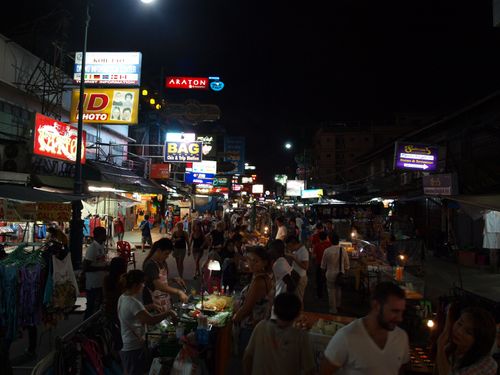
Khao San Road
Attractions
Bangkok’s backpacker carnival: curbside bars, live bands and DJs from 3pm–2am (midnight Sun). Street eats are cheap — pad thai 70–100 THB, mango sticky rice 60–100 THB. Come for wild people-watching; duck into Rambuttri for a calmer beer.
Sukhothai Historical Park
Attractions
Sunrise by bicycle through 13th‑century ruins. Hit Wat Mahathat, island‑set Wat Sa Si, and the giant Buddha at Wat Si Chum. Gates 6:30am–7:30pm; bikes rent 30–50 THB (+small park fee). Go early or at golden hour; weekends draw Thai families and photographers.
Wat Mahathat
Temples
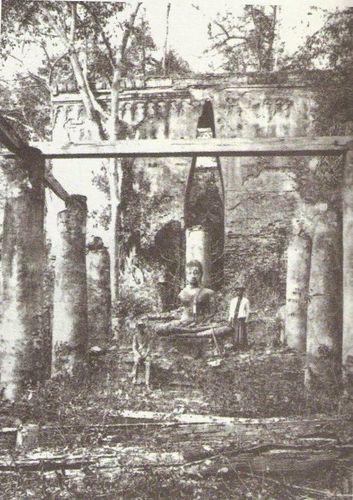
Wat Si Chum
Attractions
Sukhothai’s icon: a 15‑meter seated Buddha framed by a slit‑walled mondop. Open daily 7:30am–5pm; northern zone ticket is 100 THB (last checked Mar 2026). Go early for soft light, and bring a small torch to spot the Jataka engravings in the inner passage.
More Khao San Road Guides
- Bangkok to Chiang Mai with a Stop in Ayutthaya or Sukhothai: Best Route Ideas for a Multi-City Trip
- Bangkok to Chiang Mai by Combined Transport: Best Flight-and-Overland Itineraries for Stopovers
- Bangkok to Chiang Mai: Best Route for First-Time Visitors, Backpackers, and Short on Time Travelers
- Bangkok to Chiang Mai by Bus: Day vs Overnight Options, Comfort, and Booking Tips