
Bangkok to Chiang Mai by VIP Bus: Is the Extra Seat Space Worth It?
Thinking of the Bangkok–Chiang Mai VIP bus? Here’s what VIP really means: seats, prices, routes, booking tips, and how to survive the overnight ride.
We wheel our bag across the polished floor of Mo Chit’s cavernous bus terminal just as the sky turns Siam-sunset pink. The grills outside hiss with moo ping skewers, the AC blasts our sweat dry the second we duck into 7-Eleven, and a line of double-decker coaches glides into their bays with a soft sigh of air brakes. Tonight we’re trading Bangkok’s thump-thump bass for mountain air up north — and Bangkok to Chiang Mai by VIP Bus: Is the Extra Comfort Worth It? is the sleeper-on-wheels that makes it surprisingly comfortable.
Bangkok Chiang Mai VIP Bus: Who It’s For (and Why We Choose It)
If you’ve stared at flight prices that spike at awkward times or tried to snag a last-minute sleeper on the train only to find every berth gone, the Bangkok–Chiang Mai VIP bus is your friend. It slots perfectly into that sweet spot where we want to save money, skip airport faff, and still arrive without feeling like we slept in a washing machine.
Who it suits:
- Budget-minded travelers who still care about comfort
- Night owls who prefer to travel while they sleep and wake close to the Old City moat
- Anyone with plans that change — buses have more departures than trains
- Folks with big bags; hold luggage is standard and simple
Why we pick it over trains or flights:
- Departures run throughout the day and night, not just a handful of train slots
- No airport security shuffle or 90-minute pre-flight window; roll up, board, go
- VIP classes offer wider seats, generous recline, footrests, blankets, and usually a snack — more creature comforts than a standard train seat and often cheaper than a flight with baggage
Does it beat a romantic train sleeper? That depends on your love of clacking rails and the slow sanuk of station life. But when we want a straight shot with space to sprawl, the bangkok chiang mai vip bus earns its name.
What “VIP” Actually Feels Like On Board
VIP bus in Thailand isn’t a single standard, but most reputable operators deliver a similar experience. Here’s what we actually get when we pay for the nicer coach.
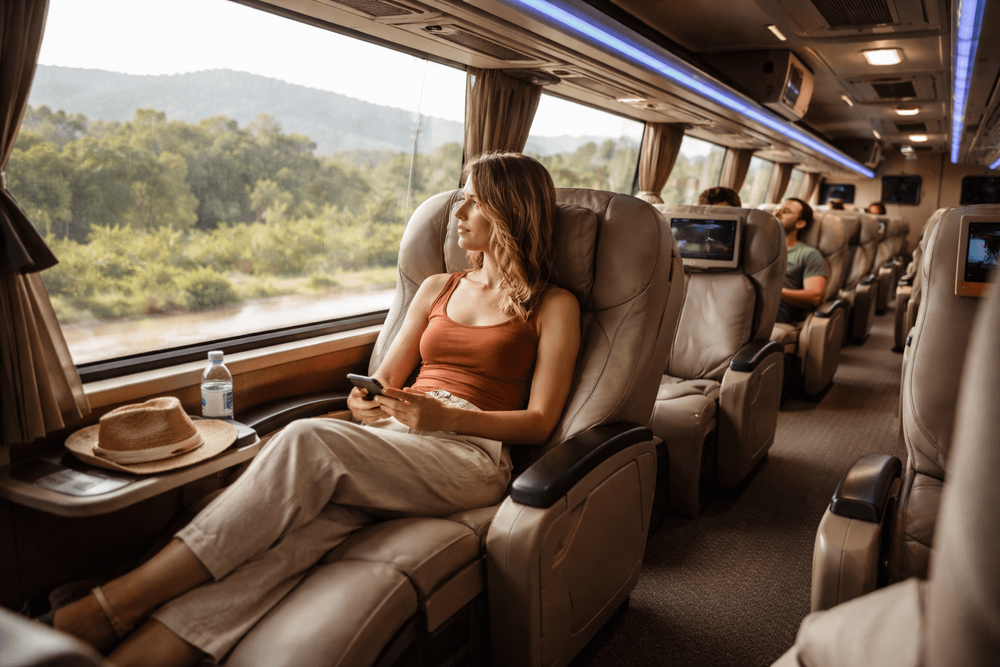
- Seats and layout: Look for 24–32 seat coaches (fewer seats = more space). You’ll typically get a 2–1 layout upstairs, sometimes 1–1–1 downstairs, with a deep recline (think 160–170 degrees), footrest, and leg support. The extra elbow room really matters on hour seven.
- Air conditioning: Serious. Bring a hoodie, scarf, or light blanket even in April. Some buses hand out blankets; some crank the AC like they’re chilling durian.
- On-board toilet: Usually one clean-ish WC at the back. It’s fine for emergencies; most of us still prefer rest stops.
- Rest stops: Expect a 20–30 minute stop around midnight on overnighters (Nakhon Sawan or Kamphaeng Phet area), plus a shorter one if needed. Bright fluorescent lights, steam rising off jok (rice porridge), and a wall of sizzling woks. Keep a 5–10 baht coin for paid toilets.
- Snacks and water: Many VIP tickets include a water bottle and a snack box; some operators hand out a meal coupon redeemable at the rest stop cafeteria.
- Power outlets and Wi-Fi: Sometimes yes, sometimes not. Even when listed, outlets can be temperamental, and Wi‑Fi often fades once we’re out of urban zones. Charge up before boarding and carry a power bank.
- Entertainment: Seat-back TVs or shared screens on some lines. Bring headphones or lean into the white noise of the road.
- Baggage: One big bag in the hold (roughly 20 kg is common) and a small carry-on. Bags are usually tagged — keep your stub.
Comfort level in real terms: On a good VIP bus, we can sleep sideways-ish, avoid that knee-in-seatback tango, and wake up with a neck that still turns. It’s not business-class lie-flat, but it’s a legit upgrade from standard coaches.
Routes, Terminals, Schedules, and Prices
Bangkok Departures: Where We Board
Most Bangkok–Chiang Mai VIP buses leave from Bangkok Bus Terminal (Chatuchak) — better known as Mo Chit 2 — on Kamphaeng Phet 2 Road. It’s a short taxi or bus ride from BTS Mo Chit or MRT Chatuchak Park; figure 10–15 minutes in light traffic, more at rush hour. There are also private operator terminals clustered around the same area.
Getting there:
- BTS/MRT to Mo Chit/Chatuchak Park, then a short taxi or moto to the terminal
- Aim to arrive 45–60 minutes early to print tickets, tag luggage, and grab snacks
Common operators on this route include the state-run Transport Co. (often called “999”), plus reputable private lines like Nakhonchai Air and Sombat Tour. They each run multiple classes; look for VIP, “VIP 24” or “First Class” to snag wider seats and fewer rows.
Chiang Mai Arrivals: Where We Land
You’ll roll into Chiang Mai’s Arcade Bus Station (Terminals 2/3), east of the Old City across the Superhighway. The air smells like morning charcoal and motorcycle exhaust, with red songthaews (shared pickup trucks) lined up to take you wherever you’re going.
- To the Old City/Tha Phae Gate: 40–80 baht per person shared, depending on time of day and how many fellow travelers pile in. If it’s pre-dawn or you’ve got lots of luggage, drivers may quote a flat 150–200 baht; haggle politely or call a Grab.
- To Nimman or Santitham: 60–120 baht shared, more if chartered solo.
Journey Time and Schedules
- Overnight buses: The sweet-spot departures usually run 18:00–22:00, arriving 04:30–07:00 depending on traffic, roadworks, and rest times. Plan for 9–11 hours door-to-door.
- Daytime buses: Mornings (around 07:00–10:00) with scenic rice-field-and-mountains payoff but more heat and more stops. Expect 10–12 hours.
Traffic, seasonal storms, and holiday surges (Songkran, New Year, long weekends) can tack on up to 90 minutes. Build a little slack into your plan.
What It Costs (and What You’re Buying)
- VIP/First Class seats: Roughly 700–1,100 baht depending on operator, seat layout (24-seat premium vs 32-seat standard VIP), and date
- Standard air-con coaches: 500–800 baht
The jump from standard to VIP often means fewer seats per bus, bigger recline, a blanket and snack, and sometimes a smoother, newer coach. If your spine values mercy, the upgrade is worth it.
Booking VIP Bus Tickets: How to Snag the Good Seats
You can buy tickets in person or online via operator sites and reputable agencies. Here’s how we play it.
- When to book: 2–3 days ahead is usually fine. For Fridays, Sundays, Thai holidays, or peak season (Nov–Feb), book a week early for the best seats. Train sleepers sell out even faster; buses hold longer but still fill up.
- Where to buy: Official counters at Mo Chit 2, operator terminals near the station, or reputable travel agencies around Khao San Road and Phra Athit Road. Online works too; just screenshot your e-ticket and carry your passport number.
- Seat strategy: If it’s a double-decker, we often choose the lower deck for a calmer ride and quicker WC access. On the upper deck, the middle rows over the axles bounce less than the front or back. Solo travelers love the single seats in a 2–1 layout.
- Compare properly: Not all “VIP” labels are equal. Look for buses advertising 24–32 seats total, blanket/snack, and a meal coupon. If the seating chart shows 40–50 seats, it’s not VIP.
- Avoid tout traps: Anyone pushing you to a “special minivan, same-same VIP” is selling a different ride. VIP bus means a full-size coach with reserved seats and luggage in the hold.
If you want a deeper comparison of ticket channels and classes across buses, trains, and flights, we’ve laid out the booking landscape here: How to Book Bangkok to Chiang Mai Transport: Tickets, Airlines, Bus Companies, and Train Classes.
For a wider bus-only overview — classes, comfort, plus stops — this primer helps: Bangkok to Chiang Mai by Bus: Overnight Routes, Comfort, Stops, and Best Booking Tips.
Travel Tips For a Smooth Overnight (or Daytime) Ride
We’ve done this run in monsoon storms, blistering April heat, and that gentle cool season sweet spot. These are the things that keep us sane, fed, and not frozen solid by the AC.
What to bring:
- Warm layer (hoodie, scarf, or light jacket) and long pants; that AC bite is real
- Earplugs and an eye mask if you’re serious about sleep
- A neck pillow if you have fussy vertebrae
- Snacks and water (even with a snack box, you’ll thank yourself)
- Power bank and offline playlists
- Tissues and hand gel for rest-stop bathrooms
Safety and sanity:
- Keep valuables in a small daypack under your knees or clipped to the seat; big bags go in the hold
- Zip locks on backpacks deter casual fingers at crowded rest stops
- Don’t knock back heavy sleep meds — you’ll want to wake for stops and keep your wits about you
- If you get motion sick, choose a middle-row seat over the axles and avoid reading twisty TikToks in the dark
Food and rest stops:
- Rest-stop cafeterias are a Thai comfort-food playground: jok moo (rice porridge with pork), gai pad krapao (holy basil chicken), grilled chicken skewers, and sticky rice galore. Vegetarian? Ask for “jay” options; fried rice with egg and veg is a safe bet
- Keep small change for bathrooms (3–5 baht)
Arrival in Chiang Mai:
- Pre-dawn arrivals: The Arcade station has coffee stands that flicker on early. If your guesthouse isn’t ready, stash your bag with reception later and wander the moat — the city wakes gently
- Getting to your bed: Red songthaews ply the main routes. Share to save, or Grab for convenience when you’re bleary-eyed
- Where to stay: If we’re on a tight budget, we like simple Old City guesthouses inside the moat for easy temple wandering. When we’re craving cafes and nightlife, Nimman’s sois near Maya Mall deliver buzz without the bkk-level chaos. Pools are a game-changer after a night bus — worth paying a touch more
Daytime buses vs night buses:
- Day runs mean views of rice paddies, Lampang’s mountains, and a less jet-laggy bedtime — but more heat, more hawkers, and one long day. If that’s you, read: Bangkok to Chiang Mai by Day Bus: When It Makes Sense and What the Ride Is Really Like
- Night runs buy you a full extra day in Chiang Mai; just plan a low-key first morning, a shower, and an afternoon nap by a fan or pool
If you’re committed to sleeping your way north, we’ve got a dedicated rundown on the best overnight operators and seats here: Bangkok to Chiang Mai Overnight Bus Guide: VIP Seats, Budget Fares, and the Best Companies.
Is the VIP Upgrade Worth It?
Short answer: usually, yes. The difference between standard and VIP fares can be as little as 150–300 baht. For that, we get a wider seat, deeper recline, fewer neighbors, and amenities that add up — especially overnight.
Compared with other modes:
- Flights: Promo fares on low-cost carriers can dip close to VIP bus prices, especially if you book weeks out and travel light. Add baggage, airport transfers, and time buffer, and the real cost climbs. Late-night buses win on door-to-door efficiency and price consistency
- Trains: A 2nd-class AC sleeper is romantic and comfy, but sells out fast and can cost a bit more than many VIP bus seats. 3rd-class or seat-only options are cheaper but far less restful
If you prize sleep and don’t want to roll the dice on a slim standard seat, the bangkok chiang mai vip bus premium pays itself back in a neck that still moves and a mood that’s not murderous by sunrise.
Know Before You Go
- Thai holidays sell out: Songkran (mid-April), Loy Krathong/Yi Peng (Nov), New Year — book early
- Bring a passport or at least a photo; you may need your number to book or for ID checks en route
- Luggage tags: Make sure your hold bag is tagged and your stub is safe
- Toilets can be pay-per-use at stops; keep coins handy
- E-cigarettes are illegal in Thailand; don’t vape on board at the risk of a fine
- Expect one or two police/highway checkpoints overnight; it’s routine
- If someone offers to “upgrade” you from VIP bus to a minivan at the last minute, say no — that’s a downgrade in comfort and safety
Getting There (Bangkok Terminals) and Getting Away (Chiang Mai)
- Bangkok start: BTS Mo Chit or MRT Chatuchak Park, then taxi or bus to Bangkok Bus Terminal (Chatuchak/Mo Chit 2). Allow extra time at rush hour; Kamphaeng Phet 2 Road snarls easily
- Chiang Mai finish: Arcade Bus Terminal east of the moat. Red songthaews to Old City typically 40–80 baht shared; Grab costs more but is painless when you’re half-asleep
When the bus doors hiss open at dawn and the mountains start to silhouette in ash-blue, we do the same thing every time: snag a coffee, whisper a gentle sawadee to the day, and point our tuk-tuk toward the moat. Breakfast khao soi, a nap, and Chiang Mai’s slow magic await.
Related Hotels & Places
7-Eleven
Shops
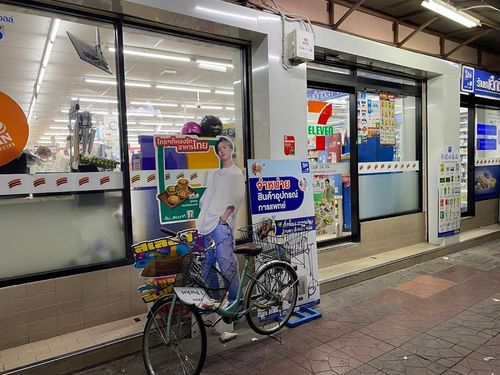
Khao San’s 24/7 reset button: ice‑cold A/C, ham‑cheese toasties, All Café iced lattes, water for 7–14 THB, and late‑night supplies from snacks to sunscreen—right by Rikka Inn.
Khao San Road
Attractions
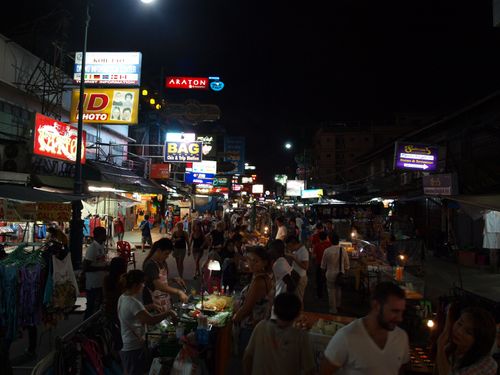
Bangkok’s backpacker carnival: curbside bars, live bands and DJs from 3pm–2am (midnight Sun). Street eats are cheap — pad thai 70–100 THB, mango sticky rice 60–100 THB. Come for wild people-watching; duck into Rambuttri for a calmer beer.
More Khao San Road Guides
- Bangkok to Chiang Mai by VIP Bus: Is the Extra Comfort Worth It?
- Bangkok to Chiang Mai by Bus: VIP Coaches, Overnight Routes, and What to Expect
- Bangkok to Chiang Mai Overnight Bus Guide: VIP Seats, Budget Fares, and the Best Companies
- Bangkok to Chiang Mai by Day Bus: When It Makes Sense and What the Ride Is Really Like