Bangkok to Chiang Mai on the VIP Overnight Bus: Routes, Operators, and Seat Types Explained
Ride the Bangkok–Chiang Mai overnight bus like a pro: operators, VIP seat types, prices, booking tips, safety, and how to get from Mo Chit to the Chiang Mai moat.
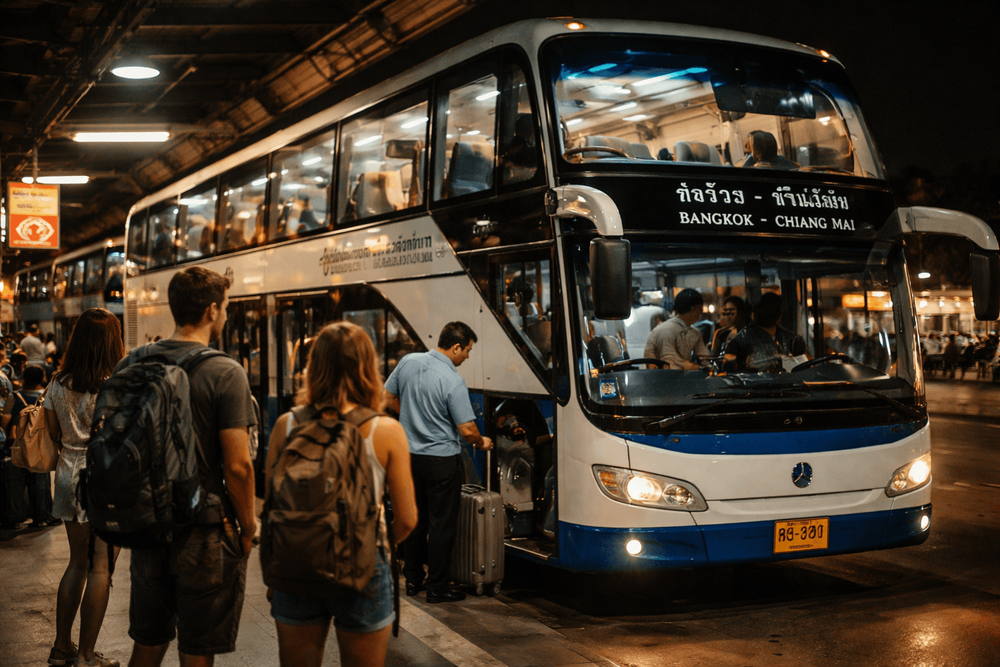
We’re shoulder to shoulder on Rambuttri, sliding our packs under a bus while the bass from Khao San Road thumps behind us and a cart grills moo ping that smells like sweet smoke and soy. The AC blasts our shins as we climb aboard—welcome to the Bangkok Chiang Mai overnight bus, the farang rite of passage that still makes sense if you want to save daylight, baht, and a bit of sanuk.
Bangkok to Chiang Mai Overnight Bus: Your Options
Where buses actually leave from in Bangkok
- Bangkok Bus Terminal (Chatuchak), better known as Mo Chit 2: This is the big, official northern terminal. If you want the widest choice of reputable operators and classes, you come here. It’s a haul from the river and Khao San, but it’s where the serious buses roll from.
- Operator-owned depots near Mo Chit: Nakhonchai Air has its own terminal off Kamphaeng Phet 2; Sombat Tour runs from its Ratchadaphisek hub. These can be calmer and better organized than the main terminal, with clear queues and staff in crisp uniforms.
- Khao San Road/Rambuttri pickups: Tourist agencies bundle you onto “VIP” coaches that load near Khao San and transfer to a big bus later or head straight north. Convenience is the draw here—no slog to Mo Chit—but standards vary. Double-check which class you’re buying and where you’ll actually board.
Typical departure windows are 18:00–22:30, with the sweet spot around 19:30–21:00 getting you into Chiang Mai after dawn.
Major operators you’ll see
- The Transport Company (BKS/บขส): The state-run backbone with a wide timetable ex-Mo Chit. Reliable, no-frills to mid-range VIP.
- Nakhonchai Air: Known for tidy coaches, uniformed crew, and two pricier tiers that actually deliver what the ticket promises.
- Sombat Tour: A traveler favorite for solid VIP24 and VIP32 classes, plus consistent maintenance.
- Bangkok Busline and a handful of private lines: Covering overflow and extra night departures, generally fine if you book through the official counters.
Those Khao San “VIP” buses are run by various tourist operators. Some are totally fine; some are just brightly lit recliners with a toilet you’d rather not visit. If you crave predictability, book Mo Chit or a named company depot.
Seat types explained (the real difference between VIP, First, and “VIP”)
- VIP 24 (2+1 seating): The gold standard. Only 24 seats, so you get a wide single seat on one side or a spacious double on the other. Leg rests, deep recline (160–170°), blanket, water, and usually a snack box. A toilet onboard that’s kept reasonably clean.
- VIP 32 (2+2 seating): Still comfy, more legroom than standard, but narrower than VIP 24. Good value.
- First/Gold/Deluxe (operator-specific): Nakhonchai Air’s First and Gold are closer to VIP 24/32 with better service and punctuality. Expect seat pitch and service to be clearly defined on their boards.
- “Tourist VIP” (Khao San buses): Can range from decent recliners to tired upholstery and flickering karaoke TVs. Sometimes the “VIP” is just marketing. Ask the agent: 2+1 or 2+2? How many seats? Onboard toilet? Any transfer?
If sleep matters, pay for VIP 24 and grab a single seat. If budget’s king, VIP 32 from a reputable line is a smart middle ground.
Travel time, prices, baggage, and what’s onboard
How long does it take?
Expect 9–11 hours depending on traffic leaving Bangkok and the number of rest stops. You’ll usually get a 20–30 minute break around midnight at a highway food court near Nakhon Sawan, Kamphaeng Phet, or Lampang. Lights blaze, soup steams, and a hundred half-asleep travelers stir noodles while a giant fan roars.
What you’ll pay
- VIP 24: roughly 800–1,100 THB
- VIP 32 / First Class equivalents: 600–900 THB
- Tourist “VIP” from Khao San: 500–800 THB depending on season
Fares spike around Thai holidays (Songkran in April, New Year, and long weekends). Buy early for Friday nights and the eve of public holidays.
Baggage rules (and what’s wise, not just allowed)
- Hold luggage: One big backpack/suitcase (around 20 kg) typically goes under the bus. Tag it and snap a photo of your tag number.
- Carry-on: Keep valuables with you—passport, cash, cards, phone, meds, and a light layer for the AC polar vortex. Don’t stash these in the hold or overhead bins you can’t see at night.
- Oversize items: Drivers are usually chill with a second small bag if the hold isn’t slammed, but don’t bank on it during holidays.
Onboard reality
- Arctic AC: Bring a hoodie and socks. Yes, socks in Thailand.
- Snack and water: Many VIP and First classes include a water bottle and a sealed snack or a coupon for the rest stop. Bring extra water; dehydration makes sleep slippery.
- Toilets: VIP buses usually have one. Use it early rather than after a bumpy stretch. Tourist buses sometimes say “toilet onboard” and mean “well, theoretically.”
- Entertainment: Seatback screens pop up on better coaches; otherwise it’s a dubbed action film playing to the entire bus. Earplugs fix 90% of grievances.
- Safety belts: Wear them. Thai highways can be smooth one minute, surprise pothole the next.
What to pack for sanity
- Hoodie, socks, eye mask, earplugs
- Light scarf or sarong as an extra layer
- Power bank (USB ports aren’t guaranteed)
- Small bills (20–100 THB) for the rest stop
- A spare mask if you’re sniffly; the AC dries out noses fast
Overnight bus vs flight, train, or day bus
We take the bus when we want to leave after a bowl of boat noodles on Phra Athit Road and wake up by the moat without losing a day. But it’s not for everyone.
Why the bus wins
- Leaves late, arrives early: Maximize daylight in both cities.
- Door-to-door-ish from Khao San: If you book a tourist pickup, you skip the Mo Chit trek.
- Price: Usually cheaper than flying and often less than a sleeper train berth.
- Frequency: Multiple departures every night across operators.
Where it falls short
- Sleep quality: A recliner is not a bed. Even VIP 24 is still a seat.
- Temperature roulette: Too cold for some, too warm near the back for others.
- Rest-stop wake-ups: Lights blaze, someone shouts “Chiang Mai!” and your REM cycle waves goodbye.
Compared to alternatives
- Sleeper train: More charm, actual beds, and that soothing rail clack. Slower door-to-door and berths can sell out. If you’re choosing between the two at night, our deeper comparison here helps: Bangkok to Chiang Mai at Night: Sleeper Train vs Overnight Bus vs Red-Eye Flight and the train deep-dive: Bangkok to Chiang Mai by Overnight Train: Which Class, Route, and Booking Method Is Best?.
- Flight: Fastest, obviously. Add airport transfers, check-in time, and you’re still burning 4–5 hours portal-to-portal. Not as wallet-friendly in peak season or at the last minute.
- Day bus: Great countryside views through Nakhon Sawan and Lampang, but it eats the whole day and the sun makes the cabin feel like a greenhouse.
If you’re leaning bus, we’ve laid out even more detail on VIP coaches and what to expect here: Bangkok to Chiang Mai by Bus: VIP Coaches, Overnight Routes, and What to Expect and a nitty-gritty night-bus survival read here: Bangkok to Chiang Mai by Bus at Night: Best Operators, Seat Types, and How to Sleep Through the Ride.
Booking tips, seat picks, safety, and the best times to roll
How and when to buy
- Stations and depots: Rock up to Mo Chit or an operator depot and buy from the official counter. You’ll see the class, the seat map, and the actual bus company on your ticket.
- Online via operator or reputable platforms: Handy if you want to lock a seat days in advance—especially VIP 24 single seats, which disappear first.
- Travel desks around Khao San/Soi Rambuttri: Convenient, but ask firm questions: Where do we board? Is the seat layout 2+1 or 2+2? Arrive at Arcade or elsewhere? Any transfers? If they get vague, walk away.
Book at least 2–3 days ahead for weekends; a week or more for Thai holidays and the late-November Loy Krathong/Yi Peng lantern rush in Chiang Mai.
Seat recommendations
- Solo? Grab a single on the 2+1 side (VIP 24). It’s the closest you’ll get to a rolling cocoon.
- Light sleepers: Avoid the last two rows (engine hum, toilet traffic). Middle of the coach over the wheels is usually the smoothest.
- Tall travelers: Pick the bulkhead row if legroom notes say so, but watch for fixed armrests.
- Motion-sensitive: Sit low and forward; window seats help you anchor your gaze if morning curves through Lampang get wiggly.
Safety and sanity checks
- Valuables: With you, always. We loop a small strap through our daypack and leg while we sleep. Low effort, high peace of mind.
- Bag tags: Take a quick photo of the baggage tag and your bag before it goes under.
- Seat belt: Click it. You’ll forget it’s on after two minutes.
- Agents and upsells: “Super VIP Super Super” means nothing without a seat map. Buy the product, not the adjective.
- Late-night arrivals: Most buses pull in at dawn. If your ticket says 04:30–05:00, plan for a groggy coffee and a cheap red truck into town.
Best times of year to travel
- Cool/dry (Nov–Feb): Pleasant arrivals, busy buses. Book early around festivals.
- Hot season (Mar–May): Night travel helps dodge the daytime furnace blast, but smoke season up north (typically March) can haze things up.
- Rainy season (Jun–Oct): Roads slick but quiet. Bring a light rain jacket for the Chiang Mai dawn chill.
Getting to your bus in Bangkok
From Khao San / Phra Athit:
- Taxi/Grab to Mo Chit: 150–300 THB depending on traffic and time. Add a bit for tolls if you hop on an expressway.
- City bus: Cheap but slow and sticky in rush hour. If you’re already sweaty from the khlong-side heat, skip it.
From the BTS/MRT grid:
- BTS to Mo Chit or MRT to Chatuchak Park, then taxi or city bus to the terminal (10–20 minutes if traffic behaves). BTS/MRT fares typically 16–59 THB depending on distance.
From the riverside:
- Chao Phraya Express Boat up to Phra Athit or Sathorn, then taxi or BTS. Fun, breezy, and a good last look at Wat Arun Ratchawararam Ratchawaramahawihan glowing if you ride near sunset.
If you booked a Khao San pickup, confirm the exact soi and time. We’ve seen 19:00 pickups become 19:45 “just wait here, boss” as the agent juggles passengers like tetris blocks.
Arrival in Chiang Mai: where you land and how to roll onward
Most overnight buses arrive at Chiang Mai Arcade Bus Terminal (Terminal 2/3), about 3 km east of Tha Phae Walking Street. It’s a tidy sprawl of platforms, 7-Eleven chill, and red songthaews idling like a cherry-red fleet.
Typical drop-offs
- Arcade Terminal (official buses and big operators): Expect this 90% of the time.
- Old City/Tourist office (some Khao San services): A few companies will drop near the moat or Tha Phae Gate at dawn—ask before booking if that matters to you.
Getting into town
- Red songthaew (rot daeng): Shared pickups cruising routes into the Old City for about 30–60 THB if you wait for more riders. If you charter one, expect 100–150 THB to the moat, 150–200 THB to Nimmanhaemin.
- Grab/bolt-style rides: 120–220 THB to most central areas depending on time and demand.
- Tuk-tuks: Fast and fun, a little pricier than songthaews, good if you’ve just got a daypack.
If it’s painfully early and your guesthouse isn’t awake yet, stash your bag with the front desk if they’ll let you. We like to wander the eastern moat—Moon Muang Road wakes up slow with monks on alms rounds, coffee grinders sputtering, and the first woks hissing to life.
Where to sleep (general pointers)
- Inside the moat (Old City): Easiest for first-timers—temples, markets, and cheap eats within flip-flop range.
- Nimmanhaemin: Cafes, craft beer, and later nights; a quick ride west of the Old City.
- Santitham/Wua Lai: Quieter, local vibes, great for weekly stays on a budget.
We usually crash somewhere with a pool if we know we’ll be rolling in after an overnight ride—the midday dunk resets body clocks shockingly well.
Know before you go: small things that pay off big
- Eat light before boarding: A bowl of khao soi at Satri House levels is a dream, but heavy curries at 21:00 can haunt you over Nakhon Sawan. Keep it simple—no regrets at the rest stop.
- Hydrate, but not too much: Aim for that sweet spot where you’re not worshipping the onboard loo every 90 minutes.
- Layers beat bravery: The driver’s AC remote is not your friend.
- Set alarms: One for the rest stop if you want it, one 30 minutes before ETA to collect your gear and wake up your joints.
- Expect Thai-time drift: 15–45 minutes late is not “late,” it’s Tuesday. Don’t book a tight elephant sanctuary pickup or cooking class the same morning you arrive.
Quick sample timeline (VIP 24 from Mo Chit)
- 18:30: Taxi to Mo Chit; ticket counter check-in and snack grab. The terminal buzzes under bright white lights and the smell of fried chicken.
- 19:30: Board; we tuck valuables in a sling under our hoodie and claim our blanket.
- 21:00: Highway hum settles; Bangkok’s neon gives way to inky rice fields.
- 23:45: Rest stop—brisk air, bowls of noodles slurped in 10 minutes flat.
- 02:00–05:00: Sleep, wake, repeat. Earplugs work miracles.
- 06:00–07:00: Roll into Chiang Mai; misty Doi Suthep peeks out as red trucks swarm.
The bottom line
If you want the best shot at real sleep on the Bangkok Chiang Mai overnight bus, pay for VIP 24 with a single seat, leave from Mo Chit or a reputable depot, and keep your valuables in reach. If convenience wins, a Khao San pickup works—just ask the right questions and set your expectations around the word “VIP.”
We’ll be the ones in row 5 in hoodies, waking up to a pale Chiang Mai dawn, riding a red truck along the moat to caffeinate before the city fully blinks awake. See you at Tha Phae Gate.
Related Hotels & Places
Khao San Road
Attractions
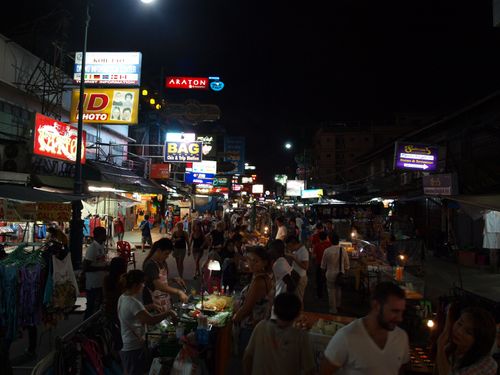
Bangkok’s backpacker carnival: curbside bars, live bands and DJs from 3pm–2am (midnight Sun). Street eats are cheap — pad thai 70–100 THB, mango sticky rice 60–100 THB. Come for wild people-watching; duck into Rambuttri for a calmer beer.
Rambuttri
Markets
Khao San’s calmer cousin: a tree‑shaded lane of VW van cocktail bars, open‑air foot massages, pad thai grills, and easygoing live bands. Best from sunset to 11pm; beers 80–120 THB, cocktails 150–220 THB. One block from the chaos, all the charm.
Tha Phae Walking Street
Shops
Wat Arun Ratchawararam Ratchawaramahawihan
Temples
More Khao San Road Guides
- Bangkok to Chiang Mai by Bus: Day vs Overnight Options, Comfort, and Booking Tips
- Bangkok to Chiang Mai Overnight Bus Guide: VIP Seats, Budget Fares, and the Best Companies
- Bangkok to Chiang Mai by Bus: VIP Coaches, Overnight Routes, and What to Expect
- Bangkok to Chiang Mai Overnight Travel Guide: Sleepers, Night Buses, and Flight Timing