Bangkok to Chiang Mai by VIP Bus: Is the Extra Comfort Worth It?
VIP 24 vs VIP 32 seats, prices, routes, booking tips, and real on-board details for the Bangkok–Chiang Mai VIP bus—so you actually sleep and arrive smiling.
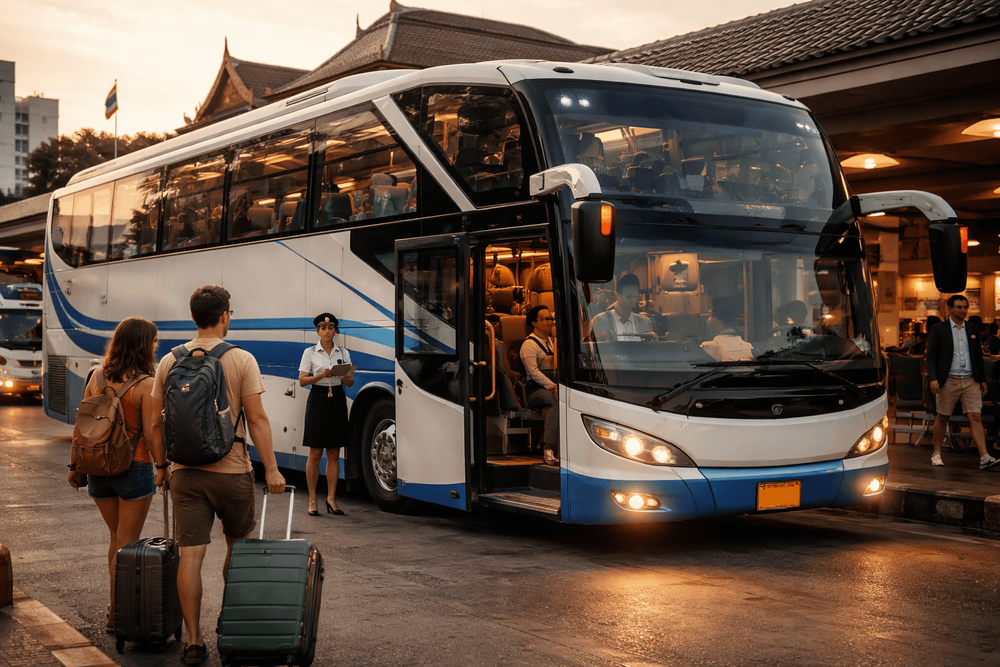
We’re shoulder-to-shoulder in the glow of Mo Chit’s fluorescent lights, snack aisles raided, blanket tucked under an arm, and the blast of 7-Eleven AC still clinging to our skin like a souvenir. Engines purr out on the platform; drivers in crisp shirts trade sawadee with porters who stack luggage with ballet precision. This is the Bangkok to Chiang Mai VIP bus ritual—part night migration, part soft-launch into the North—where the capital’s thump fades and the mountains call. If you’re weighing whether to go VIP or save a few baht, pull up a plastic stool and let’s sort it together.
Data Freshness + Pricing:
- Prices are approximate and in THB.
- Last checked: June 2026.
- Happy hour and promo details change frequently—confirm locally.
Bangkok to Chiang Mai VIP Bus: What It Is and Who It’s For
VIP buses in Thailand are the sweet spot between budget first-class and sleepable luxury. You’ll see labels like VIP 24, VIP 32, First Class, and “Gold”—fancy words for bigger seats, deeper recline, more legroom, and fewer fellow passengers. Think 1-2-1 or 2-2 layouts, footrests, a blanket, bottled water, and sometimes a snack box. There’s an onboard toilet, AC that could refrigerate a khlong, and usually a late-night rest stop where we stretch under sodium lamps and eat stir-fry off plastic trays.
Who should ride a Bangkok to Chiang Mai VIP bus?
- Night owls and budget-concerned travelers who still want comfort
- Folks staying around Khao San Road or Samsen sam Place who like direct pick-ups or easy access to Mo Chit
- Taller farang who need legroom without paying flight prices
- Anyone who values arriving in Chiang Mai before sunrise without losing a day
Who might skip it?
- Light sleepers who need a fully flat bed—trains have bunks that win on true horizontals
- People with tight schedules—flights are faster door-to-door
- Anyone anxious about curvy mountain roads (though most of the route is flat until Lampang)
Route, Time, and Terminals: The Nuts and Bolts
The road distance from Bangkok to Chiang Mai hovers around 680–720 km depending on the route. Expect 9–11.5 hours, with VIP buses often on the faster end thanks to fewer seats and slicker logistics.
Departures in Bangkok
- Bangkok Bus Terminal (Chatuchak), still called Mo Chit 2 by locals, is VIP central for the North. It’s not right by BTS Mo Chit—count on a 10–20 minute taxi or city bus from the BTS/MRT area. From Khao San or Phra Athit Road, a metered taxi to Mo Chit is approx. 120–200 THB depending on traffic.
- Some operators and travel agents do pick-ups near Khao San Road and Soi Rambuttri. Convenient, yes—but scrutinize the operator’s reputation. “Tourist VIP” buses from backpacker alleys can be hit-or-miss on punctuality and luggage security. If in doubt, we head to Mo Chit.
Typical evening departures cluster between 18:00–22:30, with daytime runs around 08:00–10:00 for those who want to watch rice fields roll by.
Arrival in Chiang Mai
You’ll land at Chiang Mai Arcade Bus Terminal (Terminals 2/3), a few kilometers northeast of the Old City. Outside, a phalanx of red songthaews waits. Join a shared ride into the moat area for approx. 40–80 THB per person, or grab a private taxi/Grab for approx. 120–200 THB to the Old City, Nimmanhaemin, or the riverside near Warorot Market.
The Route Itself
Leaving Bangkok, we slip past Don Mueang’s runway lights and into a river of semis. Around Nakhon Sawan, the city glow lifts; by Kamphaeng Phet and Tak, the stars do their thing. The last stretch north of Lampang gets cooler and greener even before dawn. Expect one or two service-station stops—cleaner than you’d think, brighter than you’d hope at 2 AM.
On-Board VIP Experience: Seats, Stops, Luggage
Seats & Layouts: VIP 24 vs VIP 32
- VIP 24: 24 seats total, usually 1-2-1 layout. If you’re traveling solo, that single column of seats is gold—no neighbor, more elbow room, and a better shot at true shuteye. Recline angles are generous, often with calf rests.
- VIP 32: 2-2 layout with plush seats and decent pitch. Not quite as spacious as VIP 24, but still leagues better than standard first-class buses.
Seat width and legroom vary by operator, but plan on approx. 18–21 inches wide and 36–42 inches of pitch. Front half of the bus rides smoother; the far rear has engine hum and toilet proximity—you’ll feel more bumps and foot traffic. We book rows 2–6 when we can.
Amenities & Comfort
- AC: Strong. Bring a light layer; that blanket helps but cold air seeps like a gossiping tuk-tuk driver.
- Power: Some buses have USB or 220V outlets; consider it a bonus, not a guarantee. Charge up beforehand.
- Wi-Fi: Advertised on occasion, rarely reliable. Download playlists before leaving Soi Rambuttri.
- Snacks: Expect 1 bottle of water and sometimes a snack box (biscuit, bread, juice). At the service stop, you may get a meal coupon—rice and curry, noodle soup, or fried chicken with sticky rice. Bring 50–120 THB approx. in cash if you want extras.
Noise and light etiquette is mixed. Eye mask and earplugs boost the odds of real sleep. The best bedtime story is the hum of the highway after Nakhon Sawan.
Luggage & Security
- Big bags go in the undercarriage. Tag your luggage and snap a quick photo before it disappears. You’ll collect it at Arcade.
- Carry-on goes overhead or at your feet. Keep passports, cards, electronics, and meds on you. We use a small daypack as a pillow with straps looped around a leg—it’s not paranoia, it’s Bangkok graduate school.
- If you’re boarding from Khao San or Phra Athit Road, be extra vigilant; third-party handlers are sometimes involved. Locks help; so does ignoring anyone who insists on storing your bag “for you.”
Rest Stops & Bathrooms
Most VIP buses have a single onboard toilet. It’s fine for emergencies but we time our breaks to the service plazas—brighter lights, better aim. The bus will usually pause 15–30 minutes, once around midnight and sometimes again before dawn. Always note the bus number and bay; the plaza can look like a spaceship hangar after two hours of half-sleep.
Prices, Booking, and Picking the Right Bus
How Much Does a VIP Ticket Cost?
- VIP 32 / First Class: approx. 650–900 THB depending on time and operator
- VIP 24 / Premium / “Gold”: approx. 850–1,200 THB
- Daytime services can be slightly cheaper; weekend/holiday nights nudge higher. Government-run lines trend toward the lower end; boutique VIP services command more for the extra space.
Where to Book
- Terminal counters at Mo Chit: The most reliable way to scope seat maps and compare classes on the spot. Same-day tickets are possible outside holidays, but we book 1–3 days ahead for VIP 24.
- Reputable travel agents around Khao San Road and Soi Rambuttri: Convenient, but confirm the exact class (VIP 24 vs VIP 32) and the operator name before you pay. Ask to see a photo of the actual seat layout.
- Official operator websites and Thai-language apps: Often the best prices; watch for “VIP 24” labels. If your Thai is rusty, screenshots and translation go a long way.
For a deeper dive into bus classes, routes, and how to snag good seats, we’ve broken it down here: Bangkok to Chiang Mai by Bus: Overnight Routes, Comfort, Stops, and Best Booking Tips.
Choosing an Operator and Departure Time
- If sleep is the mission, target the 20:00–21:30 window. You’ll miss Bangkok’s worst rush, hit the service stop before midnight, and roll into Chiang Mai around sunrise.
- VIP 24 is worth the extra baht if you’re tall or traveling solo. Solo seats make a difference over nine hours.
- Ask about meal coupons, power outlets, and rest stop timing at the counter. Staff will tell you more than the website.
- Avoid any ticket that’s weirdly cheap compared to the day’s range. If it sounds like 500 THB for “VIP 24” at 8 PM on a Friday, it’s probably not.
First‑Timer Tips and How VIP Buses Compare
What to Bring On Board
- Light sweater or scarf—AC is arctic
- Eye mask and earplugs—your future self will high-five you
- Phone power bank—don’t trust bus sockets
- Slip-on shoes for quick rest-stop runs
- Tissues and hand gel for bathroom roulette
- A big bottle of water and a small snack (7-Eleven at Mo Chit is your friend)
Safety and Sleep Strategies
- Buckle up—seatbelts are there for a reason.
- Choose a seat away from the toilet. The mid-front tends to be the quietest.
- If you get motion sick, avoid the back row and face forward at service stops. Fresh air helps.
- Valuables on your person, zipped. Don’t stash passports in the under-bus hold.
VIP Bus vs Night Train vs Flight
- Night Train: You get a real bunk, the gentle clack instead of highway hum, and waking up just south of the mountains is a vibe. For berth classes, booking windows, and which side of the carriage gets sunrise, we’ve got you: Bangkok to Chiang Mai by Night Train: Sleeper Classes, Booking Tips, and What to Expect.
- Flight: Don Mueang to Chiang Mai is about 1h15 in the air, but add airport transfers, check-in, and luggage fees. Low-cost carriers can dip to approx. 900–1,600 THB in promos; luggage bumps that up. If you’re torn, our comparison piece lays it out side-by-side: Bangkok to Chiang Mai by Train vs Bus vs Flight: Which Trip Is Best for Your Budget and Schedule?.
- Bus (VIP): Best balance of price and comfort, especially if you’re based near Khao San/Phra Athit and want a night departure without airport faff. If your dates are flexible, cross-check against broader options here: Bangkok to Chiang Mai: The Best Ways to Travel.
Getting There: From Khao San to Mo Chit—and What Happens After
Reaching Mo Chit from the Old City Backpacker Bubble
- Taxi/Grab from Khao San Road or Soi Rambuttri: approx. 120–200 THB depending on time and traffic. Leave 60–90 minutes before departure; Bangkok behaves badly at rush hour.
- BTS + taxi combo: BTS to Mo Chit or MRT to Chatuchak Park, then a short taxi or bus to the terminal (approx. 60–100 THB door-to-door after the train).
- City buses run there too, but we skip them with luggage—Bangkok bus ballet is for light days.
At the terminal, grab dinner early: rice and basil chicken, boat noodles with that peppery slap, or a bag of mango sticky rice for the bus. It’s not glamorous, but it’s sanuk in its own fluorescent way.
Arriving at Arcade, Chiang Mai
We like to time our arrival coffee with dawn—Arcade’s kiosks stir to life around first light. Red songthaews circle like sharks with smiles. Tell the driver your soi near the moat—Chiang Mai drivers know the Old City gates better than their birthdays. If you’re heading to Nimman, say “Nimmanhaemin Soi 9” and watch the smartphone map nods.
If you’re winging it on accommodation, the Old City’s east side (near Tha Phae Gate) wakes up first; Nimman sleeps in, then serves good espresso. Prices climb during festivals—Loy Krathong, Songkran, Flower Festival—so either book ahead or embrace the hunt with a bag of patience.
Downsides to Consider (And Why We Still Ride)
- The AC can be ridiculously cold—blankets help, but if you run cold, layer up.
- The highway lull isn’t for everyone. If you need a totally flat bed, go train.
- Wi-Fi claims are aspirational. Download everything before you leave Phra Athit Road.
- Khao San/Rambuttri “VIP” services vary wildly; stick with terminal departures if you want predictability and better luggage control.
Even with those caveats, the Bangkok to Chiang Mai VIP bus is a small victory for balance: not as cheap as the rock-bottom coaches, not as pricey as flying, but dependable, night-friendly, and surprisingly cozy when the cabin lights dim and the driver settles into a steady rhythm.
Quick FAQ We Wish Someone Told Us
- How early should we arrive at Mo Chit? 30–45 minutes is sane. Holidays? 60–90 minutes.
- Is there food on board? Sometimes a snack box and water. The real food’s at the rest stop; bring cash (approx. 50–120 THB) for top-ups.
- Luggage weight limits? Officially around 20 kg in the hold, but enforcement is… Thai. Still, don’t show up with a houseplant and a scooter.
- Are there female-only seats? Not usually. If that matters, consider the night train where some classes offer women-only options.
When we roll back into the humid hug of Bangkok, we still get a little thrill stepping onto the cool, dim aisle of a VIP coach and watching the city fade to neon smudges. If you’re up for the road, snag that single seat, pack a scarf, and meet us at Mo Chit. Chiang Mai’s morning air tastes different—cooler, greener, like a promise kept.
Related Hotels & Places
7-Eleven
Shops
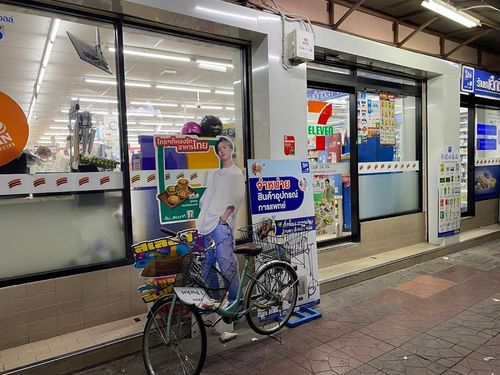
Khao San’s 24/7 reset button: ice‑cold A/C, ham‑cheese toasties, All Café iced lattes, water for 7–14 THB, and late‑night supplies from snacks to sunscreen—right by Rikka Inn.
Khao San Road
Attractions
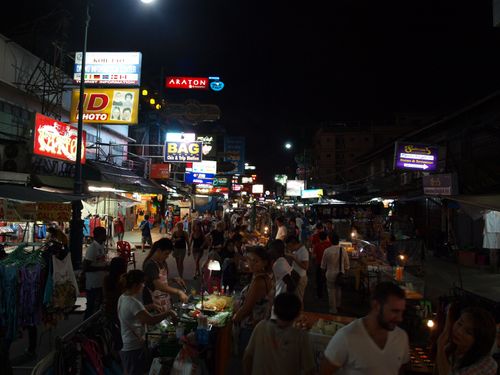
Bangkok’s backpacker carnival: curbside bars, live bands and DJs from 3pm–2am (midnight Sun). Street eats are cheap — pad thai 70–100 THB, mango sticky rice 60–100 THB. Come for wild people-watching; duck into Rambuttri for a calmer beer.
Samsen sam Place
Hotels
Samsen sam Place provides flawless service and all the necessary facilities for visitors.Stay connected with your associates, as complimentary Wi-Fi is available during your entire visit. The homestay offers taxi amenities to assist you in discovering your desired offerings in Bangkok. The homestay
More Khao San Road Guides
- Bangkok to Chiang Mai by VIP Bus: Is the Extra Seat Space Worth It?
- Bangkok to Chiang Mai on the VIP Overnight Bus: Routes, Operators, and Seat Types Explained
- Bangkok to Chiang Mai by Bus: VIP Coaches, Overnight Routes, and What to Expect
- Bangkok to Chiang Mai Overnight Bus Guide: VIP Seats, Budget Fares, and the Best Companies