
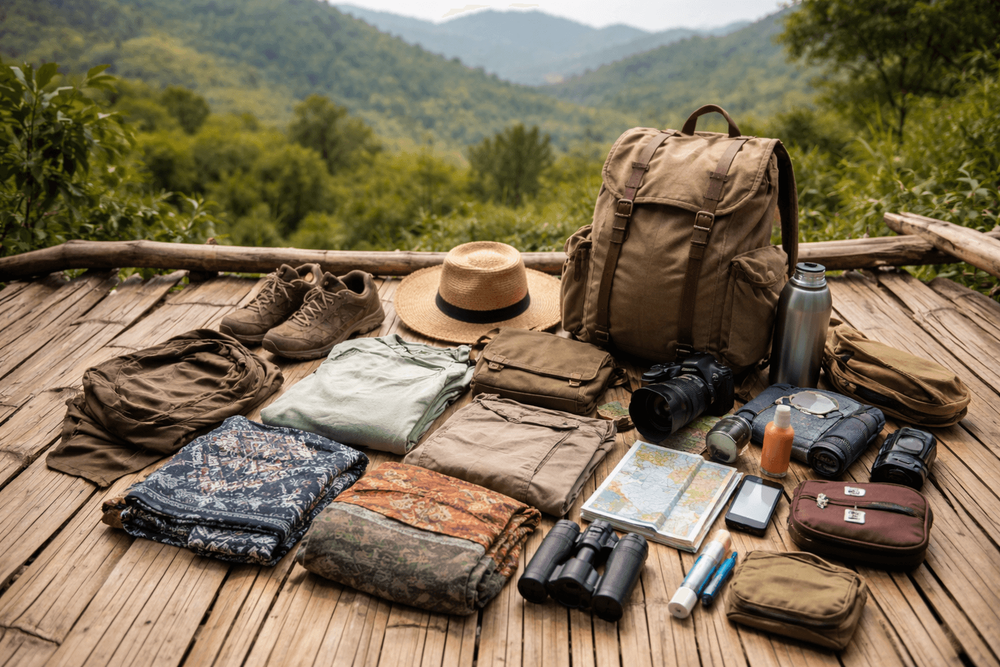
Backpacker Packing List for Thailand’s Chiang Rai and Golden Triangle Trip: Borderland Comfort, Sun Protection, and Rural Basics
A field-tested Chiang Rai packing list for temples, mountains, and the Golden Triangle—layers, sun/rain gear, mozzie defense, and smart extras for day trips.
We step off the Green Bus into Chiang Rai and the air already feels different—cooler at night, softer in the morning, a hint of mountain mist riding the breeze. The Clock Tower glows gold and surreal, grills smoke on Thanon Jet Yod, and a 7-Eleven door blasts us with that polar AC we love-hate. This is our Chiang Rai packing list—the one we wish someone handed us before we chased dawn at Phu Chifa ดาวเรือง, baked white-hot at Wat Rong Khun, and dozed through switchbacks on the road to the Golden Triangle.
Chiang Rai Packing List: Essential clothing and footwear
City and temple days
You’ll walk a lot here—between the Night Market, the Blue Temple (Wat Rong Suea Ten), and the Black House (Baan Dam). For temples, modest is the move: shoulders and knees covered, nothing sheer. We pack:
- 1-2 pairs of lightweight pants or midi/maxi skirts (linen or quick-dry blends)
- 3-4 breathable tees or polos (short sleeves are fine for most temples if shoulders are covered)
- A light scarf or sarong for quick temple cover-ups
- Thin socks for hot temple tiles—you’ll slip shoes off at entrances
- A breezy button-up for sun and etiquette points
Tip: Chiang Rai runs cooler than Bangkok, especially at night. A thin long-sleeve layer makes those post-street-food rambles around the Clock Tower more comfortable.
Day trips, gardens, and gentle hikes
Singha Park’s trails, Mae Fah Luang Garden, and riverside strolls are easy-going, but the sun can be relentless at midday:
- Quick-dry shorts or hiking pants
- UPF long-sleeve or airy sun shirt
- Wide-brim hat or cap (strap it down on windy ridgelines)
- Performance socks to keep blisters rare
Footwear we swear by:
- Lightweight travel sneakers for city and light trails
- Grippy sandals (think wet steps at waterfalls)
- Trail shoes only if you’re doing proper trekking—otherwise overkill
Cool-season and mountain mornings
If you’re chasing sunrise at Phu Chi Fa, Doi Tung, or Mae Salong during Nov–Feb, dawn can bite. We bring:
- Thin fleece or light down jacket (packable)
- Beanie and light gloves (optional but blissful at 5 a.m.)
- Leggings or thermal tights under pants for a pre-dawn ride
Laundry is easy
Laundry shops do wash-and-fold for about 30–60 baht per kilo, and coin machines pop up near the bus terminal area. Quick-dry fabrics earn their keep; we rotate outfits guilt-free.
Must-pack items for rain, sun, mosquitoes, and changing temperatures
Rain gear for sudden downpours
Chiang Rai’s wettest months hit roughly May–Oct, with flash storms that blow in like a tuk-tuk changing lanes.
- Compact umbrella or a thin rain jacket
- Cheap poncho (30–60 baht at markets) for scooters and surprise showers
- Dry bag or roll-top liner for keeping your daypack camera and passport safe
- Zip bags for your phone—low-tech works when the sky dumps a khlong’s worth of water in ten minutes
Sun protection that actually works
The White Temple’s blinding glare isn’t just metaphorical. Pack:
- SPF 50+ reef-safe sunscreen (imported brands cost more up here; grab it before you come or expect 350–600 baht)
- Polarized sunglasses
- Lip balm with SPF
- Aloe or after-sun gel for the “we forgot to reapply” moments
Mosquito defense without smelling like a chemical factory
Dengue hangs around cities; malaria risk is low and highly localized in forest borders, but we still play defense.
- Picaridin or DEET-based repellent (local brands start around 80–150 baht)
- Light long pants for dusk near rivers and rice fields
- Plug-in mosquito repeller for guesthouse rooms if you’re a mozzie magnet
- If you love prep, permethrin-treated clothing helps, but it’s optional
Temperature swings, sorted
- Pack one warm item year-round. Even in April, we’ve shivered on over-air-conditioned buses and at sunrise over the Mekong.
- A thin neck gaiter or scarf doubles for warmth, dust, and smoke season.
Important travel documents, money, health items, and electronics
Documents we don’t leave without
- Passport with several spare pages
- Digital copies of passport/visa/insurance backed up in cloud + phone
- Travel insurance details (photo of policy + hotline number)
- International Driving Permit if you plan to rent a scooter; Thai police sometimes ask, and it’s worth the sanuk tax you’ll save
- If you’re day-tripping to Mae Sai and the border zone, rules change—bring your passport and check current entry/visa guidance with official sources before attempting any crossings
Money and payments in the borderlands
- ATMs are plentiful in town but can charge 220–250 baht per withdrawal. Use a fee-refund card if you’ve got one, and pull out a chunk at a time
- Many rural shops and mountain homestays are cash-only—stash small bills (20s/50s) for noodles, songthaews, and sticky rice
- A slim money belt or neck pouch is handy on packed buses
Health kit we actually use
- Oral rehydration salts (10–15 baht per sachet) and electrolyte tabs
- Anti-diarrheal meds and probiotics if your stomach is a farang diva
- Antihistamines for bites and mystery plants
- Painkillers, motion-sickness tablets for curvy roads to Phu Chi Fa
- Small first-aid pouch: plasters, blister pads, antiseptic wipes, tweezers
- Any prescriptions in original packaging with a photo of the script
Electronics and connectivity
- Universal adapter and a compact 3-outlet power strip (220V is standard)
- Power bank (10,000–20,000 mAh) for long days and longtails on the Mekong
- Headlamp for pre-dawn viewpoints and dim guesthouse stairwells
- Camera or phone with extra memory and a microfiber lens cloth; dust sneaks in at the Golden Triangle
- Local SIM or eSIM—AIS/True/DTAC shops can register with your passport; 7-Eleven sells top-ups everywhere
- Offline maps for backroads where signal takes a nap
If you’re carrying serious photo gear, our take on batteries, straps, and weatherproofing lives here: Thailand Packing List for Backpackers Carrying Cameras and Travel Gear.
Practical extras for day trips, long bus rides, and mountain excursions
Daypack and on-the-go kit
- 15–20L daypack with a chest strap
- 1L refillable water bottle (bottled water is 7–15 baht; refill stations are common in town)
- Compact microfiber towel for waterfall detours
- Tissue packs and hand sanitizer (public toilets often lack both; tissue packs cost ~10 baht)
- Small quick-dry scarf or sarong for sun, temple visits, picnics on bamboo platforms
- Snacks—sticky rice, bananas, peanuts—because bus schedules are optimistic
- A tiny trash bag; let’s keep trail viewpoints as clean as that temple marble
Bus and minivan survival kit
The Chiang Mai–Chiang Rai route runs about 3–4 hours depending on stops, and AC can swing from tropical to tundra.
- Light hoodie or shawl for AC
- Earplugs and eye mask for naps
- Neck pillow if you’ve got the space
- Downloaded playlists and podcasts—signal fades on rural stretches
Mountain and rural add-ons
- Lightweight gloves and hat for sunrise, even outside cool season
- Small dry bag for boat rides at the Golden Triangle or river caves
- Trekking poles are optional; most trails are manageable without
- A bandana or mask for dust or smoke in late Feb–Apr
Useful packing tips for different trip styles
Budget backpackers
Chiang Rai is kind on the wallet if you pack smart.
- Microfiber towel, padlock, and a mesh laundry bag keep hostel life tidy
- Collapsible bowl, spork, and a pocket knife (checked luggage) turn 20–40 baht fruit and market finds into real meals
- Coin laundry beats hotel rates; air-dry overnight
- Grab a cheap poncho and locally made bar soap to save baht
- Our wallet-friendly master list is here: Thailand Packing List for Budget Backpackers: Low-Cost Gear, Laundry Strategy, and Smart Replacements
We usually crash in guesthouses near the Night Bazaar for easy food runs and early buses—look for places with a kettle, decent fan or AC, and laundry downstairs. A small pool is a bonus after a dusty day at Baan Dam.
Culture chasers (temples, museums, markets)
- Neutral, breathable clothing that covers shoulders/knees—temple attendants appreciate the respect
- Slip-on shoes make temple-hopping easy; add clean socks in your daypack
- A compact shawl that doubles as sun shield in midday queues at Wat Rong Khun
- Small donation-ready cash (20–100 baht notes) for temple boxes
Multi-day Northern Thailand itineraries
If you’re pairing Chiang Rai with Chiang Mai, Pai, Mae Hong Son, or Nan, balance layers and space.
- One warm layer is non-negotiable for mountain dawns
- Use packing cubes and label by “City,” “Temple,” and “Trek”—saves rummaging in dorm rooms
- Keep valuables and a fresh tee in your daypack in case your big bag rides under a bus in a rainstorm
- Cross-check ideas with our broader city circuit guide: Backpacker Packing List for Thailand’s Northern Cities: Chiang Mai, Chiang Rai, and Pai Seasonal Essentials
- If you’re doing loops with mountain passes and tiny towns, this helps too: Backpacker Packing List for Thailand’s Northern Loop: Cool-Night Layers, Trekking Gear, and Small-Town Basics
Photographers and drone pilots
- Spare batteries—cold dawns drain them fast
- Rain cover or a simple shower cap for surprise downpours
- Neutral clothing to avoid reflections in White Temple mirrors
- If flying a drone, make sure you understand Thai regulations and local restrictions; some temple and border areas are no-fly
Solo travelers
- Door wedge, tiny personal alarm, and a simple rubber band for curtains—cheap peace of mind
- Share live location with a buddy before dawn rides to viewpoints
- A mini first-aid kit and a comfort snack for late-night bus arrivals
- More solo-savvy ideas here: Thailand Packing List for Solo Backpackers: Safety, Convenience, and Easy-to-Carry Essentials
Know Before You Go: Chiang Rai basics
Seasons and smoke
- Cool and dry (Nov–Feb): crisp mornings, blue skies—bring warm layers for dawn
- Hot (Mar–May): intense sun; early starts and siestas are your friend
- Wet (May–Oct): lush hills and afternoon storms; rain gear essential
- Burning season can haze the air around Mar–Apr—pack a lightweight mask if you’re sensitive
Getting there and around
- Buses from Chiang Mai to Chiang Rai take roughly 3–4 hours. Book earlier for weekends and holidays
- In town, tuk-tuks and songthaews get you to the Bus Terminal, Night Bazaar, and river; Grab works too
- Scooter rentals hover around 250–350 baht/day; always wear a helmet and carry your IDP
- For Golden Triangle day trips, consider a driver if you’re not used to mountain roads; bring water, snacks, and that warm layer for dawn
Where we like to stay (no names, just neighborhood smarts)
- Near the Clock Tower: walkable noodles at night, easy coffee in the morning
- Close to the Night Bazaar/Bus Terminal 1: clutch for early buses and cheap eats
- By the river around Thanalai: quieter nights, breezy evenings
Whatever your base, we scout for: solid Wi‑Fi, softish mattresses (we’ve suffered planks), and a staff happy to stash our bags during sunrise runs.
The quick checklist
- Modest, breathable temple wear (+ scarf)
- Quick-dry city/outdoor layers
- Light fleece or down for mountain dawns
- Grippy sandals + travel sneakers
- Rain jacket or poncho, compact umbrella, dry bag
- SPF 50+, polarized sunnies, lip balm
- Picaridin/DEET repellent, antihistamines
- ORS, basic meds, first-aid kit
- Passport, copies, insurance info, IDP
- Universal adapter, power bank, headlamp, local SIM
- 15–20L daypack, microfiber towel, tissues, sanitizer
- Refillable water bottle, snacks, small bills

Pack this lot and we’re set to chase gold-pink sunrises over Laos, glide through tea hills at Mae Salong, and blink at the mirror-bright White Temple without frying. We’ll see you on the ridge at first light—coffee in one hand, scarf in the other, feeling smug we brought that extra layer when everyone else is shivering.
Related Hotels & Places
Night Market
Markets
Khao San’s nightly bazaar: street eats, bargain tees, roti and pomegranate juice, plus beer towers and cocktail buckets. Stalls ramp up from late afternoon; prime time is 8pm–1am, especially Fri–Sat. Shop, snack, haggle, then slip to Rambuttri for a calmer lap.
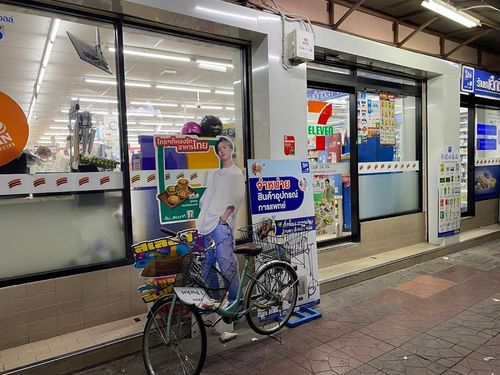
7-Eleven
Shops
Khao San’s 24/7 reset button: ice‑cold A/C, ham‑cheese toasties, All Café iced lattes, water for 7–14 THB, and late‑night supplies from snacks to sunscreen—right by Rikka Inn.
Phu Chifa ดาวเรือง
Hotels
Recommended Products
More Khao San Road Guides
- Backpacker Packing List for Thailand’s Northern Loop: Cool-Night Layers, Trekking Gear, and Small-Town Basics
- Backpacker Packing List for Thailand’s Northern Loop: Chiang Mai, Pai, and Cool-Weather Essentials
- Backpacker Packing List for Thailand’s Northern Cities: Chiang Mai, Chiang Rai, and Pai Seasonal Essentials
- Backpacker Packing List for Thailand’s Northern Loop: Mountains, Cooler Nights, and Long Travel Days