
What to Pack for Thailand Backpacking for Long Bus and Train Days: Comfort, Security, and Overnight Ride Essentials
Our field-tested Thailand long travel packing list for buses and trains: comfort, security, and overnight ride essentials so you arrive ready to explore.
We’re shoulder-to-shoulder in the queue at Mo Chit Bus Terminal, the fluorescent lights buzzing like cicadas, the smell of fried chicken skin mixing with diesel. A driver yells “Chiang Mai! Chiang Mai!” and we do the last-minute dance: a cold 10-baht water from 7-Eleven, a bag of sticky rice and moo ping for the road, earplugs ready for the onboard Thai soap opera. This is the Bangkok-to-everywhere ritual, and a good Thailand long travel packing list is what turns the next 8–14 hours into sanuk instead of suffering.
We’ve hauled packs across Khao San Road, sprinted to trains at Krung Thep Aphiwat (Bang Sue), and slept upright more times than our spines care to remember. Here’s everything we actually carry for long bus and train days in Thailand—what earns its keep in the heat, the humidity, and the icebox AC that bus crews love.
Know Before You Go: The Reality of Long Rides in Thailand
- Buses crank the AC. Like, blanket-and-socks cold. You’ll sweat on the platform then freeze by Ayutthaya. Layers are life.
- Trains are vibe-rich but slower. Night trains hum you to sleep; daytime third-class is windows-down, hair-in-the-wind, mango-sellers-hopping-on style. Many long-distance departures now run from Krung Thep Aphiwat (Bang Sue). Some regional services still use Hua Lamphong.
- Stops are unpredictable. Some buses pull into a neon-lit highway food court at 2 AM; others blast through. Pack your own snacks.
- Toilets vary. VIP buses usually have them; ordinary ones might stop at a roadside station. Trains = onboard bathrooms (bring tissue).
- Luggage access mid-journey is rare. Keep a ride-day kit in your daypack; big bag goes under the bus or on the rack.
Tip: If you’re staying around Khao San, we time our departures with an early dinner on Soi Rambuttri or Phra Athit Road, then grab a quick tuk-tuk to the terminal so we’re not showing up hangry.
Thailand Long Travel Packing List: What We Actually Carry
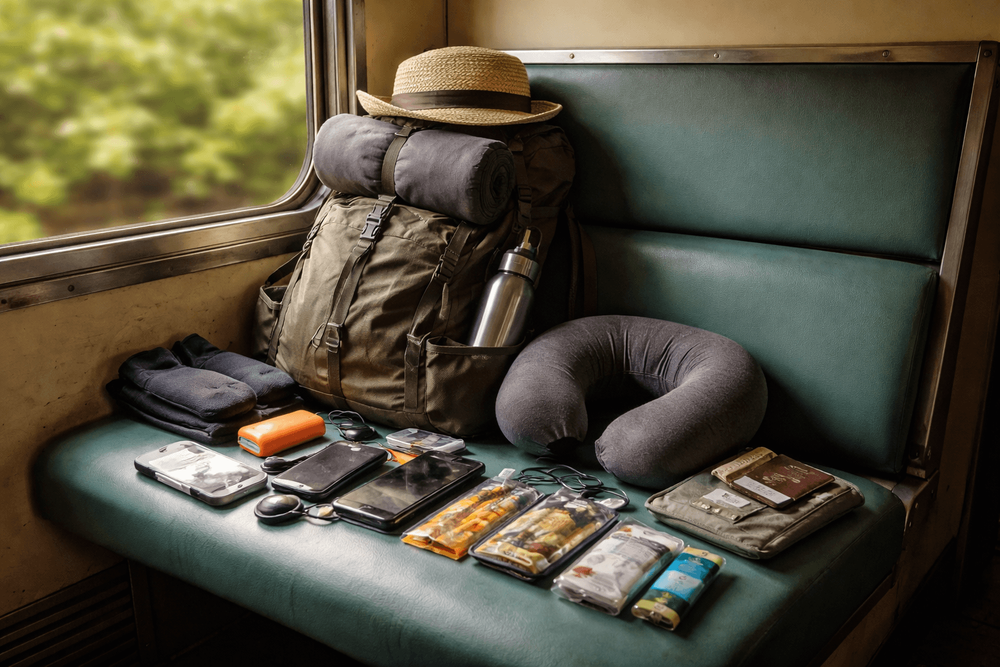
We organize into two kits: a small ride-day pouch that lives by our feet and the main pack that we won’t touch till arrival. When the bus lights drop and the TV drama rises, we can find our eye mask in the dark without doing a full pack explosion.
Ride-Day Pouch (the MVPs)
- Earplugs + eye mask: Non-negotiable for the thump-thump bass of Khao San buses and bright cabin lights.
- Lightweight warm layer: A thin hoodie or merino long-sleeve. AC here means Arctic Conditions.
- Neck pillow (compressible) or scarf: Doubles as lumbar support.
- Reusable water bottle (600–750 ml) + small carabiner: Water is 10–20 baht at 7-Eleven; we refill where we can.
- Snacks: Dried mango, nuts, seaweed packs, instant coffee sticks, a 12–20 baht 7-Eleven toastie for emergency hunger.
- Tissues + small hand sanitizer: For bathrooms and sticky situations.
- Phone, wired earbuds (Bluetooth dies), power bank (10,000–20,000 mAh), charging cable.
- Copy of passport and ticket PDFs offline.
- Card wallet with a few 20s/50s for random noodle stops and toilet fees (3–10 baht).
Main Pack Principles
- Pack cubes to separate clean/damp/dirty. Humidity is relentless; a mesh bag keeps wet stuff from funkifying everything else.
- Keep valuables high and internal. Wallets, passports, and electronics go deep in the bag or on your person.
- Rain protection for the big bag: A pack cover or a heavy-duty plastic bag (drivers sometimes toss luggage under the bus with little warning when a cloud bursts over the khlong).
Essential Clothing For Thailand’s Heat, Humidity, And Rain
We dress like Bangkok: breathable by day, respectful at temples, ready for surprise squalls on the Chao Phraya Express.
Tops
- 2–3 moisture-wicking tees or tanks: Quick-dry saves you when your back sweats through before Saphan Taksin.
- 1 collared or modest top for temples and nicer restaurants.
- 1 long-sleeve lightweight layer (sun/AC defense).
Bottoms
- 1–2 pairs of quick-dry shorts.
- 1 pair of lightweight long pants (or travel skirt) for trains at night and temple days.
- Optional: Thinner joggers for AC buses and overnight rides.
Footwear
- Breathable walking shoes or lightweight trainers: Good for pounding from the Golden Mount down to Chinatown Bangkok (Yaowarat).
- Sandals/flip-flops that strap on: Great for beach runs and hostel showers; go for grippy soles in monsoon.
- Thin socks (2–3 pairs): Dry quick; double as bus slippers.
Rain + Sun Gear
- Packable rain jacket or poncho: Afternoon cloudburst insurance.
- Travel umbrella (mini): For sun and sudden showers.
- Hat with brim + sunglasses: UV is no joke, even with cloud cover.
Laundry + Anti-Funk
- Travel clothesline + a couple of pegs: Hostel rooms, fan on, quick-dry overnight.
- Small sachet of detergent or bar soap.
If you’re building out a long-stay system, we keep a repeatable setup—see our deeper gear takes here: Thailand Packing List for Long-Term Backpacking: Gear That Lasts for Months on the Road and Thailand Packing List for Backpackers on a Long-Term Trip: Reusable Gear, Laundry Setup, and Durable Basics.
Must-Have Docs, Money, Insurance, And Digital Backups
Thailand is friendly, but admin matters when you’re groggy at 5 AM in Surat Thani.
- Passport + visa status: Check your country’s rules and remaining validity before you travel; many travelers need several months of validity left. Snap photos of the bio page.
- Paper + digital tickets: Some bus companies want a printed slip at Mo Chit/Ekkamai; trains scan QR codes. Save PDFs offline.
- Travel insurance: Screenshot policy and emergency contacts. Hospital visits in Bangkok are efficient but can be pricey.
- Payment mix: 2 debit/credit cards stored separately, plus 2,000–4,000 baht in small bills. Street food, moto taxis, and some minivans are cash-first.
- ATM strategy: Fewer big withdrawals (Thai ATMs often add a fee). Keep a spare card buried in your pack.
- SIM/eSIM details + passport scan: Telco counters at airports and malls will SIM you up in minutes if you’ve got ID.
- Emergency info: Blood type, allergies, medication list saved in your notes app. Share location with a trusted friend when boarding a night ride.
Pro move: Export your bus/train bookings and hostel addresses to an offline map or notes. When the conductor asks “Where you go?” as we yawn awake near Chumphon, we’re not fumbling for Wi-Fi.
Toiletries, Meds, Health Supplies, And First-Aid Basics
We go minimal; Thailand’s 7-Eleven and pharmacies stock almost everything. But bring the stuff you want now—not after three stops and a language dance.
- Toothbrush/toothpaste, deodorant, facial wipes: A quick “shower” in your seat.
- Sunscreen (reef-safe for islands): 30–50 SPF; local brands exist, but quality imports cost more.
- Insect repellent: DEET or picaridin. Mosquitoes love dusk train platforms.
- Hand sanitizer + tissues: Onboard bathrooms run out fast.
- Lip balm + small moisturizer: AC dries you out.
- Meds: Personal prescriptions; plus paracetamol/ibuprofen, loperamide, antihistamine. Pharmacies are helpful, but pack a starter kit.
- Motion-sickness tablets: Bendy roads to Pai or islands can test steel stomachs.
- Plasters (band-aids), blister patches, a couple alcohol wipes.
- Rehydration salts: A sweaty day temple-hopping followed by a night bus can knock you sideways. ORS brings you back.
- Compact towel or bandana: Sweat mop, pillow cover, temple modesty extra.
Remember: liquids under 100 ml if you’re flying domestically before/after that night train.
Electronics, Chargers, Power, And Travel Gadgets That Actually Help
Yes, we love gadgets—but only the ones that pull their weight from Khao San to Krabi.
- Phone + wired earbuds: When Bluetooth dies at 2 AM, wired keeps the podcast going.
- Power bank (10,000–20,000 mAh) + short charging cable: Some buses have random USB ports; don’t count on them.
- Universal adapter not always necessary: Thailand uses 220V/50Hz and most sockets take two-pin flat (Type A) and two-pin round (Type C) plugs. If your charger is US/EU two-pin, you’re likely fine; otherwise bring a compact adapter.
- Multi-port USB charger: One wall socket, many devices.
- Kindle or slim book: Night-bus limbo time-killer.
- Headlamp or tiny flashlight: For seat rummaging without waking the carriage.
- Cable tie or mini lock: Peace of mind for daypacks on racks.
- Lightweight extension cord (optional): Great in older guesthouses with one awkward outlet.
SIM choices
- eSIM: Easy and often 150–300 baht per week for data-only packages. Activate on Wi-Fi before you roll.
- Physical SIM: Airports and malls set you up fast—bring passport. Keep your home SIM safe in a labeled pouch.
Photography without the faff: If hauling a camera, stick to one lens and a soft wrap; your shoulders will thank you somewhere past Nakhon Sawan.
Packing Tips By Trip Style: Budget, Islands, Cities, Long-Term
Bangkok is a choose-your-own-adventure. Pack to match your arc.
Budget Backpacking (Night Buses, Minivans, Sleeper Trains)
- Micro comfort kit: Eye mask, earplugs, hoodie, scarf, and warm socks live in your daypack.
- Street-food survival: 60–120 baht per meal buys you pad kra pao that actually bites back. Keep a spork or foldable chopsticks.
- Security: Money belt or neck pouch for passport on night rides; don’t leave your phone in seat pockets.
- Hydration: 10–20 baht waters every stop; refill bottles where possible to cut plastic.
- Backup light: Cabin lights pop on unpredictably; your headlamp beats juggling your phone.
If your travels lean heavily on buses, bookmark this deeper bus-focused kit: Backpacker Packing List for Thailand for Long-Haul Bus Travel: Overnight Comfort, Security, and Ride Essentials.
Island Hopping (Ferries, Songthaews, Salt Air)
- Dry bag (5–10L): Keep your phone and passport safe on splashy transfers.
- Quick-dry towel + rash guard: Reef days, scooter rides, sun defense.
- Flip-flops you can sprint in: For those “boat leaves now!” pier moments.
- Reef-safe sunscreen, after-sun gel, and an extra phone cable (salt kills).
Scootering around islands? We carry this set: Backpacker Packing List for Thailand’s Island Motorbike Trips: Helmet Safety, Storage, and Road-Trip Basics.
City Hopping (Bangkok, Chiang Mai, Phuket Town)
- Compact umbrella + light jacket: Sudden cloudbursts from Siam to Silom.
- Packable tote: Night markets materialize souvenirs when you least expect it.
- Modest outfit for temples: Shoulders and knees covered, especially around the Grand Palace and Wat Pho.
- Small coin purse: BTS/MRT ticket machines, canal boats, and random treats—coins accumulate.
Long-Stay/Slow Travel (Weeks To Months)
- Laundry kit dialed: Sink stopper, detergent, clothesline. You’ll thank yourself on the 3rd week.
- Repair bits: A few safety pins, needle and strong thread, duct tape wrap on your water bottle.
- Reusable basics: Cutlery, coffee cup, water bottle—it saves baht and plastic.
- Admin folder: Copies of rental contracts, visa letters, passport photos.
If you’re settling in, we’ve laid out slow-travel systems here: Thailand Packing List for Backpackers on a Long Stay or Slow Travel Trip.
The Ride-Day Ritual: How We Pack The Daypack For 8–14 Hours
- Top pocket: Passport, phone, tickets, 1 card + small cash.
- Main pocket: Hoodie, scarf, snacks, water, eye mask, earplugs.
- Side pocket: Hand sanitizer, tissues, lip balm.
- Cable pouch: Power bank, cables, SIM tool, adapter.
- Secret sleeve: Spare card and emergency 1,000 baht note.
Everything else goes deep in the big pack, rain-covered, with nothing dangling that can snag in a bus hold.
Food, Drink, And 7-Eleven Tactics
There’s an art to the pre-bus graze. We grab:
- One salty, one sweet snack (seaweed and banana cake, 10–30 baht each).
- Protein hit (grilled chicken skewer or hard-boiled egg, 10–20 baht).
- Water now + electrolyte later (ORS packet 10–15 baht).
- Instant coffee or tea stick (5–15 baht) for when the driver’s rest stop kiosk is chaos.
On the platform at Krung Thonburi or Ekkamai, the air is warm and smells like frying garlic. Once we’re rolling, the cabin cools, the lights dim, and our little kit does its quiet work.
Safety And Scams (A Little Real Talk)
- Taxi/tuk-tuk from Khao San: Agree the fare first; if it feels off, wave the next one. Motorbike taxis on Phra Athit will quote fairer neighborhood rates.
- Bag handling: Watch your bag go into the bus hold; keep the claim tag. Don’t stash laptops in the hold.
- Train valuables: We loop a cable lock through the daypack to the bunk hardware on night trains—more deterrent than fortress.
- Over-friendly “helpers” at terminals: Smile, sawadee, and keep moving to the official counters. Real staff wear company lanyards and stand behind windows.
When You Arrive (And Where We Crash)
We step off into a new city—humid gusts, scooters zipping, a chorus of “Taxi? Taxi?” We hit an ATM, then beeline for a guesthouse near food and transport: around Soi Rambuttri in Bangkok (quiet cousin to Khao San), inside Chiang Mai’s Old City moat, or walking distance to a pier on the islands. We look for basics: a fan that actually moves air, a window that opens, and a spot to string a clothesline. Pools are a bonus when the mercury goes full Songkran.
Because there’s no single right way to pack for Thailand—only the way that keeps you comfortable enough to enjoy the ride. Dial your kit to your route, then let the rest be adventure.

If you see us on the platform by the Chao Phraya, we’ll be the ones with a plastic bag of mango sticky rice, a scarf rolled into a pillow, and a grin. Next stop? Maybe Ayutthaya, maybe the overnight to Trang. Either way, we’re set.
Related Hotels & Places
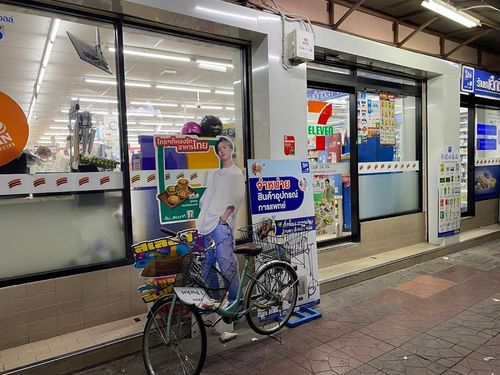
7-Eleven
Shops
Khao San’s 24/7 reset button: ice‑cold A/C, ham‑cheese toasties, All Café iced lattes, water for 7–14 THB, and late‑night supplies from snacks to sunscreen—right by Rikka Inn.
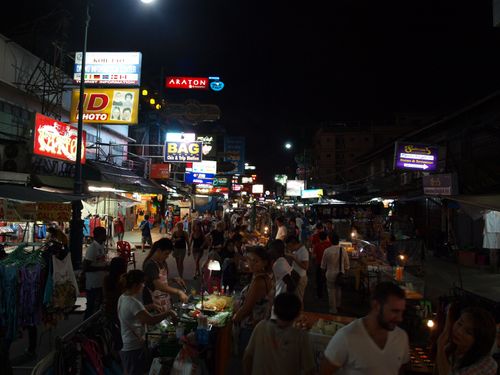
Khao San Road
Attractions
Bangkok’s backpacker carnival: curbside bars, live bands and DJs from 3pm–2am (midnight Sun). Street eats are cheap — pad thai 70–100 THB, mango sticky rice 60–100 THB. Come for wild people-watching; duck into Rambuttri for a calmer beer.
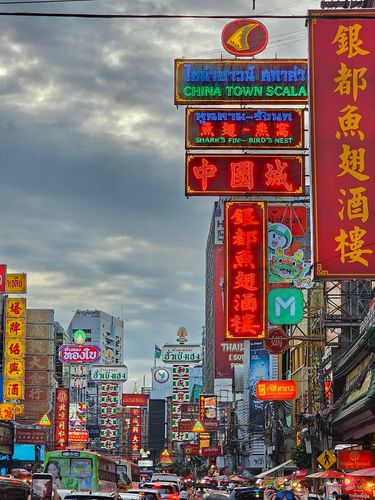
Chinatown Bangkok (Yaowarat)
Attractions
Neon, woks, and queues: Yaowarat is Bangkok’s street‑food strip. Start at Wat Mangkon MRT, graze T&K Seafood and Nai Ek’s peppery guay jub, snag toasted buns, and finish with mango sago at Sweet Time. Best 6pm–late; ~10‑minute taxi from Khao San.
Recommended Products
More Khao San Road Guides
- Backpacker Packing List for Thailand for Long-Haul Bus Travel: Overnight Comfort, Security, and Ride Essentials
- What to Pack for Thailand for Long Bus and Train Trips: Overnight Comfort, Security, and Easy-Access Essentials
- Backpacker Packing List for Thailand for Chiang Mai Night Buses: Sleep Gear, Security, and Easy-Grab Essentials
- What to Pack for Thailand for Buses, Trains, and Ferries: Comfort, Security, and Easy-Access Essentials