
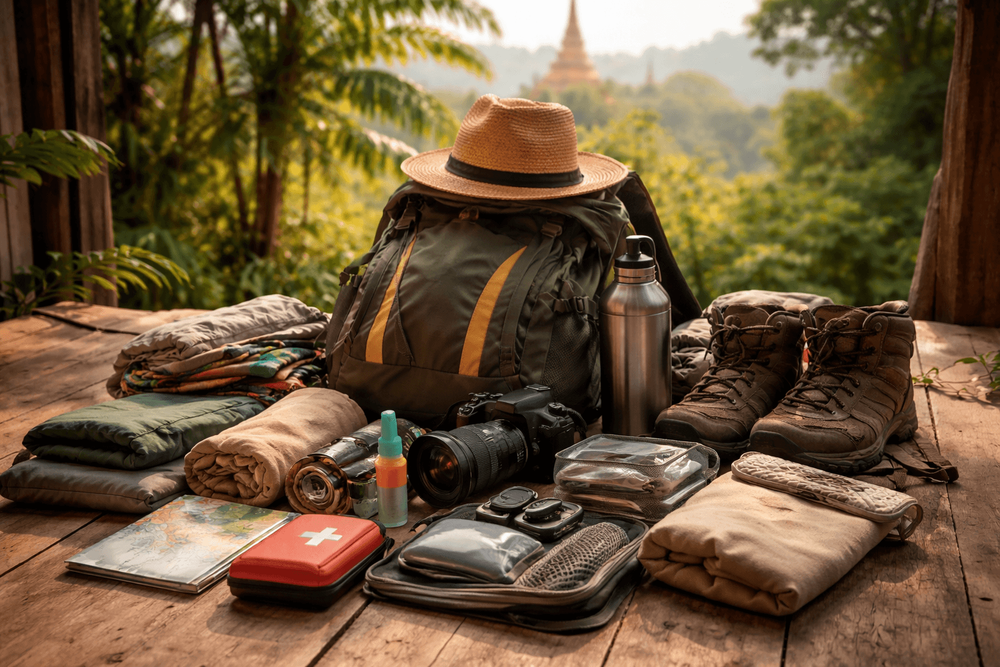
Thailand Backpacking Packing List for Volunteer Travelers
Pack smart for volunteering in Thailand: breathable modest clothes, health kit, adapters, and role-specific gear. This checklist keeps you cool and prepared.
We step off the river boat at Phra Athit, skin still humming from the sun, shirts damp from Bangkok’s wet blanket of heat. A tuk-tuk rattles past, a wok hisses from a streetside stall, and the blast of AC from 7-Eleven kisses our shins as the door slides open. Orientation is tomorrow, project briefs in our day pack, and this Thailand volunteer packing list is the difference between gliding into your placement and sweating the small stuff.
Thailand Volunteer Packing List: Clothing and Footwear for Heat, Rain, and Respect
Bangkok’s air sticks to us like sweet chili glaze, and out in the provinces it’s no different—just fewer iced lattes in reach. We’re packing for humidity, sudden monsoon squalls, and modest local norms, especially if you’ll be in schools, temples, or rural communities.
Tops and layers
- 3–5 lightweight, breathable tops: quick-dry tees, linen or cotton button-ups. Collared shirts play well in schools and offices.
- 1–2 long-sleeve, airy shirts for sun and mosquitos (evening by the khlong can be a buffet—for them).
- 1 light overshirt or thin UV hoodie for teaching days and sun protection.
- 1 compact rain shell or poncho (those 30-baht plastic ponchos from 7-Eleven work in a pinch, but a reusable one saves waste).
Bottoms that behave
- 2 pairs of quick-dry trousers or chinos (men) or calf-length skirts/loose trousers (women). Knees covered = smoother smiles in classrooms and villages.
- 1 pair of breathable, non-clingy shorts for off-hours (mid-thigh or longer if you’ll be around host families).
- 1 set of lightweight leggings or joggers for travel days or under skirts.
Footwear that can take a beating
- Closed-toe trainers with decent tread—mud, construction sites, sanctuary paths, schoolyards.
- Lightweight sandals with straps (Teva/Chaco-type) for off-hours and wet days.
- Flip-flops for showers and quick runs to 7-Eleven.
- Quick-dry socks (4–6 pairs). Toss in 1–2 pairs of thicker socks if you’ll be in boots.
Rain and sun armor
- Packable umbrella + a breathable rain jacket. Monsoon downpours are biblical for 20 minutes, then sunshine.
- Sun hat with a brim. Thailand’s UV doesn’t care about your dreams.
- Sunglasses with UV protection.
Intimates and swim
- Underwear (7–10 pairs; laundry is cheap but humidity slows drying).
- Sports bra(s) that handle sweat.
- Modest swimwear for islands or the odd waterfall day (keep it low-key around homestays).
Laundry setup that actually works
- Sink stopper, a bar of laundry soap or travel detergent sheets, and a stretchy clothesline. Most neighborhoods have same-day laundry services (50–80 baht/kg), but if you’re rural you’ll be glad you can DIY. If you want the deep dive on sustainable wash kits and reusables, we’ve laid out our favorites here: Thailand Packing List for Backpackers on a Long-Term Trip: Reusable Gear, Laundry Setup, and Durable Basics.
Health, Hygiene, and First-Aid: What Saves the Day
We love shopping local at Boots, Watsons, and the mom-and-pop pharmacies (apothecaries often know their stuff), but there are a few must-haves we prefer to arrive with.
- High-coverage sunscreen (SPF 50+, reef-safe if you’ll volunteer near the coast). Thai sunscreen is decent but pricier (200–400 baht for small tubes).
- Insect repellent with DEET (20–30%) or picaridin. You can buy locally (90–150 baht), but pack your brand if you’re picky. after-bite stick
- Oral rehydration salts (ORS). After a day in the sun or a tango with street-food roulette, ORS is magic.
- Basic first aid: plasters, blister pads, antiseptic wipes, small tube of antibiotic ointment, gauze, micropore tape, tweezers.
- Meds: ibuprofen/paracetamol; antihistamines for bites; loperamide for runs; a small course of traveler’s antibiotics if your doctor advises; motion-sickness tabs for twisty mountain roads.
- Hand sanitizer (tiny bottles; refill at 7-Eleven), biodegradable wipes, and a quick-dry travel towel.
- Menstrual supplies or a cup you trust—rural shops may have limited options.
- Reusable water bottle (1L). Many volunteer houses have filtered dispensers; hydration is your best friend.
- Light sleep sack or silk liner if you’re squeamish about guest bedding—most places provide sheets, but this buys comfort for almost no weight.
- Earplugs and a soft eye mask. Roosters don’t respect your jet lag.
Tip: pharmacies in Bangkok (Samsen Road, Banglamphu) often speak English and can advise on minor ailments. For anything bigger, major hospitals like Siriraj (across the river from Tha Phra Chan) or Bumrungrad have international clinics.
Documents, Money, and Electronics: Keep It Organized
Between school IDs, visa letters, and volunteer waivers, the admin stack gets real. We corral it so nothing flutters into a khlong breeze.
- Passport + 2–3 photocopies; digital scans in your cloud. Keep one copy in your day bag, another at the volunteer house.
- Visa paperwork, placement confirmation, insurance card, emergency contacts.
- 2–4 passport photos (handy for SIM registration, permits, or surprise admin).
- Debit/credit cards with low foreign fees; stash a backup in a separate pouch.
- Cash: 2,000–4,000 baht to start (ATMs are everywhere but charge ~220–250 baht per withdrawal). Exchange on the ground often beats your home bank.
- Small, flat security pouch or neck wallet for buses and crowded sois.
Power and adapters
- Thailand uses 220–240V, 50Hz. Most sockets accept flat (Type A) and round (Type C) pins, and plenty are universal. Pack a compact universal adapter with surge protection and a short, three-outlet power strip if you’re bringing multiple chargers.
- Chargers: phone, headlamp, camera, laptop/tablet. Label your cables—shared housing eats cords.
- 10,000–20,000 mAh power bank for long days and rural runs.
Connectivity that won’t ghost you
- Thai SIM at the airport or any AIS/DTAC/True shop. Tourist packages run ~200–600 baht for 8–15 days of data; longer plans are easy to top up. eSIM works great too. If your role needs a lot of online lesson prep, peek at our gear suggestions here: Thailand Packing List for Digital Nomad Backpackers.
- Offline maps (Google Maps offline), translation app, and a WhatsApp/LINE setup—many coordinators use LINE.
Day bag that earns its keep
- 20–25L backpack with a rain cover. Inside: water, ORS, mini first-aid, hand gel, sun/bug, tissues, pen, small notebook, and a spare top.
- For a complete throw-it-in-and-go list, steal from our tried-and-true setup: Thailand Packing List for Backpackers: Day Bag Essentials for Flights, Temples, and Tours.
Volunteer-Specific Gear: Pack for the Work You’ll Do
Every placement has its flavor. We pack light, but we pack smart for the job.
Teaching (schools, community centers, after-school)
- Clothes: collared shirts/blouses, calf-length skirts or trousers, closed-toe shoes. Tattoos covered where possible (a light overshirt does the trick). Keep it neat even when it’s 34°C.
- Stationery: whiteboard markers (low-odor), a clicker/laser pointer, pen bundle that won’t dry up.
- USB stick with worksheets, a few offline videos/songs, and printable games. A4 paper and printers can be scarce—go reusable.
- Visual aids: a mini foldable world map, a deck of picture/word flashcards, stickers for rewards (small, light, it works every time).
- Portable speaker (palm-sized) for audio lessons; keep volume temple-appropriate.
Animal care and sanctuaries
- Clothes you don’t mind destroying: long pants, breathable long-sleeve shirts, thick socks.
- Work gloves (rubber-palmed), sun hat, and quick-dry bandana.
- Insect repellent and a small bottle of antiseptic for inevitable nicks.
- Closed-toe shoes with grip; if boots are required, confirm if the site provides them.
- Sealable dry bag for muddy gear.
Construction and community builds
- Sturdy closed-toe shoes (trail runners or light work shoes); steel-toe only if required—ask first.
- Work gloves, safety glasses, and a soft knee pad or two (foam garden squares weigh nothing and save joints).
- Quick-dry trousers, not shorts—cement dust is unforgiving.
- Reusable water bottle + a clip-on cup. Hydration breaks are non-negotiable.
Rural and community projects
- Light headlamp (with red mode if you’re around animals) and spare batteries.
- Compact mosquito net only if your host says none are provided—many homestays already have them.
- Packable filter bottle or a small inline filter if you’ll be remote.
- Modest village wear: loose tops, long skirts or trousers. Shawl for shoulder coverage.
- Small gifts from home (stickers for kids, postcards, tea sachets)—keep it simple and not flashy.
- Multi-tool only if explicitly allowed by your program and local laws; otherwise, skip.
Pro tip: before you haul giant donations, ask your coordinator what’s genuinely needed. Sometimes it’s printer ink or reading glasses, not ten soccer balls.
What Not to Pack (and Why)
- Heavy hiking boots unless your placement requires them. They’ll roast your feet and hog your bag.
- Full sleeping bag. It’s hot. A liner is enough.
- Excess makeup or hair tools. Humidity wins. Go light.
- Too many clothes. Laundry is cheap and fast. You’ll live in the same rotation.
- Bulky towels. Quick-dry travel towel for the win.
- Drones without permission—many rural areas and temples prohibit them, and you don’t want that conversation.
- High-value jewelry or irreplaceables. We promise: you won’t miss them.
If you’re brand new to backpacking and want a broader baseline before layering in volunteer gear, start here and adapt: Thailand Packing List for First-Time Backpackers: What to Bring and What to Leave Behind.
Packing Light Tips That Actually Work
- Pick a color palette so everything mixes and matches. Khaki, olive, navy, black—sweat hides better than on white.
- Use packing cubes or even zip bags. One for work clothes, one for off-hours, one for grubby chores.
- Two-for-one fabrics: quick-dry shirts double as sun layers; sarongs double as temple cover-ups, beach towels, or privacy curtains.
- Buy local where sensible: ponchos (30–60 baht), bug spray (90–150), flip-flops (100–200), umbrellas (100–200). Save weight; spend baht.
- Share gear in the volunteer house: tools, extra adapters, stationery. Leave a little kit for the next crew—instant good karma.
- Weigh your bag before you leave home. If it’s over 12–14 kg, you’ve probably packed fear, not needs.
Know Before You Go: Culture, Safety, and City Logistics
- Dress with respect: covered shoulders and knees in schools, temples, and village meetings. A light shawl solves most surprises.
- Shoes off inside homes and some offices; watch for the pile at the door.
- Wai (palms together, slight bow) is a polite greeting; no need to overdo it, but it’s appreciated.
- Never climb on or point your feet toward Buddha images; tattoos of the Buddha should stay covered.
- Heat management: we chase shade, nap post-lunch, and re-emerge for the evening sanuk when the city cools and the Khao San thump wakes up.
- Transport: metered taxis or Grab are easiest; tuk-tuks are fun for short hops but agree on price first (80–150 baht around Banglamphu). Skip any “special price” tours to gem shops.
- Money: ATMs ding you ~220–250 baht per withdrawal; pull larger amounts less often with a fee-free card.
- Connectivity: AIS/DTAC/True counters line the airport arrivals. In town, there are shops on Samsen Road and along Soi Rambuttri.
- Where to crash in Bangkok pre-departure: we usually grab a simple guesthouse near Soi Rambuttri for quiet nights and pad thai at 2 AM, or something on Phra Athit Road when we want river breezes and a slower pace. A pool is a sanity-saver if you’re prepping lesson plans in the heat.
Quick Checklist: Your Thailand Volunteer Packing List at a Glance
- Clothing: 3–5 breathable tops, 2 trousers/skirts, 1–2 shorts, light long sleeves, modest layers, rain jacket/poncho
- Footwear: closed-toe trainers, sandals, flip-flops, socks
- Sun/bug: SPF 50+, hat, sunglasses, DEET/picaridin, after-bite
- Hygiene/first aid: ORS, meds, plasters, antiseptic, wipes, sanitizer, travel towel, menstrual supplies
- Documents: passport + copies, visa papers, photos, insurance
- Money: 2–4k baht cash, cards, slim security pouch
- Electronics: phone, chargers, universal adapter, power bank, headlamp, optional laptop/tablet, USB
- Day bag kit: water, mini first aid, tissues, pen/notebook, light layer
- Volunteer-specific: teaching aids, work gloves/eye protection, modest wear, liner, gifts
- Laundry: sink stopper, soap/detergent sheets, clothesline
We’ll be the ones on Phra Athit with an iced o-liang in hand, ticking off the last items before hopping the bus north. Pack light, dress respectfully, and keep your sense of humor handy. Message us if you forget something—we’ll point you to the nearest shop, and if you’re around Soi Rambuttri tonight, we’ll meet you for khao man gai and swap placement stories before you head out.
Related Hotels & Places
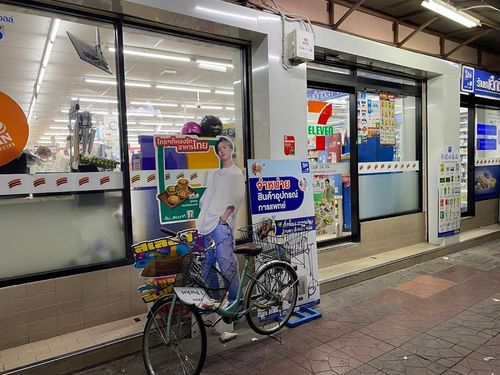
7-Eleven
Shops
Khao San’s 24/7 reset button: ice‑cold A/C, ham‑cheese toasties, All Café iced lattes, water for 7–14 THB, and late‑night supplies from snacks to sunscreen—right by Rikka Inn.
Khao San Road Night Market
Markets
Khao San’s nightly street market fires up from 3pm and peaks 7pm–midnight: pad thai and roti carts, fruit shakes, bargain tees and “elephant pants,” foot massages, tattoos, and those infamous cocktail buckets—all packed into one neon‑loud strip.
More Khao San Road Guides
- What to Pack for Thailand for Backpackers Doing Volunteer or Work Exchange Trips
- Backpacker Packing List for Thailand’s Active Travelers: Trekking, Snorkeling, and Adventure Day Trips
- Backpacker Packing List for Thailand for Women: Clothes, Safety, and Travel Essentials
- Backpacker Packing List for Thailand with Safety and Security Essentials