
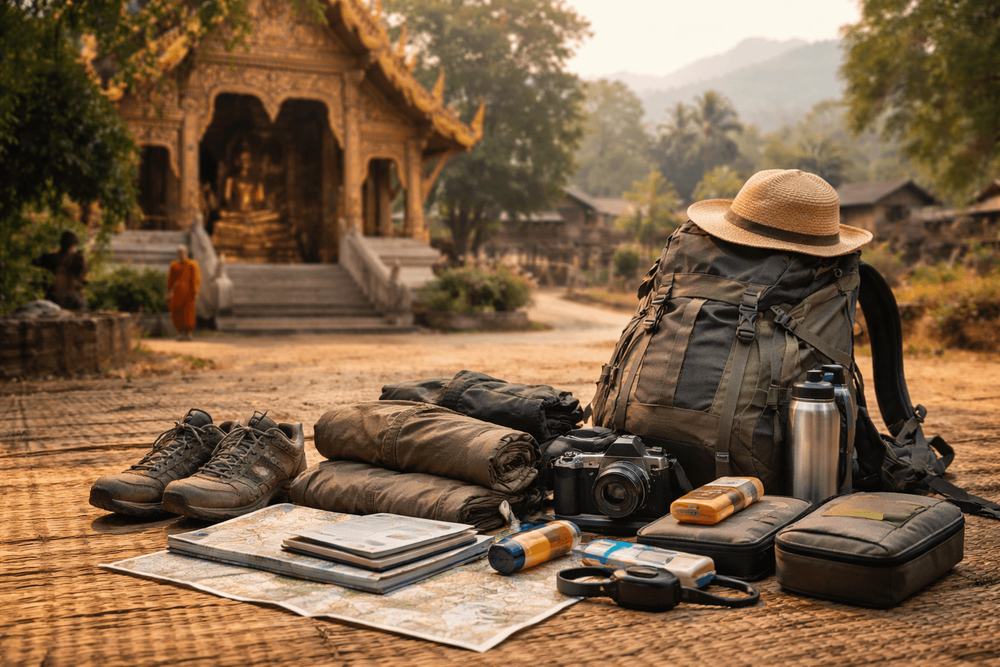
Thailand Packing List for Backpackers Visiting Temples and Remote Towns
Dress modest, beat the heat, and keep it light. Our temple-and-rural Thailand packing list covers slip-on shoes, monsoon gear, daypack musts, and village-savvy tips.
We’re barefoot on warm tiles at Wat Pho, the thump of a longtail echoing across Chao Phraya Princess Cruise Office, our sandals in a plastic bag and our shoulders covered. Tomorrow we’re catching a rickety songthaew out to a village past the rice paddies where the neon ends and the frogs get loud. For both worlds—the incense haze of Bangkok’s wats and the muddy tracks of rural Thailand—you need a smart, respectful, lightweight kit. This Thailand temple and rural packing list is what we actually carry when we bounce from Thanon Ram Buttri Night Market to remote towns where the only 7-Eleven is 30 kilometers away.
Essential clothing for temples and rural Thailand
Temples are about respect and heat management. Rural towns add dust, mud, and laundry that dries when it wants to. We pack breathable, modest layers that can handle the Bangkok blaze, a surprise monsoon squall, and a sunrise alms round in a quiet Isaan lane.
What to wear inside wats (and on the way there)
- Lightweight pants or long skirts: Aim for loose, quick-dry fabrics. Linen-blend or technical travel trousers hit the sweet spot—breezy but not see-through. Knees must be covered.
- Shoulders covered: A cotton T-shirt or airy button-up beats a tank. We keep a thin scarf or sarong in the daypack for sudden dress-code checks.
- Non-transparent, non-ripped: Fashion rips and sheer fabrics are a no inside temple grounds.
- Minimal logos and loud prints: Nobody will arrest your sanuk (fun), but toned-down clothes show respect.
At major Bangkok temples (Wat Pho, Wat Arun Ratchawararam Ratchawaramahawihan, The Grand Palace), expect staff to eyeball hems and sleeves. Sarong rental is typically 20–50 baht and a refundable deposit. We’d rather skip the line and just dress right.
Tip: If you want a deeper dive on temple attire, we’ve laid it out here: What to Pack for Thailand Temple Visits and Cultural Sites.
Rural-friendly clothing that still looks temple-appropriate
- Convertible layers: A breezy long-sleeve sun shirt that rolls to the elbow, or a light overshirt for shade and monks’ company.
- Quick-dry shorts for non-temple days: Knee-length or just above for comfort in villages where farang legs still draw stares.
- One packable sweater or fleece: The cool season up north (Chiang Mai to Mae Hong Son) and late-night bus AC can bite.
- Sleepwear that doubles: Loose joggers or leggings and a T-shirt you can wear to breakfast at the market.
- Underlayers: Performance underwear dries fast; carry 3–5 pairs and wash nightly.
Fabrics that win in Thai heat
- Cotton-linen blends: Breathe well without wrinkling like a raisin.
- Technical synthetics: Dry fast and don’t cling when you’re glistening like the Golden Mount steps at noon.
- Avoid heavy denim: It turns into a wet towel the second the monsoon says sawadee.
Laundry cadence
Village guesthouses will usually wash for 30–60 baht per kilo; in Bangkok’s Old Town around Phra Athit and Khao San Road, 40–70 baht per kilo is common. Pack a small bottle of soap for sink washes and a travel clothesline for rooms with a single, heroic fan.
Your Thailand temple and rural packing list: footwear that saves your soles
You’ll slip shoes off at every wat, hop from tuk-tuk to khlong boat, and crunch down muddy farm tracks after a storm. Footwear should be easy-on/easy-off, grippy, and quick to dry.
- Easy-off sandals with a heel strap: Think sport sandals with decent tread. They fly on and off at temple doors and won’t abandon you in the mud.
- Lightweight trail runners: For long days or rainy season in the countryside. Mesh uppers breathe; quick-dry socks keep blisters away.
- Flip-flops as backups: Cheap, expendable, great for guesthouse bathrooms or a midnight pad thai run on Soi Rambuttri.
- Socks for temples: Carry a pair of thin, low-cut socks if hot tiles or gritty floors make you wince. Slide them on when you step out of your sandals, then stash them after.
- Optional leech socks: Only if you’re trekking in dense jungle during peak monsoon (Khao Sok, remote Andaman trails). For most rural rambles, they’re overkill.
Pro tip: Bring a simple shoe bag (even a supermarket sack) so your not-quite-clean soles don’t cuddle your clean clothes in the daypack.
Practical daypack essentials for temples and the countryside
The daypack is where this Thailand temple and rural packing list earns its keep. We keep ours around 18–22 liters—small enough for crowded boats, big enough for a picnic and a poncho.
- Water and electrolytes: Carry at least 1 liter; refill at guesthouses or filtered water stations. Electrolyte sachets rescue you after a sweaty climb up Wat Saket Ratchawora Mahawihan.
- Sun protection: SPF 30+ sunscreen, lip balm, hat with a brim, and cheap sunglasses you won’t mourn if lost to a sudden gust on a longtail.
- Insect repellent: Picaridin or DEET works; apply after sunscreen. Mosquitoes clock in at dawn and dusk.
- Light scarf or sarong: Doubles as temple cover, sunshade, bus blanket.
- Compact rain layer: A packable poncho covers you and the daypack when the skies do their daily 3 PM drama.
- Cash in small bills: 20s and 50s for offerings, markets, and rural songthaews that don’t do change.
- Copies of key documents: Photo of your passport info page saved offline, and a paper copy in a zip bag. Keep the original locked up at your stay.
- Power bank (10,000–20,000 mAh) and cable: Your map and camera will drink battery in the heat.
- Phone SIM or eSIM: AIS, True, and DTAC all work well. We usually buy at the airport or a 7-Eleven; the blast of AC is the bonus.
- Hand sanitizer and tissues: Temple toilets vary from spotless to… memorable.
- Tiny first-aid: Plasters, antiseptic wipes, anti-chafe balm, and an anti-diarrheal you know agrees with you. For vaccines or meds, check with a travel clinic.
- Headlamp: Rural power cuts happen; your phone torch burns battery.
Want a dedicated checklist just for what lives in your day bag? We put one together here: Thailand Packing List for Backpackers: Day Bag Essentials for Flights, Temples, and Tours.
Weather and season-specific items
Thailand’s seasons all share heat and humility, but each brings its own little quirks.
Hot season (roughly March–May)
- Ultra-breathable tops: Loose T-shirts or short-sleeve button-ups you can rotate and rinse.
- Sweat management: Microfiber face towel and talc or anti-chafe stick for long, hot walks down Yaowarat Chinatown Heritage Center or dusty village roads.
- Electrolytes and a cap: You’ll feel the difference climbing temple stairs under a brutal sun.
Monsoon (roughly May–October; peak varies by coast)
- Poncho or light rain jacket: Ponchos are great over a backpack; jackets are nicer for windy boat rides.
- Dry bags and zip bags: Keep phone, cash, and passport copies bone-dry.
- Quick-dry bottom layers: Soggy cotton jeans are a punishment devised by demons.
- Footwear strategy: Trail runners or sandals that don’t stay squishy. Feet hate being wet; rotate pairs if you can.
Cool season (roughly November–February, especially north and higher elevation)
- Light fleece or sweater: Dawn alms rounds and night buses can nip.
- Warm sleep layer: For mountain villages or simple homestays that rely on blankets more than insulation.
Rural overnights
- Sleep sack liner: Nice for very basic stays where sheets have seen more sunsets than you.
- Earplugs and eye mask: Roosters don’t respect your sunrise schedule.
- Compact mosquito net: Only if you know your homestay won’t have one; many do. A head net can be handy if you’re on swampy edges at dusk.
- Universal sink plug and a bit of cord: Wash socks, hang them over the tiled patio where the house geckos stand guard.
Cultural and safety considerations (temple etiquette and village sense)
Thailand’s warmth is real, and so are the expectations. A little respect goes a long way.
Temple etiquette essentials
- Cover shoulders and knees. Both men and women.
- Remove hats and shoes. Don’t point your feet at Buddha images; sit with legs tucked to the side if you can.
- Keep voices low. The echo of a farang’s outdoor voice can kill a quiet chant.
- Mind photos. Many wats allow them; some don’t near monks or sacred spaces. Look for signs or ask.
- Women should avoid touching monks. If you’re offering something, place it on a cloth or a tray.
- Donations: A 20–100 baht note in the box is a kind gesture after you’ve borrowed the shade and silence.
There are also restrictions on exporting Buddha images from Thailand. Buying a small statue as a souvenir is common, but check current rules before attempting to take anything significant out of the country.
Rural expectations
- Dress a notch more modest than in Bangkok nightlife zones. Village aunties clock everything.
- Learn a few Thai basics: a wai and a sawadee kha/krub soften any awkwardness.
- Drones and loud music: Don’t. Especially around temples or farms at dawn and dusk.
Safety and scams
- Temple-clothing upsell: Near major wats, some stalls will tell you “no entry” without their sarongs. Official rental is inside. Dress right or rent from the official desk.
- Tuk-tuk “free” rides: If a driver offers a loop of “special temples and gem shops,” you know the script. Take a metered taxi, Grab, or negotiate clearly.
- Keep it zipped: Crowds around Khao San, Chatuchak, or ferry piers are where pickpockets play. In villages, it’s more about not losing things on bumpy rides.
Pack light for village transport
Your bag will ride in tuk-tuks, clatter into the back of a pick-up, and sometimes jump a longtail across a broad khlong. Lighter is kinder.
- Main pack: 35–45 liters is plenty for weeks if you stick to quick-dry layers.
- Daypack: 18–22 liters for daily temple runs and market snacks.
- Packing cubes and a laundry bag: Keeps the clean from the blessedly-worn.
- Weight rule: If you can’t jog 50 meters to catch the Chao Phraya Express boat with it, it’s too much.
If you want a broader master list to cross-check, we keep ours here: Backpacker Packing List for Thailand.
Know before you go: money, plugs, comms, and small comforts
- Money access: ATMs in Bangkok are everywhere; in remote towns they’re scattered. Carry a day or two of cash when you leave the city. ATM fees are around 220–250 baht per withdrawal.
- SIMs and signal: AIS, True, DTAC—take your pick. Even in rural districts, we usually find 4G in town centers. Download offline maps for the gaps.
- Power: Thailand runs 220V. Most sockets accept two flat or two round pins; a compact universal adapter covers oddballs.
- Water and snacks: Bottled water is 10–15 baht at mom-and-pop shops. 7-Eleven is your AC blast and backup plan.
- Temple hours: 8:00–17:00 for many, with dawn access at some. Early is cooler, quieter, and free of the tour-bus tide.
- Foot care: A dab of petroleum jelly prevents sandal rub on long city-to-village days.
Putting it all together (a sample loadout)
- 2–3 breathable T-shirts
- 1–2 airy button-ups or long-sleeve sun shirts
- 2 pairs lightweight pants (or 1 pants, 1 long skirt)
- 1 pair knee-length shorts for non-temple days
- 3–5 undergarments, 3 pairs quick-dry socks
- 1 light sweater/fleece
- Sport sandals with heel strap + flip-flops
- Optional trail runners for hiking/monsoon
- Light scarf/sarong
- Poncho or packable rain jacket
- Hat, sunglasses, SPF 30+
- Insect repellent, hand gel, tissues
- Headlamp, power bank, cables, adapter
- Daypack (18–22L) + dry bag/zip bags
- Sleep liner, earplugs, eye mask (for rural overnights)
- Small first-aid and electrolytes
- Passport copy, small notes for donations
We tweak this kit depending on the season and where we’re crashing. In Bangkok, we like a simple guesthouse near Phra Athit Road so we can wander to the river at dusk; in remote towns, we go for family-run homestays where breakfast is sticky rice and the morning gossip. Nothing fancy, everything friendly.
Where this list shines
- Grand Palace morning, sarong on, socks in pocket, power bank full.
- Local bus to a district market, cash in small bills, hat at the ready.
- Sunset drum at a village wat, sandals safe, shoulders covered, smile engaged.

Pack like this and you’ll float from incense to rice field without a luggage headache. We’ll be the ones waving you onto the orange-flag boat at Phra Arthit pier, scarf fluttering, daypack light, already scheming where to find boat noodles after the next wat.
Related Hotels & Places
Wat Arun Ratchawararam Ratchawaramahawihan
Temples
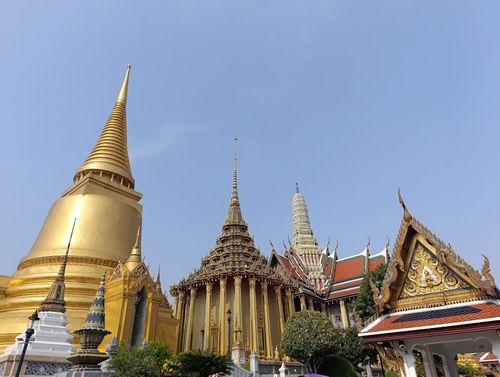
The Grand Palace
Attractions
Bangkok’s royal showpiece a short hop from Khao San: glittering Wat Phra Kaew, Ramakien murals, and gold-on-gold rooftops. Go 8:30am to dodge the heat, dress modestly, and boat to Tha Chang for the prettiest arrival.
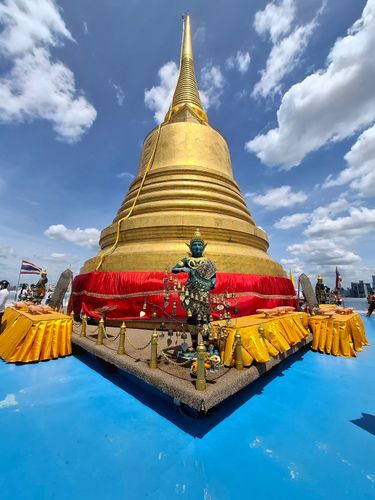
Wat Saket Ratchawora Mahawihan
Temples
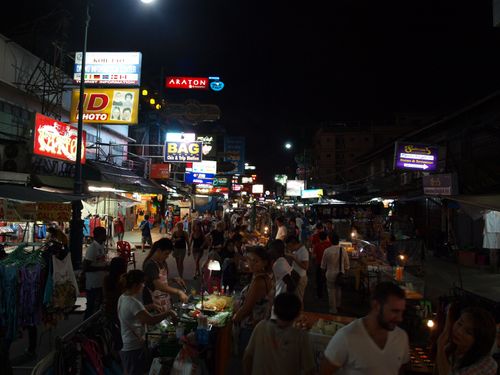
Khao San Road
Attractions
Bangkok’s backpacker carnival: curbside bars, live bands and DJs from 3pm–2am (midnight Sun). Street eats are cheap — pad thai 70–100 THB, mango sticky rice 60–100 THB. Come for wild people-watching; duck into Rambuttri for a calmer beer.
Thanon Ram Buttri Night Market
Markets
Laid‑back Rambuttri after dark: sizzling street food (50–80 THB), cold beers (80–120 THB), neon cocktail vans, live acoustic bars, and stalls of travel gear and hippie pants — a calmer pregame spot a minute from Khao San, best from sunset till late.
Chao Phraya Princess Cruise Office
Services
ICONSIAM Pier 2/4 ticket desk for Bangkok’s popular dinner cruise. Open 9am–8pm for bookings and boarding passes. Expect live band, a big Thai‑international buffet, and night views of Wat Arun and the Grand Palace. Prices often 1,200–1,900 THB.
Yaowarat Chinatown Heritage Center
Attractions
Inside Wat Traimit by Chinatown Gate, this tidy museum charts Yaowarat’s Chinese roots with bilingual displays, period photos and short films. Open Tue–Sun 8:30am–4:30pm; closed Mon. Pair it with the Golden Buddha upstairs.
Recommended Products
More Khao San Road Guides
- Thailand Backpacker Packing List for Temple and Beach Combos: One Bag for Cultural Sites and Coastal Days
- Thailand Packing List for Backpackers Visiting Temples, Cities, and Nightlife on One Trip
- Backpacker Packing List for Thailand: What to Pack for Temples, Markets, and Everyday Respectful Dress
- What to Pack for Thailand for Backpackers Visiting Temples and Rural Areas: Respectful Clothing, Footwear, and Light Layers