
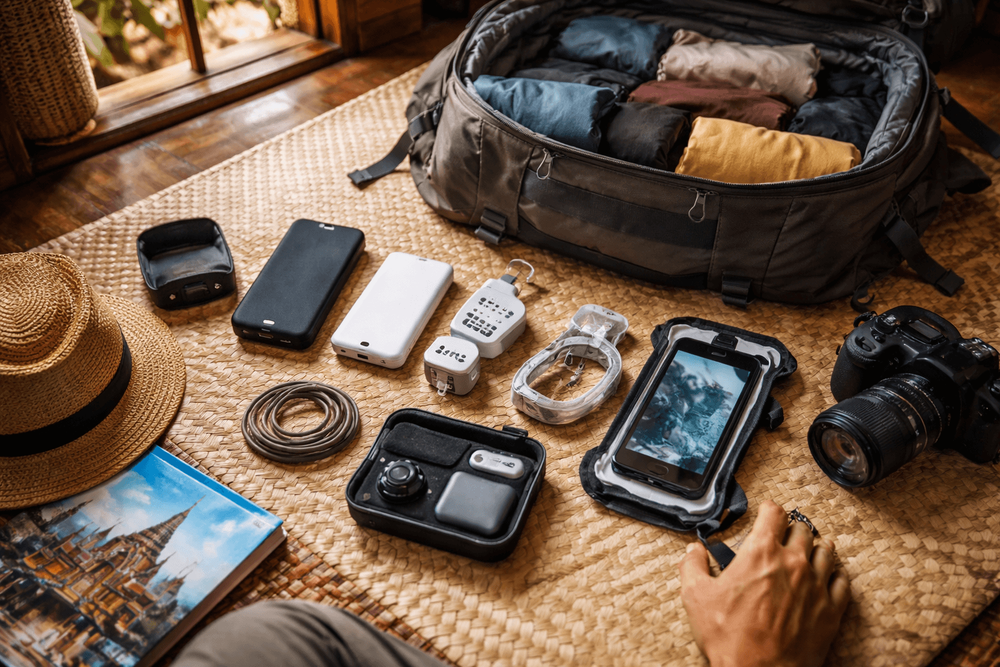
Backpacker Packing List for Thailand’s Gadget-Safe Travel: Power Banks, Adapters, and Tech Protection
Pack light, charge smart. Our Thailand travel tech packing list covers adapters, power banks, SIMs, and waterproof tricks so your gadgets survive Bangkok to the islands.
We’re halfway down Soi Rambuttri when the sky decides to throw a mini-monsoon. Neon bleeds into puddles, a tuk-tuk coughs, and our phone battery blinks its last 3%. This is exactly why we carry a lean, mean Thailand travel tech packing list—so the bass from the Khao San Road bars can thump all night and we’re still navigating, translating, and paying without panic.
The Thailand travel tech packing list: what to actually bring
You don’t need a rolling data center. You need the right bits—fast, light, and ready for Bangkok heat, island spray, and the blast of AC when we duck into 7-Eleven.
Phone + fast charger (don’t skimp here)
- Your main device. Thailand runs on it: Grab rides, QR menus, temple hours, and those noodle stalls pinned by a friend-of-a-friend.
- 30W–65W USB‑C PD GaN charger: one smaller brick to top up phones, tablets, and many laptops. Expect 400–1,200 THB in Bangkok malls or IT shops.
- Bring your native charger too if your laptop needs higher wattage.
Power bank (carry‑on only)
- 10,000–20,000 mAh with USB‑C PD output. Sweet spot for day-long sanuk without bulk.
- Airline rule of thumb: under 100 Wh (roughly ≤ 27,000 mAh) and in your carry‑on, not checked.
- Price: 700–1,500 THB depending on brand and ports.
- Tip: pick one that pass‑through charges so you can juice the bank and your phone in a café pit stop.
Universal adapter + compact power strip
- Thailand uses 220V, 50Hz. Sockets commonly accept flat (Type A/B) and round pins (Type C). Many hotels have universal sockets, but not all.
- Bring a universal adapter plus a short 3‑outlet power strip with surge protection—one wall socket becomes a charging station for the dorm. Adapter: 150–500 THB; compact strip: 300–800 THB.
Cables that don’t tangle your life
- 2x USB‑C to USB‑C (one short, one 2m for awkward outlets)
- USB‑C to Lightning if you’re in the Apple orchard
- USB‑A to USB‑C shorty for buses that still rock ancient ports
- Velcro ties or a slim organizer pouch (150–300 THB at MBK or Chatuchak)
Backup storage and readers
- 1TB USB‑C SSD for photos and video; tiny, shock‑resistant, and faster hotel‑Wi‑Fi backups.
- microSD cards if your phone/camera eats them, plus a USB‑C card reader (200–400 THB).
- Cloud is great, but island Wi‑Fi can be moody—run a manual backup before bed.
Headphones + earplugs
- ANC headphones save sanity on the MRT, night buses, and longtail boats with lawnmower engines.
- Foam earplugs for Khao San’s 2 AM bass spill.
Camera or action cam (optional but fun)
- Go‑anywhere action cam with waterproof case for island hops and Songkran splash zones.
- Floaty handle + extra batteries in a dry pouch.
Laptop or tablet (only if you’ll use it)
- If you’re editing or working, pack it. If not, leave it—Bangkok is a distraction machine.
- 65W USB‑C PD charger covers many ultrabooks; check your wattage.
- Keyboard skin or sleeve; silica gel packs for humidity.
Little lifesavers
- Waterproof phone pouch (100–200 THB street price). Looks dorky, saves phones at Songkran.
- 5–10L dry bag for ferries (200–400 THB). Spray happens.
- Cable lock to leash your daypack to café chairs when you duck to the loo.
For a broader gear run‑down beyond tech, we keep a general checklist handy in the Backpacker Packing List for Thailand’s latest seasonality and basics: Backpacker Packing List for Thailand.
Staying connected in Thailand: SIMs, eSIMs, Wi‑Fi, and offline sanity
Bangkok hums on data. The minute we land at Suvarnabhumi, we grab a local plan and our maps start making sense again.
Tourist SIM vs eSIM
- Carriers you’ll see everywhere: AIS, DTAC, TrueMove H. Tourist packages are easy at airport kiosks and city shops.
- eSIM: great if your phone supports it. Buy online or at a carrier shop; they’ll scan your passport and activate on the spot.
- Physical SIM: 7‑Eleven often sells them, but registration needs a passport. If a clerk can’t register, head to a proper carrier store.
- Prices: 8–15 days of data typically runs 150–600 THB depending on speed and included calls. 5G is widely available in Bangkok, Chiang Mai, and major islands.
- Hotspot/tethering: generally allowed—handy for laptops in cafés with spotty Wi‑Fi.
Wi‑Fi reality check
- Cafés like Café Amazon คาเฟ่ อเมซอน or co‑work spots around Phra Athit Road will get you 20–100 Mbps on a good day. Islands can dip. Budget hostels sometimes throttle.
- 7‑Eleven has partner networks, but we treat public Wi‑Fi like a spicy papaya salad—great with caution. Use a VPN if you’re doing anything important.
Offline maps and transport apps
- Download Google Maps offline for Bangkok, Ayutthaya, and your islands; add “Thai script” labels to saved places so taxi drivers can read them.
- Maps.me is a good backup for hiking in the north.
- Grab and Bolt cover most rides; just compare pricing and watch surge.
- For the river: screenshot the Chao Phraya Express Boat flag line map so you’re not guessing at Tha Chang vs Tha Tien in the rain.
If you want a laser‑focused checklist just for adapters and charging layout, we’ve broken it down here: Backpacker Packing List for Thailand’s Tech and Charging Setup: Adapters, Power Banks, and Cable Control. And if you’re a gearhead, this dive into gadgets is your candy store: Backpacker Packing List for Thailand: Gadgets, Chargers, and Power Bank Essentials.
Safety, convenience, and paying like a semi‑local
We love the chaos; we don’t love replacing a phone in it. A few small habits and gadgets keep the sanuk rolling.
Keep your data—and your day—locked down
- Password manager + 2FA app. Screenshot backup codes and stash offline.
- Enable Find My Device before wheels‑up; add a contact number on your lock screen.
- RFID sleeve for passports/cards if it makes you feel better—most risk is old‑school pickpocketing, not scanners, but sleeves weigh nothing.
- A tiny combination cable lock lets you tether your daypack in busy cafés.
Translation and local life helpers
- Download Thai for offline in Google Translate. The camera mode will read street‑cart menus when your brain stalls.
- LINE is Thailand’s default messenger. If you’re staying a while, people will ask for your LINE ID.
Payments that actually work
- Cash is still king at markets and street carts. ATMs charge ~220–250 THB per withdrawal to foreign cards; take out more, less often.
- Cards: Malls, mid‑range restaurants, and many hotels accept Visa/Mastercard without a fuss.
- QR codes (PromptPay) are everywhere but often tied to Thai bank accounts. As visitors, we lean on cards and cash, and use Grab for card‑based transport.
Tropical, rainy, boat‑sprayed: protect your electronics in Thailand
Bangkok cooks at street level. Then the heavens open. Then we jump on a ferry and everything is salt and spray. Pack like your gear will live all three lives in one day.
Heat, humidity, and sudden rain
- Keep phones shaded; black dashboards and direct sun will thermal‑throttle in minutes.
- Stash a few silica gel packets in your camera pouch. Swap them after island days.
- Ziplock bags are the unsung heroes. Phone, passport, SD cards—cheap, dry, organized.
- A lightweight rain cover for your daypack (150–300 THB) keeps drench‑panic at bay.
On the move: buses, trains, boats
- Night buses often have USB ports, but they’re usually weak 1A trickles. Charge before boarding.
- Trains can be hit‑or‑miss with outlets outside newer air‑con cars. Don’t bank on it.
- Longtail boats and ferries will spray you; dry bag everything not waterproof, and keep power banks in inner pockets.
Hostels and hotels, the charging reality
- Some dorm bunks give you a single outlet. A short 3‑outlet strip or a USB hub turns you into the room’s hero.
- Budget rooms along Khao San sometimes have universal sockets, sometimes not. We’ve learned to carry the adapter anyway.
- Don’t leave charging gear in communal spaces; it mysteriously walks.
Common mistakes to dodge (and our pro tips)
Mistakes we see all the time
- Bringing a 30,000 mAh power bank and getting flagged at the airport—over the 100 Wh limit.
- Packing only USB‑A cables and discovering your charger and bank are USB‑C PD.
- Forgetting to download offline maps and the Thai language pack before a rural bus ride.
- Assuming every café has grounded outlets; some are loose or two‑prong only.
- Skipping SIM registration and wasting a morning sorting it out.
- Charging through a cheap, unprotected power strip—brownouts do happen.
- Leaving tech in a tuk‑tuk because there’s no leash point for your bag.
Pro tips that save days (and devices)
- Charge during meals. Ask for a table near an outlet with a smiley “chai mai?” and point to your charger—works wonders.
- Color‑code or label your cables. Everyone has the same white noodle.
- Name your devices (Bluetooth and laptop) with your phone number or email.
- Take photos of your passport, visa stamp, and IMEI numbers. Store them offline.
- Keep a tiny microfiber cloth in your pocket—grime and monsoon mist are relentless.
- Run a nightly backup on hotel Wi‑Fi; islands can surprise you with mid‑day outages.
- Always keep your power bank in carry‑on and know its Wh rating (usually printed on the back).
Know before you plug in
- Voltage: 220V, 50Hz. Most modern chargers (phones, laptops) are dual‑voltage—check the fine print.
- Plugs: Expect Type A/B/C compatibility; bring a universal adapter just in case.
- Airlines: Power banks in carry‑on only, ≤ 100 Wh without special approval.
- SIMs: Registration requires a passport at a carrier shop. eSIM activation needs reliable Wi‑Fi.
- Privacy: Treat open Wi‑Fi like a public market—fine for browsing, not for banking without a VPN.
- Outlets per bed vary. In dorms, a compact 4‑port USB charger is gold.
Where we plug in between bites
When we’re temple‑hopping the Old City, we like to drift from the Golden Mount down to Phra Athit Road, snag a shady table under the trees, and charge while the Chao Phraya breeze fights the heat. Soi Rambuttri is our pit stop zone—coffee around 60–100 THB buys you an hour of cool air and enough electrons to find the next bowl of boat noodles. If the afternoon storms roll in, we duck into the nearest 7‑Eleven for that righteous AC blast, grab a 20 THB bottle of water, and re‑route on offline maps while the street steams.
If you’re bringing a fuller work rig for a longer stay, sanity‑check your list against our digital‑nomad‑leaning pack: Thailand Packing List for Digital Nomad Backpackers.
Final word from the soi
Anker PowerCore 10000 Portable Charger
Pack light, charge smart, waterproof what matters, and let the rest be part of the story. When you roll past Khao San with 70% battery at midnight and a power bank to spare, we’ll high‑five you at the mango sticky rice cart and trade cable ties. Sawadee to hassle‑free tech travel—meet us on Rambuttri, we’ll be the ones with dry phones and happy maps.
Related Hotels & Places
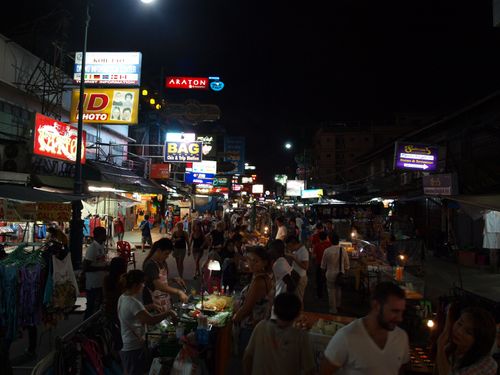
Khao San Road
Attractions
Bangkok’s backpacker carnival: curbside bars, live bands and DJs from 3pm–2am (midnight Sun). Street eats are cheap — pad thai 70–100 THB, mango sticky rice 60–100 THB. Come for wild people-watching; duck into Rambuttri for a calmer beer.
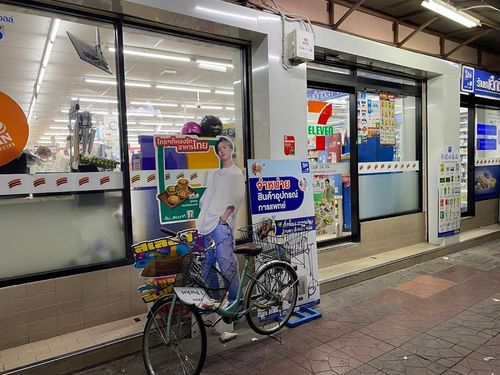
7-Eleven
Shops
Khao San’s 24/7 reset button: ice‑cold A/C, ham‑cheese toasties, All Café iced lattes, water for 7–14 THB, and late‑night supplies from snacks to sunscreen—right by Rikka Inn.
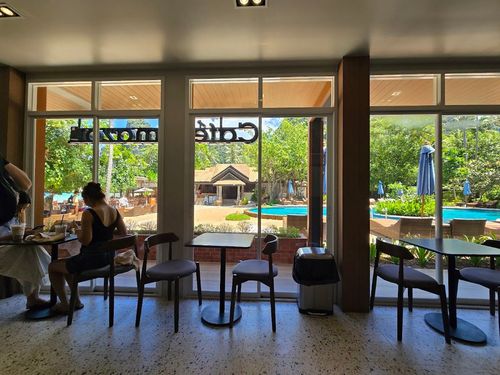
Café Amazon คาเฟ่ อเมซอน
Cafes
Bangkok’s go-to chain when you need caffeine fast. Iced lattes, green tea frappes, and Thai tea around 45–85 THB, plus grab-and-go pastries—perfect before a river ferry or after a Khao San night.
Recommended Products
More Khao San Road Guides
- Backpacker Packing List for Thailand: Gadgets, Chargers, and Power Bank Essentials
- Thailand Backpacker Packing List for Electronics and Power: Adapters, Chargers, Backup Battery, and Tech Safety
- Backpacker Packing List for Thailand with Electronics: Adapters, Chargers, Power Banks, and Device Protection
- Backpacker Packing List for Thailand’s Tech and Charging Setup: Adapters, Power Banks, and Cable Control