
Thailand Travel Advisory: Current Safety, Entry and Transit Advice
Real-world Thailand travel advisory: safety, entry rules, regional risks, and trusted sources—so you can move from Khao San to Koh Samui with confidence.
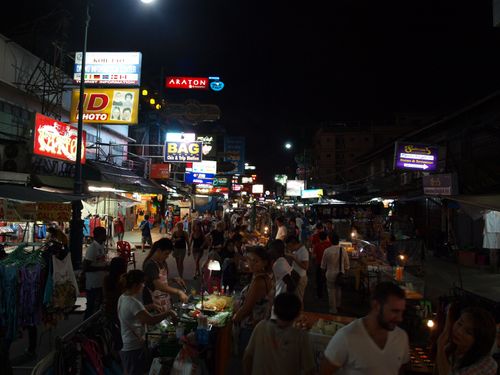
We step out of the tuk-tuk onto Khao San Road and the night hits us like a cymbal crash—garlic in hot oil, bass thumping from an upstairs bar, sweet rot of durian from the cart by the ATM. A 7-Eleven door slides open and blasts us with AC salvation. In moments like this, the headlines and the thailand travel advisory chatter melt away, replaced by the immediate business of finding a cold Leo and the best pad thai on Soi Rambuttri. Still, a smart trip starts with good intel—what’s hype, what’s real, and how to move through the Kingdom with the easy confidence of a local.
What a Thailand Travel Advisory Really Means
A thailand travel advisory is not a red light—it’s a signal system. Different countries grade risk differently, but the gist is: exercise normal caution in most tourist areas, extra caution where nature or politics get feisty, and specialized caution in a few border zones. Who should pay closest attention?
- First-timers and families: You’ll want clear entry rules, medical know-how, and neighborhood-by-neighborhood context.
- Solo travelers (including solo women): Focus on night transport habits, drink safety, and choosing well-located accommodation.
- Long-stayers and digital nomads: Visa rules, extensions, and seasonal risks (smoke in the north, storms in the south) matter more.
- Adventure seekers: Diving, trekking, motorbikes—great sanuk, but they raise your risk profile and your insurance needs.
Advisories can sound scarier than the sidewalk feels. We’ve walked Phra Athit at midnight without a flutter, dodged scooters on Soi Nana (the Chinatown one), and ridden the Chao Phraya Express boat through a monsoon squall. Thailand is welcoming and generally safe—but it rewards the prepared.
Safety, Health, Entry and Local Laws: The Essentials
Entry basics and visas
- Visa exemption: Many nationalities get visa-free entry for short stays (often 30 days). Your airline may ask for proof of onward travel; have a flight or bus ticket ready. Rules change—check your embassy and the Thai MFA before you fly.
- Extensions: Tourist extensions are commonly available for around 1,900 baht at immigration offices (in Bangkok that’s Chaeng Watthana). Dress neatly, bring passport photos, copies, and patience.
- Overstay: Fined at 500 baht/day up to a cap, plus potential bans for longer overstays. Don’t roll the dice.
- Visa runs: If you’re stretching your stay, understand the difference between tourist extensions and border runs. We break down the options here: Thailand Visa Runs from Bangkok: A Complete Guide.
Practical tip: Keep a digital and paper copy of your passport ID page and entry stamp. Immigration officers and some hotels will ask for your passport; legitimate hotels will photocopy it—don’t sweat that.
Health on the ground
- Insurance: Private hospitals like Bumrungrad and Bangkok Hospital are excellent—and expensive without coverage. Buy travel insurance that covers motorbikes, diving, and evacuation if you’re venturing far.
- Heat and hydration: Bangkok’s heat is sneaky. Electrolyte packets from 7-Eleven (10–20 baht) are your friend. If you feel woozy at the Golden Mount, find shade, sip slowly.
- Mosquitoes: Dengue is the big nuisance; no routine traveler vaccine. Use 20–30% DEET in the evening, wear light long sleeves up north at dusk.
- Air quality: Chiang Mai and parts of the north can be smoky Feb–Apr during burning season. Sensitive travelers should bring N95 masks and plan indoor days with AC.
- First aid: Pharmacies are everywhere, but bring what you know you’ll want. Our field-tested list is here: Thailand Travel First Aid Kit: What Backpackers Should Carry.
Food safety: Eat where the wok sizzles and the line moves. Street boat noodles on Victory Monument’s khlong-side stalls? Slurp away. Look for freshly cooked, piping hot dishes; peel your own fruit; skip sad, sunbaked sushi.
Street smarts and scams
- Taxis: In Bangkok, insist on the meter. If they refuse, smile, wave them on, and book Grab or Bolt. From Suvarnabhumi to Khao San, expect 350–450 baht plus 70–120 baht in tolls.
- Tuk-tuks: Fun for short hops, not cheap. Avoid “20-baht city tours”—they detour to gem and tailor shops that suddenly become hard to leave.
- Closed-temple scam: Near the Grand Palace, anyone saying “it’s closed, come with me” is selling you a story. Check hours online or at the official gate and walk on.
- Night transport: Keep your bag zipped on night buses and ferries. On sleeper trains, second-class AC berths are a solid balance of comfort and security; long-haul trains now depart from Krung Thep Aphiwat Central Terminal.
- Beach rentals: Jet-ski disputes pop up in Pattaya and Phuket. Photograph gear before use and agree on terms. Never hand over your passport as collateral—leave a cash deposit or go elsewhere.
Local laws you might trip over
- E-cigarettes: Vaping is illegal to import and can lead to fines or confiscation. Don’t risk it.
- Cannabis: Rules have been in flux. Shops exist, but public smoking is not allowed and products with higher THC are restricted. Don’t carry it across borders, and check the latest official guidance before indulging.
- Alcohol: Convenience-store sales pause 14:00–17:00 and after midnight, and halt on certain Buddhist holidays and election days. Bars check ID; legal drinking age is 20.
- Respect: Lèse-majesté laws are strict. Be polite about the monarchy and national symbols. Dress modestly at temples (shoulders and knees covered) and remove shoes.
- Drones: Permits required from CAAT; heavy fines for flying near airports, palaces, or crowds.
Regional Differences and Common Risk Areas in Thailand
Bangkok: Busy, bright, mostly common sense
- Protests: Rallies can pop up around Democracy Monument, Victory Monument, and Ratchaprasong. They’re usually peaceful but can shift; admire from afar and reroute.
- Petty theft: Crowds around Khao San, Chatuchak, and Asok are prime spots for pickpockets. Cross-body bag, zips closed, phone lanyard—done.
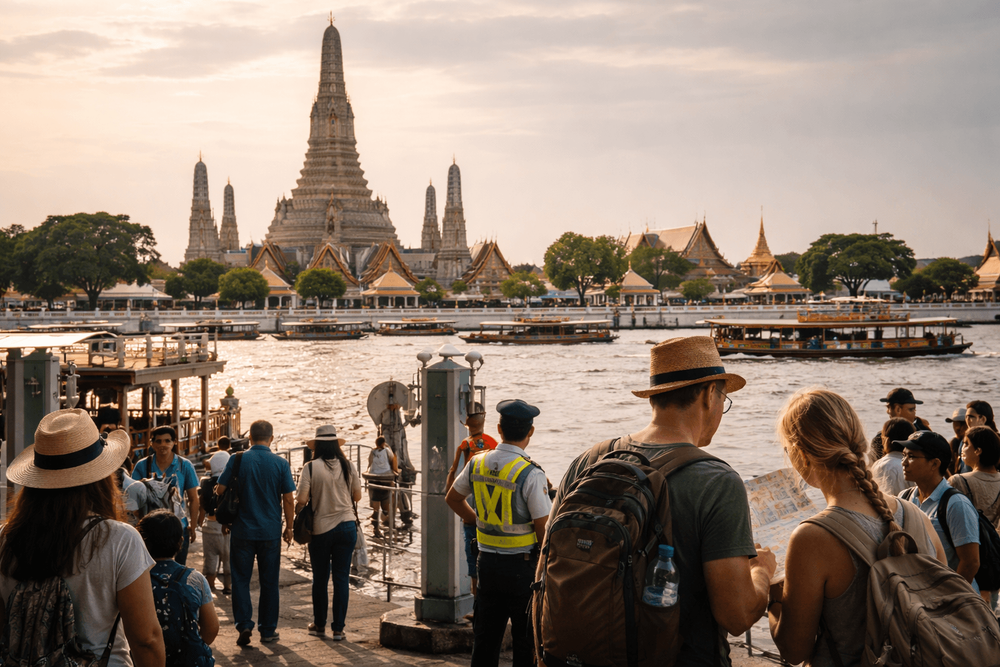
- Water and weather: The Chao Phraya Express boat is brilliant, cheap (16–60 baht), and safe; just mind the gap when it bounces against the pier. Flash floods can swamp sois Sept–Oct; step carefully and don’t ride a motorbike through deep water.
Where to sleep? Around Khao San/Soi Rambuttri you’ll find budget guesthouses steps from street food. On Phra Athit Road, smaller riverside boutiques trade neon for quiet nights. Around Asok and Sathorn, business hotels offer skytrain access and blackout curtains that save your jet-lagged soul.
Islands and beaches: Sunshine with seasonal edges
- Monsoons: The Andaman side (Phuket, Krabi, Koh Lanta) is rainier May–Oct; the Gulf (Koh Samui, Phangan, Tao) gets choppier Oct–Dec. Ferries may cancel—build buffer days.
- Ferries: Stick to reputable operators, wear the life vest on rough crossings, and avoid overloading. If the captain says sit inside, sit inside.
- Parties: Full Moon shenanigans are fun until they’re not. Watch your drink, stash only what you can afford to lose, and skip barefoot beach runs—broken glass hides in the sand.
- Sea safety: Rip currents are real in low season; heed red flags and lifeguards.
The North: Culture, cool nights, smoky season
- Air: Feb–Apr, Chiang Mai can sit under a smoky lid. If you’re sensitive, aim for Nov–Jan or hole up in AC cafés when the AQI spikes.
- Roads: The Mae Hong Son loop and Pai canyon roads are gorgeous and unforgiving. If you’re not a confident rider, take the minivan and rent a scooter locally for short, slow spins—helmet on, always.
- Treks: Go with licensed guides, especially near borders. Tell someone your route and carry layers; nights can dip below 15°C in the hills.
Borders and the Deep South: Special attention zones
- Deep South: Yala, Pattani, and Narathiwat (and parts of Songkhla) experience sporadic insurgent violence. Many advisories elevate risk levels here; travel only if necessary and follow local guidance closely.
- Myanmar and Cambodia borders: Situations can shift with little notice. Check crossing status before land travel (Mae Sot, Mae Sai, Aranyaprathet/Poipet), and avoid remote border trails without a guide.
National parks: Rain makes trails slick; waterfalls get muscle. Stay on marked paths, heed ranger warnings, and expect leeches in wet season—fun little vampires.
Staying Informed: Sources, Alerts, and On-the-Ground Moves
- Your embassy’s alerts: Enroll in your citizen traveler program if offered (e.g., STEP for U.S. citizens). Check your country’s latest advisory just before you fly and again before domestic hops.
- Thai authorities: The Ministry of Foreign Affairs for entry rules; the Department of Disease Control for health notices; the Thai Meteorological Department for storm tracks; Tourist Police (dial 1155) for help in English.
- Local news: TAT Newsroom for tourism updates; major outlets like Bangkok Post for citywide happenings. Social feeds for BTS/MRT occasionally post service changes.
- SIMs and data: Grab a Thai SIM at the airport or any 7-Eleven (often 150–300 baht for a week of data). Google Maps works great; so does the Chao Phraya boat timetable on your phone when the sky opens.
- Emergency numbers: 1155 Tourist Police, 191 Police, 1669 Medical emergency, 199 Fire. Save your hotel’s front desk WhatsApp/Line.
- Documents: Photo backups of your passport, visa, and insurance. A laminated copy of your passport can smooth motorbike-rental paperwork without handing over the real deal.
Planning the bigger picture? Our country overview stitches together transport, timing, and the must-sees: Thailand Travel Guide.
Know Before You Go: Quick Checks and Practical Costs
- Visas and onward ticket: Screenshot confirmation emails; some airlines want to see them at check-in.
- Money: ATMs add a 220–250 baht fee per withdrawal. Consider bringing debit cards with fee rebates and use licensed exchanges like SuperRich for cash.
- Arrival rides: From Suvarnabhumi, Airport Rail Link to Phaya Thai (45 baht) plus a short taxi or Grab is fast and cheap. Don Mueang’s A1/A2 buses link to BTS at Mo Chit.
- Packing: Lightweight, breathable clothes; temple-appropriate layers; a rain shell in wet season; and decent sandals. If you’re building a bag from scratch, start here: Thailand Packing List for First-Time Backpackers: What to Bring and What to Leave Behind.
- Temples: Shoulders and knees covered; sarongs for rent at big sites like Wat Pho, but bring your own to skip the queue.
- Drinking water: Bottled is cheap (10–20 baht). Many hotels have refill stations—top up and cut plastic.
- Nightlife IDs: Bars and clubs card regularly—carry your passport or a crisp copy.
- Ferries and flights: Book a morning crossing or flight in rainy season to dodge afternoon storms.
- Motorbikes: International driving permit + helmet. Police checkpoints in Phuket/Pattaya are routine; fines are cheaper than hospital bills.
Accommodation game plan: In Bangkok, we like to base near a transit line (BTS/MRT) for daytime missions, then hop riverside or Old Town for temple runs and night markets. On islands, pick places within a short, lit walk of where you’ll go at night. In Chiang Mai, inside the Old City moat keeps logistics simple; Nimmanhaemin works if cafés and co-working are your rhythm.
Thailand Travel Advisory: Our Take from the Sidewalk
We’ve crossed zebra stripes on Sathorn while a motorbike treated the crosswalk like a suggestion. We’ve ridden the orange-flag boat as lightning stitched the sky over Wat Arun Ratchawararam Ratchawaramahawihan. We’ve watched protesters chant calmly at Democracy Monument and then disperse for noodles. The real advisory? Thailand rewards those who respect the rhythm: wai with a smile, keep your wits about you, and plan for the weather.
Yes, there are gotchas—monsoon days that strand you on Koh Phangan, a taxi that won’t hit the meter, smoke that fogs Doi Suthep. But there’s also the vendor on Soi Rambuttri who remembers your face, the boatman who steadies your step at Phra Arthit pier, the security guard who points you toward the Golden Mount shortcut when the clouds break.
Keep an eye on the thailand travel advisory from your home country, follow Thai official channels for storms and health notes, and travel with flexibility. We’ll see you at sunset on Phra Athit Road, a bag of mango sticky rice in hand, ready to drift along the river breeze and plan tomorrow over a plate of boat noodles.
For deep prep, jump into the essentials here: Backpacker Packing List for Thailand. Then pack light, keep it sanuk, and let Bangkok teach you the rest.
Related Hotels & Places
Khao San Road
Attractions
Bangkok’s backpacker carnival: curbside bars, live bands and DJs from 3pm–2am (midnight Sun). Street eats are cheap — pad thai 70–100 THB, mango sticky rice 60–100 THB. Come for wild people-watching; duck into Rambuttri for a calmer beer.
7-Eleven
Shops
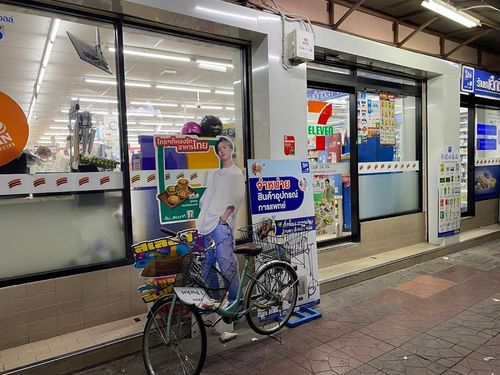
Khao San’s 24/7 reset button: ice‑cold A/C, ham‑cheese toasties, All Café iced lattes, water for 7–14 THB, and late‑night supplies from snacks to sunscreen—right by Rikka Inn.
Wat Arun Ratchawararam Ratchawaramahawihan
Temples