
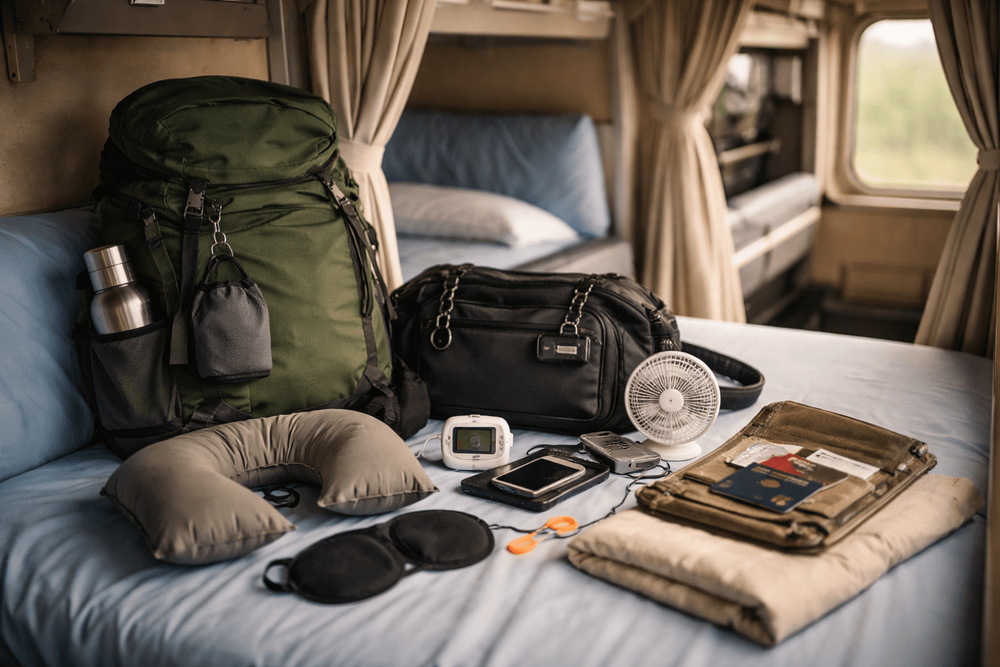
What to Pack for Thailand for Overnight Trains: Sleep Gear, Security, and Comfort Essentials
Our seasoned, no-fluff packing guide for Thailand’s overnight trains: sleep better, guard your gear, and arrive fresh—without hauling your whole closet.
We’re shoulder-to-shoulder under the bright lights at Krung Thep Aphiwat (Bang Sue Grand Station), the PA crooning in Thai and English while a parade of backpacks and instant noodles shuffles toward Platform 6. A plastic bag of mango sticky rice sweats in our hand, the AC blasts our sunburn, and the carriage numbers finally pop up on the board. This is the exact moment when a smart thailand overnight train packing list pays off—because once that whistle goes, it’s you, a narrow berth, and the slow, rhythmic khlong-like sway all the way to Chiang Mai, Nong Khai, or the deep south.
We’ve ridden these overnights more times than we can count—from the last-gasp charm of Hua Lamphong to the futuristic sprawl of Bang Sue—and we’ve dialed in what actually matters in your bag. Here’s what we bring, what we skip, and how we keep it all sanuk without losing a sock or a passport along the way.
The Thailand Overnight Train Packing List: Absolute Essentials
Let’s start with the non-negotiables. You can improvise a pillow; you can’t improvise a passport when the conductor asks for it at 11:07 pm.
Documents and Tickets
- Passport: Required. Your name must match the ticket; staff check it at boarding or in your berth.
- Ticket: E-tickets with QR codes on your phone are widely accepted now. We still screenshot it and carry a printout for insurance.
- Pen and small notebook: Handy for immigration forms on cross-border routes (e.g., Nong Khai) or jotting carriage/berth numbers.
Tip: Keep docs in a slim crossbody you can wear while sleeping. Don’t shove them into the big pack on the rack.
Cash, Cards, and Payments
- Cash: 300–600 THB per person covers snacks, water, and emergency noodles if you didn’t pre-game at 7-Eleven. Many onboard vendors are cash-only.
- Cards: Useful in stations (chains, food courts), less so onboard.
- Small change: Vendors prefer 20s and coins.
Water and Snacks
- Water: 1–1.5 liters per person. Small bottles are 7–10 THB at 7-Eleven; 1.5L is around 13–20 THB. If you’ve got a reusable bottle, fill it before boarding.
- Easy, low-mess snacks: Bananas, sticky rice, grilled chicken skewers, packaged nuts, dried mango. Avoid durian (banned in many places), and anything saucy that can become your neighbor’s problem at 3 am.
- Emergency meal: A rice bowl or sandwich and a spoon/fork. Some trains have a dining car or trolley service, but it’s inconsistent—don’t rely on it.
Toiletries and Hygiene
- Wet wipes and hand sanitizer: Sinks can be communal and splashy; soap isn’t guaranteed.
- Tissues/toilet paper: Don’t bet your night on the last square.
- Toothbrush and mini toothpaste: The minty reset after the lights go down is priceless.
- Lip balm and moisturizer: AC dries you out more than Bangkok in hot season.
- Deodorant and a small face towel: You’ll thank yourself after a hot wait on the platform.
Electronics and Power
- Phone with offline entertainment: Download a playlist, podcast, or a cheesy Thai lakorn for full immersion.
- Power bank (10,000–20,000 mAh): Newer AC sleepers often have outlets, but not every berth does, and you don’t want to babysit your phone at a hallway socket.
- Charging cables + short extension or multi-port adapter: Share with your new farang friends or hog it; your call.
- Universal adapter: Thailand runs 220V, sockets typically accept flat (Type A) or round (Type C) plugs.
Health and Meds
- Motion sickness tablets if you’re sensitive to sway.
- Basic meds: Paracetamol/ibuprofen, anti-diarrheal, rehydration salts.
- Insect repellent: Useful at stations and fan cars with open windows.
- Small first-aid kit: Plasters, antiseptic wipes, tweezers. Nothing heroic.
Clever Extras We Always Pack
- Earplugs and eye mask: The neon bathroom glow and late-night chatter will find you otherwise.
- Small trash bag: Corral your snack wrappers and tissues; bins aren’t always nearby.
- Carabiners and zip ties: Hang your day bag off a berth hook; zip tie zips for a tamper-evident seal.
- Light cable lock: To attach your big pack to the rack or the bed frame.
- Collapsible cup or thermos: Some routes have hot water; nice for instant coffee in the morning. Don’t count on it, but when it’s there—magic.
For a broader, all-scenario checklist beyond trains, we keep this in our back pocket: Thailand Carry-On Packing Guide (/articles/thailand-carry-on-packing-guide).
Dress for the Carriage You Have, Not the One You Wanted
When the lights dim and the seats transform into berths with a soft thump, comfort becomes your entire universe. Here’s what we wear and why.
Layers, Always Layers
- Base layer: Breathable tee or light long-sleeve. AC cars get cold; fan cars run warm and occasionally dusty.
- Lightweight sweater or hoodie: Essential for AC sleepers and those 5 am arrivals in Chiang Mai when the air has bite.
- Packable scarf or sarong: Works as a shawl, pillowcase, or backup curtain.
Socks, Footwear, and Bathroom Reality
- Socks: Clean pair just for bed. You’ll feel human again.
- Flip-flops: Toilets can be splashy when the train brakes. Don’t sacrifice your nice sneakers.
Earplugs, Eye Mask, and the Blanket Question
- Earplugs: Safety valve against clicking tracks, conductor calls, and the guy snoring to Isan ballads.
- Eye mask: Corridor lights never truly die.
- Blanket: Sleepers provide a sheet, blanket, and pillow—fresh, wrapped, and surprisingly decent. We sometimes bring a light sleeping bag liner for peace of mind on older carriages or fan sleepers.
- Travel pillow: Optional. We like an inflatable neck pillow if we’re in seats-only, or nothing extra in sleepers.
Seat vs. Sleeper Attire
- Seats-only: Think long-haul flight—neck pillow, hoodie, and patience.
- Sleeper: Keep it simple and respectful; you’re in communal space. Shorts are fine; ultra-short shorts and shirtless isn’t the vibe.
If you’re building a minimalist train-and-bus capsule, our combined Night Buses + Overnight Trains list has quick wins: What to Pack for Thailand for Night Buses and Overnight Trains (/articles/thailand-overnight-travel-packing-list).
What to Pack for Different Classes, Routes, and Trip Lengths
Not all Thai trains are created equal. Match your packing to your ticket.
1st Class AC Sleeper (Two-Berth Cabins)
- Expect: Lockable cabin, two bunks, sheets/blanket/pillow, a table, and usually a power outlet.
- Pack extras: Less about security, more about comfort. Bring snacks, a good show, and a decent coffee plan for morning.
- Price ballpark (Bangkok–Chiang Mai): ~1,500–2,100 THB depending on train and berth.
2nd Class AC Sleeper (Curtained Open Berths)
- Expect: Shared carriage with upper/lower bunks, curtains, bedding provided, attendants who make up your bed after 8–9 pm.
- Pack extras: Earplugs, eye mask, light lock for your big bag, and a hoodie. Lower berths are wider and pricier; upper berths feel snugger and can be a touch cooler.
- Price ballpark (Bangkok–Chiang Mai): ~800–1,200 THB.
2nd Class Fan Sleeper (Older Cars, Some Routes)
- Expect: Windows open, tropical breeze, a little grit. Charming, loud, and warmer.
- Pack extras: Insect repellent, extra water, wet wipes, and a sleeping bag liner if you’re fussy.
Seats-Only (Reclining or Bench)
- Expect: No lie-flat. You’re in plane mode all night.
- Pack extras: Neck pillow, heavier snack game, strong playlist, and next-morning forgiveness for yourself. Prices vary widely by route; usually the cheapest night option.
Route Considerations and Duration
- Bangkok–Chiang Mai: 11–13 hours. Cool mornings up north; pack a layer.
- Bangkok–Nong Khai: 10–12 hours to the Lao border; have a pen and passport handy.
- Bangkok–Ubon Ratchathani: 8–10 hours; snack variety decent at stations.
- Bangkok–Surat Thani (for Koh Samui/Phangan/Tao): 8–11 hours. Humid south—hydration matters. Pack for a station-to-ferry transfer: sandals, day bag ready.
- Bangkok–Hat Yai: 14–16 hours. Long-haul discipline—big water, robust power bank, proper sleep kit.
Long trip? Double your water and snacks, not your wardrobe. Laundry in Thailand is cheap; hauling extra outfits is not.
For a train-focused, step-by-step checklist we reference before every departure, see: Thailand Packing List for Backpackers on Overnight Trains and Buses (/articles/thailand-overnight-train-packing-list).
Security and Luggage: Sleep Easy, Arrive With Everything
Overnight trains in Thailand feel safe, but good habits keep it that way.
The Two-Bag System
- Big bag: Goes on the overhead rack or under the lower berth. Lock it to a fixed point with a cable lock or chain.
- Day bag: Stays with you in the bunk. Crossbody is best. Keep passport, phone, cash, and electronics inside.
Locking, Labeling, and Layout
- Zips: Use tiny padlocks or zip ties. They’re less about impenetrability, more about making your stuff the least convenient target.
- Labels: Put your name and Thai phone number (if you have one) on your big bag. Airtags/Tile? Nice to have, not essential.
- Don’t leave devices charging unattended in hall outlets. If you must, stand with them and make a friend.
Boarding and Bedtime Moves
- Arrive 30–45 minutes early. Platforms at Krung Thep Aphiwat can be a long walk from the ticket gates.
- Check carriage and berth numbers right away; attendants will point you in the right direction with a sawadee and a smile.
- Ask for bed-making when you’re ready; they move fast with crisp hospital corners.
- Keep shoes within reach. There’s always one midnight bathroom trip.
What Not to Flash
- Wads of cash, fresh iPhone boxes, or a bag stuffed with brand emblems. Be the boring target.
If you’re sweating your day bag setup for stations and temple hopping before your train, borrow from our everyday carry: Thailand Packing List for Backpackers: Day Bag Essentials for Flights, Temples, and Tours (/articles/thailand-day-bag-packing-list).
Thailand-Specific Know-How: Stations, Delays, Food, and What to Skip
Getting to the Station
- Krung Thep Aphiwat (Bang Sue Grand Station): Easiest via MRT Blue Line (Bang Sue). From Khao San Road or Soi Rambuttri, a metered taxi or Grab is simpler—budget 120–250 THB depending on traffic and time.
- Hua Lamphong: Some services still use the old terminal. MRT Blue Line drops you right there. Double-check your ticket; don’t gamble on the wrong station.
Station Survival
- Food: Both stations have food courts and convenience stores. We grab pad kra pao or fried chicken rice before boarding, then snag fruit and water from 7-Eleven.
- Left luggage: Available at major stations if you’re early and want to roam Phra Athit Road or the Golden Mount first.
- Language: Basic English is fine at ticket counters; a smile and a khop khun ka/krap carry you far.
Delays Happen
- Thai trains can be fashionably late. Pack an extra snack, pad your schedule for morning connections, and keep your power bank juiced.
Food Onboard: Temper Expectations
- Dining car or trolley varies by route and rolling stock. You may get a full car with hot meals, or just a cart with instant noodles and coffee. Prices are reasonable (think 60–150 THB), but options can be limited late at night.
- Bring your own utensils; not all vendors include them.
What Not to Bring On Board
- Alcohol: Officially banned on Thai trains. Save the Chang for the beach.
- Strong-smelling foods: Durian, fermented fish bombs—just don’t. Your carriage neighbors will send you telepathic daggers.
- Giant liquids and glass bottles: Space is tight; spills are forever.
- Bulky valuables you won’t use: Drone you can’t fly, brick-sized power strip—leave them at the guesthouse.
Women- and Children-Only Cars
- Some trains have women/children-only carriages. If that’s your preference, book that coach specifically. Men aren’t allowed inside.
Arrival Tactics
- Morning chill in Chiang Mai? Pull on your hoodie before the doors open. In Surat Thani, prepare for a bus/ferry handoff—keep your day bag tight and your ticket handy.
- Hungry at dawn? At Chiang Mai station, we beeline for soy milk and patongo (fried dough) just outside; in Bangkok, it’s straight to iced coffee and boat noodles when we roll back in.
Packing Light Without Regret
We travel best with one carry-on backpack and a small day bag. Thailand is a backpacker’s dream for laundry and cheap toiletries; you won’t miss the fifth T-shirt. If you’re shifting cities by night regularly, your back—and your budget—will thank you for a tighter kit.
If you like having a master list for the whole trip, not just the rails, bookmark: Backpacker Packing List for Thailand (/articles/backpacker-packing-list-for-thailand-2026-04-10).
Thailand Overnight Train Packing: Quick Recap You Can Screenshot
- Must-haves: Passport, e-ticket, 300–600 THB cash, 1–1.5L water, easy snacks, wet wipes, tissues, sanitizer, toothbrush, earplugs, eye mask, hoodie, flip-flops, power bank, cables, light lock, carabiner/zip ties, basic meds.
- Nice-to-haves: Sleeping bag liner (older cars/fan sleepers), scarf, collapsible cup, small towel, insect repellent, pen/notebook.
- Class tweaks: 1st class—more comfort than security. 2nd class AC—earplugs, lock, layer. Fan sleepers—repellent, wipes. Seats-only—neck pillow, patience.
- Station smarts: Double-check departure station, arrive early, eat before you board, expect delays, don’t bring alcohol or durian.

We usually pre-game with a plate of pad thai on Soi Rambuttri, hop a taxi past the river’s dark skin, and climb aboard with just enough gear to sleep well and wake up ready. Pack light, pack smart, and we’ll see you in the dining car—if there is one—nursing a coffee while the mist lifts off the rice fields.
Related Hotels & Places
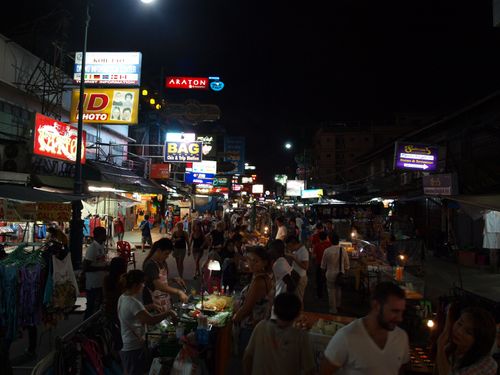
Khao San Road
Attractions
Bangkok’s backpacker carnival: curbside bars, live bands and DJs from 3pm–2am (midnight Sun). Street eats are cheap — pad thai 70–100 THB, mango sticky rice 60–100 THB. Come for wild people-watching; duck into Rambuttri for a calmer beer.
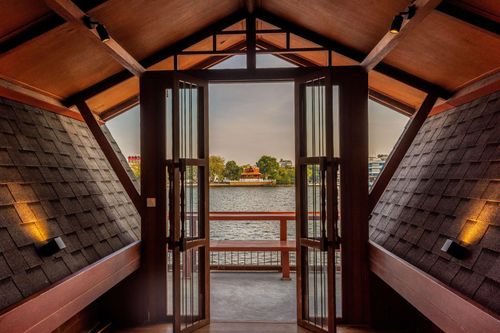
Baan Manee BKK
Hotels
A 118‑year‑old riverside house turned boutique stay and café. Sunset terrace, a small bar and a fire pit on the Chao Phraya. Ten minutes across from Khao San—come for proper coffee by day, drinks after dark, and quiet sleep away from the noise.
Rambuttri
Markets
Khao San’s calmer cousin: a tree‑shaded lane of VW van cocktail bars, open‑air foot massages, pad thai grills, and easygoing live bands. Best from sunset to 11pm; beers 80–120 THB, cocktails 150–220 THB. One block from the chaos, all the charm.
คลองท่อคาเฟ่ อยุธยา - Khlong To Cafe
Cafes
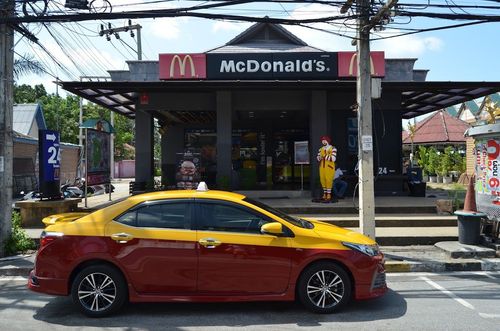
McDonald's
Restaurants
Late-night fries on Khao San’s main strip. Open daily 11am–4am, this McD’s is the go-to post-party refuel: fast AC, quick service, familiar menu. Grab a burger and dive back into the chaos.
Recommended Products
More Khao San Road Guides
- Backpacker Packing List for Thailand’s Train Travel: Sleeper Comfort, Security, and Station-Day Essentials
- What to Pack for Thailand for Night Buses and Overnight Trains: Comfort and Security Essentials
- What to Pack for Thailand for Long Bus and Train Trips: Overnight Comfort, Security, and Easy-Access Essentials
- Thailand Packing List for Backpackers on Overnight Trains and Buses