
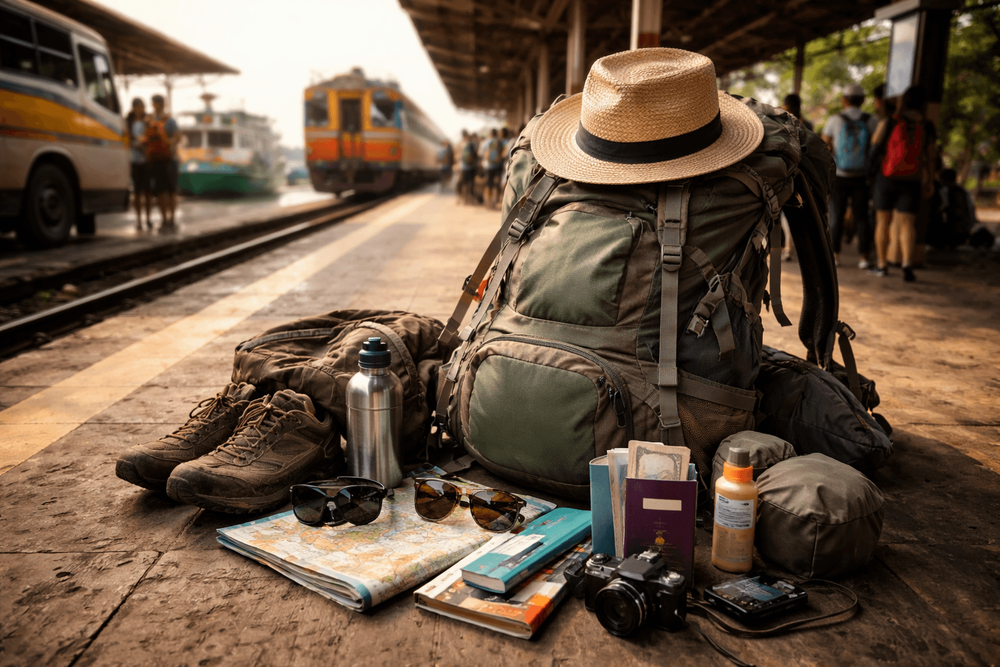
What to Pack for Thailand for Overland Backpacking: Buses, Trains, Ferries, and Border Crossings
Pack light and right for Thailand overland travel—buses, trains, ferries, and borders. Real gear, local prices, and Khao San-tested tips in one guide.
We’re shoulder-to-shoulder on the platform at Krung Thep Aphiwat, the big new rail hub up in Bang Sue, plastic bags rustling with snacks from 7-Eleven, the blast of AC at our backs and humid Bangkok air licking our necks. A diesel horn yawns. Thailand overland packing list: not just what fits in your pack, but what keeps you sanuk when the bus AC is set to Arctic, the ferry deck is slick with spray, and the border official wants a passport photo you didn’t think to bring.
Data Freshness + Verification
- Prices are approximate (THB). Last checked: July 2026.
- For venue facts (name, hours, closures, boat/bus schedules), avoid absolutes; give typical ranges and add "confirm same-day locally."
- When citing any price, include neighborhood and, if known, source type (menu, recent visitor, operator site).
Concrete Planning Details
- Mini food crawl near Khao San/Phra Athit (3–4 stops):
- Roti Mataba on Phra Athit Road – share a curry and roti; we’ll wipe the bowl clean. 5–7 minutes walk from Phra Sumen Fort.
- Tom Yum Goong Banglamphu (Sam Sen Soi 2) – a fiery bowl that fogs your glasses in the best way. 8–10 minutes walk from Phra Athit.
- Soi Rambuttri banana roti cart – dessert with sweet condensed milk while the tuk-tuks purr by. 5 minutes walk from Khao San Road.
- Optional nightcap at a quiet bar along Phra Athit or a quick tuk-tuk (5–10 minutes) to Pad Thai Thipsamai on Maha Chai Road if we’re chasing that wok-breath glow. Expect 20–25 minutes walk; queues vary; confirm same-day.
- Realistic travel times and modes: Walks above are 5–25 minutes. Tuk-tuk hops between Khao San and Maha Chai typically 10–15 minutes depending on traffic; agree fare upfront (80–150 THB typical in Banglamphu; recent visitor quotes). Chao Phraya Express boats serve Phra Athit Pier roughly dawn to early evening; check the orange flag line same-day at the pier.
Booking Suggestions (if relevant)
- For easy bus/train mornings, we like staying within 10–15 minutes of Phra Athit Pier or Soi Rambuttri; look for guesthouses with 24-hour reception and luggage storage; check availability before Thai holidays and weekends.
- Night trains and popular Gulf/Andaman ferries can sell out in high season; book a spot a few days ahead when possible, especially if we want lower berths or combined bus+ferry tickets.
Thailand Overland Packing List: The Essentials
We keep it lean—everything carryable on our backs through a sweaty bus depot or down a ferry gangplank in Surat Thani. Here’s what always earns space:
- Passport + 2–4 spare passport photos: border officials sometimes ask, especially at land crossings; keep photos flat in a zip bag.
- Printed and digital copies: biodata page, onward travel proof, visas/e-visas, travel insurance. A slim A5 folder helps at counters.
- Cash + cards: 3–5k THB split across a money clip and deep pocket; one backup card. ATMs usually work, but fees bite. Small notes help for buses, snacks, and songthaews.
- A pen: we’re always filling forms in our lap.
- Universal power adapter + short multi-USB cable: Thailand runs ~220V, sockets often accept flat or round pins; a compact adapter with fast charge keeps the slab alive.
- Power bank (10,000–20,000 mAh): bus plugs can be dead; trains sometimes have shared sockets—don’t count on them.
- Lightweight clothing: 3–4 quick-dry tees/tops, 2 shorts, 1 long, breathable pants/skirt for temples and buses with meat-locker AC.
- Sarong or big scarf: temple cover, night-bus blanket, impromptu pillow.
- Basic toiletries: travel-size everything; you can restock at any 7-Eleven. Toss in a tiny conditioner if your hair hates humidity.
- Microfiber towel: for homestays, waterfalls, and surprise downpours.
- Flip-flops + one sturdy pair (sneakers or sandals with a backstrap): flip-flops for hostel showers and ferries; sturdier pair for jungle steps and market sloshes.
- Padlock and short cable lock: for hostel lockers and to leash a bag to a train rack.
If you want a deeper breakdown of day-bag logic, our daypack guide is gold for temples, boats, and wandering markets: Thailand Packing List for Backpackers: Day Bag Essentials for Flights, Temples, and Tours. For how we rig our everyday carry, see: Backpacker Packing List for Thailand for Daily Carry and Daypack Setup.
Gear for Border Crossings, Buses, Trains, Ferries, and Vans
When we say overland, we mean long, jostly hours. The right bits turn meh into manageable.
Border crossing kit
- Clear document pouch: passport, photos, copies, spare pen, small bills.
- Small USD/THB notes: some borders prefer fees in crisp USD; keep both and confirm same-day.
- Phone with offline copies of e-visas and bookings: screenshots save laggy queues.
- Patience + snacks: lines swell at late morning and early afternoon; we time breakfast accordingly.
Buses and long-distance vans
- Eye mask + earplugs: between karaoke movies and window rattle, you’ll sleep better.
- Warm layer: night buses are famously frigid; a thin fleece or long-sleeve does work.
- Neck pillow (packable): the van headrest is a suggestion, not a promise.
- Electrolyte sachets + 1L bottle: rest stops can be short; rehydrate after that tom yum.
- Compression sack or bungee: keep your big pack tidy in the belly hold; photo your bag before it disappears into the compartment.
We’ve got a bus-specific comfort list here, tuned for Thai routes and rest-stop reality: Backpacker Packing List for Thailand for Long-Haul Bus Travel: Overnight Comfort, Security, and Ride Essentials.
Trains (day and night)
- Small cable lock to tether your bag to the rack; keep valuables with you.
- Flip-flops for the aisle; floors can be, let’s say, lived-in.
- Wet wipes + hand gel: the sink may or may not have soap.
- Lightweight blanket or sarong: AC can swing brisk.
- A soft-sided tote: clutch your day bits when you wander to the dining car.
Ferries (Gulf and Andaman)
- Dry bag (5–10L): saves phones and passports from spray and afternoon squalls.
- Motion-sickness tabs or ginger candies: the ride to Koh Tao can bounce; we take one 30 minutes before boarding.
- Sun hat + reef-safe sunscreen: the deck bakes even under clouds.
- Pack rain cover: while boarding, the sky loves drama.
Organization that never fails
- Packing cubes: one for clothes, one for tech, one for toiletries. We know where stuff lives, even in the dark.
- Zip bags: documents, meds, phone accessories—condense chaos.
- Laundry kit: a few soap sheets and a travel clothesline. Coin laundries are common; self-serve loads often run 30–50 THB (Banglamphu, machine display) and wash-and-fold around 40–60 THB/kg (Old City, shop boards) — confirm same-day.
Packing for Thailand’s Climate and Mixed Conditions
Bangkok’s heat is a wet blanket; Chiang Mai’s cool season can flirt with a chill at dawn; the islands switch monsoons like playlists.
- Seasons, roughly: hot season is blistering, rainy season brings downpours, and cool season is gentler. The Andaman side (Phuket/Krabi) often sees heavier rain mid-year, while the Gulf (Samui/Tao/Phangan) takes more late-year squalls. Always confirm current patterns locally—they shift.
- Fabrics: quick-dry, breathable is the move. Cotton feels nice until it never dries.
- Temple etiquette: shoulders and knees covered. Pack one airy long bottom and a modest top; a sarong can rescue you at Wat Pho and the Golden Mount.
- Smoke up north: during the annual burn, air quality can dip; a light mask helps sensitive lungs.
- Rain kit: a compact poncho beats an umbrella on crowded sois; a small dry bag protects passports.
- Chill factor: buses and malls crank AC. One light layer earns its space.
- Footwear reality: slick ferry steps, muddy khlong-side paths, and polished temple tiles—good tread matters.
Health, Safety, and Convenience
We can buy almost everything here, but carrying a tight core kit saves a frantic pharmacy dash in a rural bus terminal.
- First-aid basics: plasters, antiseptic wipes, tiny tube of antibiotic cream, paracetamol/ibuprofen, loperamide for emergencies, and oral rehydration salts. Tuck in any personal meds with copies of prescriptions.
- Mosquito defense: DEET or picaridin repellent for dusk by the river; long sleeves on ferries at sunset; after-bite gel for the one that gets through.
- Sun care: reef-safe sunscreen SPF 30+ and a lip balm; reapply on boat decks and motorbike runs.
- Water strategy: a 1L reusable bottle. Many hostels offer refills; bottles at 7-Eleven usually run 10–15 THB (Banglamphu, fridge tag). Electrolytes help when we’ve sweat through a shirt by lunch.
- Security: a small combo padlock, cable for racks, and a discreet neck wallet or deep pocket for passport days. We also split cards and cash—one on us, one buried in the pack.
- SIM + data: airport counters and 7-Eleven usually sell tourist SIMs from major carriers with a week or two of data for roughly 150–300 THB (Banglamphu, counter boards). eSIMs work on most newer phones. Speeds vary by island and mountain; grab an offline map just in case.
- Offline entertainment: podcasts, e-books, a downloaded series. That slow ferry becomes a blissful reading nook with a breeze off the Gulf.
What Not to Pack: Overpacking Traps We’ve Learned the Sweaty Way
- Too many shoes: one sturdy pair + flip-flops is the sweet spot.
- Heavy jeans: they trap heat and never dry in rainy season.
- Full-size toiletries: leaks and weight; buy local refills cheap.
- Bulky sleeping bag: hostels/guesthouses provide bedding; a sleep sack or sarong is plenty.
- Fancy jewelry: attracts attention and adds worry.
- Giant trekking kit: unless you’re set on multi-day jungle treks, rent locally in Chiang Mai or Kanchanaburi when needed.
- Massive power strip: most rooms have enough outlets; a small multi-USB charger is smarter.
- Hard-shell suitcase: stairs, boats, and uneven sois make it a chore; a soft pack with stowable straps wins.
If you’re tempted to bring “just-in-case” extras, remember you can buy or rent most things on the ground. If there’s any chance you’ll swap to a budget flight mid-trip, skim our weight-savvy tips here: Thailand Backpacker Packing List for Budget Airlines and Weight-Limit Fees. Keeping it light helps even if we stay 100% overland.
Know Before You Go: Docs, Cash, and Connections
- Visas and border rules change; always confirm same-day with official sources or at the station counter. Land borders may ask for onward proof or photos.
- Combined tickets (bus+ferry) are convenient to islands; compare prices at reputable travel desks around Khao San/Phra Athit and read the fine print on transfer points.
- Chao Phraya boats: orange-flag locals are cheap and fast; first/last sailings vary by day and season—check the board at Phra Athit Pier before we commit to sunset plans.
- Night trains: lower berths book first; if we’re set on a date, pop by the station or use an authorized agent a few days out.
- Scams: the “helpful” visa fixer before an official window, the tuk-tuk that’s “closed, come this way,” the surprise upgrade fee—smile, say mai ow khráp/khâ (no thanks), and keep moving.
Sample One-Bag Setup We Love for Thailand Overland
- 40–46L backpack with hip belt and hideaway straps
- 15–20L daypack that slides under a bus seat
- Packing cubes: 1 clothes, 1 tech, 1 toiletries
- Small sling for passport days and quick dashes to the pier
- Dry bag clipped inside the daypack on ferry days
For a full day-bag loadout you can copy, see: Thailand Packing List for Backpackers: Day Bag Essentials for Flights, Temples, and Tours.
Example Route Ranges (Plan, Then Confirm Same-Day)
- Bangkok to Chiang Mai: train ~10–13h; bus ~9–11h. Night options popular; bring layers.
- Bangkok to Koh Tao (bus+ferry): ~9–11h depending on sea and operator.
- Surat Thani to Koh Samui/Koh Phangan: ferries often ~1–2.5h depending on speed and pier.
- Bangkok to Siem Reap (bus+border): ~8–10h with variable border time at Poipet; snacks and patience recommended.

When we finally dump the pack at a guesthouse near Soi Rambuttri and step back into the thump of bass from Khao San, we’re always glad we kept it simple: a dry passport, a warm layer for buses, a sarong that does magic tricks, and enough room left for mangoes and memories. Pack light, keep moving, and we’ll see you at Phra Athit Pier—orange flag flapping, boats bucking, Bangkok’s skyline winking without the markup.
Related Hotels & Places
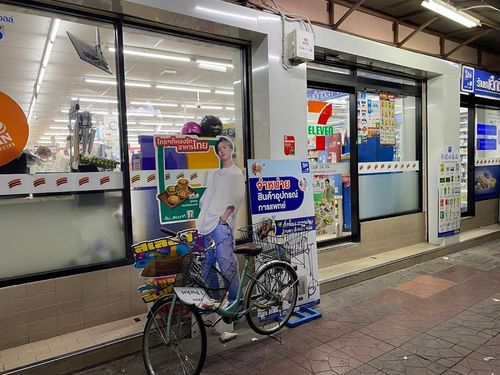
7-Eleven
Shops
Khao San’s 24/7 reset button: ice‑cold A/C, ham‑cheese toasties, All Café iced lattes, water for 7–14 THB, and late‑night supplies from snacks to sunscreen—right by Rikka Inn.
Phra Sumen Fort
Attractions
1783 riverfront fort on Phra Athit with white battlements, park breezes, and killer sunset views over Rama VIII Bridge. Free entry; best from 5–7pm before the gates close at 9pm.
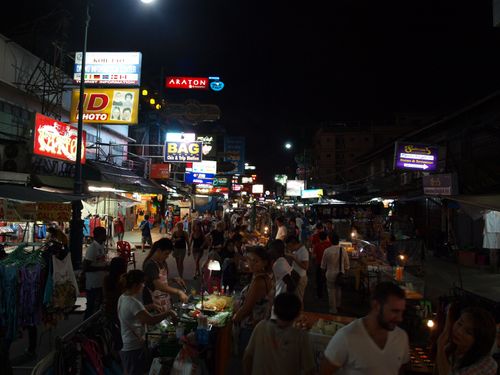
Khao San Road
Attractions
Bangkok’s backpacker carnival: curbside bars, live bands and DJs from 3pm–2am (midnight Sun). Street eats are cheap — pad thai 70–100 THB, mango sticky rice 60–100 THB. Come for wild people-watching; duck into Rambuttri for a calmer beer.
Recommended Products
More Khao San Road Guides
- What to Pack for Thailand for Long Bus and Train Trips: Overnight Comfort, Security, and Easy-Access Essentials
- Thailand Packing List for Backpackers on Overnight Trains and Buses
- Backpacker Packing List for Thailand’s Night Buses and Sleeper Trains
- What to Pack for Thailand for Backpackers Using Public Transport: Easy-Carry Essentials for Buses, Trains, and Taxis