
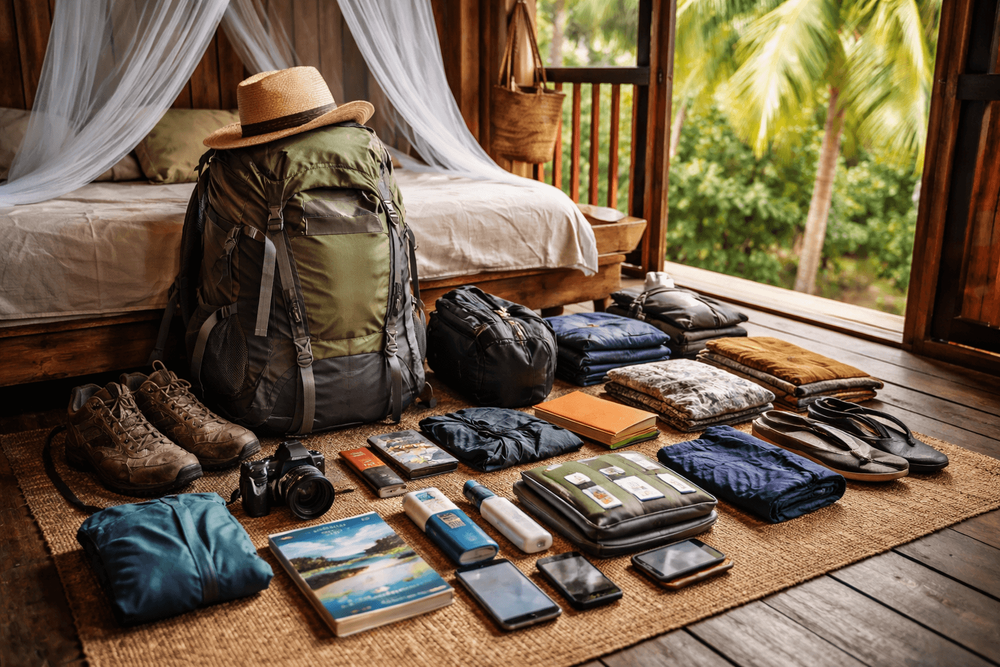
What to Pack for Thailand for a Gap Year Backpacking Trip
Our Thailand gap year packing list: heat-ready clothes, visas, health gear, tech, and hostel hacks—everything you need, nothing you don’t.
We step out onto Rambuttri and the air hits us like a hairdryer set to “jungle.” Woks hiss, a tuk-tuk coughs past, and the neon from Khao San Road bleeds into puddles left by last night’s downpour. This is where a Thailand gap year packing list earns its keep. Pack light and smart, and Bangkok feels like a playground; overpack, and every ferry, sleeper train, and temple stair turns into penance. Let’s build the kit that works from monsoon to cool season, from hostel bunk to island hammock.
If you’re only here for a quick two-week spin, you might want the tighter edit in Thailand Packing List for First-Time Backpackers (/articles/thailand-packing-list-for-first-time-backpackers). For a long stay, we’re going deeper, lighter, and more practical.
Thailand Gap Year Packing List: Clothing for Heat, Rain, and Temples
Fabrics that breathe (and actually dry)
Thailand is hot and humid year-round, with a rainy season that loves surprise attacks. Cotton soaks and sulks; we go for quick-dry synthetics or light linen blends.
- 3–4 quick-dry T-shirts or light linen shirts (button-ups double as sun protection)
- 2 pairs light shorts (one casual, one gym/swim hybrid)
- 1–2 pairs breathable long pants (linen, thin cotton, or hiking trousers) for temples, buses, and mosquitoes
- 1 sarong or lightweight scarf — instant temple cover, beach towel, bus blanket
- 1 light dress or skirt (knee-length or longer) if that’s your style
- 5–7 pairs underwear (exOfficio-type quick-dry is great; wash in the sink)
- 3 pairs lightweight socks
- 1 ultra-light rain jacket OR a couple of 7‑Eleven ponchos (20–30 baht each)
Temple etiquette matters: shoulders and knees covered. Nothing ruins sanuk (fun) like being turned away from Wat Pho because your shorts are too short. That sarong earns its space every week.
Footwear: street to jungle to hostel shower
- 1 pair breathable trainers or trail runners — good tread for rainy sidewalks and the Golden Mount’s steps
- 1 pair sturdy sandals (Teva/Chaco style or Thai-made knockoffs from Chatuchak Market)
- 1 pair flip-flops for hostel bathrooms
Leave hiking boots at home unless you’re doing serious treks in the north. In Bangkok’s heat, heavy boots feel like ankle ovens.
Rain, sun, and sweat management
- Ultralight umbrella (great for sun too)
- Dry bags (2L–10L) for phones/cameras when a khlong crossing turns splashy — markets sell them for 150–300 baht
- Packable cap or wide-brim hat
- Quick-dry microfiber towel (hostels often rent towels, but you’ll thank yourself on island days)
Laundry rhythm
Coin-op washers are everywhere in Bangkok and Chiang Mai (40–60 baht a load), and laundry services charge by the kilo (30–60 baht in cities, 50–100 on islands). Plan to wash every 4–5 days and pack less. A zip bag with a few detergent sheets and a travel clothesline handles the in-between.
Documents, Visas, Insurance, and Money: The Boring Stuff That Saves Trips
Passport, visas, and the long stay reality
- Passport with at least 6 months’ validity and plenty of blank pages
- Visa plan: Thailand’s rules change, so check the Thai embassy or consulate site for the latest before you fly. For a gap year, many of us do a mix of tourist visas, visa extensions, and time spent in neighboring countries. Budget for visa fees and transport.
- Digital backups: scans of passport, visas, insurance, and key receipts in cloud storage, plus copies in your email
- Extra passport photos (4–6) for visa runs, SIM registration, and random admin
If you plan to rent scooters (everyone is tempted in Pai or on Koh Phangan), bring your home driver’s license plus an International Driving Permit. Wear a helmet. Thai police checkpoints are real, and heads are precious.
Insurance: non-negotiable
Get travel medical insurance that covers motorcycle accidents, hospital stays, and evacuation. Screenshot your policy and save the hotline number. Bangkok hospitals are excellent but not cheap without coverage.
Money: fees and street reality
- ATM withdrawals usually incur a Thai bank fee (around 220–250 baht per withdrawal). Save by taking out larger amounts and using a card with low foreign fees.
- Keep a small stash of emergency USD/EUR and spread your cards — one on you, one buried in your pack, one digital in your phone wallet.
- Notify your bank. Frozen cards are zero fun when you’re paying for a night boat to Surat Thani.
- Cash matters for street food and markets. Break 1,000-baht notes at 7‑Eleven (the blessed blast of AC and a laser-bright snack aisle awaits).
Health, Safety, and Hygiene Essentials
Vaccines and basics
We’re not your doctor, but common backpacker shots for Thailand include Hep A, Hep B, typhoid, and an up-to-date tetanus. Malaria risk is low in cities and many tourist areas; dengue is more common — mosquito avoidance is key.
The micro‑kit that saves days
- High-coverage sunscreen (SPF 50). Local prices vary: 200–500 baht at Boots/Watsons
- Mosquito repellent (20–30% DEET or picaridin) — 80–200 baht
- After-sun/aloe gel (sun happens)
- Oral rehydration salts (for heat and the occasional Bangkok belly)
- Loperamide (for emergencies), plus probiotics if they work for you
- Antihistamines (mosquito bites and allergies)
- Painkillers you know agree with you
- A few plasters, antiseptic wipes, and a small bandage roll
- Hand sanitizer and a small soap bar or sheet soap (hostels sometimes skimp)
- Menstrual cup or your preferred products (you can find pads/tampons in cities; cups are easier for island-hopping)
- Condoms (quality varies; bring what you prefer)
7‑Eleven, Boots, and Watsons cover most refills; they’re everywhere and usually open 10:00–22:00, with 7‑Eleven 24/7. Your kit should get you through a night bus, a soggy ferry, and a Khao San curry night.
Safety notes that aren’t buzzkills
- Tuk-tuk “20 baht city tour” offers are usually scams — they’ll shuttle you to gem shops and tailor stops. If it sounds too cheap, it is.
- Use Grab or a metered taxi; always ask the driver to switch on the meter.
- In hostels, use a padlock. Earplugs and an eye mask turn a bass-thumping Khao San bar into white noise.
- Hydrate like it’s your job. Refill stations (1 baht/liter) dot neighborhoods, and big water jugs at hostels are common.
For a focused day bag setup that works from temple mornings to night markets, steal from our Thailand Packing List for Backpackers: Day Bag Essentials for Flights, Temples, and Tours (/articles/thailand-day-bag-packing-list).
Electronics, Adapters, SIMs, and Practical Tech
Power and plugs
Thailand runs on 220V with Type A/C sockets (US-style flat and Euro-style round). Most hostels have a jumble of outlets. Bring:
- Universal adapter with two USB ports
- Short extension cord or a tiny travel power strip (two outlets in a dorm aren’t enough for eight farang and their phones)
- 10,000–20,000 mAh power bank (day trips, buses, island ferries)
- Surge protection if you’re carrying a laptop
Phone, SIMs, and staying connected
- eSIM or local SIM from AIS, DTAC, or True — plans from roughly 200–600 baht for 30 days of data (shop at airport kiosks or city malls; passport required)
- Offline maps and translation downloaded before island hops
- Waterproof phone pouch for Songkran and boat days (100–200 baht on Khao San)
Grab for rides, Google Maps for alleys and sois, LINE or WhatsApp to keep in touch. Thailand’s mobile data is fast even on islands, though some ferries have dead zones — cue the power bank.
Cameras and nice-to-haves
- Compact mirrorless or just your phone camera — low light in night markets is tricky; bring a fast lens or accept the mood
- Headlamp for night buses, hostel lockers, and sunrise climbs
- E-reader for those languid Phra Athit riverfront afternoons
If you’re leaning toward remote work, you’ll want a slightly different setup — peek at Thailand Packing List for Digital Nomad Backpackers (/articles/thailand-packing-list-for-digital-nomad-backpackers) for cables, keyboard, and café-life add-ons.
Gap-Year Priorities: Backpacks, Hostel Life, and What to Leave Behind
The carry that actually carries
- Main pack: 40–50L is the sweet spot. Big enough for seasons, small enough for buses and the Chao Phraya Express boat without sweeping strangers into the river.
- Daypack: 18–25L with a sternum strap and water bottle pockets
- Packing cubes or compression sacks to tame the chaos
- Rain cover for both bags
- 2–5L dry bag nested in the daypack for downpours and boat transfers
Hostel gear that earns its keep
- Small padlock for lockers
- Microfiber towel (hostel rentals add up)
- Sleep sheet or lightweight liner if you’re picky about bedding
- Earplugs + eye mask (Khao San bass, island roosters, dawn prayers)
- Collapsible tote or mesh bag for laundry
- Travel clothesline + a handful of pegs
- Universal sink plug + mini detergent sheets for hand-washing
- Reusable water bottle (insulated if you can — ice clanks are love in this heat)
- Cutlery kit or spork for street food picnics on Phra Athit’s riverside benches
What to buy here vs. bring from home
Bring: good-quality sunscreen, well-fitting sandals, a reliable rain jacket, and meds you trust. Buy here: sarongs, hats, tank tops, cheap flip-flops, hammocks. Khao San and Soi Rambuttri stalls will kit you out fast, and Decathlon (various Bangkok malls) is clutch for budget outdoor gear.
What to leave at home
- Heavy boots, bulky jeans, thick hoodies
- Hairdryers, full-size toiletries (refill at 7‑Eleven/Boots)
- Valuables you’d cry over (jewelry, heirlooms)
- Excess makeup — everything melts; keep it minimal
- Giant first-aid kits (you’re near pharmacies almost everywhere)
Laundry and life rhythm
Budget a weekly laundry cycle and a monthly “reset” stop in Bangkok or Chiang Mai — swap books, buy new T-shirts, get a cheap massage, and reorganize your pack with a mango sticky rice reward. We like grabbing a quiet guesthouse off the main drag on Soi Rambuttri or riverside along Phra Athit Road when we need a few nights to regroup and repack; dorms often run 250–500 baht, and basic privates 700–1,200 baht depending on season.
A Sample Gap-Year Packing List (Counts That Work)
Clothing
- 3–4 quick-dry shirts
- 2 shorts
- 1–2 long pants (lightweight)
- 1 dress/skirt (optional)
- 1 sarong/scarf
- 1 light rain jacket or 2 ponchos
- 5–7 underwear, 3 socks
- Sleepwear
- Swimwear (1–2)
- Hat/cap
Footwear
- 1 trainers/trail runners
- 1 sturdy sandals
- 1 flip-flops
Health & Hygiene
- Toothbrush/paste, deodorant, small shampoo/soap
- Sunscreen SPF 50, lip balm SPF
- Mosquito repellent (DEET or picaridin)
- Small first-aid + meds (ORS, loperamide, antihistamines, painkillers)
- Hand sanitizer, wet wipes
- Menstrual cup/products, condoms
Documents & Money
- Passport + copies
- Visa printouts/photos
- Travel insurance docs
- ATM/debit cards + spare
- Small USD/EUR stash
Electronics
- Phone + charger, power bank
- Universal adapter + short power strip
- Headlamp
- E-reader (optional)
- Laptop (optional)
Bags & Bits
- 40–50L main pack + rain cover
- 18–25L daypack + dry bag (2–5L)
- Packing cubes
- Padlock
- Microfiber towel
- Travel clothesline + detergent sheets
- Reusable water bottle
- Waterproof phone pouch
Add-ons for rainy season (May–Oct)
- Extra dry bag
- Quick-dry shorts x1
- Light umbrella
Songkran (mid-April) specific
- Waterproof pouch for cash/phone, quick-dry clothes you don’t mind soaking, a smile — you will be drenched
Know Before You Pack
Seasons and what they mean for your bag
- Cool-ish season (Nov–Feb): Best temple-hopping weather; pack a light layer for air-con buses and malls that feel like ice caves
- Hot season (Mar–May): Less fabric, more sunscreen; rehydrate constantly
- Rainy season (May–Oct): Umbrella, quick-dry outfits, and dry bags pay rent daily
Where to stock up in Bangkok
- Khao San Road Night Market: cheap clothes, sarongs, dry bags, phone pouches
- MBK Center and Siam area: electronics, SIM cards, repair shops
- Chatuchak Weekend Market (Sat–Sun, roughly 9:00–18:00): everything under the sun — go early before it bakes
- Pharmacies (Boots/Watsons): sunscreen, meds, skincare
Getting around with a light pack
We hop the Chao Phraya Express boat when we can — breeze, views, and no traffic. For longer hauls, trains from Hua Lamphong (and now Bang Sue Grand Station) are comfy; buses can be frigid from the AC, so keep that extra layer handy. Pack so you can sling both bags and still scale the stairs at the Golden Mount without a swear.
If you like spreadsheets and want the atomic breakdown for a shorter trip, borrow ideas from Backpacker Packing List for Thailand (/articles/backpacker-packing-list-for-thailand-2026-06-06) and then strip it to your gap-year rhythm.

Final Word from the Soi
Pack like future-you has to carry it up a ferry gangplank in the rain — because we will. Start lean, buy what you discover you need on the road, and keep a little space in your bag for the unexpected: a night train picnic, a beach sarong that becomes your everyday scarf, a book traded on Phra Athit that changes your route. When you land, message us; we’ll be on Soi Rambuttri with an iced cha yen (30–50 baht), ready to compare packs and plot the next move north.
Related Hotels & Places
Khao San Road
Attractions
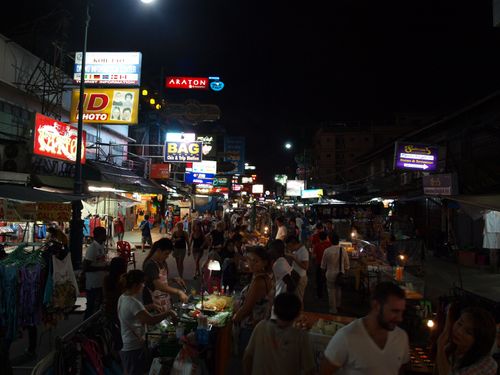
Bangkok’s backpacker carnival: curbside bars, live bands and DJs from 3pm–2am (midnight Sun). Street eats are cheap — pad thai 70–100 THB, mango sticky rice 60–100 THB. Come for wild people-watching; duck into Rambuttri for a calmer beer.
Rambuttri
Markets
Khao San’s calmer cousin: a tree‑shaded lane of VW van cocktail bars, open‑air foot massages, pad thai grills, and easygoing live bands. Best from sunset to 11pm; beers 80–120 THB, cocktails 150–220 THB. One block from the chaos, all the charm.
Khao San Road Night Market
Markets
Khao San’s nightly street market fires up from 3pm and peaks 7pm–midnight: pad thai and roti carts, fruit shakes, bargain tees and “elephant pants,” foot massages, tattoos, and those infamous cocktail buckets—all packed into one neon‑loud strip.
Recommended Products
More Khao San Road Guides
- What to Pack for Thailand for First-Time Backpackers: The Complete Seasonal Gear Checklist
- What to Pack for Thailand for Male Backpackers: Lightweight Clothes and Travel Essentials
- What to Pack for Thailand as a First-Time Backpacker: The Essential Gear Checklist
- Backpacker Packing List for Thailand: Pack for Wet and Dry Adventures in One Trip