
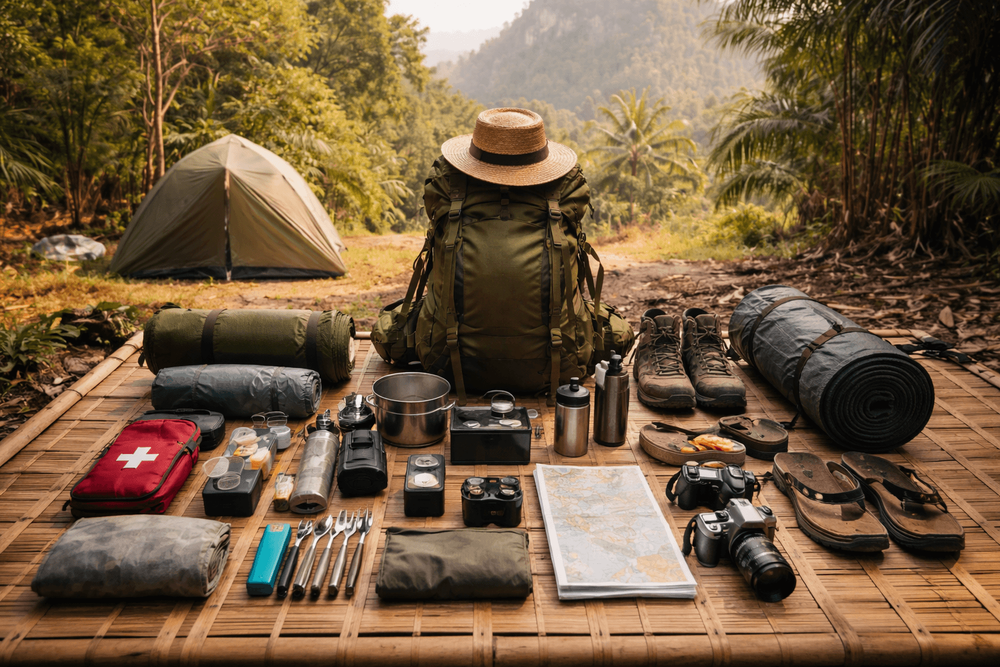
Thailand Backpacker Packing List for Budget Camping and National Park Stays
Dial in your Thailand camping packing list: lightweight shelter, rain-ready clothes, cooking, safety, and national park rentals—smart, budget-savvy, and jungle-proof.
We’re bouncing in the back of a songthaew, dust curling off the road as jungle gives way to a clearing stitched with tents. The air smells like damp leaves and grilled pork skewers, and cicadas scream like nightclub speakers on Khao San Road after midnight. This is where our Thailand camping packing list earns its keep—light enough to haul from minivan to campsite, tough enough for monsoon squalls, and smart enough to dodge mozzies, macaques, and the odd 3 a.m. rooster.
Data Freshness + Pricing:
- Prices are approximate and in THB.
- Last checked: June 2026.
- Happy hour and promo details change frequently—confirm locally.
Essential camping gear for Thailand’s climate and trips (our Thailand camping packing list)
Thailand’s terrain flips from beach sand to khlong-side jungle to piney mountains in a single overnight bus. We pack for rain, heat, and the fact that many national parks rent basics if we want to travel ultralight.
Shelter: tent, hammock, or both
- Ultralight freestanding tent (2–3P): We like something with a full-coverage rainfly and big mesh panels for airflow. Tropical nights can feel like a sauna; good ventilation matters more than four-season strength.
- Tropical-proof footprint/groundsheet: A cheap poly sheet saves your tent floor from damp red clay and mystery roots.
- Hammock + bug net option: Great in southern forests and on islands where the ground stays soggy. Make sure you’ve got a full-length bug net and a proper tarp; afternoon storms hit fast.
- Sand/snow stakes for beaches: Regular pegs pop out of dry sand. If you don’t carry them, deadman anchors (buried stuff sacks filled with sand) work in a pinch.
Rentals: Many park HQs rent tents, mats, and bags. Expect approx. 250–450 THB for a tent, 30–60 THB for a foam mat, and 50–120 THB for a sleeping bag per night, depending on the park and season. Availability drops on Thai holidays and cool-season weekends.
Sleep system for steamy lows and chilly highs
- Sleeping pad: Closed-cell foam works in damp areas and shrugs off thorns. An inflatable pad is comfier but bring a patch kit.
- Quilt/light bag + liner: In lowland heat, a silk or microfiber liner is plenty. In the north at elevation (Doi Inthanon, Phu Chi Fa), nights can drop to single digits Celsius in the cool season—carry a 10–15°C comfort quilt or rent a bag at HQ.
- Pillow: An inflatable pillow or a stuff-sack filled with your fleece. Your neck will thank you after a day chasing waterfalls.
Lighting: hands-free and humidity-proof
- Headlamp with red mode: The red beam keeps bugs from swarming your face. Pack spare batteries or a USB-rechargeable model.
- Lantern: A tiny collapsible LED lantern turns a tent into a home. Great for cards when the rain sets in.
- Backup: Mini keychain light for 7-Eleven dashes and late-night loo runs.
Navigation and daypack basics
- Offline maps on phone (download satellite + topo) and a basic button compass. Don’t rely on 4G in the backcountry.
- 20–30L daypack with a rain cover. Line it with a trash bag to keep spare clothes dry when the sky opens.
- Dry bags (5–10L): Essential for phones, cash, and docs—especially on longtail rides to island camps.
- Repair kit: Duct tape wrapped on a lighter, needle + upholstery thread, tenacious tape for tent and pad, a few zip ties.
- Cordage: 10–15 m of paracord for clotheslines, tarps, and macaque-proofing your snack stash.
Tip: For your wider backpack baseline (clothes, toiletries, electronics), we cross-check with our general lists like the latest Backpacker Bar here: Backpacker Packing List for Thailand.
Weather-specific clothing and protection
Thailand throws heat like a wok at full blast, then flips to mountain chill without warning. Pack for extremes.
Heat and humidity
- Quick-dry tees/tanks (2–3) and one long-sleeve sun shirt. Fabrics that breathe—synthetics or merino blends—beat heavy cotton.
- Lightweight trekking pants + shorts. Zip-offs are dorky but practical when you need temple-appropriate legs in the morning and trail breeze by noon.
- Underwear/socks (3–4 pairs) that dry overnight. Antimicrobial helps in the muggy south.
- Breathable trail runners + camp sandals. Runners beat boots for most Thai trails. Sandals that can get wet are essential for showers and beach landings.
Rain protection
- Packable rain jacket with pit zips or a full-length poncho that covers you and your pack. In a downpour, ponchos are cooler.
- Compact umbrella: Laugh now, thank us later. Doubles as a portable shade in markets and on ferry docks.
Bugs and sun
- Permethrin-treated clothing or a separate bug shirt. Long sleeves at dusk are your shield.
- Insect repellent: DEET (20–30%) or picaridin works. Natural citronella smells nice but can be outgunned in jungle dusk.
- Leech socks if you’re trekking Khao Sok or wet evergreen forests in rainy season. They look silly; they save your ankles.
- Wide-brim hat or cap, polarized sunglasses, SPF 50+ reef-safe sunscreen, and aloe for overcooked days.
Cool mountain nights
- Light fleece or synthetic puffy. North and central highlands (Nov–Feb) can get properly chilly.
- Beanie and thin gloves if you’re tenting above 1,800 m. You’ll feel ridiculous until 2 a.m., then smug.
Laundry note: Most park camps have wash areas and lines. A travel clothesline and a few pegs keep your socks from migrating in a Khon Kaen breeze.
Food, water, cooking, and hygiene
Thai national parks are kinder than most backcountry setups—many have canteens and shops near camp—but hours are limited and prices creep up.
Water
- Capacity: 2–3 L per person for hikes, plus a collapsible 2–5 L bag for camp.
- Treatment: A squeeze filter (e.g., 0.1 micron) is fastest; carry chemical tabs as backup. Boiling works when stoves are allowed.
- Refills: Park HQs usually have potable or boiled water stations for a small fee (approx. 5–20 THB per liter). On islands, water can run short—fill up early.
Cooking
- Stove: Check rules—some parks restrict flames in camp areas. Where allowed, a small canister stove is easiest. Gas canisters run approx. 80–150 THB for 230 g in cities; availability thins near remote parks. Alcohol stoves are fiddly in wind and rain.
- Pot + mug + spork: One 750–900 ml pot handles noodles, rice, and coffee. Add a pot gripper if you use a metal cup.
- Windscreen and lighter + waterproof matches.
- Food bag and odor discipline: Monkeys and camp dogs will go full oceans-eleven on your snacks. Hang food off a line, stash it in a hard-sided bin if provided, and never leave it in the tent vestibule.
Easy camp menus
- Market noodles, eggs, veg: Pad them out with instant ramen and a sachet of nam prik (chili paste).
- Curry-on-the-fly: Curry paste, coconut milk powder, tofu or canned fish, plus veg. Serve over precooked rice pouches.
- Breakfast: Oats with banana and condensed milk, or the Thai classic—sticky rice and grilled pork from the morning stall at the park gate.
- Snacks: Dried mango, peanuts, seaweed sheets, and the inevitable 7-Eleven run for toasties when the night rain starts.
Canteens: Many park restaurants close by 18:00–19:00. Dishes cost approx. 70–150 THB. Don’t assume a late dinner—eat early or self-cater.
Hygiene
- Biodegradable soap (use away from streams), a tiny scrub cloth, toothbrush, and paste.
- Hand sanitizer and a small pack of wet wipes—your best friends after muddy trails and mystery squat toilets.
- Toilet paper in a zip bag. Most park toilets are BYO.
- Quick-dry towel. The heavy terry towel from home becomes a swamp.
- Trash bags: Pack out what you pack in. Many parks have strict sorting—follow the bins.
For adventure-heavy trips (caves, river treks, cliff viewpoints), we add helmets or gloves as needed—cross-check with our focused list here: Thailand Backpacking Packing List for Adventure Activities.
Safety, first-aid, power, and documents
We love the sanuk of a camp night—guitar strums, the thump of distant bass from someone’s portable speaker—yet we plan for the less-fun bits too.
Wildlife and trail sense
- Elephants: Give them space—100 m minimum. Never walk between a calf and the herd. If you see fresh dung on the trail, turn back or wait with rangers.
- Macaques: Cute until they steal your Oreos. No feeding. Zip your tent. Keep poles and cords out of reach.
- Boars, deer, civets: Mostly shy; don’t corner them for photos.
- Snakes: Step where you can see. Use a light at night. In the rare case of a bite, keep still and call for ranger/medical help—don’t cut, suck, or tourniquet.
First-aid essentials
- Blister kit (hydrocolloid dressings, leukotape), assorted plasters, gauze, crepe bandage, antiseptic wipes.
- Pain relief, anti-inflammatories, antihistamines for bites, anti-itch cream.
- Oral rehydration salts (ORS)—clutch in the heat and after a spicy som tam binge.
- Diarrhea meds and water treatment tabs as backup.
- Personal meds with copies of prescriptions.
Emergency numbers: 1669 for medical emergencies nationwide; park HQ numbers are posted at ranger stations—snap a photo on arrival.
Power and comms
- Power bank 10,000–20,000 mAh minimum. Humidity saps batteries faster than a tuk-tuk meter after midnight.
- Dual-port wall charger + short cables. Some camp areas have pay-to-charge points (approx. 20–40 THB per hour).
- Local SIM with data (AIS/TRUE/DTAC). Coverage drops in valleys; offline maps and messages are your safety net.
- Headlamp + spare cells. We’ve said it twice because the jungle goes black like a curtain.
Documents and money
- Passport copy (paper + phone), travel insurance details, and park entry receipts—rangers sometimes check.
- Cash in small bills for entry fees, rentals, and songthaews. ATMs can be 30–60 km away.
- Dry bag or zip pouch to keep it all un-soggy.
If you’re mixing camping with weeks of city/remote work, you’ll want a lean electronics kit—our tips here: Thailand Packing List for Digital Nomad Backpackers. Solo travelers should also peek at this safety-forward list: Thailand Packing List for Solo Backpackers: Safety, Convenience, and Easy-to-Carry Essentials.
Thailand-specific packing tips: rent or buy, weight hacks, and seasons
We’ve learned these the sweaty way: stumbling off a ferry at Hat Pak Bara, chasing the last minivan from Mo Chit, and bargaining for tent spots while the sky threatens a biblical dump.
What to rent vs. carry
- Rent at park HQ when: You’re doing a one- or two-night stay near main camps (Khao Yai, Doi Inthanon, Erawan, Khao Sok). Tents, mats, and bags are widely available (see prices above). It saves bulk on buses.
- Carry your own when: You’re island-hopping to remote beaches (Mu Ko Surin/Similan in season), trekking off main camps, or you’re picky about sleep. Rental inventory can run out on weekends.
- Buy local: Fuel canisters, paracord, ponchos, and foam mats are common in city outdoor shops and big-box stores. Prices are friendlier in Bangkok and Chiang Mai than at park kiosks.
Weight-saving tricks we actually use
- Shared shelter: One tent, two pads, one small tarp. Split the load.
- Multipurpose textiles: A sarong doubles as towel, blanket, privacy screen, and picnic mat.
- Decant liquids: Sunscreen, detergent, and soap into 50–100 ml bottles. Heavy bottles are for farang who haven’t met Thai humidity yet.
- Eat local: Grab dinner at the canteen and save the stove for coffee and breakfast.
Seasonal realities
- Cool season (Nov–Feb): Glorious hiking temps in the north; cold nights at elevation. Camps are crowded on weekends and holidays. Bring a warmer layer and reserve tents early if renting.
- Hot season (Mar–May): Brutal midday heat. Hike early, siesta, and hydrate. Electrolytes aren’t optional.
- Rainy season (roughly Jun–Oct): Greens explode and waterfalls roar. Trails get leeches and mud; storms roll fast. Pack real rain gear, leech socks, and a pack liner. Some islands and marine parks close—check dates.
Beach and island specifics
- Salt eats zips—rinse gear with fresh water when you can.
- Stake strategy: Use sand anchors or bury stuff sacks.
- Dry bags: One for tech, one for clothes. Longtail spray soaks everything.
- Sunrise shade: A light tarp or umbrella saves your sanity on treeless sand.
Culture, rules, and small courtesies
- Quiet hours usually start around 22:00. The jungle is loud enough; nobody needs EDM at 3 a.m.
- Alcohol rules vary; many parks restrict it. Don’t be that group.
- Fires are often banned in dry season; use stoves where allowed and only in designated areas.
- Dress modestly at HQs and shrines. A light cover-up keeps things chill with rangers and aunties selling khao man gai.
Know before you go: getting there, fees, and practicalities
- Park entry for foreigners: Approx. 200–400 THB per adult depending on the park; motorbike/car fees extra (approx. 20–60 THB). Keep your receipt.
- Campsite fee: Often separate, approx. 30–60 THB per person or per tent.
- Transport: From Bangkok, minivans from Mo Chit or Ekkamai to park towns (approx. 150–300 THB). Songthaews, motorbike taxis, or park shuttles connect the last leg (approx. 30–200 THB). In the north, Chiang Mai’s Arcade Bus Station serves Doi Inthanon and nearby parks; expect similar fares.
- Rentals and shop hours: Gear desks and canteens often run 08:00–17:00 with a lunch lull. Arrive early to claim tents and food.
- Weekends/holidays: Thai families love camping. We adore the vibe—grills smoking, kids playing flashlight tag—but queues form for showers and rentals. Aim for midweek if you crave quiet.
- Permits and sign-ins: Popular trails have ranger check-ins; snap a pic of posted numbers. Drones are restricted or banned in most parks—leave it.
The full Thailand camping packing list (quick reference)
- Shelter: Tent/hammock, rainfly/tarp, footprint, stakes (incl. sand options), paracord
- Sleep: Pad (foam or inflatable + patch kit), light quilt/liner, pillow
- Bags: 50–65L pack or duffel, 20–30L daypack, pack liner, dry bags (phone/docs/clothes)
- Lighting: Headlamp (red mode), spare batteries, mini lantern
- Navigation: Offline maps, compass, whistle
- Clothing: Quick-dry tops (2–3), long-sleeve sun shirt, pants + shorts, underwear/socks, hat, sunglasses, rain jacket/poncho, fleece/puffy, beanie/gloves (north, cool season), leech socks (rainy treks), trail runners, sandals
- Protection: Insect repellent (DEET/picaridin), sunscreen (reef-safe), aloe, permethrin-treated items if possible
- Kitchen: Canister stove (where allowed), fuel, lighter/matches, pot (750–900 ml), mug, spork, cutting card/mini knife, scrubber, food bag
- Water: Bottles/reservoir (2–3 L carry), 2–5 L camp bag, filter + tabs
- Hygiene: Biodegradable soap, towel, TP, wet wipes, sanitizer, toothbrush/paste, small trash bags, laundry line + pegs
- First aid: Blister care, plasters, gauze, bandage, antiseptic, painkillers, antihistamines, anti-itch, ORS, diarrhea meds, personal meds
- Tools/repair: Duct/tenacious tape, needle/thread, zip ties, multi-tool
- Power/comms: Power bank (10–20k mAh), charger + cables, local SIM, earplugs
- Docs/money: Passport copy, insurance, park receipts, cash (small bills), waterproof pouch
If you’re stretching this into a months-long wander with city breaks and temple days, trim duplication and lean into durable gear—our long-haul tips live here: Thailand Packing List for Backpackers on a Long-Term Trip: Reusable Gear, Laundry Setup, and Durable Basics.

We’ll leave you with one last Bangkok-flavored tip: do a lap of Soi Rambuttri or Phra Athit before you head out—snag a final bowl of boat noodles, hit the 7-Eleven blast of AC for batteries and instant coffee, and grab that extra trash bag. When the rain hammers your fly at 2 a.m. and the jungle choir kicks off, you’ll be grinning in the dark, snug, and very pleased your pack is dialed.
Related Hotels & Places
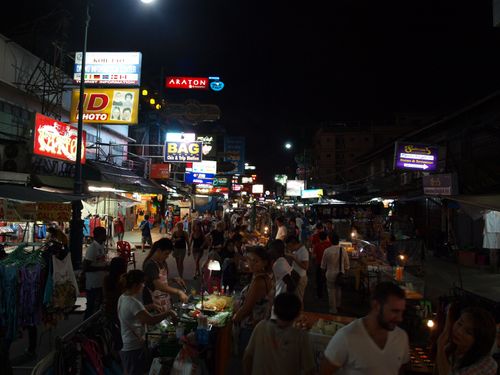
Khao San Road
Attractions
Bangkok’s backpacker carnival: curbside bars, live bands and DJs from 3pm–2am (midnight Sun). Street eats are cheap — pad thai 70–100 THB, mango sticky rice 60–100 THB. Come for wild people-watching; duck into Rambuttri for a calmer beer.
Backpacker Bar
Bars
Rambuttri
Markets
Khao San’s calmer cousin: a tree‑shaded lane of VW van cocktail bars, open‑air foot massages, pad thai grills, and easygoing live bands. Best from sunset to 11pm; beers 80–120 THB, cocktails 150–220 THB. One block from the chaos, all the charm.
Recommended Products
More Khao San Road Guides
- Backpacker Packing List for Thailand’s Countryside: Small-Town Stays, Dirt Roads, and Rural Comforts
- Backpacker Packing List for Thailand’s Remote Area Trips: Modest Clothing, Backup Supplies, and Self-Sufficiency Essentials
- Backpacker Packing List for Thailand: Security Gear for Hostels, Buses, and Day Trips
- Backpacker Packing List for Thailand for First-Time Visitors: Essentials, Mistakes to Avoid, and What You Can Buy There