
Best Day Trips from Bangkok for Backpackers That Work Well in the Rainy Season
Make rain your ally. The best Bangkok rainy season day trips with short travel times, covered stops, tarped markets, and easy transport—even in a downpour.
The rain hits the corrugated tin like frying garlic, the soi glistens, and the tuk-tuks hiss past, blue tarps flapping. We look at each other—do we hole up on Khao San Road or make a break for it? Here’s the thing: Bangkok rainy season day trips can be some of the most satisfying days you’ll have in Thailand. Less heat, fewer crowds, softer light on temple spires—and plenty of places with roofs, trams, canopies, and steaming bowls of boat noodles when the skies really open up. If you want broader picks by time of year, we also keep a seasonal cheat sheet here: Best Day Trips from Bangkok for Backpackers by Season: Cool-Weather, Rainy-Season, and Hot-Season Picks.
Best Bangkok Rainy Season Day Trips
1) Samut Prakan Double-Header: Erawan Museum + Ancient City (Muang Boran)
We hop the BTS down Sukhumvit until the city thins, then it’s a short taxi to a three-headed elephant the size of an apartment block. Inside the Erawan Museum is a riot of stained glass and curling naga banisters—fully indoors and gloriously dry. When the rain lightens, we roll a few more kilometers to Ancient City, a sprawling outdoor park of Thai architecture with covered pavilions, on-demand trams, and plenty of little cafés for monsoon breaks.
- Why it works when wet: Big indoor core at Erawan; Ancient City’s covered salas, tram loop, and shaded lanes keep you moving between squalls.
- Getting there: BTS to Kheha (E23) then Grab/taxi (~10–20 minutes). Self-drive from central Bangkok is ~45–60 minutes depending on traffic; use Bang Na–Chonburi Expressway if you’re already on Sukhumvit.
- Costs: Expect entrance fees in the mid-to-high hundreds of baht per site for adults; combo or weekday pricing can change—confirm locally. The tram at Ancient City is an extra but weather-friendly.
- Food: Duck into a sala for a moo ping stick and iced coffee as the rain patters on the pond.
Rain note: Paths can get slick. Flip-flops are fine, but we swear by quick-dry trainers with grip.
2) Ayutthaya in the Drizzle: Museums, Giant Buddhas, Covered Cloisters
Ayutthaya under cloud feels cinematic—the brick chedis glow almost orange, and puddles mirror prangs like a postcard. In downpours we shift the plan to indoors: the excellent Chao Sam Phraya National Museum (gold treasures, cool AC), the vast seated Buddha at Wat Phanan Choeng (all under roof), and the cloisters around Wat Yai Chai Mongkhon’s chedi. When rain eases, we grab a short, roofed boat along the khlong to eye the riverside wats from under a canopy.
- Why it works when wet: Lots of substantial indoor or semi-covered stops clustered close together; easy to duck into cafés between showers.
- Getting there:
- Train from Krung Thep Aphiwat Central Terminal to Ayutthaya (roughly 1–2 hours depending on class). Seats vary—confirm timings at the station.
- Minivans from northern or western terminals (ask for Ayutthaya; stations change—confirm locally).
- Self-drive ~80 km, 1.5–2 hours via Highway 1/32; light tolls if you use the expressways out of town.
- Costs: Museum tickets are modest; temple donations/fees vary by site. Boat tours price by boat, not passenger; negotiate and confirm duration.
- Food: We chase bowls of boat noodles near the river and roti sai mai (cotton candy crêpes) spun fresh under tarps.
Flood note: Heavy seasonal flooding can close specific ruins or access roads. If locals say the river’s high, we pivot to more museum time.
3) Maeklong Railway Market + Amphawa (Samut Songkhram)
We time our coffee in Banglamphu, then head west for a market that literally folds up when the train rolls through. Tarps snap open and shut like a street ballet. Rain? Vendors have awnings, and the spectacle still delivers. Stick around for Amphawa’s weekend floating market—steam, sizzling woks, and the smell of grilled squid riding the damp air. After dusk, we hop a firefly boat; most have canopies for passing showers.
- Why it works when wet: Both markets are largely tarped/covered; short walks between snacks. Firefly boats are rain-tolerant unless there’s lightning.
- Getting there:
- Minivans from Bangkok’s southern-side terminals (ask for Maeklong/Amphawa; terminals can shift—confirm locally).
- Self-drive ~80–100 km, 1.5–2 hours via Rama II (Highway 35). Rain can snarl traffic; leave early.
- Costs: Markets are free to roam; boat rides priced per boat or seat—browse, compare, and confirm duration.
- Food: Crab fried rice, hoy tod (oyster omelette), boat noodles made for damp weather.
Timing tip: Check the Maeklong train schedule the morning of your trip; departures sometimes shift with maintenance and seasonal conditions.
4) Nakhon Pathom: Phra Pathom Chedi, Don Wai Market, Jesada Technik Museum
If you hear thunder, we aim here. The massive golden chedi at Nakhon Pathom has broad covered galleries for dry laps and chanting. Don Wai Market along the Tha Chin River is mostly covered—mango sticky rice aromas mixing with rain. When it’s really bucketing, we retreat to Jesada Technik Museum, a quirky indoor collection of planes, trams, and microcars that kids and transport geeks love.
- Why it works when wet: Big indoor/outdoor hybrids with deep shade and roofs; minimal exposed walking.
- Getting there:
- Train from Thonburi Station to Nakhon Pathom (roughly 1–1.5 hours, confirm departures at the station).
- Self-drive ~60 km via Highway 4, 1–1.5 hours depending on rain traffic.
- Costs: Temple grounds are donation-based; market is free; the museum has a modest entrance or donation—confirm locally.
- Food: Roasted duck and kanom jeen vendors at Don Wai keep the line moving, even in a squall.
5) Ko Kret (Nonthaburi): Pottery, Cafés, and Shaded Lanes
We ride the Chao Phraya Express upriver past Phra Arthit and Phra Pin Klao, watching storm bands slide across the water. Ko Kret is a low-key Mon community island, famous for pottery. The circuit path is tree-shaded, and most workshops are roofed. When the rain hits, we sip iced chrysanthemum tea on a verandah and listen to it drum on the river.
- Why it works when wet: Dense tree cover, roofed workshops, short distances between stops.
- Getting there: Chao Phraya Express boat to Pak Kret (or bus/taxi), then a short ferry to Ko Kret. Self-drive to Pak Kret and park near the pier if you prefer.
- Costs: Ferry is small change; workshops may charge for demos or clay classes—confirm locally.
- Food: Fried river prawns and khanom kui chai under awnings, rain misting over the Bang Khlong.
Flood note: Ko Kret is low-lying. If the river is surging, some paths puddle. Wear quick-dry shoes and accept a splash or two—sanuk, right?
6) Kanchanaburi (City): Museums, Cafés, and the Bridge When the Sky Clears
We skip the waterfalls in heavy rain and stick to Kanchanaburi town—history-rich and easy to do on soggy days. The Thailand–Burma Railway Centre is fully indoors and excellent. The War Cemetery sits across the street, and the JEATH exhibits are part covered. If the rain pauses, we wander the famous bridge and grab coffee on the river, mist lifting off limestone hills.
- Why it works when wet: Indoor museum core, short transfers, railway nostalgia under moody skies.
- Getting there:
- Slow-travel train from Thonburi Station to Kanchanaburi (about 2.5–3 hours; check day-of schedules).
- Minivans or self-drive ~125–150 km, 2.5–3 hours via Highway 4/323.
- Costs: Museum tickets in the low hundreds; bridge area free; cafés plentiful.
- Eat: Hot panang curry and a side of jasmine rice while the rain freshens the air.
7) Bang Krachao: Bangkok’s Green Lung with Monsoon Leaves
Across the river from Khlong Toei, Bang Krachao is all mangroves, elevated boardwalks, and sleepy sois. We rent bikes with baskets under a tin awning and pedal to Sri Nakhon Khuean Khan Park. The lotus ponds shimmer under raindrops, and bird hides give us roofed pause points. On weekends, Bang Nam Phueng Market is largely covered and perfect for grazing.
- Why it works when wet: Tree cover, raised paths, and frequent shelters; easy to bail back to the pier if the heavens properly open.
- Getting there: Taxi or Grab to Khlong Toei pier, hop a longtail across, or drive over via the industrial ring road to one of the small piers.
- Costs: Bike rentals are modest; ferries are pocket change. Market snacks add up if you snack with enthusiasm.
- Good to know: Paths can be slick; go slow on bends.
8) Chachoengsao: Giant Ganesha, Covered Halls, and River Lunch
We chase the squall lines east to Chachoengsao for Wat Saman Rattanaram’s enormous pink Ganesha. The complex has large indoor halls for amulets and offerings, so even in a downpour you’re covered. If the weather cooperates, we drift to the Bang Pakong riverside for lunch—pla pao (salt-crusted grilled fish) with rain beading on the awning.
- Why it works when wet: Huge covered halls; sites cluster tight; easy to mix indoor/outdoor on the fly.
- Getting there: Train to Chachoengsao Junction from Bangkok (journey times vary; confirm at the station) or self-drive ~60–80 km via Highway 304. Traffic can be heavy during storms—go early.
- Costs: Temple donations; riverside lunches vary by catch and mood.
Know Before You Go: Rain Logic That Actually Helps
- Go early, come back early: Morning departures dodge the worst of afternoon electrical storms.
- Pack for puddles: A compact umbrella, lightweight poncho, quick-dry clothes, and a tiny dry bag keep your phone from becoming a souvenir. We keep an all-in-one checklist here: What to Pack for Thailand for Rainy City Days: Compact Umbrella, Footwear, and Dry-Bag Basics and a lean day-pack version here: Backpacker Packing List for Thailand’s Wet-Season City Walks: Umbrella, Shoes, and Quick-Dry Day Gear.
- Transport flex: On wet days, Grab beats flagging a taxi in the splash zone. Trains hum along rain or shine but can run slow—build buffer time.
- Flood sense: Low-lying areas (islands, riverbanks) can puddle fast. If locals suggest detours, we listen.
- Urban Plan B: If the forecast goes biblical, keep it in-city and temple-hop under cover with this route we swear by: Bangkok Temple Run in the Rainy Season: How to Visit Wat Pho, the Grand Palace, and Golden Mount from Khao San Road.
Popular Wet-Season Experiences Near Bangkok
- Markets under tarps: Maeklong, Amphawa, Don Wai, Bang Nam Phueng—great in drizzle, photogenic when vendors flick the awnings.
- Temples with interiors: Wat Phanan Choeng (Ayutthaya), big indoor wihan around Bangkok and Chachoengsao.
- Museums with stories: Railway Centre (Kanchanaburi), Chao Sam Phraya (Ayutthaya), Jesada Technik (Nakhon Pathom).
- Family-friendly: Jesada’s vehicles, Ancient City’s tram rides, Ko Kret clay workshops.
- Food when it pours: Boat noodles, tom yum, kanom krok hot off the griddle—the rain somehow makes everything taste warmer.
How to Choose the Right Day Trip When Storms Threaten
- Minimal disruption: Pick Samut Prakan’s Erawan/Ancient City or Nakhon Pathom—short travel times, big covered spaces.
- Mid-budget explorers: Ayutthaya or Ko Kret—cheap transit options, plenty of free roaming and temple donations instead of big tickets.
- Family day: Nakhon Pathom (Jesada + Don Wai) or Ancient City tram day—dry, visual, low walking in downpours.
- Photographers: Ayutthaya’s wet bricks glow; Maeklong’s tarp ballet is drama even in gray light.
- Hardcore rain? Stay central with covered temple routes and riverside cafés until the worst passes.
Getting There: Transport Playbook in the Wet
- Train: Reliable in rain but can crawl. Krung Thep Aphiwat is the current main terminal; some regional lines still run from Thonburi. Buy at the counter, aim for morning departures.
- Minivans: Frequent and fast, but terminals shift occasionally. Ask at your guesthouse or the station info desk the night before.
- Self-drive: Expressways help, but spray and ponding are real. Keep headlights on, avoid the far-left lane where khlong-like puddles form.
- Boat: Chao Phraya Express runs in rain; bring a poncho for the splashy bits.
Quick Plan
- Day 1: Bangkok → Samut Prakan (35–40 km; 45–60 min). Key stops: Erawan Museum, Ancient City (tram). Overnight: base in Bangkok.
- Day 2: Bangkok → Ayutthaya (80 km; 1.5–2 h). Key stops: Chao Sam Phraya Museum, Wat Phanan Choeng, covered boat loop. Overnight: base in Bangkok.
- Day 3: Bangkok → Maeklong & Amphawa (80–100 km; 1.5–2 h). Key stops: Railway Market, Amphawa floating market + firefly boat. Overnight: base in Bangkok.
ASCII route sketch: Bangkok → Samut Prakan → Bangkok → Ayutthaya → Bangkok → Maeklong/Amphawa → Bangkok
Costs at a Glance (THB)
Last checked: Sep 2026
Fuel price per liter (gasohol 91/95): ~35–45 THB/L (confirm locally; varies by brand and day)
Bangkok → Samut Prakan (round trip ~70–80 km)
- Estimated fuel: ~250–350 THB (assumes ~7–9 L/100 km)
- Tolls: 0–120 THB each way depending on route (confirm at toll plaza)
- Attraction fees: Erawan Museum + Ancient City combined typically mid-to-high hundreds per adult per site; look for weekday or combo pricing (confirm locally)
- Parking: 0–50 THB at sites (confirm locally)
Bangkok → Ayutthaya (round trip ~160–180 km)
- Estimated fuel: ~550–750 THB
- Tolls: ~100–200 THB total depending on expressways used (confirm locally)
- Attraction fees: Temples range from donation to low-hundreds; Chao Sam Phraya Museum in low-hundreds per adult (confirm locally)
- Boat tour: Priced per boat; expect mid-hundreds for a short loop (confirm locally)
- Parking: 0–50 THB at temples/cafés (confirm locally)
Bangkok → Maeklong/Amphawa (round trip ~160–200 km)
- Estimated fuel: ~550–850 THB
- Tolls: 0–120 THB each way depending on Rama II route and expressways (confirm locally)
- Boat (fireflies): typically mid-hundreds per boat or per seat (confirm locally)
- Parking: 20–50 THB near markets (confirm locally)
Public transport ballparks (one-way; confirm locally):
- City to Ayutthaya train: tens to low-hundreds depending on class
- City to Kanchanaburi train: tens to low-hundreds
- Minivans to Maeklong/Amphawa/Nakhon Pathom: low-hundreds
If the sky looks friendly, we go far. If it looks moody, we stay closer and eat better. Either way, throw a poncho in your day pack, keep some small notes for market snacks, and let the rain cool the city down for us. When the clouds finally break over Phra Athit Road, we’ll be back by the river, clinking iced tea to a day that went exactly right.
Where to stay
Stays we list in Ayutthaya, Kanchanaburi, and Khao San Road. Each place page includes the Agoda booking link.

Grandparent's Home
Ayutthaya · Ayutthaya Center

Phromsuk Hotel Ayutthaya
Ayutthaya · Ayutthaya Center

HOP INN Kanchanaburi Building A
Kanchanaburi · Kanchanaburi Center

Pong Phen Guesthouse
Kanchanaburi · Kanchanaburi Center
A.T Guesthouse - Hostel
Khao San Road
Comfy Bed Hostel - Adults Only
Khao San Road
Related places
Khao San Road
Attractions
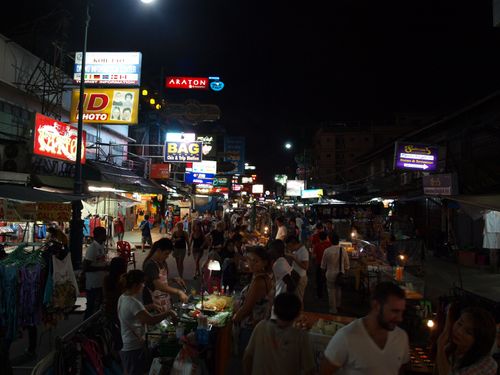
Bangkok’s backpacker carnival: curbside bars, live bands and DJs from 3pm–2am (midnight Sun). Street eats are cheap — pad thai 70–100 THB, mango sticky rice 60–100 THB. Come for wild people-watching; duck into Rambuttri for a calmer beer.
Chao Sam Phraya National Museum
Attractions
Staying near Khao San Road? Compare Khao San Road hotels with Agoda booking links.
More Khao San Road Guides
- Best Day Trips from Bangkok for Backpackers by Season: Cool-Weather, Rainy-Season, and Hot-Season Picks
- What to Pack for Thailand as a Backpacker in the Wet Season: Rainproof Gear, Footwear, and Hostel Drying Tips
- Backpacker Packing List for Thailand’s Wet-Season City Walks: Umbrella, Shoes, and Quick-Dry Day Gear
- Bangkok Temple Run from Khao San Road on a Rainy Day: Covered Routes, Backup Stops, and What Still Works